


Introduction to the Gut-Immune System Connection
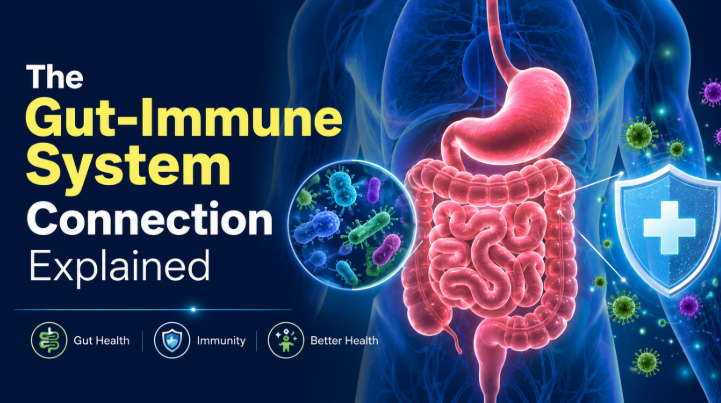
The connection between the gut and the immune system is a vital area of research in understanding overall health and disease. Central to this relationship is the gut microbiome, which comprises trillions of microorganisms residing in the gastrointestinal tract. These microbes play a critical role in maintaining immune homeostasis, influencing both innate and adaptive immune responses. A balanced microbiome is essential for optimal immune function, and disruptions in this delicate ecosystem can lead to various health issues, including autoimmune diseases, allergies, and infections.
Research has demonstrated that the gut microbiome can modulate the immune system through several mechanisms. Firstly, it aids in the development of intestinal cells that produce antibodies and helps educate immune cells to differentiate between harmful pathogens and benign substances. This educational function is crucial in preventing overreactions that can result in inflammatory diseases. Secondly, gut bacteria produce metabolites, such as short-chain fatty acids, which reinforce the intestinal barrier, thus preventing harmful substances from entering the bloodstream and triggering an immune response.
The significance of the gut-immune system connection extends to various aspects of human health. For instance, poor gut health is linked to increased susceptibility to infections, as well as chronic inflammatory conditions. Conversely, maintaining a healthy gut microbiome through dietary choices, such as a diet rich in fiber and fermented foods, can promote effective immune responses and overall well-being. Therefore, understanding this connection is essential for the development of preventive and therapeutic strategies aimed at enhancing immune function through gut health.
What is the Gut Microbiome?
The gut microbiome refers to the diverse community of microorganisms residing in the digestive tract, primarily the intestines. This intricate ecosystem comprises trillions of bacteria, viruses, fungi, and other microbes, working in harmony to maintain bodily functions. Notably, the gut microbiome is not uniform; rather, it varies significantly among individuals due to factors such as diet, lifestyle, age, and geographical location.
A considerable portion of the gut microbiome is composed of beneficial bacteria, which play pivotal roles in digestion, metabolism, and the synthesis of essential vitamins. For instance, certain gut bacteria are instrumental in breaking down complex carbohydrates, aiding in nutrient absorption, and producing short-chain fatty acids that are crucial for colon health. Additionally, beneficial microbes can strengthen the gut barrier, preventing harmful pathogens from entering the bloodstream.
In contrast, the presence of harmful microorganisms can lead to dysbiosis, a condition characterized by an imbalance in the microbiome that may contribute to various health issues, including gastrointestinal disorders and allergies. The gut microbiome also profoundly influences the immune system. By interacting with immune cells, these microbes help modulate immune responses, training the body to distinguish between harmful invaders and benign substances.
Furthermore, recent research suggests that the gut microbiome may play a role in mental health and overall well-being, highlighting its importance beyond the digestive system. The complexity of this microbial community underlines the need for a balanced diet rich in fiber and probiotics, which can help support the proliferation of beneficial bacteria and promote a healthy gut microbiome.
The Immune System: An Overview
The human immune system is a complex network of cells, tissues, and organs that work in unison to defend the body against harmful pathogens, including bacteria, viruses, fungi, and parasites. It serves as the body’s primary defense mechanism, ensuring that foreign invaders are identified and eliminated before they can cause disease.
The immune system can be broadly classified into two categories: the innate immune system and the adaptive immune system. The innate immune system is the body’s first line of defense. It includes physical barriers such as skin and mucous membranes, as well as immune cells such as neutrophils and macrophages that respond quickly to infections. These components act non-specifically, targeting a wide range of pathogens.
In contrast, the adaptive immune system is more specialized. It involves lymphocytes, including B cells and T cells, which recognize and remember specific pathogens. Upon first exposure to a pathogen, B cells produce antibodies that neutralize infections, while T cells assist in orchestrating the immune response by destroying infected cells. This system allows for faster and more effective responses upon subsequent exposures, contributing to long-term immunity.
The immune system also plays a pivotal role in maintaining overall health. A well-functioning immune response helps to prevent infections and diseases, facilitates healing processes, and even influences the body’s ability to adapt to environmental challenges. Disruptions within the immune system can lead to various health issues, such as allergies, autoimmune disorders, and increased susceptibility to infections. Understanding the intricate components and functions of the immune system lays the groundwork for exploring its essential connection to the gut and how gut health can significantly influence immune function.
How the Gut Affects the Immune System
The gut microbiome plays a pivotal role in maintaining and regulating the immune system, primarily through its diverse microbial population that contributes to the body’s defense mechanisms. One key aspect of this interaction is the production of short-chain fatty acids (SCFAs), which are metabolic byproducts of dietary fiber fermentation by gut bacteria. SCFAs, such as butyrate, propionate, and acetate, have been shown to enhance the function of regulatory T cells, which are crucial for modulating immune responses and maintaining tolerance to non-harmful antigens. Through the production of SCFAs, the gut microbiome can significantly influence systemic immunity and the inflammatory response.
Another critical element is the gut-associated lymphoid tissue (GALT), which is an integral part of the immune system located in the gut. GALT encompasses a network of immune cells strategically placed to encounter and respond to potential pathogens. The GALT is equipped with specialized cells, such as dendritic cells and B cells, that interact with gut microbiota to promote immune system development and function. Such interactions not only aid in the pathogen elimination but also help in generating immunological memory, enhancing the body’s ability to respond to subsequent infections.
Moreover, the gut’s effect on the immune system is bidirectional, with signals emanating from the immune system also influencing gut health. Inflammatory responses triggered by infections or other stimuli can alter the gut microbiome composition, impacting digestion and nutrient absorption. This complex interplay highlights the importance of a balanced gut microbiome, as imbalance can lead to dysbiosis, which is associated with various immune disorders, including allergies, autoimmune diseases, and inflammatory bowel conditions. Thus, understanding how the gut microbiome influences the immune system is fundamental in identifying interventions to promote health and prevent disease.
Impact of Diet on Gut Health and Immunity
The relationship between diet, gut health, and immune function is a pivotal aspect of understanding our overall well-being. The human gut is home to an extensive microbiome, which consists of trillions of microorganisms that play a vital role in digestion and immune responses. A balanced diet significantly influences the composition and diversity of these gut microbes, ultimately affecting the immune system’s efficiency.
Probiotics and prebiotics are key components of a diet that can enhance gut health. Probiotics, which are live beneficial bacteria, can be found in fermented foods such as yogurt, kefir, and sauerkraut. These microorganisms help to replenish the gut microbiome, especially after disruptions caused by factors like antibiotics or poor eating habits. On the other hand, prebiotics serve as food for these beneficial bacteria and are typically found in fiber-rich foods like garlic, onions, and bananas. Together, probiotics and prebiotics support a balanced gut microbiome, which is essential for a robust immune response.
Research has demonstrated that diets such as the Mediterranean diet, rich in fruits, vegetables, whole grains, and healthy fats, are associated with a more favorable gut microbiome compared to the Western diet characterized by high sugar and processed foods. The Mediterranean diet promotes a rich diversity of gut bacteria, which is linked to lower rates of chronic diseases and improved immune function. In contrast, the Western diet can lead to dysbiosis, a condition where harmful bacteria outnumber beneficial ones, impairing immune system activity and increasing the risk of infections.
Ultimately, adopting a nutritionally balanced diet tailored to support gut health is crucial for maintaining a well-functioning immune system. By prioritizing probiotics and prebiotics and choosing whole foods over processed options, individuals can enhance their gut health and, by extension, their immune function.
Gut Dysbiosis and Immune Disorders
Gut dysbiosis refers to an imbalance in the microbial communities residing in the gastrointestinal tract. The human gut is home to trillions of microorganisms, collectively known as the gut microbiome, which play a vital role in maintaining overall health. This intricate community contributes to various bodily functions, including digestion, nutrient absorption, and most importantly, immune system regulation. When the delicate balance of these microbes is disrupted, it can lead to what is known as dysbiosis. This dysbiosis is increasingly being linked to a range of immune disorders.
Research indicates that dysbiosis can trigger or exacerbate conditions such as allergies, autoimmune diseases, and gastrointestinal disorders. For example, in individuals with allergies, an imbalance in the gut microbiome can negatively influence immune responses, potentially leading to heightened allergic reactions. Conversely, autoimmune diseases, where the body mistakenly attacks its own cells, have also been associated with a disrupted gut microbiome, as healthy gut bacteria are essential for educating the immune system on recognizing self versus non-self elements.
Furthermore, gastrointestinal disorders like irritable bowel syndrome (IBS) and inflammatory bowel disease (IBD) have been shown to exhibit connections with gut dysbiosis. A dysbiotic gut can result in increased intestinal permeability, often referred to as ‘leaky gut,’ which may permit undigested food particles and toxins to enter the bloodstream. This process can trigger inflammatory responses and initiate immune system activation, leading to further complications.
The consequences are significant; an unhealthy gut microbiome can impair immune function, rendering the body more susceptible to infections and autoimmune disorders. Therefore, understanding and addressing gut dysbiosis is essential for promoting a balanced immune response and overall health.
The Role of Stress and Lifestyle Factors
The intricate relationship between gut health and the immune system is significantly influenced by various stress and lifestyle factors. Chronic stress, in particular, has been shown to adversely affect gut function through mechanisms such as increased intestinal permeability, often referred to as “leaky gut.” When the gut lining becomes compromised, it can allow toxins and pathogens to enter the bloodstream, triggering an inflammatory response and potentially leading to a weakened immune system.
Additionally, the quality and quantity of sleep are critical components in maintaining gut health. Research indicates that insufficient sleep can disrupt the gut microbiota balance, thereby affecting its ability to support immune function. A well-regulated circadian rhythm enhances not only digestive processes but also optimizes the synchronization between gut microbial populations and immune responses. Therefore, promoting good sleep hygiene can be an effective strategy to bolster both gut and immune health.
Lifestyle choices, including physical activity, also play a pivotal role. Engaging in regular exercise has been linked to an improvement in gut microbiota diversity, which is essential for a robust immune system. Physical activity stimulates blood flow, thus enhancing nutrient absorption and improving the body’s overall metabolic functions. Furthermore, exercise promotes the release of endorphins, which can help reduce stress levels, thereby creating a positive feedback loop that benefits both gut health and the immune system.
Incorporating stress management techniques such as mindfulness, meditation, or yoga can be invaluable. These practices not only help in alleviating stress but also contribute to sustaining a healthy gut microbiome, facilitating enhanced immune resilience. Therefore, a holistic approach that integrates stress management, ample sleep, and physical activity is essential for fostering a functional gut and a thriving immune system.
Practical Tips for Supporting Gut and Immune Health
Maintaining a healthy gut and a robust immune system is essential for overall health and well-being. Here are several actionable strategies that can contribute to this goal. One of the most effective ways to support gut health is through diet. Incorporating a variety of fiber-rich foods such as fruits, vegetables, whole grains, and legumes can positively influence gut microbiota composition. Fermented foods like yogurt, kefir, sauerkraut, and kimchi are also beneficial due to their probiotic content, which can support the growth of healthy bacteria in the digestive tract.
In addition to dietary changes, lifestyle modifications play a significant role in gut and immune health. Regular physical activity is crucial; engaging in moderate exercise can help reduce inflammation and promote the proliferation of beneficial gut microbes. Furthermore, managing stress through mindfulness practices or meditation can prevent gut dysbiosis, as chronic stress is known to negatively impact gut health.
Another vital aspect is ensuring adequate hydration, as water is essential for digestion, absorption of nutrients, and elimination of waste. Adequate sleep also contributes significantly to immune system function, with studies indicating that sleep deprivation can hinder immune response. Therefore, prioritizing quality sleep can be an essential part of maintaining overall health.
Regular health check-ups can aid in early detection of any issues, allowing for timely intervention. Engaging with healthcare professionals can offer personalized recommendations tailored to individual needs. Incorporating these practical tips into daily life can significantly enhance gut and immune health, providing a more robust defense against various ailments.
Conclusion: The Future of Gut-Immune Research
The intricate relationship between the gut microbiome and the immune system underscores a transformative area of scientific inquiry with profound implications for health and disease management. Throughout this discussion, we have explored how the gut flora not only aids in digestion but also plays a crucial role in shaping immune responses. The balance within the gut microbiome is vital, as dysbiosis can lead to a variety of health challenges, including autoimmune diseases and inflammatory conditions. This interdependency is prompting researchers to delve deeper into the mechanics of this connection.
Emerging studies suggest that by understanding the gut-immune axis, innovative therapeutic strategies could be developed. For instance, probiotics and prebiotics may offer tailored treatments aimed at restoring microbial balance and enhancing immune function. Moreover, the potential of fecal microbiota transplantation as a means to rectify gut-immune dysregulation presents a fascinating avenue for future clinical practice.
As research continues to evolve, it is vital that we prioritize multifaceted approaches, integrating insights from immunology, microbiology, and clinical studies. The scope of gut-immune research encompasses various disciplines and necessitates collaboration among scientists, healthcare providers, and policymakers. As we advance our understanding of this vital connection, there is hope for improved preventive measures and therapeutic options for conditions traditionally thought to be untreatable.
In summary, the future of gut-immune research not only holds promise for the management of existing disorders but also paves the way for proactive health strategies. Continued funding and interest in this area will undoubtedly yield significant insights that can transform our approach to healthcare, ultimately enhancing quality of life.