
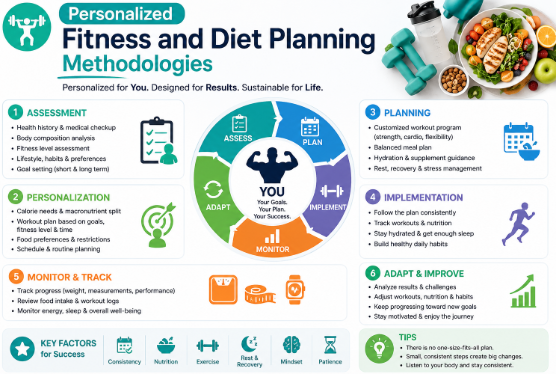


Introduction to Personalized Fitness and Diet Planning
The concept of personalized fitness and diet planning revolves around tailoring exercise regimens and nutritional intake to meet the unique needs and goals of individuals. Unlike traditional one-size-fits-all approaches, personalized plans consider various factors such as age, gender, body composition, lifestyle, preferences, and specific health conditions. This individualized methodology plays a crucial role in effectively achieving health objectives, making the journey towards fitness both efficient and sustainable.
Personalized fitness and diet planning recognizes that individuals respond differe ntly to various training techniques and dietary strategies. Consequently, a program that works exceptionally well for one person may not yield the same results for another. This growing trend in personalized fitness is largely due to advancements in technology and nutrition science, which allow for more precise tracking and understanding of individual progress and adaptation. Today, many people are leveraging apps, wearable technologies, and even professional consultations to create bespoke plans that align with their bodies’ unique responses.
Moreover, balancing exercise and nutrition is fundamental in personalized fitness. Proper nutrition complements exercise efforts, enhancing overall effectiveness. Personalized diet plans incorporate individuals’ preferences and needs, ensuring that they remain enjoyable and sustainable over time. As a result, those invested in customized health plans often find heightened motivation and adherence compared to generic alternatives.
The benefits of personalization in fitness and dietary methodologies are substantial. Research indicates that customized approaches tend to yield superior results, improving not only physical outcomes but also adhering to psychological well-being. By considering personal factors, individuals are more likely to achieve their health goals efficiently, enhancing their overall quality of life.
Understanding Individual Needs and Goals
When embarking on a journey towards better health and fitness, it is crucial to recognize that a one-size-fits-all approach is often ineffective. Tailoring fitness and diet plans to suit individual needs is paramount for achieving lasting results. Various factors come into play when assessing these individual needs, including age, weight, current fitness level, and any existing medical conditions. Each of these elements significantly impacts how one’s body responds to different fitness activities and dietary modifications.
For instance, age can dictate metabolic rate and recovery time from workouts. Younger individuals may have a higher metabolism and can often tolerate more intense exercise compared to older adults, who may need a gentler approach that considers joint health and stamina. Similarly, a person’s weight and fitness level are vital in establishing a baseline for exercise intensity and nutritional requirements. A beginner may benefit from simpler routines, while an advanced athlete might seek more challenging workouts.
Dietary preferences must not be overlooked when formulating a personalized nutrition plan. Whether adhering to a specific dietary regimen for health reasons or simply personal choices, these preferences can influence food selection, meal preparation, and overall adherence to the diet. Additionally, understanding an individual’s lifestyle, including work schedules and family commitments, can assist in creating attainable goals that do not compromise daily responsibilities.
Personal motivation serves as a fundamental driving force in maintaining commitment to fitness and diet plans. Setting realistic and achievable goals can foster a sense of accomplishment and keep individuals engaged in their health journey. By identifying personal motivations—whether they relate to aesthetics, health improvements, or enhanced athletic performance—individuals can create a supportive framework for their fitness and nutrition endeavors. Overall, comprehensively assessing individual needs and setting tailored, realistic goals are essential steps in the pathway to physical wellness.
Components of a Personalized Fitness Plan
A personalized fitness plan is a tailored approach that aligns an individual’s unique goals, preferences, and capabilities with various components of physical activity. To create an effective plan, it is essential to include several key elements such as strength training, cardiovascular exercises, flexibility work, and recovery.
Strength training is a crucial component that helps in building muscle strength and endurance. This may include the use of weights, resistance bands, or body-weight exercises that not only enhance overall muscle tone but also improve metabolism. When designing this aspect of the fitness plan, one must consider the individual’s fitness level and any previous injuries to reduce the risk of strain.
Another vital element is cardiovascular exercise, which promotes heart health and improves stamina. Activities such as running, swimming, or cycling can be incorporated depending on the individual’s preference and fitness levels. Varying the intensity and duration of cardiovascular training can help in achieving personalized fitness goals effectively.
Flexibility work, including stretching and mobility exercises, should also be emphasized in a comprehensive fitness regimen. This component not only enhances overall range of motion but also aids in recovery and injury prevention. Proper incorporation of flexibility work can make a significant difference, especially for individuals engaging in more strenuous workouts.
Finally, the importance of recovery cannot be overstated. Recovery includes rest days and practices such as yoga or foam rolling, which are essential for muscle repair and preventing burnout. Establishing a balanced workout schedule that effectively integrates these components—while considering personal preferences and time constraints—ultimately leads to greater adherence and success in achieving fitness goals. Personalization of fitness plans ensures that each element works harmoniously to support an individual’s journey toward improved health and wellness.
Creating a Customized Nutrition Plan
Crafting a tailored nutrition plan involves a comprehensive understanding of individual dietary needs, preferences, and fitness goals. Each person requires a unique approach, as factors like age, gender, level of physical activity, and health conditions all play significant roles in dietary choices. First, it is crucial to assess an individual’s macronutrient requirements—proteins, carbohydrates, and fats—to ensure optimal energy levels and muscle recovery. Balancing these macronutrients based on personal activity levels helps create a solid foundation for the nutrition plan.
In addition to macronutrients, attention must also be given to micronutrients, which include vitamins and minerals essential for various bodily functions. A diverse range of fruits, vegetables, whole grains, and lean proteins should be incorporated into meals to meet these requirements. It is important to account for any dietary restrictions or preferences, such as vegetarianism, gluten intolerance, or allergies, ensuring inclusivity in food selection.
Meal and snack choices should be aligned with the individual’s fitness objectives. For instance, those aiming to build muscle mass may require more protein-rich foods, while individuals focusing on weight loss might benefit from calorie-dense but nutrient-poor foods. Furthermore, understanding portion control is vital; it not only prevents overeating but also helps in managing energy intake effectively. Using measuring cups or food scales can assist in maintaining portion sizes that align with one’s dietary goals.
Lastly, meal timing is a critical component that can enhance metabolic efficiency and nutrient absorption. Scheduling meals and snacks throughout the day, such as pre-and post-workout nutrition, can significantly affect energy levels and performance. Therefore, an effective customized nutrition plan should encompass a holistic approach, combining appropriate macronutrient and micronutrient intake, mindful portion control, and strategic meal timing for a truly personalized experience.
Technology and Tools for Personalized Planning
In recent years, the landscape of personalized fitness and diet planning has transformed significantly, largely due to advancements in technology and the availability of innovative tools. This evolution offers individuals a wealth of resources that empower them to take charge of their health and wellness journeys.
One prominent category within this domain is fitness and diet tracking applications. Numerous apps are available that allow users to log their food intake, exercise routines, and hydration levels in real time. These applications often include calorie counters, macronutrient calculators, and meal planners that are tailored to specific dietary preferences, aiding individuals in maintaining their goals. Platforms like MyFitnessPal and Lose It! have gained popularity for their user-friendly interfaces and extensive food databases, making the tracking process seamless.
Wearable technology has also become an integral part of personalized health strategies. Devices such as fitness trackers and smartwatches monitor physical activity, heart rate, and even sleep patterns. By analyzing this data, users gain insights into their daily habits, which can be vital for making informed adjustments. Wearables like Fitbit and Apple Watch provide personalized feedback and reminders, enhancing motivation and accountability as users pursue their fitness objectives.
Additionally, online programs and platforms now offer comprehensive guidance in personalized fitness and diet planning. Services like Noom and Personal Trainer Online connect users with fitness professionals who can tailor workouts and nutritional guidance to individual needs. This level of personalization fosters an environment where users receive consistent support and encouragement, facilitating the long-term adoption of healthy lifestyles.
By harnessing these technologies and tools, individuals can create a personalized health plan that is adaptive and responsive to their unique goals, making it easier to stay accountable and motivated on their journey to improved fitness and diet health.
The Role of Professional Guidance
When it comes to developing personalized fitness and diet plans, seeking professional guidance is paramount. Certified trainers, nutritionists, and health professionals bring a wealth of knowledge and expertise that can significantly enhance the effectiveness of individual programs. They have specialized training in exercise science, dietary needs, and behavior modification, which allows them to provide tailored advice that aligns with personal health goals.
One of the primary benefits of working with these professionals is the provision of structured plans that can lead to sustainable results. A certified trainer will take into consideration various factors such as fitness levels, preferences, and limitations to create a workout regime that is not only achievable but also enjoyable. Similarly, nutritionists can analyze dietary habits and formulate meal plans that cater to nutritional requirements while also considering personal taste preferences and lifestyle. This personalized approach not only fosters adherence but also cultivates a more positive relationship with fitness and nutrition.
Moreover, professional guidance serves as a motivational tool. Regular sessions with trainers or dietitians can establish accountability, encouraging individuals to stay committed to their fitness and health objectives. The support provided by these experts helps individuals to overcome challenges, such as plateaus or cravings, which often hinder progress. However, there can be barriers to accessing professional help, such as financial constraints or lack of availability. To overcome these challenges, individuals can explore options such as group sessions, community programs, or even online consultations that often provide more affordable and flexible solutions for personalized guidance.
Adapting Plans Over Time
In the pursuit of achieving optimal health and fitness, personalization of diet and exercise routines is paramount. However, this personalization must come with an inherent flexibility to accommodate the continuous changes individuals experience over time. As personal goals evolve, it is essential to reassess fitness and diet plans regularly, taking into account factors such as progress, health conditions, and lifestyle changes. The process of adaptation helps ensure that the personalized approach remains effective and aligned with the individual’s current circumstances.
One critical aspect of adaptability in fitness planning lies in tracking and evaluating progress systematically. Regular assessments can provide valuable insights that inform necessary adjustments to both diet and exercise plans. For instance, if an individual reaches a weight loss goal, it may be appropriate to modify caloric intake or incorporate new workout regimens to maintain motivation and support further objectives. Additionally, fluctuations in physical health or unexpected life changes—such as a sedentary job or an injury—necessitate a reevaluation of established plans. Engaging with a fitness professional to conduct these assessments can lead to more informed adjustments.
Another important consideration is the evolution of personal preferences and lifestyle. As individuals grow, their interests or daily routines may shift, prompting a need for dietary changes or revised fitness activities. For example, someone who initially enjoyed running might find greater fulfillment in group classes or outdoor sports. Ultimately, maintaining a dynamic relationship with personal fitness and diet planning enhances the likelihood of sustained engagement and success.
Success Stories: Personalization in Action
Numerous individuals have embarked on the transformative journey of personalized fitness and diet planning, each with unique challenges and remarkable achievements. One noteworthy success story comes from Laura, a 32-year-old marketing executive who struggled with weight management due to her hectic work schedule. By adopting a customized approach tailored to her lifestyle, Laura engaged a personal trainer and a nutritionist who worked collaboratively to develop a comprehensive plan. This included scheduled workouts that fit within her busy agenda and meal plans designed around her dietary preferences, focusing on whole foods. Over six months, she lost 30 pounds and gained a newfound enthusiasm for physical activity.
Another inspiring example is Mark, a 45-year-old father of three, who had long battled high cholesterol levels. Concerned about his health, he sought out personalized dietary adjustments. Working alongside a healthcare provider, Mark learned to identify foods that would support his heart health without sacrificing flavor. This collaboration included incorporating heart-healthy options into family meals, making it easier for everyone to join him in the healthy eating journey. Remarkably, within a year, Mark not only lowered his cholesterol significantly but also improved his energy levels, thus enhancing his quality of life.
Finally, we highlight Sophia, a 27-year-old fitness enthusiast who faced the obstacle of hitting a plateau in her training. Through personal assessment and detailed goal-setting, she discovered that her routine needed a revamp. Collaborating with a fitness coach, Sophia redesigned her workout regimen, incorporating strength training and specialized cardio workouts aligning with her fitness aspirations. This tailored program reignited her passion for fitness, resulting in improved performance and significant muscle gain over several months.
These success stories underscore the power of personalization in fitness and diet planning. Each individual faced their unique set of challenges, yet by embracing tailored strategies, they achieved significant and inspiring results. By sharing these anecdotes, we hope to motivate others to consider personalized methods as a viable path toward their own health and wellness goals.
Conclusion and Getting Started with Personalization
In the exploration of personalized fitness and diet planning methodologies, it becomes evident that customization is essential to achieving optimal health outcomes. Individuals are unique in their goals, body types, and lifestyles, and thus, a one-size-fits-all approach is often insufficient. The key takeaways include the importance of assessing personal objectives, understanding nutritional needs, and embracing flexibility in both fitness and dietary plans.
To embark on your personalized fitness journey, begin with self-reflection. Consider what you wish to achieve—whether it’s weight loss, muscle gain, or increased endurance. It is crucial to evaluate your current physical condition, lifestyle habits, and any barriers that might impede progress. Journaling your daily food intake and physical activity can be an effective strategy for identifying patterns and areas of improvement.
Seeking professional guidance can further enhance your efforts. Consulting with a registered dietitian or a certified personal trainer can provide invaluable insights tailored to your individual needs. These experts can assist in creating a comprehensive plan that focuses on both nutrition and exercise, ensuring that you are not only meeting your goals but doing so in a sustainable and healthy manner. Moreover, they can help you stay accountable and motivated throughout your journey.
Finally, remember that personalization is an ongoing process. Regularly revisiting your goals, progress, and challenges will enable you to adapt your plan as needed, ensuring long-term success in your fitness and dietary endeavors. By taking these actionable steps, you can create a personalized approach that caters to your unique situation, leading to both physical and mental well-being.