
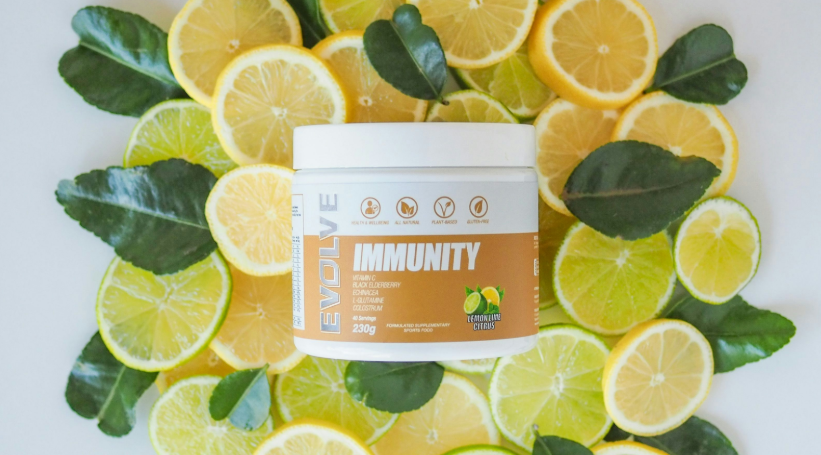


Introduction to Immunity and Its Importance
Immunity refers to the body’s ability to defend itself against harmful pathogens such as viruses, bacteria, and parasites. It serves as a complex network involving numerous cells, tissues, and organs that work collaboratively to identify and eliminate foreign invaders. Immunity can be categorized into two main types: innate immunity and adaptive immunity. Innate immunity is the body’s first line of defense, providing immediate, nonspecific protection against pathogens through physical barriers like the skin, as well as immune cells that attack invaders indiscriminately. This rapid response is crucial for preventing the spread of infections in the early stages.
On the other hand, adaptive immunity is a more sophisticated response that is developed over time. It involves the activation of specific lymphocytes, such as B and T cells, which remember past encounters with pathogens and mount a targeted response upon re-exposure. This memory function is essential for the effectiveness of vaccines, as they prepare the immune system to respond efficiently to future infections. Together, these systems form a robust immune response that is vital for overall health.
The significance of a strong immune system cannot be overstated. A well-functioning immune response is crucial not only for protecting against illnesses but also for maintaining overall health and well-being. Factors such as nutrition, stress levels, and lifestyle choices can influence immunological effectiveness. In recent times, interest has surged in natural immunity boosters—substances sourced from nature—believed to enhance immune function. Incorporating these natural boosters into one’s daily routine may support the body’s defenses and contribute to long-term health. This discussion underscores the critical role of immunity in holistic health, setting the stage for deeper exploration into natural methods for enhancing it.
The Science Behind Natural Immunity Boosters
The immune system is a complex network of cells, tissues, and organs working together to defend the body against pathogens, such as bacteria and viruses. The integration of natural immunity boosters has gained attention for its potential role in enhancing immune function. Numerous studies investigate how specific nutrients and compounds influence various immune processes at the cellular level, leading to improved protection against illnesses.
One of the key mechanisms through which natural substances bolster immunity is by modulating the activity of immune cells. For instance, vitamins such as Vitamin C and Vitamin D are well-documented for their immune-enhancing properties. Vitamin C acts as an antioxidant, protecting immune cells from damage and promoting their proliferation. Similarly, Vitamin D is critical for the activation of T-cells, a type of white blood cell that plays a pivotal role in the immune response.
Another essential component in immune modulation is the presence of phytochemicals found in various fruits, vegetables, herbs, and spices. Compounds such as flavonoids and polyphenols exhibit anti-inflammatory and antioxidant effects, supporting the immune system by reducing oxidative stress. Research shows that diets rich in these compounds contribute to higher levels of immune cells, including natural killer cells and macrophages.
Furthermore, omega-3 fatty acids, primarily found in fish and flaxseeds, have been shown to generate a more effective immune response. They influence the production of signaling molecules that regulate inflammation, helping to create a balanced immune environment. This balance is crucial for preventing overactive responses that could lead to autoimmune conditions.
Overall, the science behind natural immunity boosters indicates a multifaceted approach to supporting immune function. As scientific research continues to evolve, understanding the interplay between nutrition and the immune system becomes increasingly vital for developing evidence-based strategies that promote health and resilience against infections.
Vitamins and Minerals That Boost Immunity
Effective immune response is vital for overall health, and certain vitamins and minerals play essential roles in enhancing this system. Among these, Vitamin C, Vitamin D, and Zinc are particularly noteworthy for their robust immune-boosting properties.
Vitamin C is renowned for its antioxidant properties, which help combat oxidative stress and promote healthy immune function. It is crucial for the growth and repair of tissues; thus, it aids in the healing process. Dietary sources of Vitamin C include citrus fruits, strawberries, bell peppers, and leafy greens. The recommended daily allowance (RDA) varies based on age and gender, but for adults, it is generally around 65 to 90 mg.
Vitamin D is another vital nutrient for maintaining optimum immunity. It modulates the immune system, enhancing the pathogen-fighting effects of monocytes and macrophages—white blood cells that are instrumental in immune response. Vitamin D can be synthesized in the skin through sunlight exposure, but dietary sources like fatty fish, fortified dairy products, and egg yolks can help achieve adequate levels. The RDA for Vitamin D is around 600 to 800 IU, depending on age.
Zinc is a trace mineral that significantly impacts immune function by affecting various aspects of the immune response, particularly the activity of immune cells. It is found in foods such as oysters, beef, pumpkin seeds, and lentils. The recommended daily intake for adults is around 11 mg for men and 8 mg for women. A deficiency in zinc can lead to a weakened immune system, hindering the body’s ability to fight infections.
In conclusion, incorporating these vitamins and minerals into one’s daily diet can play a significant role in enhancing immune response. It is essential to monitor intake to ensure these nutrients are consumed in sufficient amounts for optimal health.
Herbal Remedies and Their Immune-Enhancing Properties
Herbal remedies have long been employed in traditional medicine for their purported ability to enhance immune function. Prominent among these are echinacea, elderberry, and astragalus, each offering unique attributes that contribute to overall health.
Echinacea, a perennial flowering plant, has been widely utilized particularly in North America for its immune-boosting properties. Studies indicate that echinacea may reduce the duration and severity of colds and respiratory infections. Its active compounds, including alkamides and polysaccharides, are believed to stimulate immune system activity, enhancing the body’s ability to fight off viruses.
Similarly, elderberry has garnered attention for its role in supporting the immune system. Traditionally used for centuries, elderberry syrup is often recommended for its antiviral properties. Recent scientific investigations suggest that elderberry extract may inhibit the replication of certain strains of the influenza virus, thereby reducing symptoms and hastening recovery. The high concentration of antioxidants found in elderberry also contributes to its immune-supportive effects.
Astragalus, another significant herb, has been well regarded in Traditional Chinese Medicine. This adaptogen is known to bolster the immune system by enhancing the production and function of immune cells. Research indicates that astragalus may stimulate the activity of macrophages and natural killer cells, which play vital roles in the immune response. Incorporating astragalus into one’s daily regimen can be achieved through various forms, including teas, tinctures, or capsules.
To integrate these herbal remedies into daily life, individuals may consider consuming them in supplement form, incorporating them into recipes, or drinking herbal teas. As always, it is advisable to consult a healthcare professional before starting any new supplement, especially for individuals with pre-existing conditions or those taking medication. Embracing these natural immunology-enhancing herbs can potentially contribute to improved health outcomes.
Lifestyle Changes to Enhance Natural Immunity
To enhance natural immunity effectively, it is crucial to adopt lifestyle changes that promote optimal immune function. One of the most significant factors influencing immunity is regular exercise. Engaging in physical activity can lead to improved circulation, allowing immune cells to move more freely throughout the body. Moderate exercise such as walking, swimming, or cycling can enhance the immune response and may reduce the incidence of infections.
Another essential element contributing to immune health is a balanced diet. Foods rich in vitamins, minerals, and antioxidants play a vital role in strengthening the body’s defenses. Incorporating a variety of fruits, vegetables, whole grains, lean proteins, and healthy fats can provide the necessary nutrients for immune system optimization. Specific vitamins, such as Vitamin C, Vitamin D, and Zinc, have been shown to be particularly beneficial in supporting immune function.
Sufficient sleep is also a critical factor in maintaining a robust immune system. During sleep, the body undergoes essential repair processes, and the production of cytokines—proteins that are vital in the response to infections—occurs. Aiming for 7-9 hours of quality sleep each night can significantly affect how well the body can fight off pathogens.
Additionally, effective stress management techniques are paramount in enhancing immune function. Chronic stress can lead to inflammation and immunosuppression, making individuals more susceptible to illness. Practices such as mindfulness meditation, yoga, and deep-breathing exercises can help mitigate stress levels, thereby positively impacting overall immunity.
In conclusion, implementing lifestyle changes such as regular exercise, a balanced diet, adequate sleep, and stress management can significantly enhance the body’s natural immunity. These factors collectively contribute to a robust immune system, preparing the body to combat infections more effectively.
Foods That Strengthen the Immune System
Maintaining a robust immune system is crucial for overall health, and certain foods can play a significant role in enhancing immune function. This section explores various categories of food known for their immune-boosting properties, including fruits, vegetables, whole grains, and probiotics.
Fruits: Fruits are rich in vitamins, minerals, and antioxidants that are vital for a healthy immune system. Citrus fruits, such as oranges, lemons, and grapefruits, are high in vitamin C, which is known to enhance the production of white blood cells, a key part of the immune system. Other fruits like berries, kiwi, and papaya also provide antioxidants that combat free radicals, thus bolstering immunity.
Vegetables: Leafy greens and cruciferous vegetables, such as spinach, kale, broccoli, and Brussels sprouts, are loaded with vitamins, minerals, and fiber. These nutrients support immune health by reducing inflammation and providing essential vitamins such as vitamin A, C, and K. Additionally, garlic and onions contain compounds that can enhance immune response and promote overall health.
Whole Grains: Whole grains like oats, quinoa, and brown rice are good sources of fiber, which is essential for gut health. A healthy gut is directly related to a strong immune system, as a significant portion of immune function occurs within the gut. These grains also provide important vitamins and minerals including zinc, vitamin B6, and magnesium, which are known to support immune function.
Probiotics: Fermented foods, such as yogurt, kefir, sauerkraut, and kimchi, are rich in probiotics. These beneficial bacteria help to balance gut flora, which is crucial for a well-functioning immune system. Probiotics may enhance immune response and reduce the duration of infections.
In summary, incorporating a variety of fruits, vegetables, whole grains, and probiotic-rich foods into your diet can significantly strengthen the immune system, contributing to overall health and well-being.
The Role of Hydration in Immune Function
Proper hydration plays a crucial role in maintaining and supporting the immune system. The human body, which is composed of approximately 60% water, relies on adequate fluid intake for various physiological functions, including the efficient operation of the immune system. Water is essential for transporting nutrients and oxygen to cells, removing waste products, and facilitating biochemical reactions that are vital for immune responses.
Dehydration can have detrimental effects on the immune system. When the body is not sufficiently hydrated, the production of lymph—a fluid that carries white blood cells and other immune cells—is reduced. This can lead to a decreased ability to fight off infections and diseases. Studies have indicated that even mild dehydration can impair immune function by restricting the effectiveness of immune cells in combating pathogens. Furthermore, dehydration can increase the risk of inflammatory responses, which can further weaken the immune system.
To maintain optimal hydration levels, it is important to drink water consistently throughout the day. The Institute of Medicine recommends approximately 3.7 liters (or about 13 cups) for men and 2.7 liters (or about 9 cups) for women, which includes total beverages and food sources. While individual hydration needs may vary based on factors such as activity level, climate, or health conditions, a good rule of thumb is to listen to your body’s thirst signals. Additionally, incorporating fluid-rich foods like fruits and vegetables into your diet can further contribute to overall hydration.
Incorporating strategies such as carrying a water bottle or setting reminders can help ensure that you consume adequate fluids daily. Overall, prioritizing hydration will not only benefit your immune function but also enhance your overall health and well-being.
Challenges and Considerations in Using Natural Immunity Boosters
While natural immunity boosters can play a significant role in enhancing the body’s defense mechanisms, several challenges and considerations must be taken into account to ensure their safety and effectiveness. One primary concern is the potential for interactions with prescribed medications. Many individuals may be unaware that certain natural products can interfere with the pharmacodynamics or pharmacokinetics of their medications, potentially diminishing the intended therapeutic effects or amplifying side effects. It is crucial for individuals to disclose any natural supplements they are taking to their healthcare providers to avoid such interactions.
Individual variations in response to natural immunity boosters is another factor that comes into play. The effectiveness of these products can differ significantly from person to person, influenced by genetic factors, existing health conditions, nutritional status, and lifestyle habits. For instance, a natural supplement that enhances immune function in one individual may not yield the same results in another. This variability reinforces the importance of personalized approaches when considering natural methods to support immunity.
Moreover, while many natural boosters are derived from well-known herbs and nutrients, not all products on the market are equally effective or safe. The quality and potency of these supplements can vary significantly between manufacturers, making it essential for consumers to seek out reputable sources. Third-party testing and certifications are indicators of quality assurance and can help guide decisions on which products to use.
Given these considerations, it is prudent for individuals to consult healthcare professionals before incorporating natural immunity boosters into their health regimen. This can help ensure that any chosen supplement aligns with their overall health profile and needs, thus maximizing the benefits while minimizing potential risks.
Conclusion: Building a Stronger Immune System Naturally
In the contemporary landscape of health and wellness, building a robust immune system has become increasingly vital. This post has discussed various natural immunity boosters, emphasizing the importance of a balanced approach that integrates multiple methods. From dietary choices that include fruits, vegetables, and whole grains, to the incorporation of practices such as regular exercise, sufficient sleep, and stress management techniques, each element plays an integral role in enhancing immune function.
It is essential to acknowledge that individual responses to these natural immunity boosters may vary. While certain foods may provide the body with essential nutrients and antioxidants that are pivotal in maintaining immune health, other lifestyle modifications such as stress reduction strategies or engagement in physical activities are equally important. This highlights the necessity of a holistic approach to health that addresses both physical and mental well-being.
Additionally, hydration and the avoidance of harmful substances are critical components that should not be overlooked. Drinking plenty of water and maintaining a lifestyle free from excessive alcohol and smoking can significantly contribute to a well-functioning immune system. By making informed choices regarding these factors, individuals can take proactive steps toward enhancing their immune health.
In conclusion, building a stronger immune system naturally involves a multifaceted strategy that takes into account diverse lifestyle factors. By embracing a combination of nutritious foods, regular physical activity, adequate rest, and holistic well-being practices, individuals can strengthen their defenses against illness and support their overall health. As you consider the information shared in this post, we encourage you to adopt these strategies and empower yourself to cultivate a resilient immune system for optimal health.