


Introduction to Immunity and Nutrition
The immune system serves a crucial role in safeguarding the body against a myriad of pathogens, including bacteria, viruses, and other harmful microorganisms. This complex network of cells, tissues, and organs collaborates to detect and respond to these threats, ensuring that the body can maintain homeostasis and function optimally. The efficacy of the immune system is influenced by various factors, including genetics, age, and environmental exposures; however, one of the most significant determinants is nutrition.
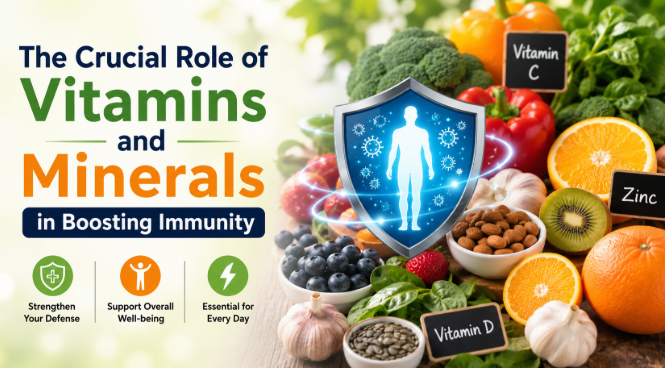
Nutrition directly impacts immune health, as the body requires a diverse range of nutrients to perform its immune functions effectively. Vitamins and minerals, in particular, play pivotal roles in supporting immune responses. For instance, vitamin C is renowned for its ability to enhance the production of white blood cells, which are critical for fighting infections. Similarly, minerals like zinc are vital for the development and function of immune cells, contributing to the body’s ability to mount a strong defense against pathogens.
Furthermore, a well-balanced diet, rich in these essential nutrients, assists in reducing inflammation and bolstering the body’s overall resilience to illnesses. This involves not only the intake of vitamins and minerals but also other beneficial compounds found in whole foods, such as antioxidants. Consuming a variety of fruits, vegetables, nuts, seeds, and whole grains can lead to improved immunity and overall health.
As we delve deeper into this topic, we will explore the specific roles that various vitamins and minerals play in enhancing immune function. Understanding this connection is paramount, as it sheds light on how nutritional strategies can be utilized to strengthen immunity and promote better health outcomes.
The Immune System: An Overview
The immune system is a complex network of cells, tissues, and organs that work together to defend the body against harmful invaders, such as bacteria, viruses, and parasites. Central to this system are white blood cells, which play a vital role in identifying and eliminating pathogens. These cells can be divided into two major categories: phagocytes and lymphocytes. Phagocytes, including neutrophils and macrophages, work primarily to engulf and digest pathogens, while lymphocytes, notably B cells and T cells, are critical for adaptive immunity.
B cells are responsible for producing antibodies, which are specialized proteins that bind to specific antigens present on pathogens. This binding effectively neutralizes the threat and marks it for destruction by other immune cells. T cells, on the other hand, help regulate the immune response and can directly kill infected cells. The coordinated action of these white blood cells ensures a robust and effective response to infections.
Additionally, the immune system includes a variety of other components, such as antibodies, cytokines, and the complement system, each contributing to the defense mechanisms of the body. Antibodies, produced by B cells, are essential for targeting specific microbes, while cytokines are signaling proteins that facilitate communication between immune cells and support the overall immune response.
The immune system is dynamic, adapting to new threats and developing memory to recognize previous invaders. This adaptability is crucial for efficient immune responses in future encounters. Factors such as age, genetics, and external influences can affect the immune system’s functionality; hence, it is vital to support it with proper nutrition, particularly vitamins and minerals. These micronutrients are known to be crucial in enhancing the immune response, playing a significant role in the development and function of various immune cells.
Key Vitamins for Immune Health
Maintaining a robust immune system is crucial for overall health, and certain vitamins play a pivotal role in supporting immune function. Among these, Vitamin C, Vitamin D, and Vitamin A are particularly noteworthy.
Vitamin C is widely acknowledged for its immune-boosting properties. It facilitates the production of white blood cells, which are vital for fighting infections. This vitamin is also a powerful antioxidant, protecting immune cells from damage caused by free radicals. Sources of Vitamin C include citrus fruits such as oranges and lemons, as well as strawberries, bell peppers, and broccoli. A deficiency can lead to increased susceptibility to infections and slow healing of wounds.
Another essential nutrient is Vitamin D, which is synthesized in the skin upon exposure to sunlight. It aids in the activation of immune cells and enhances the body’s antimicrobial responses. Vitamin D deficiency has been linked to an increased risk of autoimmune diseases and respiratory infections. Fortified foods, fatty fish, and eggs are excellent sources of Vitamin D, making it essential to maintain adequate levels, especially in regions with limited sunlight.
Lastly, Vitamin A is critical for maintaining the structural and functional integrity of mucosal cells, which serve as barriers against pathogens. It plays a role in the development of immune cells and the production of antibodies. Vitamin A can be obtained from animal sources such as liver and dairy products, as well as from plant sources in the form of beta-carotene found in carrots and leafy greens. A lack of this vitamin can impair immune responses and increase vulnerability to infections.
Ensuring sufficient intake of these vitamins through a balanced diet is fundamental for enhancing immunity and promoting overall health. Recognizing the importance of Vitamin C, Vitamin D, and Vitamin A can help individuals make informed choices about their nutritional intake, ultimately supporting their immune system’s functionality.
Important Minerals for Immune Function
Minerals play an indispensable role in bolstering the immune system. Among the key minerals, zinc, selenium, and iron are particularly noteworthy due to their essential contributions to immune health. Deficiencies in these minerals can lead to a compromised immune response, which may increase susceptibility to infections.
Zinc is vital for various immune functions, including the production and activation of T-lymphocytes, a type of white blood cell that helps in fighting infections. It also acts as an antioxidant, mitigating oxidative stress that can harm immune cells. Rich dietary sources of zinc include shellfish, red meat, poultry, beans, nuts, whole grains, and dairy products. A zinc deficiency may present symptoms such as hair loss, diarrhea, delayed wound healing, and frequent infections.
Next, selenium serves as a crucial component of several enzymes and proteins that play critical roles in antioxidant defense, inflammation regulation, and immune responses. Foods that are particularly high in selenium include Brazil nuts, fish, eggs, and sunflower seeds. Inadequate selenium levels can lead to weakened immune function, making it more challenging for the body to ward off infections. Symptoms of deficiency may include muscle weakness, fatigue, and increased susceptibility to infections.
Iron is another essential mineral that supports immunity by facilitating the growth and differentiation of immune cells. It is also pivotal for the synthesis of hemoglobin, which carries oxygen to cells, including immune cells. Good sources of iron include red meat, beans, lentils, fortified cereals, and dark leafy greens. Iron deficiency can lead to anemia, characterized by fatigue, weakness, and a compromised immune response, increasing the risk of infections.
The Role of Antioxidants in Immunity
Antioxidants play a pivotal role in the protection and enhancement of the immune system. These substances, which include a range of vitamins such as vitamin C and E, as well as minerals like selenium and zinc, are vital for safeguarding immune cells from damage caused by oxidative stress. Oxidative stress occurs when there is an imbalance between free radicals and antioxidants in the body, leading to cellular damage and a compromised immune response.
When the body undergoes stress, including infections or inflammation, the production of free radicals increases significantly. These unstable molecules can damage various components of cells, including lipids, proteins, and DNA, ultimately impairing cellular function and contributing to a decline in immune competence. Antioxidants counteract this damage by neutralizing free radicals, thereby protecting immune cells and ensuring they function optimally.
For instance, vitamin C is known to enhance the functioning of various immune cells, including lymphocytes and phagocytes, which are integral to the body’s defense mechanisms. Additionally, vitamin E acts as a fat-soluble antioxidant that protects the integrity of cell membranes and promotes overall immune health. Likewise, selenium is crucial as it aids in the production of selenoproteins that have antioxidant properties, further strengthening the immune response.
Therefore, ensuring adequate intake of these vital vitamins and minerals can not only mitigate oxidative stress but also bolster the body’s ability to fight infections. Maintaining a diet rich in fruits, vegetables, nuts, and whole grains can help ensure sufficient levels of these antioxidants, thus playing a crucial role in the overall maintenance of a robust immune system.
Dietary Sources of Essential Vitamins and Minerals
Incorporating a variety of vitamin and mineral-rich foods into daily diets is essential for maintaining optimal immune health. A balanced intake not only supports immune function but also enhances overall well-being. To achieve this, one can turn to natural dietary sources that are abundant in these crucial nutrients.
Fruits and vegetables are some of the best sources of vitamins and minerals. For instance, citrus fruits such as oranges, lemons, and grapefruits are rich in vitamin C, a powerful antioxidant known to bolster the immune system. Leafy greens, such as spinach and kale, contain significant amounts of vitamin A and vitamin K, both crucial for immune health. Additionally, a wide variety of colored fruits and vegetables ensures a diverse nutrient intake, as different colors typically represent different vitamins and minerals.
Whole grains also play a vital role; foods such as oatmeal, brown rice, and quinoa are excellent sources of B vitamins, iron, and magnesium. Incorporating these grains into meals can provide a substantial boost to energy levels and support metabolic processes critical for a robust immune response. Furthermore, legumes like lentils and chickpeas are rich in both minerals and protein, making them an excellent option for those seeking plant-based sources of essential nutrients.
Protein-rich foods such as nuts, seeds, poultry, fish, and dairy can also serve as significant sources of vitamins and minerals. For instance, fatty fish like salmon and mackerel are rich in omega-3 fatty acids and vitamin D, which have been linked to better immune function. Nuts and seeds offer vitamin E, an important antioxidant that aids in the maintenance of a healthy immune system.
In conclusion, a varied diet comprising fruits, vegetables, whole grains, legumes, and protein sources is fundamental for providing the essential vitamins and minerals necessary for boosting immunity. By focusing on these food groups, individuals can ensure they are meeting their nutritional needs while enhancing their immune health.
Effects of Deficiency on Immunity
Vitamin and mineral deficiencies can considerably impair the immune system, leading to an increased susceptibility to infections and various chronic diseases. Micronutrients play pivotal roles in numerous physiological processes, including the regulation of immune functions. When the body lacks essential vitamins such as A, C, D, and E, as well as key minerals like zinc and selenium, the immune response becomes compromised.
For instance, vitamin D is crucial for the activation of T cells, which play a vital role in identifying and responding to pathogens. Insufficient vitamin D levels can result in enhanced vulnerability to respiratory infections and autoimmune diseases. Similarly, vitamin C acts as an antioxidant and supports various cellular functions of both the innate and adaptive immune systems. A deficiency in vitamin C can lead to slower wound healing and a higher incidence of infections.
Furthermore, zinc is integral to immune function as it directly influences the growth and activity of immune cells. A lack of zinc can hinder the production of antibodies and reduce the body’s ability to fend off pathogens effectively. Low selenium levels have also been associated with increased susceptibility to viral infections and may contribute to the risk of serious conditions such as heart disease and certain cancers.
The repercussions of vitamin and mineral deficiencies extend beyond immediate illness; chronic deficiencies can lead to long-term health consequences, including the development of chronic diseases. Therefore, it becomes imperative to maintain adequate levels of these essential nutrients through a balanced diet rich in fruits, vegetables, whole grains, and lean proteins. Ensuring sufficient intake of vitamins and minerals is crucial for bolstering the immune system and fostering overall health.
Lifestyle Factors That Influence Immunity
Immune system health is significantly influenced by various lifestyle factors, including sleep quality, physical activity, and stress management. Each of these elements plays a vital role in either enhancing or hindering the body’s ability to fend off infections and diseases.
Firstly, sleep is essential for overall health and particularly for immune function. Research indicates that sleeping fewer than seven hours per night may impair immune responses, leading to increased susceptibility to illnesses. During sleep, the body undergoes vital repair processes and produces proteins known as cytokines, which are crucial for fighting infections and inflammation. Therefore, ensuring adequate sleep each night is a foundational strategy for supporting immunity.
Secondly, regular physical activity contributes positively to immune health. Engaging in moderate exercise can bolster the immune system by promoting healthy circulation, which allows immune cells to move freely throughout the body. Studies have shown that individuals who maintain an active lifestyle tend to experience reduced incidence of infections compared to sedentary individuals. However, it is important to balance exercise; excessive physical activity can have the opposite effect, potentially leading to immune suppression.
Lastly, effective stress management is crucial for maintaining a healthy immune system. Chronic stress produces elevated levels of cortisol, a hormone that, in excess, can inhibit the immune response. Practicing mindfulness, meditation, or engaging in hobbies can help mitigate stress levels. A lower stress level is associated with a more robust immune function, allowing the body to react adequately to pathogens and infections.
In conclusion, addressing lifestyle factors such as sleep, exercise, and stress management can significantly impact immune health. By optimizing these elements, individuals can enhance their vitamin and mineral intake’s efficacy in supporting immunity, leading to better overall health outcomes.
Conclusion and Recommendations
Vitamins and minerals play a pivotal role in maintaining a robust immune system, which is essential for overall health and well-being. Throughout this discussion, we have highlighted several key nutrients, such as vitamins A, C, D, and E, along with zinc and selenium, that significantly contribute to immune functionality. These micronutrients not only support the immune response but also assist in the ongoing process of healing and recovery.
To optimize nutrient intake and enhance immunity, individuals should focus on a balanced diet rich in fruits, vegetables, whole grains, lean proteins, and healthy fats. Foods like citrus fruits, nuts, seeds, and leafy greens offer abundant amounts of essential vitamins and minerals. Additionally, incorporating fermented foods can support gut health, which is intricately linked to immune function.
For those who may struggle to obtain adequate amounts of certain nutrients through food alone, a supplement may be considered. However, it is paramount to consult with a healthcare provider before starting any supplementation regimen. As each person’s health needs vary, personalized recommendations can ensure that supplementation is both safe and effective.
In addition to dietary considerations, adopting a healthy lifestyle that includes regular physical activity, adequate sleep, and stress management techniques can further bolster the immune system. These lifestyle choices contribute to the overall effectiveness of vitamins and minerals in enhancing immunity.
In summary, the vital connection between vitamins, minerals, and a strong immune system cannot be overstated. By adhering to a nutrient-rich diet and embracing holistic health practices, individuals can significantly improve their immunity and resilience against various illnesses. Consistent attention to these factors will lead to long-term health benefits and a fortified immune response.