
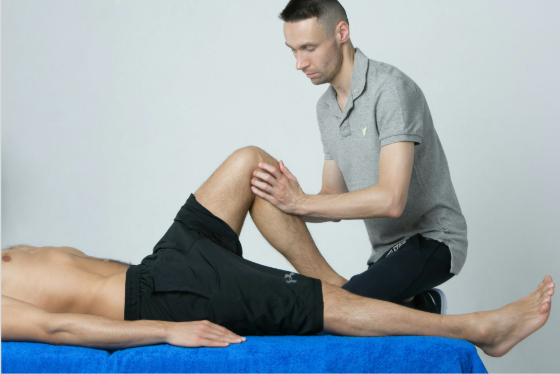


Knee pain changes routines slowly. That is usually how it starts. Small things first. Taking stairs more carefully. Standing up a bit slower. Avoiding long walks even when the weather feels perfect outside. Then one day, people realize they are planning their entire week around discomfort.
That part catches many patients off guard.
Years ago, treatment conversations around knee joint problems often moved quickly toward surgery discussions. Now things look different. Doctors, physiotherapists, sports medicine professionals, and orthopedic specialists are spending more time discussing ways to manage joint discomfort earlier and more gradually. There is more focus on mobility, inflammation control, lubrication inside the joint, and preserving movement for as long as possible.
Patients are asking more questions too. Not just “Will this stop pain?” but also “How long can I stay active?” or “Can I avoid surgery for now?”
That shift matters.
The Focus Has Moved Toward Joint Preservation
Modern knee management is not only about reacting once pain becomes severe. Clinics are trying to slow deterioration earlier. That changes how therapies are approached.
A lot of knee discomfort comes from osteoarthritis. Cartilage becomes thinner over time. Joint cushioning decreases. Bones begin creating more friction during movement. The knee stops feeling smooth. Some patients describe grinding sensations. Others explain it as stiffness that never fully disappears.
Weight management still matters. Exercise still matters. Physical therapy still matters. Those things remain foundational. But patients are also hearing more about injectable therapies designed to support joint lubrication and improve movement quality.
This is where conversations around viscosupplementation have become more common.
Many orthopedic and sports medicine clinics also review options such as Synvisc joint treatment injections when discussing viscosupplementation as part of a broader non-surgical knee care plan.
Not every patient qualifies. Results vary. Expectations also need to stay realistic. Still, these therapies continue appearing in treatment plans because many patients want more gradual approaches before considering invasive procedures.
Pain Is Not Always the Only Problem
This part gets overlooked sometimes.
Patients often focus on pain levels alone. But knee deterioration affects confidence too. People stop trusting their movement. They walk differently. They avoid trips. Some stop exercising completely because they fear making things worse.
That creates another problem.
Less movement can reduce muscle support around the knee joint. Weakness increases instability. Then stiffness increases further. The cycle becomes difficult to interrupt.
Modern therapy planning usually tries to avoid that downward spiral.
Doctors increasingly talk about preserving function instead of chasing perfect comfort. For many patients, being able to walk normally, travel comfortably, or stay independent matters more than eliminating every bit of discomfort.
That changes treatment priorities.
Why Patients Are Researching Injectable Therapies More Often
Part of it comes from information access. Patients read more now. They compare treatment approaches online before appointments even begin.
Another reason: recovery time.
Surgery may absolutely become necessary for some individuals. Severe joint degeneration sometimes leaves few alternatives. But many patients are not ready emotionally, physically, or financially for major procedures. Recovery periods can feel intimidating.
Injectable joint therapies often enter the conversation during that middle phase. Not early prevention. Not final-stage surgery either. Somewhere in between.
Doctors may discuss them when patients still have joint space remaining but experience persistent stiffness, inflammation, or movement limitations despite conservative care.
The goal is usually practical:
- Improve mobility
- Reduce irritation inside the joint
- Help daily activity feel more manageable
- Delay more invasive procedures if appropriate
That “delay” part gets misunderstood sometimes. Patients hear it and assume treatment failed because surgery may still happen later.
That is not necessarily true.
If someone gains several active years with better mobility and improved quality of life, many physicians consider that meaningful progress.
Expectations Matter More Than Marketing
This area can become confusing for patients because online discussions often sound overly dramatic in both directions.
Some people expect miracle-level transformation after one appointment. Others dismiss all non-surgical therapy immediately because they heard mixed experiences from friends.
Real outcomes usually sit somewhere in the middle.
Joint therapies tend to work best when they are part of a broader management strategy. Doctors frequently combine:
- Physical therapy
- Strengthening programs
- Activity modification
- Weight management
- Anti-inflammatory approaches
- Mobility exercises
- Injection-based support
No single treatment carries the entire workload alone.
Patients who understand that often approach therapy more realistically and consistently.
Activity Levels Are Changing Patient Expectations
There is another reason these conversations have become more common.
People want to stay active longer.
Previous generations sometimes accepted physical decline earlier. Today many adults in their 50s, 60s, and even 70s still travel frequently, hike, garden, cycle, or exercise several times per week. That creates different expectations around mobility.
Patients are not only asking:
“Can I walk without pain?”
They are asking:
“Can I keep living normally?”
That difference influences treatment planning heavily.
Orthopedic specialists now spend more time discussing long-term movement goals instead of only short-term pain control.
The Emotional Side of Knee Problems Is Real
Chronic knee discomfort can quietly affect mood and social habits.
People avoid gatherings because standing becomes tiring. Long drives feel stressful. Vacations start requiring too much planning. Some patients even reduce family activities because they worry about slowing others down.
Doctors are paying more attention to those emotional layers now.
Mobility affects independence. Independence affects confidence. Confidence affects overall well-being.
That is partly why preserving joint function has become such a major discussion point in modern care.
Technology and Imaging Have Improved Treatment Decisions
Another important shift: diagnostics are better now.
Imaging tools help specialists evaluate cartilage wear, inflammation patterns, alignment issues, and structural degeneration more accurately than before. That helps clinics personalize treatment plans instead of applying identical solutions to everyone.
Some patients respond better to conservative care. Others may benefit from injections. Others need surgical intervention sooner.
The important thing is timing.
Waiting too long sometimes limits available options. Rushing too quickly toward invasive procedures can also create unnecessary stress if conservative approaches still have room to help.
Good orthopedic care usually involves balancing those decisions carefully.
Patients Are Becoming More Involved in Treatment Planning
This might be one of the biggest changes overall.
Patients are no longer sitting silently while doctors dictate one fixed plan. They ask detailed questions now:
- What are the alternatives?
- What does recovery look like?
- How long could results last?
- What risks exist?
- What happens if treatment does not help?
That level of involvement improves decision-making.
Modern joint management works best when patients understand the purpose behind each step instead of simply following instructions without context.
Long-Term Mobility Has Become the Bigger Goal
For many individuals, the objective is not perfection.
It is sustainability.
Being able to keep walking comfortably.
Continuing exercise safely.
Remaining independent.
Traveling without anxiety.
Playing with grandchildren.
Keeping routines intact.
Those goals sound simple on paper. In reality, they shape quality of life in enormous ways.
Modern knee joint therapy discussions increasingly revolve around protecting those everyday experiences rather than only reacting once damage becomes severe.
That is why patients continue researching conservative therapies, rehabilitation approaches, and injectable options more carefully than before.
The conversation around joint care has changed. It feels less reactive now. More strategic. More focused on preserving movement while patients still have time, strength, and opportunity to benefit from it.