
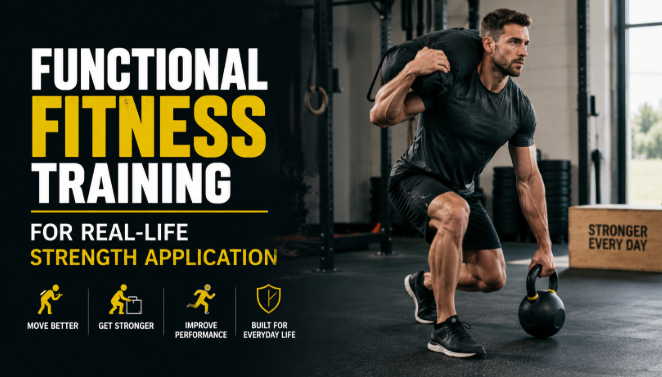


Introduction to Functional Fitness Training
Functional fitness training is a form of exercise designed to improve one’s ability to perform everyday activities with greater ease and efficiency. Unlike traditional fitness programs that often isolate specific muscle groups, functional fitness focuses on multi-joint exercises that mimic daily movements such as lifting, squatting, pulling, and pushing. This training approach aims to enhance overall strength, flexibility, and endurance by using exercises that reflect real-life scenarios.
The significance of functional fitness training lies in its holistic perspective on physical fitness. It is tailored to develop not just muscle strength but also core stability, balance, and coordination. Engaging in routines that replicate everyday tasks aids individuals in developing the muscular endurance necessary for prolonged activities, while also promoting enhanced joint mobility and stability. Therefore, participants can expect to see improvements in not only their physical abilities but also their confidence to engage in daily tasks.
Furthermore, functional fitness training offers considerable benefits across various age groups and fitness levels. For older adults, it may play a crucial role in maintaining independence by improving mobility and reducing the risk of falls. Younger individuals, such as athletes or active adults, can also benefit from functional exercises as they prepare the body for the demands of sports and competitive activities. Overall, the appeal of functional fitness lies in its practical application, making it critical for those seeking to elevate their physical capability in everyday life.
Functional fitness offers a myriad of advantages that extend well beyond traditional gym workouts. One of the primary benefits is improved balance, which is essential for daily activities. Enhanced balance not only helps in avoiding accidents but also contributes significantly to performance in various physical activities. Moreover, as individuals engage in functional fitness training, they often notice an improvement in mobility. Exercises designed with functional fitness principles in mind mimic real-life movements, thereby making it easier to perform tasks like bending, lifting, and reaching without discomfort.
Another notable benefit of functional fitness is better posture. Many individuals suffer from poor posture due to sedentary lifestyles or improper biomechanics. Functional fitness incorporates exercises that strengthen the core and back muscles, thus facilitating an alignment that promotes optimal posture. As individuals gain strength and awareness through these exercises, they often find that they can maintain better spinal alignment, reducing the risk of back pain and other associated ailments.
Injury prevention is yet another crucial aspect of functional fitness. By strengthening not just primary muscle groups but also stabilizing muscles and connective tissues, participants may find themselves less prone to injuries, whether during sports or day-to-day activities. This holistic approach to fitness ensures that the body is well-prepared to handle a variety of movements, thereby diminishing the likelihood of strains or sprains.
Beyond physical benefits, functional fitness also contributes positively to psychological well-being. Many participants report an increase in confidence as they become adept at performing movements that reflect daily life activities. This newfound sense of capability can enhance self-esteem and motivate further engagement in physical fitness. Additionally, functional fitness is often associated with better stress management, as it emphasizes movement patterns that can lead to physical and mental relaxation through active engagement and involvement.
Key Principles of Functional Fitness
Functional fitness is rooted in several key principles that enhance everyday strength and motion, facilitating activities in daily life with greater ease and safety. One of the primary principles is the execution of compound movements. These exercises utilize multiple muscle groups and joints concurrently. For example, movements such as squats, deadlifts, and overhead presses mimic the natural motions we perform in daily activities, offering enhanced strength application and stability. By engaging various muscles together, compound movements create a synergistic effect, improving overall muscle coordination and functional capacity.
Another crucial principle is core stabilization. The core, often considered the body’s powerhouse, is fundamental for maintaining balance and stability. Effective core training equips individuals with the strength necessary to support their spine and pelvis during movement, reducing the risk of injury. Exercises such as planks, bridges, and rotational movements reinforce core strength. A strong core allows for better postural control and transfer of force, which is essential in both athletic and daily tasks.
Additionally, multi-directional training plays a significant role in functional fitness. Unlike traditional training that often emphasizes linear movements, multi-directional training incorporates varied planes of movement, enhancing agility and flexibility. This diversity addresses the dynamics of real-life scenarios where movement occurs in all directions, such as twisting, turning, and side-stepping. Engaging the body in multi-directional exercises not only improves strength but also boosts coordination and reduces the likelihood of injuries.
By incorporating these principles—compound movements, core stabilization, and multi-directional training—individuals can reap the benefits of functional fitness. This approach not only enhances overall physical performance but also empowers individuals to tackle everyday challenges with strength and confidence.
Types of Exercises in Functional Fitness
Functional fitness training encompasses a variety of exercises designed to improve overall strength, stability, and agility, enabling individuals to perform daily activities with greater ease. Some of the primary exercises used in functional fitness include squats, lunges, push-ups, and kettlebell swings, each tailored to mimic real-life movements.
Squats are a fundamental component of functional fitness, emulating actions such as sitting down and standing up, which are commonly performed in everyday life. This exercise works the major muscle groups of the legs and core, promoting not only strength but also balance and flexibility. Additionally, variations of squats, such as single-leg squats or goblet squats with weights, can enhance difficulty and cater to different fitness levels.
Lunges serve a similar purpose, simulating movements such as walking or climbing stairs. They target the quadriceps, hamstrings, and glutes while also improving coordination. Performing front, back, or lateral lunges can further engage stabilizing muscles and enhance functional mobility.
Push-ups are another core exercise within functional fitness routines. They build upper body strength, engaging the chest, shoulders, triceps, and core. The ability to perform push-ups translates into various daily tasks, such as pushing heavy objects. Modifications, including incline or decline push-ups, allow for progression in strength training.
Kettlebell swings are particularly beneficial for developing core strength and explosive power. This dynamic movement mimics the action of lifting and swinging heavy items, effectively improving coordination and cardiovascular fitness. Incorporating kettlebell swings into functional training helps enhance athletic performance and overall functional capacity.
By integrating these exercises into a fitness regimen, participants can develop strength and functional movement patterns crucial for navigating everyday life successfully.
Creating a Functional Fitness Program
Designing a customized functional fitness training program requires careful consideration of various factors to ensure it effectively meets individual needs and goals. The first step is to assess personal objectives; whether the aim is to improve strength, enhance mobility, or increase endurance, clearly defined goals help shape the program. Each individual’s aspirations will significantly influence the choice of exercises and training modalities.
Next, it is essential to take into account the current fitness levels of the participants. A knowledgeable assessment can help identify strengths and weaknesses, guiding the selection of exercises that promote balanced development. Beginners might focus on foundational movements, while more advanced individuals can incorporate complex activities to challenge their capabilities.
Additionally, the equipment available plays a critical role in program design. Functional fitness can effectively utilize various tools including free weights, resistance bands, kettlebells, and bodyweight exercises. By evaluating the equipment on hand, one can create a program that maximizes resources while providing a versatile workout experience.
Training frequency is also a vital consideration when creating a functional fitness program. A balanced approach often involves a combination of strength training, aerobic conditioning, and flexibility exercises. Depending on individual schedules and physical stress tolerance, a regimen could range from three to five sessions per week, allowing adequate recovery time.
In conclusion, a well-structured functional fitness program not only considers personal goals and fitness levels but also adapts to the available equipment and ensures appropriate training frequency. This holistic approach leads to improved real-life strength application and overall physical fitness.
Integrating Functional Fitness into Daily Life
Incorporating functional fitness into everyday routines is essential for enhancing overall strength and mobility applicable to real-life situations. One practical method to achieve this is by opting for the stairs instead of elevators. This simple choice not only strengthens the legs but also improves cardiovascular health and engages core stability. Frequenting stairs promotes a habit of movement, which is vital for functional fitness.
In addition to choosing stairs, employing proper lifting techniques is crucial when handling any objects, whether they are heavy boxes during a move or bags of groceries. When lifting, individuals should utilize a squat-like motion, bending at the knees while keeping the back straight. This method reduces the risk of injury and reinforces body mechanics that align with functional fitness principles. Engaging in activities that utilize these techniques in everyday life significantly enhances one’s ability to perform tasks efficiently and safely.
Moreover, finding active hobbies that stimulate both body and mind can further integrate functional fitness into daily life. Engaging in activities such as gardening, hiking, or even playing with children promotes movement variability, strength, and endurance. These pursuits not only improve physical capabilities but also provide emotional and mental benefits, fostering a holistic approach to fitness. By making these small adjustments and choices, individuals can seamlessly weave functional fitness into their daily lives, ensuring that their strength, balance, and coordination are regularly enhanced.
Common Mistakes to Avoid
Functional fitness training is an effective way to enhance real-life strength and improve overall physical performance. However, individuals often encounter common mistakes that can hinder their progress or even lead to injury. One prevalent issue is poor form during exercises. It is crucial to maintain proper alignment and technique to maximize efficiency and reduce the risk of strain. Engaging a knowledgeable trainer or using instructional resources can help ensure that exercises are performed correctly. This attention to form helps in targeting the right muscle groups and preventing injuries.
Another mistake frequently observed in functional fitness training is the neglect of flexibility and mobility work. Flexibility plays a vital role in overall athletic performance and daily movements. Without adequate flexibility, individuals may struggle with range of motion, which can lead to compensation patterns and potential injuries. Incorporating regular stretching and mobility routines, integrated within the training regimen, enhances muscle elasticity and joint health. These practices complement strength training and can enhance overall performance.
Overtraining is another pitfall that many functional fitness enthusiasts fall into. The desire to continually push boundaries can lead to fatigue, burnout, and injury if adequate recovery is not prioritized. It is important to listen to the body and implement structured rest days within the training schedule. Alternating high-intensity workouts with lighter training sessions allows for recovery, reducing the risk of overuse injuries and improving long-term performance. Making training adjustments based on one’s physical condition and progress is essential for sustainable growth and optimal results.
Case Studies and Success Stories
Functional fitness training has garnered attention over recent years, demonstrating its effectiveness through numerous real-life examples. One such success story is that of Sarah, a 42-year-old mother of three. Before embracing functional fitness, Sarah struggled with everyday tasks such as lifting grocery bags and playing with her children. After committing to a functional fitness regimen that involved dynamic movements and resistance training, Sarah reported a remarkable transformation. Within six months, not only did she lose weight, but she also experienced increased energy levels and enhanced mobility, allowing her to engage actively with her kids.
Another compelling example is John, a 55-year-old office worker who faced chronic back pain and limited mobility. Seeking relief, John discovered functional fitness training, which prioritized core strength and flexibility. By participating in exercises that mimic real-life movements, such as squatting and lunging, he effectively strengthened his back and improved his posture. After a dedicated year of training, John not only alleviated his pain but also began hiking and participating in various outdoor activities, activities he thought were no longer feasible.
A third inspiring narrative comes from Lisa, a competitive amateur athlete in her late twenties. Initially focused on traditional weightlifting, Lisa faced frequent injuries that hampered her performance. Transitioning to functional fitness allowed her to focus on the foundational movements that strengthened her entire kinetic chain. As a result, she saw an improvement in her athletic performance, achieving personal bests while minimizing injury risks. Her story highlights the adaptability of functional fitness for both everyday individuals and seasoned athletes seeking longevity in their sport.
These case studies epitomize how functional fitness training not only enhances physical strength but also significantly improves quality of life. The transformation of these individuals showcases the profound benefits of incorporating functional movements into regular activity routines.
Conclusion and Encouragement to Start Training
In today’s fast-paced world, the significance of functional fitness training cannot be understated. This approach emphasizes not just aesthetic goals, but rather the development of strength and overall functionality beneficial for daily life. Throughout the discussion, we have explored how functional fitness integrates physical movements commonly engaged in daily tasks, thereby enhancing one’s ability to perform those activities effectively and safely.
By focusing on multi-joint exercises, balance, agility, and core strength, functional training equips individuals with the necessary tools to navigate their everyday challenges. It promotes a holistic improvement in physical fitness while reducing the risk of injury, something that is particularly important as we age. Moreover, we discussed the myriad of benefits functional fitness offers, such as increased mobility, strength, and endurance, all of which contribute to a higher quality of life.
Encouraging you to take the first step, integrating functional fitness training into your routine can be a transformative decision. Whether you are a seasoned athlete or a beginner seeking to improve your overall health, the key is to start incorporating functional movements into your workouts. Begin with basic exercises and gradually progress to more complex routines as your competence develops. You can also seek guidance from fitness professionals to tailor a program that resonates with your specific needs and goals.
Ultimately, the journey towards improved strength and functionality through functional fitness is not just about physical change but also about empowering oneself to handle life’s challenges with confidence. Embrace the principles of functional fitness and watch as they not only reshape your body but also revolutionize how you engage with the world around you.