
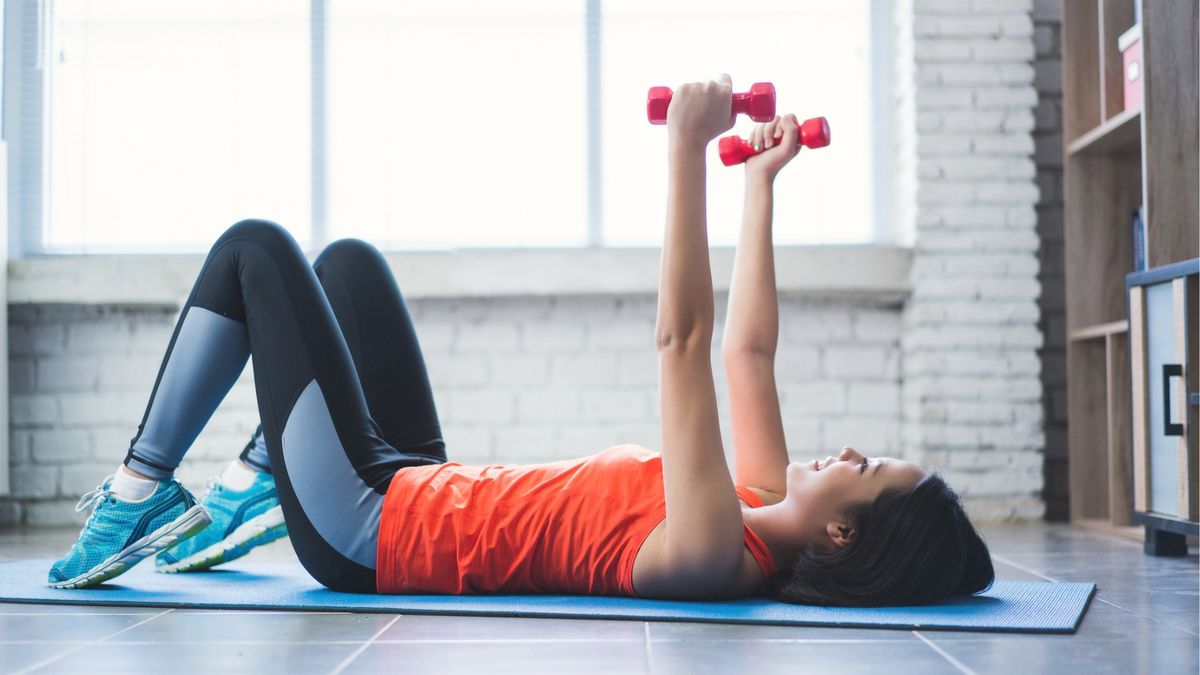


Introduction to Home Workouts
In recent years, the practice of exercising at home has gained significant traction, particularly among beginners seeking to enhance their fitness levels. Home workouts offer a unique blend of convenience, cost-effectiveness, and flexibility, making them an attractive option for those eager to start their fitness journey.
One of the most significant benefits of exercising at home is the convenience it provides. Individuals can engage in workouts at any time that suits their schedules, eliminating the time spent commuting to a gym. This flexibility allows beginners to integrate physical activity seamlessly into their day, whether it’s early in the morning or late at night.
Cost is another crucial factor that makes home workouts appealing. Gym memberships can be expensive, and many beginners may feel hesitant to invest money into something unfamiliar. By choosing to exercise at home, individuals can access a variety of workout routines without incurring ongoing costs. There are countless free online resources available, including video tutorials and workout plans, which enable beginners to start exercising without making any financial commitments.
Furthermore, home workouts cater to individual preferences and comfort levels. Beginners often feel more at ease practicing in a familiar environment rather than a bustling gym setting. This comfort can lead to increased motivation and adherence to a workout routine.
Ultimately, home workouts provide an accessible and practical solution for beginners looking to establish an exercise habit. By offering a tailored approach to fitness, the prospect of enhancing one’s well-being becomes not only achievable but also enjoyable. As individuals embark on this journey, the foundation laid at home can pave the way for a lifelong dedication to health and fitness.
Safety First: Preparing for Your Workout
Before embarking on any exercise program at home, it is imperative to prioritize safety to minimize the risk of injury. One of the first steps in ensuring a safe workout environment is performing a proper warm-up. A warm-up session typically lasts around 5 to 10 minutes and should include dynamic stretches or light cardio activities. This process helps to increase blood flow to your muscles and prepare your body for the more demanding movements to come. Neglecting this essential step can leave you prone to strains or sprains.
In addition to warming up, choosing the right workout gear plays a crucial role in maintaining safety during exercise. Invest in comfortable, supportive footwear that provides adequate traction to prevent slips and falls. Clothing should be breathable and allow for a full range of motion, ensuring that it does not impede your performance. Using appropriate equipment, such as exercise mats for floor exercises, can also contribute to avoiding injuries during workouts.
Creating a safe workout environment is another vital element to consider. Ensure that your chosen exercise space is free of clutter and any obstacles that could lead to accidents. Check that the area is well-lit, and if you are utilizing exercise equipment, ensure it is in good condition and properly set up. If you are doing exercises that require balance or coordination, such as yoga or Pilates, having a non-slip surface can enhance safety and performance.
Lastly, always listen to your body. Start slowly and gradually increase the intensity of your workouts as you become more comfortable. If you experience pain or discomfort during exercise, it’s essential to stop and reassess your technique or consult with a fitness professional. By taking these precautions, you can significantly reduce the risk of injuries and enjoy a safe and effective exercise experience at home.
Essential Bodyweight Exercises for Beginners
Bodyweight exercises are a foundational element of fitness, particularly beneficial for beginners aiming to improve their strength and endurance without the need for gym equipment. These exercises leverage one’s own body weight for resistance, making them accessible and versatile.
One of the most recognized bodyweight exercises is the push-up. This compound movement primarily targets the chest, shoulders, and triceps, while also engaging core muscles. Beginners can start by performing push-ups from their knees or against a wall, gradually working their way up to a full push-up as their strength increases.
Squats are another essential bodyweight exercise that effectively builds strength in the lower body. They primarily engage the quadriceps, hamstrings, and glutes. To perform a squat, stand with feet shoulder-width apart, bend the knees, and lower the body as if sitting back into a chair, ensuring the knees do not extend beyond the toes. This exercise can easily be modified for beginners by limiting the depth of the squat.
Lunges also play a crucial role in bodyweight training, focusing on the legs while enhancing balance and coordination. To execute a lunge, step forward with one leg and lower the hips until both knees are bent at about a 90-degree angle. Alternating legs allows for a comprehensive workout targeting every major muscle group in the legs.
Lastly, the plank is paramount for developing core strength. This isometric exercise involves holding a position similar to a push-up, but with an emphasis on maintaining a straight line from head to heels. Beginners can start by holding the position for 10-20 seconds and increase the duration as they become more comfortable.
Incorporating these bodyweight exercises into a home workout routine can substantially aid beginners in building a strong fitness foundation, promoting overall health and well-being without the need for specialized equipment.
Incorporating Cardio into Your Routine
For beginners looking to improve their cardiovascular health, incorporating cardio exercises into a home workout routine can be highly beneficial. Engaging in physical activities that elevate the heart rate is essential for enhancing endurance and overall fitness. Fortunately, several easy-to-perform cardio exercises are ideal for individuals starting their fitness journey.
One of the simplest yet effective exercises for beginners is the jumping jack. This full-body workout moves the arms and legs in a rhythmic manner, helping to increase heart rate and burn calories. To perform a jumping jack, begin by standing upright with your feet together and arms at your sides. As you jump, spread your legs shoulder-width apart while raising your arms overhead, and then return to the starting position. This exercise can be easily adjusted in intensity and duration based on fitness levels.
Another beginner-friendly option is running in place. This exercise mimics the motion of running but without the need for expansive space or special equipment. Start by standing tall and, gently, lift your knees alternately as you jog on the spot. To increase the challenge, you can incorporate arm movements or elevate your knees higher. Running in place is particularly effective for getting the heart rate up quickly while being accessible to all skill levels.
Lastly, high knees serve as an excellent cardio workout that also targets the core and lower body. To execute high knees, stand with your feet hip-width apart and alternately raise your knees to hip height, all while engaging your core. This fast-paced motion can be performed for short bursts, providing an effective cardiovascular workout without the necessity of any equipment.
These beginner-friendly cardio exercises are excellent options for anyone looking to enhance their cardiovascular fitness in a home environment. By incorporating them into your routine, you can create a healthier, more active lifestyle.
Strength Training Basics at Home
Strength training is a crucial component of any fitness regimen, especially for beginners who aim to enhance their overall health. Engaging in strength training not only builds muscle mass but also improves bone density and metabolic function, which can significantly benefit weight management and overall well-being. For those starting at home, there are several effective exercises that can be performed using everyday household items as weights.
One of the simplest strength exercises involves using water bottles filled with water or sand. These can serve as effective weights for exercises such as bicep curls and shoulder presses. To perform a bicep curl, hold a water bottle in each hand, keep your elbows close to your torso, and lift the weights towards your shoulders, then lower back down. This targets the bicep muscles effectively.
Another versatile exercise is the squat. This can be enhanced by holding a backpack filled with books or other heavy items to add resistance. To execute a squat, stand with your feet shoulder-width apart, lower your body down as if sitting in a chair while keeping your back straight, and then return to standing. This not only strengthens the legs but also engages the core muscles.
Additionally, push-ups are a fundamental strength-building exercise that can be modified for beginners. Start with your knees on the ground for an easier variation. As your strength increases, progress to a traditional push-up position. To further enhance this exercise, you might place a small backpack between your shoulder blades for added weight.
In conclusion, utilizing simple household items for strength training can significantly enhance a beginner’s fitness journey. These exercises are not only accessible but also effective, proving that engaging in strength training at home is both feasible and rewarding.
Creating a Balanced Workout Routine
Designing a balanced workout routine is essential for beginners who aim to improve overall fitness. An effective approach combines strength training, cardiovascular exercises, and flexibility workouts to provide comprehensive benefits. These elements work together to not only increase muscle mass and endurance but also to enhance mobility and reduce injury risk.
When starting, it is advisable to engage in strength training exercises two to three times per week. This can involve using bodyweight exercises such as push-ups, squats, and lunges to strengthen major muscle groups. As beginners progress, they can incorporate weights or resistance bands to further challenge themselves. It’s crucial to allow at least one day of rest in between strength training sessions to promote muscle recovery and growth.
Cardio workouts should complement strength training to keep the heart healthy and improve aerobic capacity. Beginners can start with moderate-intensity activities, such as brisk walking, cycling, or dancing, for at least 150 minutes weekly. This can be broken down into manageable sessions, making it easier to fit into a daily routine. For increased effectiveness, try mixing different cardio activities each week to prevent boredom and engage various muscle groups.
Flexibility exercises, such as yoga or static stretching, should also be included at least two to three times a week. These activities enhance range of motion, promote relaxation, and reduce muscle tightness. Prioritizing flexibility can lead to better performance in other workout areas.
Ultimately, a well-rounded fitness plan encourages consistency and progress over time. Individuals should listen to their bodies and allow adaptations as fitness levels improve, gradually increasing the intensity or duration of workouts. Mixing these distinct types of exercises contributes to a holistic approach to health that encapsulates body, mind, and emotional wellness.
The Importance of Stretching and Flexibility
Stretching plays a crucial role in any fitness regimen, particularly for beginners who are just starting to engage in physical activities. It not only helps in enhancing flexibility, which is essential for improving movement and performance, but also aids in preventing injuries during workouts. By incorporating stretching into your routine, you allow your muscles to adapt more easily to the stresses placed on them, enabling a smoother transition into more advanced exercises.
Moreover, stretching post-exercise can alleviate muscle soreness and reduce the risk of stiffness. After a workout, muscles are often tight and may experience tension, and stretching serves to counteract these effects. Simple stretches, such as the hamstring stretch, quadriceps stretch, and shoulder stretch, can help release tension and promote better recovery. These basic movements can be performed easily at home without any special equipment, making them accessible to beginners.
One effective stretching routine to consider includes the following exercises: 1. **Hamstring Stretch**: Sit on the floor with one leg extended and the other leg bent. Reach toward your toes on the extended leg while keeping your back straight. Hold for 15-30 seconds and repeat on the opposite side. 2. **Quadriceps Stretch**: Stand and pull one foot toward your glutes, holding it with your hand. Keep your knees together and hips tucked under for optimal stretch. Hold for 15-30 seconds and switch legs. 3. **Shoulder Stretch**: Reach one arm across your body, holding it with your opposite hand. Hold for 15-30 seconds, feeling the stretch in your shoulder. Switch sides. These basic stretching exercises can significantly improve flexibility and mobility, making them an essential part of your fitness journey.
Tracking Progress and Staying Motivated
Staying committed to a fitness regimen can be challenging, particularly for beginners exercising at home. One effective strategy is to actively track your progress. This provides a quantifiable measure of your effort and growth, which can enhance both motivation and accountability. Beginners might find it helpful to maintain a fitness journal, where they can log workout sessions, durations, and personal reflections on each exercise. Writing about your experiences not only solidifies your achievements but also allows for self-assessment.
In addition to journaling, utilizing fitness apps can significantly streamline the process of tracking progress. Many applications offer features such as workout timers, calorie counters, and even detailed exercise libraries. For beginners, integrating a fitness app can alleviate the guesswork associated with tracking workouts. Furthermore, the visual representation of progress, such as graphs or charts, can provide satisfying feedback, serving as a motivational tool to push through hurdles.
Setting realistic and achievable goals is another vital component in maintaining long-term motivation. Instead of focusing solely on weight loss or muscle gain, beginners should establish specific increments, such as completing a set number of workouts each week or gradually increasing the duration of each exercise session. These smaller, attainable goals can cultivate a sense of accomplishment, thereby encouraging individuals to remain consistent with their routines.
Adopting a combination of methods for tracking progress—whether through journaling, fitness apps, or structured goal-setting—encourages a holistic approach to fitness. By regularly evaluating personal achievements and adapting strategies as needed, beginners can nurture their motivation, making the journey of exercising at home more rewarding and sustainable.
Conclusion and Final Tips for Success
Embarking on a home exercise journey can be a rewarding experience, particularly for beginners. Throughout this guide, we have explored a variety of effective exercises that can be performed within the comfort of your home. From bodyweight routines to the integration of resistance bands and light weights, the possibilities are vast and adaptable to individual needs.
As a beginner, it is crucial to set realistic goals that will not only keep you motivated but also allow for incremental progress. Remember to start slow and gradually increase the intensity or duration of your workouts. This approach minimizes the risk of injury and fosters a sustainable exercise habit. It is also beneficial to incorporate different types of exercises into your routine, focusing on strength, flexibility, and cardiovascular fitness. This well-rounded methodology ensures that the body develops comprehensively.
Consistency is key in any fitness regimen. Establishing a specific time for your workouts can help you build a habit, making it simpler to stay committed. Tracking your progress in terms of repetitions, sets, and feelings of wellness can further enhance motivation. Consider combining your workouts with accountability partners or joining online fitness communities, as social encouragement often leads to improved adherence.
In conclusion, finding joy in the process of exercising at home plays a vital role in your success. Celebrate small victories and focus on how exercise makes you feel, both physically and mentally. By adhering to these final tips and maintaining a positive mindset, you are well on your way to achieving your fitness goals. Enjoy the journey toward better health and wellness!