
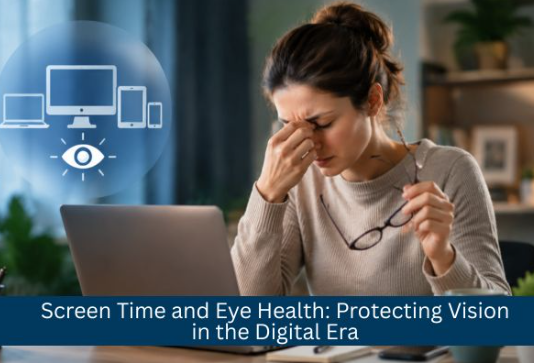


Understanding Screen Time and Eye Strain
In today’s digital age, the prevalence of screen time has increased significantly across all demographics. Whether through computers, tablets, or smartphones, individuals spend numerous hours engaged with screens daily. This extended exposure has brought about concerns, particularly regarding its impact on eye health. One of the most commonly recognized effects of prolonged screen time is a condition known as digital eye strain, often referred to as computer vision syndrome.
Digital eye strain manifests in various symptoms that can detrimentally affect an individual’s comfort and productivity. Common issues associated with this condition include dryness of the eyes, visual fatigue, and even episodes of blurred vision. These symptoms arise as the eyes encounter screens that emit blue light, which may disrupt natural visual processes. Furthermore, the continuous focus on screens can lead to a decreased blink rate, exacerbating dryness and discomfort.
The importance of recognizing and addressing eye strain cannot be understated in an era dominated by screens. As we rely more on digital devices for both work and leisure, the risk of developing eye strain increases correspondingly. Incorporating regular breaks using the 20-20-20 rule can be beneficial; this involves looking at something 20 feet away for at least 20 seconds every 20 minutes of screen time. Additionally, ensuring proper lighting and ergonomics while using screens contributes positively to eye health.
To summarize, understanding the connection between screen time and eye strain is crucial for anyone who spends significant amounts of time in front of digital devices. Addressing symptoms early and adopting protective strategies can mitigate the adverse effects of prolonged exposure, sustaining both comfort and productivity in daily life.
The 20-20-20 Rule: Simple Yet Effective
The 20-20-20 rule is a widely recommended technique by eye care professionals aimed at alleviating the symptoms of digital eye strain. This rule suggests that for every 20 minutes spent looking at a screen, individuals should take a break by looking at something 20 feet away for at least 20 seconds. The rationale behind this practice lies in its ability to reduce eye fatigue and discomfort commonly associated with prolonged screen use.
Incorporating the 20-20-20 rule into daily routines can have several benefits for eye health. By shifting focus to a distant object, individuals allow their eye muscles to relax, which can help counteract the strain induced by constant near-vision tasks. This technique is particularly beneficial for those who spend extended hours in front of computers, tablets, or smartphones, as it helps prevent symptoms such as dryness, blurred vision, and headaches.
To effectively implement the 20-20-20 rule, practitioners recommend setting a timer or using applications designed to remind users to take breaks. It can be as simple as placing sticky notes on computer monitors or setting alarms on mobile devices to ensure adherence to this practice. Additionally, creating a comfortable and ergonomically sound workspace can enhance the effectiveness of this rule. Proper lighting and screen positioning can ease the visual burden and complement the benefits gained from adhering to the 20-20-20 guideline.
In a work environment, employers can encourage the adoption of this rule by incorporating it into training sessions about eye care. Simple adjustments, such as regular reminders or scheduled break times, can make a significant difference in the overall well-being of employees, promoting not just their eye health but also productivity. Overall, practicing the 20-20-20 rule is an easy yet impactful strategy to safeguard eye health during prolonged screen time.
Importance of Proper Lighting and Screen Positioning
Proper lighting and screen positioning play a crucial role in preventing eye strain during extended periods of screen use. Poor lighting can lead to discomfort, impacting both productivity and overall eye health. By ensuring adequate lighting in the workspace, individuals can significantly reduce the risk of eye fatigue. Natural light is often the best option, as it provides a soft glow that minimizes glare. However, when natural light is not sufficient or available, using adjustable task lighting can help create an optimal environment for screen viewing.
Screen position is equally important in safeguarding eye health. It is essential to position the screen at an appropriate distance, ideally around an arm’s length away, to minimize visual strain. The screen should also be placed slightly below eye level, ensuring that the gaze is directed downward, which can help alleviate pressure on the eyes and neck. Furthermore, adjusting the tilt of the screen can help reduce reflections and glare from overhead lights or windows, thereby enhancing overall visibility.
To optimize workspace setup, consider utilizing anti-glare screens or filters that can further diminish the effects of harsh lighting. Regularly adjusting the brightness settings of your screen in accordance with environmental lighting is another practical tip. A common recommendation is to avoid overly bright screens in dark environments, which can lead to stark contrasts that strain the eyes. Additionally, incorporating breaks during screen time—often referred to as the 20-20-20 rule—can provide further relief: every 20 minutes, look at something 20 feet away for 20 seconds. Overall, being mindful of the lighting conditions and screen positioning not only enhances visual comfort but also contributes to long-term eye wellness.
Utilizing Blue Light Filters
In an era where screen time has drastically increased due to professional, recreational, and educational demands, understanding the effects of blue light on eye health has become crucial. Blue light, emitted by a variety of digital devices including smartphones, tablets, and computer screens, can lead to discomfort for many users, including symptoms of eye strain, dryness, and fatigue. To mitigate these effects, blue light filters have emerged as a popular solution, designed to reduce exposure to high-energy visible (HEV) light.
Blue light filters can be categorized into two main types: software-based filters and physical eyewear, each delivering benefits in their own right. Software solutions, available as applications or built-in settings on devices, alter the color temperature of the screen. By shifting the display towards warmer tones, these filters can reduce the quantity of blue light emitted, facilitating a more comfortable viewing experience, especially during evening hours or in low-light conditions.
Meanwhile, blue light blocking glasses have gained prominence as an alternative method to safeguard eye health. These specialized lenses are engineered to absorb and reflect a portion of blue light, effectively minimizing the amount that reaches the eyes. Users often report a sense of relief when using these glasses, particularly during extended periods of computer work. Moreover, many modern designs of these glasses feature coatings that reduce glare and enhance comfort further.
It is important to note that while blue light filtering options may alleviate discomfort, they are not a comprehensive solution for eye health. Users should still adhere to the 20-20-20 rule, which advises looking at something 20 feet away for at least 20 seconds after every 20 minutes of screen time. Incorporating regular eye exams into one’s routine can also help identify and address any emerging issues related to prolonged screen exposure. Ultimately, by utilizing blue light filters and integrating healthy viewing practices, individuals can significantly improve their comfort and eye health amidst increased screen time.
Regular Eye Breaks: Benefits and Techniques
In a technology-driven era, prolonged screen time has become a common aspect of daily life, leading to increased instances of eye strain and fatigue. To alleviate these issues, it is crucial to take regular eye breaks, which serve to refresh and relax the visual system. Engaging in consistent breaks not only helps to alleviate discomfort but also promotes better overall eye health.
One effective technique is the 20-20-20 rule. This guideline suggests that for every 20 minutes spent looking at a screen, individuals should take a break by gazing at something 20 feet away for at least 20 seconds. This simple yet effective practice helps to reduce digital eye strain and allows the eye muscles to relax. Furthermore, implementing this rule on a routine basis can greatly contribute to maintaining eye comfort throughout the day.
In addition to the 20-20-20 technique, stretching and physical movement can enhance the benefits of breaks. Standing up, stretching your neck and shoulders, and walking around can improve circulation and relieve tension that may build up during extended periods of screen time. Such physical activity, combined with eye breaks, contributes to both mental and visual relief.
Hydration also plays an essential role in maintaining eye health. During screen time, people often forget to drink enough water, leading to dehydration, which can cause dry eyes. Incorporating short hydration breaks into your routine will not only benefit your overall health but also help maintain moisture levels in the eyes, reducing the likelihood of discomfort.
Lastly, engaging in activities away from the screen during breaks can offer comprehensive rest for the eyes. Activities like reading a physical book, doing a puzzle, or even meditating can provide a holistic approach to eye care. By allowing your eyes to focus on different distances and tasks, you promote a healthy balance and prevent fatigue.
In conclusion, regular eye breaks are essential for sustaining optimal eye health during prolonged screen time. By implementing the 20-20-20 rule, incorporating physical activity, staying hydrated, and partaking in alternative activities, individuals can significantly reduce the risk of eye strain, ensuring the well-being of their eyes.”}
Staying Hydrated for Optimal Eye Function
Maintaining proper hydration is a crucial aspect of eye health, especially in environments where prolonged screen time is common. Dehydration can significantly affect the well-being of our eyes, leading to symptoms such as dryness, irritation, and discomfort. Eyes require a sufficient amount of moisture to function optimally, and a lack of hydration can disrupt this delicate balance.
When individuals engage in extended periods of screen usage, they tend to blink less frequently. This decreased blink rate can exacerbate dryness, as blinking spreads tears across the surface of the eyes, providing necessary lubrication. As a result, maintaining adequate fluid intake becomes increasingly vital. Drinking sufficient amounts of water throughout the day helps ensure that the body, including the eyes, remains properly hydrated.
To enhance hydration levels, it is beneficial to establish a routine that incorporates regular water intake. For instance, setting reminders to drink water every hour can be an effective way to avoid habitual neglect of hydration. Additionally, keeping a water bottle nearby can serve as a visual cue, encouraging individuals to sip more frequently. Incorporating water-rich foods into your diet, such as fruits and vegetables, can also contribute to overall hydration. Foods like cucumbers, oranges, and strawberries not only provide significant water content but also boast essential nutrients that support ocular health.
Moreover, individuals can enhance their environment to support eye comfort during screen time. Utilizing humidifiers can counteract the dry air that often accompanies prolonged indoor periods, further assisting in maintaining eye moisture. Regular breaks from screens, such as adhering to the 20-20-20 rule, where one takes a 20-second break to look at something 20 feet away every 20 minutes, can also help reduce eye strain and dryness.
By prioritizing hydration and adopting practical strategies to increase water intake, individuals can effectively combat the negative effects of dehydration on eye health. These measures not only contribute to optimal eye function but also promote overall wellness for those who spend significant amounts of time in front of screens.
Proper Nutrition for Eye Health
Maintaining optimal eye health is significantly influenced by a well-balanced diet. Various nutrients play a vital role in supporting vision, and incorporating specific foods into daily meals can contribute positively to eye functionality and overall wellness.
One of the most important nutrients for eye health is omega-3 fatty acids, which are essential for maintaining the integrity of the retinal structure and functionality. These fatty acids, commonly found in fatty fish such as salmon and mackerel, help to reduce the risk of age-related macular degeneration (AMD) and dry eye syndrome. Including these rich sources in your diet at least twice a week can offer substantial benefits.
Additionally, vitamins A, C, and E are crucial antioxidants that combat oxidative stress and protect the eyes from damage caused by free radicals. Vitamin A, found in foods such as carrots, sweet potatoes, and spinach, is vital for maintaining healthy vision; it plays an integral role in the functioning of the retina. On the other hand, vitamin C, present in citrus fruits, strawberries, and bell peppers, supports the health of blood vessels in the eyes. Vitamin E, which can be sourced from nuts, seeds, and green leafy vegetables, also contributes to a reduced risk of cataracts.
Leafy greens, including kale and collard greens, are especially beneficial due to their high levels of lutein and zeaxanthin, carotenoids that may help filter harmful blue light and reduce the risk of chronic eye diseases. Incorporating a variety of colorful fruits and vegetables fosters an environment rich in essential nutrients for optimal eye support.
In essence, a diet that emphasizes omega-3 fatty acids along with vitamins A, C, and E—as well as plenty of colorful vegetables—provides a robust foundation for maintaining eye health during periods of prolonged screen time. By consciously selecting nutrient-dense foods, individuals can support long-term vision health and reduce the potential negative impacts of excessive screen exposure.
Eye Exercises to Alleviate Strain
As digital device usage continues to rise, eye strain has become a common concern among countless individuals. Engaging in eye exercises can be a beneficial strategy for alleviating this discomfort and enhancing overall eye comfort. These exercises are designed to reduce fatigue and improve focus throughout the day.
One effective exercise is the 20-20-20 rule. This technique involves taking a break every 20 minutes of screen time to look at something 20 feet away for at least 20 seconds. This practice helps relax the eye muscles, allowing them to recover from prolonged focusing on screens.
Another beneficial exercise is the palming technique. To perform this, one should rub their hands together to generate warmth, then gently cup the palms over the closed eyes for a few minutes. This method not only provides warmth and darkness to the eyes but also encourages relaxation, which is essential in reducing eye strain.
The figure-eight exercise can also be helpful. Imagine a large figure eight about 10 feet in front of you and trace it with your eyes. This dynamic movement engages the eye muscles, promoting flexibility and coordination, which can combat the stiffness that arises from extended screen use.
Focus change exercises are also effective. Hold your finger a few inches away from your face and focus on it for a few seconds. Then, shift your gaze to an object in the distance. This switching between distances helps improve focus and comfort, especially during lengthy sessions of computer work.
Incorporating these eye exercises throughout the day can significantly alleviate strain experienced from prolonged screen time. It is essential to integrate them into daily routines to ensure a comprehensive approach to eye health. By promoting eye comfort through regular practice, individuals can enhance their overall well-being and productivity while using digital devices.
When to Seek Professional Help
It is essential to recognize the signs that indicate when it is necessary to consult an eye care professional. Various symptoms may arise during or after prolonged screen exposure, and being aware of these can aid in the timely identification of potential issues with eye health. Common indicators that warrant an appointment with an eye doctor include persistent visual discomfort, frequent headaches, or increased sensitivity to light. If you find yourself squinting to see better or experiencing blurred vision—especially after screen usage—it may be a signal that your eyes require professional evaluation.
Additionally, symptoms like dry eyes or excessive watering can be significant and should not be overlooked. Such conditions may indicate the need for lubricating eye drops or other therapeutic measures that an eye care professional can prescribe. If you notice a persistent change in your vision, such as difficulty in focusing or seeing objects clearly, this could point to underlying issues that necessitate immediate attention from a qualified eye specialist.
Regular eye examinations also play a crucial role in maintaining optimal vision and overall eye health. These check-ups allow eye care professionals to monitor changes that might not yet be symptomatic. Early detection of conditions such as glaucoma, macular degeneration, or diabetic retinopathy can be critical in preventing more severe problems down the line. It is recommended that individuals, especially those spending extended hours in front of screens, schedule eye exams annually or biennially, depending on their specific needs and risk factors.
In conclusion, being mindful of the symptoms that require professional attention is vital for safeguarding eye health. Recognizing when to seek help and making it a practice to undergo regular check-ups can lead to better outcomes and sustained well-being of the eyes in an increasingly digital world.