
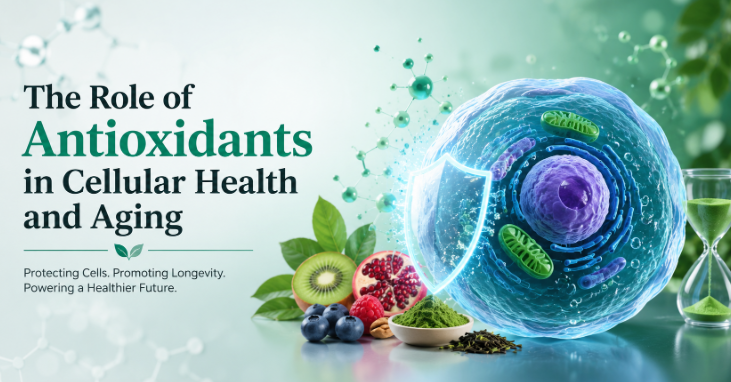


Introduction to Antioxidants
Antioxidants are naturally occurring compounds that play a crucial role in maintaining cellular health. They are characterized by their ability to neutralize free radicals, which are unstable molecules that can cause oxidative stress and damage to various cellular components, including DNA, proteins, and lipids. The chemical nature of antioxidants allows them to donate electrons to free radicals, thereby stabilizing them and preventing further cellular damage. This process is vital in preventing a variety of diseases and may even slow the aging process.
Antioxidants differ from other compounds in terms of their specific protective function. While some substances may possess similar properties, antioxidants are particularly effective at minimizing oxidative stress due to their unique structures. For example, vitamins A, C, and E, as well as compounds like flavonoids, are renowned antioxidants found in various foods. These nutrients not only serve as essential dietary components but also help mitigate the damaging effects of environmental pollutants, ultraviolet light, and metabolic processes that generate free radicals.
The importance of antioxidants in health is underscored by their role in combating oxidative stress, which is associated with numerous chronic conditions, including cardiovascular disease, cancer, and neurodegenerative disorders. Moreover, research suggests that a diet rich in antioxidants can promote longevity and enhance overall well-being. Consumption of fruits, vegetables, nuts, and whole grains is recommended for individuals seeking to increase their antioxidant intake, as these foods are abundant sources of various antioxidant compounds.
Understanding Oxidative Stress
Oxidative stress is a fundamental concept in the field of cellular health, characterized by an imbalance between the production of reactive oxygen species (ROS) and the body’s ability to counteract their harmful effects. Under normal physiological conditions, ROS play essential roles in various cellular functions, including signaling and metabolic processes. However, excessive accumulation of these free radicals can lead to significant cellular damage, creating a state of oxidative stress.
Several factors can contribute to the rise in oxidative stress levels. Environmental pollutants, radiation, and toxic substances are common sources that induce the generation of ROS. Additionally, lifestyle choices such as poor diet, smoking, and excessive alcohol consumption can exacerbate oxidative damage. Furthermore, certain medical conditions such as diabetes, cardiovascular diseases, and chronic inflammation have been linked to increased oxidative stress, highlighting its role in the pathophysiology of these disorders.
The implications of oxidative stress for cellular health are profound. On a microscale, it can damage proteins, lipids, and DNA, leading to compromised cellular function and the premature onset of apoptosis (programmed cell death). On a macroscale, chronic oxidative stress is implicated in the aging process, as cells lose their ability to repair damage efficiently over time. This gradual decline in cellular integrity is associated with age-related diseases, including neurodegenerative disorders and cancer.
Recognizing the role of oxidative stress in health and aging is crucial for developing effective strategies aimed at enhancing cellular resilience. Understanding this dynamic interplay opens avenues for interventions that may mitigate oxidative damage, such as dietary modifications and antioxidant supplementation.
Types of Antioxidants
Antioxidants play a crucial role in protecting cellular health by mitigating oxidative stress caused by free radicals. These compounds can be broadly classified into two categories: enzymatic and non-enzymatic antioxidants. Each category encompasses various types of antioxidants that have specific functions and sources.
Enzymatic antioxidants are produced naturally by the body and help to neutralize free radicals. Key examples include superoxide dismutase (SOD), catalase, and glutathione peroxidase. These enzymes work synergistically to convert harmful byproducts of metabolism into less harmful substances, thereby maintaining cellular integrity. The body’s capacity to produce these antioxidants may decline with age, which underscores the importance of dietary sources that can bolster their levels.
On the other hand, non-enzymatic antioxidants can be obtained through diet and include a wide range of vitamins and phytochemicals. Vitamin C, for instance, is a well-known antioxidant found abundantly in fruits like oranges and strawberries. It plays a vital role in preventing oxidative damage and supporting overall immune function. Vitamin E, another important non-enzymatic antioxidant, is primarily found in nuts, seeds, and green leafy vegetables and is essential for protecting cellular membranes from oxidative destruction.
Flavonoids and carotenoids are other significant classes of non-enzymatic antioxidants sourced from plant-based foods. Flavonoids are ubiquitous in fruits, vegetables, teas, and red wine, exhibiting powerful anti-inflammatory properties. Carotenoids, such as beta-carotene found in carrots and lutein in green leafy vegetables, not only contribute to antioxidant defense but also enhance overall health.
In summary, understanding the different types of antioxidants, their sources, and mechanisms can provide insight into their vital role in cellular health and aging. By incorporating a balanced diet rich in these compounds, individuals can strengthen their antioxidant defenses and promote longevity.
Mechanisms of Action
Antioxidants play a pivotal role in maintaining cellular health, primarily through their ability to neutralize free radicals. Free radicals are highly reactive molecules that can cause oxidative stress, leading to cellular damage and contributing to aging and various diseases. The biochemical mechanism by which antioxidants function involves several pathways that mitigate the harmful effects of these free radicals.
One of the principal mechanisms of action for antioxidants is their ability to donate electrons to free radicals. This process stabilizes the free radicals, effectively neutralizing their potential for damage. For instance, vitamins C and E are well-known antioxidants that possess the capability to donate electrons, thus terminating the chain reactions initiated by free radicals. This not only protects cellular components, such as lipids, proteins, and DNA, but also enhances cellular repair mechanisms.
Moreover, antioxidants such as glutathione and superoxide dismutase (SOD) play a role in enzymatic processes that convert harmful radicals into less toxic forms. Glutathione, a tripeptide found within cells, functions as a critical antioxidant by recycling other antioxidants and maintaining cellular redox balance. Additionally, SOD catalyzes the dismutation of superoxide radicals into hydrogen peroxide, which is further neutralized by other antioxidants. This collaborative network of antioxidants reflects an intricate system dedicated to combatting oxidative stress at the cellular level.
These mechanisms underscore the importance of antioxidants in cellular health and the aging process. By safeguarding cells from oxidative damage, antioxidants contribute to the maintenance of cellular integrity and functionality. Consequently, understanding these mechanisms provides insight into why dietary intake of antioxidants is advocated for promoting long-term health and longevity.
The Role of Antioxidants in Aging
Antioxidants play a crucial role in the aging process, significantly influencing cellular health and longevity. As individuals age, their bodies are increasingly subjected to oxidative stress, a condition resulting from the accumulation of free radicals—unstable molecules that can damage cells and lead to various age-related health issues. Antioxidants act as protectors against this oxidative damage by neutralizing free radicals, thereby reducing the overall stress on cellular structures.
Several studies have documented the relationship between antioxidant levels and aging. A diet rich in antioxidants, which can be found in fruits, vegetables, nuts, and whole grains, has been associated with a reduced risk of chronic diseases commonly linked to aging, such as cardiovascular diseases, neurodegenerative disorders, and certain types of cancer. This protective effect is largely due to the ability of antioxidants to fortify cellular defenses and enhance resilience against oxidative stress.
Moreover, antioxidants contribute to the maintenance of cellular function over time. For example, specific antioxidants like vitamin C and E not only neutralize free radicals but also play roles in collagen synthesis and immune function. These factors are vital in combating the visible signs of aging, such as skin elasticity loss and decreased immunity. Additionally, the regular intake of antioxidant-rich foods has been linked to improvements in brain health, helping to maintain cognitive function as one ages.
In conclusion, the role of antioxidants in the aging process is indisputable. They not only mitigate the effects of oxidative stress but also promote longevity and enhance life quality by supporting overall health. As research continues to evolve, the potential benefits of antioxidants will likely become increasingly recognized as a key component of aging gracefully.
Scientific Evidence and Studies
Numerous studies have been conducted to examine the role of antioxidants in promoting cellular health and mitigating the effects of aging. Antioxidants are compounds that neutralize free radicals, which are unstable molecules that can cause oxidative damage to cells. This damage is associated with various age-related diseases and overall aging processes. One particularly enlightening study published in the journal Nature suggested that dietary antioxidants, such as vitamins C and E, can significantly reduce oxidative stress in cellular environments, thereby promoting better health outcomes.
Another investigation reported in Free Radical Biology and Medicine highlighted the impact of antioxidants on cellular longevity. Researchers observed that model organisms treated with antioxidant-rich diets displayed extended lifespans compared to their counterparts. This research indirectly points to the hypothesis that a diet high in antioxidants may lead to improved cellular function and longevity. Despite the promising findings, the results have sparked ongoing debates among scientists regarding the efficacy and necessity of antioxidant supplementation in humans.
Furthermore, a meta-analysis conducted by a team in the Journal of Nutrition aimed to clarify the connection between antioxidant intake and the risk of age-related diseases, such as cardiovascular disease and neurodegenerative disorders. While the study indicated a correlation between high antioxidant consumption and lower disease risk, it emphasized the need for more comprehensive clinical trials to establish causal relationships. These studies underline the complexity of the antioxidants’ role in cellular health, indicating that while there is promising evidence supporting their benefits, further research is crucial to fully understand their impact on aging.
Dietary Sources of Antioxidants
Antioxidants play a crucial role in maintaining cellular health by combating oxidative stress and reducing the risk of chronic diseases. A diet rich in antioxidants can be sourced from a wide variety of foods, notably from fruits, vegetables, nuts, and whole grains. These foods are not only beneficial for health but are also associated with anti-aging effects due to their ability to neutralize free radicals.
Fruits are among the most potent sources of antioxidants. Berries, such as blueberries, strawberries, and blackberries, are particularly high in flavonoids, which are well-known for their antioxidant properties. Other fruits like apples, grapes, and oranges also contribute significant amounts of antioxidants, such as vitamin C and polyphenols, which further enhance cellular protection.
Vegetables also provide an array of antioxidants essential for cellular health. Leafy greens like spinach and kale are loaded with antioxidants including vitamins A, C, and E, alongside beta-carotene. Cruciferous vegetables, such as broccoli and Brussels sprouts, contain powerful compounds that display antioxidant effects as well. Incorporating a variety of colored vegetables can enhance the intake of different antioxidants, each serving distinct health benefits.
In addition to fruits and vegetables, nuts serve as concentrated sources of antioxidants, especially walnuts and pecans, which contain significant amounts of vitamin E. These healthy fats not only provide antioxidants but also support overall cognitive function. Whole grains, including oats, barley, and brown rice, can also contribute valuable antioxidants and support metabolic health.
Incorporating a diverse range of these antioxidant-rich foods into one’s diet can significantly enhance health outcomes, promoting cellular resilience and longevity. It is evident that a balanced diet emphasizing these sources is vital for sustaining optimal health and combating the effects of aging.
Antioxidants in Supplement Form
Antioxidants are crucial for maintaining cellular health, and they can be found both in dietary sources and supplement forms. The role of antioxidant supplements has garnered significant attention, with many individuals seeking to enhance their diets and provide their bodies with additional protective compounds. These supplements typically include vitamins C and E, selenium, flavonoids, and coenzyme Q10, which are recognized for their ability to neutralize free radicals and mitigate oxidative stress.
One of the primary advantages of antioxidant supplements is their convenience. They can help individuals meet the recommended daily intake, especially for those who may not incorporate adequate amounts of fruits and vegetables into their diets. Furthermore, certain studies suggest that specific antioxidant supplements may promote overall health and might be beneficial in the prevention of chronic diseases linked to oxidative damage, such as cardiovascular disease and certain forms of cancer.
However, the use of antioxidant supplements is not without potential drawbacks. Some research indicates that excessive intake may interfere with the body’s natural oxidative defense mechanisms, possibly increasing the risk of certain diseases, rather than reducing it. Moreover, the efficacy of supplements can vary considerably based on individual health status, the presence of underlying conditions, and the presence of other dietary factors. Thus, it is essential for individuals to approach supplementation with caution. Consulting with healthcare professionals, particularly a registered dietitian or physician, is recommended to tailor antioxidant intake to personal health needs.
In light of the varying evidence and the potential risks associated with high doses, adopting a balanced diet rich in natural antioxidants remains the most recommended strategy for enhancing cellular health and combating the aging process. The synergy of whole foods, with their additional nutrients, offers comprehensive benefits that supplements alone may not provide.
Conclusion: The Future of Antioxidant Research
In exploring the intricate role of antioxidants in cellular health and the aging process, it becomes evident that these compounds hold significant promise for enhancing longevity and overall well-being. Antioxidants neutralize free radicals, which are unstable molecules that contribute to cellular damage and accelerate aging. By understanding their mechanisms, researchers aim to harness the power of antioxidants not only for disease prevention but also for improving the quality of life as individuals age.
The future of antioxidant research is poised for exciting developments. As scientists delve deeper into the various types of antioxidants, including their sources and bioavailability, the potential for innovative dietary supplements and therapeutic interventions emerges. This research could lead to targeted antioxidant therapies that might mitigate age-related diseases, such as cardiovascular conditions and neurodegenerative disorders. Additionally, personalized medicine approaches may tailor antioxidant treatments to individuals based on their unique genetic makeup and health profiles.
Furthermore, the synergistic effects of combining different antioxidants is an area ripe for exploration. Understanding how antioxidants can work in concert may reveal enhanced protective benefits that have yet to be fully realized. As technologies evolve, researchers will employ advanced methodologies, such as metabolomics and genomics, to provide deeper insights into how antioxidants affect cellular health on a molecular level.
In conclusion, the ongoing study of antioxidants stands at the forefront of advancing our understanding of cellular health and aging. The implications of this research are vast, potentially reshaping our approach to nutrition, health management, and disease prevention. As we look ahead, the integration of antioxidants into daily routines may not only aid in extending lifespan but could also significantly enhance the quality of those years, making antioxidant research a vital subject for continued focus.