
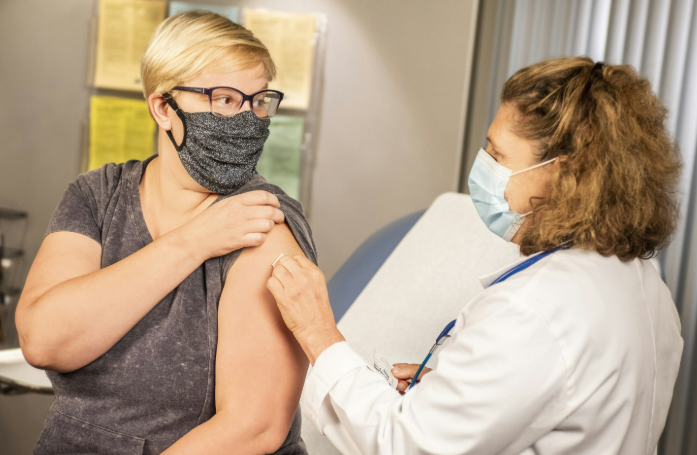


Introduction to Vaccinations
Vaccinations represent a critical advancement in public health, functioning as a preventive measure against various infectious diseases. The practice of immunization dates back centuries, with the earliest forms observed in the late 18th century with Edward Jenner’s smallpox vaccine. Since then, the field of vaccination has evolved significantly, leading to the development of a wide array of vaccines that utilize modern technology and scientific understanding to bolster immunity.
The fundamental principle behind vaccinations lies in the activation of the immune system. By introducing a harmless component or a weakened form of a pathogen into the body, vaccines stimulate the immune response without causing the disease itself. This preparation allows the immune system to recognize and combat the actual pathogen should it be encountered in the future. Such an approach not only protects the vaccinated individual but also contributes to the broader community by fostering herd immunity, thus decreasing the overall prevalence of infectious diseases.
Modern vaccines are made using various technologies, including live-attenuated, inactivated, and subunit vaccines, among others. Live-attenuated vaccines contain live but weakened forms of the virus or bacteria, which can induce a strong immune response. Conversely, inactivated vaccines include killed pathogens, while subunit vaccines consist of purified components of pathogens. Each type of vaccine is designed to evoke a specific immune response tailored to the characteristics of the disease it aims to prevent. As technology continues to advance, new techniques, such as mRNA vaccine development, are gaining prominence, as seen during the COVID-19 pandemic.
In essence, vaccination plays a pivotal role in disease prevention by harnessing the body’s natural defense mechanisms. Through ongoing research and innovation, the vaccination landscape continues to adapt, further enhancing our ability to combat diseases and safeguard public health.
How Vaccination Works
Vaccination is a critical process that prepares the immune system to defend against specific infectious diseases. The underlying biological mechanism of vaccination primarily involves the introduction of antigens, which are substances that provoke an immune response. These antigens, often derived from pathogens such as bacteria or viruses, are usually inactivated or weakened forms of the pathogen, making them harmless to the individual while still able to stimulate an immune response.
Upon vaccination, these antigens are recognized by the immune system as foreign agents. In response, the body produces antibodies, which are proteins specifically designed to neutralize or destroy these pathogens. These antibodies are crucial as they bind to the antigens, preventing the pathogens from causing disease. Furthermore, the primary immune response generated during vaccination causes the production of various immune cells, including memory B cells and T cells. These cells are essential for long-term immunity.
Memory cells play a pivotal role in ensuring that if the vaccinated individual encounters the actual pathogen in the future, their immune system can respond more rapidly and effectively. The immune system retains the information about these antigens, thus enabling it to recognize and combat the pathogen before it can proliferate in the body. This phenomenon is known as immunological memory, and it is what differentiates the vaccinated individual from someone who has not been vaccinated. In conclusion, the intricate processes of antigen recognition, antibody production, and the development of memory cells form the foundational principles of how vaccination operates, ultimately safeguarding individuals against the spread of diseases.
The Importance of Herd Immunity
Herd immunity is a crucial concept in the context of vaccination and public health. It refers to the indirect protection from infectious diseases that occurs when a significant portion of a population becomes immune, either through vaccination or previous infections. When a sufficient number of people in a community are vaccinated, the spread of disease is significantly reduced, which in turn protects those who are unable to receive vaccinations themselves. This includes individuals with certain medical conditions, infants too young for vaccinations, and those who may not respond adequately to vaccines.
The significance of maintaining high vaccination rates cannot be overstated. Vaccination not only protects the individual who received the vaccine but also contributes to the overall health of the community. When immunization rates fall below a critical threshold, the risk of disease outbreaks increases, placing unvaccinated individuals at a greater risk. This phenomenon underscores the importance of public health initiatives that promote and facilitate vaccination.
Furthermore, herd immunity is particularly vital for controlling highly contagious diseases. For instance, diseases such as measles require approximately 95% of the population to be vaccinated to effectively prevent outbreaks. Thus, widespread vaccination not only reduces disease transmission but also plays a pivotal role in the eradication of certain illnesses. By achieving herd immunity through comprehensive vaccination efforts, communities can safeguard their most vulnerable members, thereby fostering a healthier society overall. The proactive maintenance of high vaccination rates is essential for sustaining this collective immunity, making herd immunity a fundamental goal of public health organizations globally.
Common Vaccines and Immunization Schedules
Vaccination plays a crucial role in preventing various infectious diseases, and understanding common vaccines alongside their recommended immunization schedules is essential for effective disease prevention. Vaccines are typically categorized based on the target age group: childhood vaccines and adult vaccines.
For children, the immunization schedule often begins at birth and includes a series of vaccinations against diseases such as measles, mumps, rubella (MMR), pertussis (DTaP), and hepatitis B. The Centers for Disease Control and Prevention (CDC) recommends that children receive the MMR vaccine between 12 to 15 months of age, with a second dose administered between 4 to 6 years. Additionally, the DTaP vaccine should be given at 2, 4, and 6 months, with booster shots following at 15 to 18 months and again at 4 to 6 years.
As individuals transition into adolescence and adulthood, vaccine recommendations evolve to suit their changing health needs. For instance, the human papillomavirus (HPV) vaccine is recommended for preteens, ideally at ages 11 to 12, but can be administered as late as age 26. The tetanus, diphtheria, and pertussis (Tdap) booster shot is advised every 10 years.
Furthermore, adults over 50 years of age are encouraged to receive vaccines such as the shingles (Zoster) vaccine to reduce the risk of reactivation of the varicella virus. Individuals with underlying health conditions may also require additional vaccines, including the pneumococcal vaccine to prevent pneumonia.
Ultimately, understanding these common vaccines and adhering to the recommended immunization schedules is vital in bolstering community immunity and reducing the prevalence of infectious diseases.
The Role of Vaccination in Eradicating Diseases
The role of vaccination in disease eradication cannot be overstated. Historical successes in vaccination programs have shown the efficacy of immunization in controlling and even completely eradicating certain infectious diseases. One of the most prominent examples is smallpox, a disease that plagued humanity for centuries. Through an aggressive global vaccination campaign initiated by the World Health Organization (WHO) in 1967, smallpox was declared eradicated in 1980, marking a monumental triumph in public health.
Another significant achievement in vaccination is the near-eradication of poliomyelitis, commonly known as polio. Since the introduction of the polio vaccine in the 1950s, cases of this disease have decreased by more than 99%. Global initiatives such as the Global Polio Eradication Initiative (GPEI) have played a pivotal role in vaccination efforts, carrying out extensive vaccination campaigns across various regions. With continued efforts, polio remains endemic in only a few countries, demonstrating the potential impact of widespread immunization.
Additionally, diseases like measles and rubella offer insights into the ongoing benefits of vaccination. When vaccination coverage decreases, as seen in several regions due to vaccine hesitancy, outbreaks can occur, leading to increases in morbidity and mortality. Effective public health campaigns emphasizing the safety and importance of vaccinations have been crucial in countering misinformation and encouraging higher immunization rates among populations.
In conclusion, the role of vaccination in eradicating diseases exemplifies the effectiveness of immunization programs and public health initiatives. The ongoing efforts to control diseases such as polio and measles illustrate the necessity of maintaining high vaccination coverage to protect public health, demonstrating the critical need for vigilance and commitment in the face of potential vaccine-preventable diseases.
Myths and Misconceptions About Vaccines
Vaccination is a cornerstone of public health, yet numerous myths and misconceptions can deter individuals from seeking immunization. Common fears about potential side effects often lead to hesitancy. It is essential to understand that vaccines undergo rigorous testing to ensure their safety and effectiveness before they are approved for public use. Adverse reactions do occur, but they are typically mild and temporary, such as a sore arm or slight fever. Severe side effects are extremely rare, demonstrating that the benefits of vaccination far outweigh the risks.
Another prevalent myth is the notion that vaccines can cause the diseases they are designed to prevent. This misunderstanding arises from the use of live attenuated vaccines, which contain weakened forms of the virus. These vaccines stimulate the immune system without causing the actual disease. Misinformation perpetuated through various channels, including social media, continues to spread erroneous beliefs that lack scientific backing.
Furthermore, some individuals argue that natural infections confer better immunity than vaccination. While it is true that natural infections can provide immunity, they come with the risk of serious complications, long-term health problems, or even death. Vaccinations provide a safe and controlled means of building immunity without exposing individuals to the possible dangers associated with the diseases themselves.
Lastly, myths regarding the ingredients in vaccines frequently arise, with some believing they contain harmful substances. In fact, vaccine ingredients are thoroughly evaluated and used in minimal amounts. Each component serves a specific purpose in ensuring the vaccine’s efficacy and safety. It is crucial for communities to become informed about these misconceptions to make educated decisions regarding vaccination, which ultimately plays a significant role in disease prevention initiatives worldwide.
Vaccination in the Context of Global Health
Vaccination plays a critical role in the context of global health, serving as a primary strategy to combat infectious diseases and improve public health outcomes on an international scale. Various countries face unique challenges when it comes to immunization, influenced by factors such as socioeconomic conditions, accessibility, and cultural perceptions regarding vaccines. In low-income regions, logistical constraints often hinder vaccine distribution, leading to lower vaccination rates compared to more affluent nations.
International organizations, such as the World Health Organization (WHO) and Gavi, the Vaccine Alliance, are pivotal in addressing these disparities. They coordinate global vaccination efforts, providing technical support and financial resources to facilitate immunization campaigns. These organizations also work to combat misinformation and increase public awareness of the benefits of vaccines, which is essential for improving compliance and herd immunity.
During pandemics, the importance of equitable vaccine distribution becomes even more pronounced. Global health initiatives focus on ensuring that vaccines reach all corners of the world, regardless of financial capabilities. This is vital not only for the health of individuals in developing countries but also for global health security as a whole. Immunizing a substantial portion of the world’s population is crucial in controlling the spread of diseases that can cross borders.
Furthermore, collaboration among nations is fundamental in managing disease outbreaks. The COVID-19 pandemic highlighted the necessity for a coordinated global response, exemplifying the crucial role that vaccines play in protection. To address disparities, initiatives such as COVAX have emerged, aiming to provide equitable access to vaccines for countries in need, thereby reinforcing international solidarity in the face of health emergencies.
The Future of Vaccination Technologies
The field of vaccination is undergoing rapid transformation, driven by advancements in technology and scientific research. One of the most significant innovations in recent years has been the development of mRNA vaccines. Unlike traditional vaccines, which often use weakened or inactivated pathogens, mRNA vaccines harness the body’s own cellular machinery to generate immune responses. These vaccines have shown remarkable efficacy, particularly in the fight against diseases such as COVID-19, demonstrating the potential for a swift response to emerging infectious diseases.
Moreover, personalized vaccines are emerging as a promising frontier in vaccination technology. These vaccines are tailored to an individual’s unique genetic information and immune profile, potentially enhancing the effectiveness of immunization efforts. By identifying specific antigens pertinent to an individual’s health status, personalized vaccines can target diseases more precisely, offering hope for more favorable outcomes in conditions like cancer, where understanding an individual’s tumor characteristics can lead to more effective vaccination strategies.
Ongoing research in the field is also focusing on enhancing vaccine delivery systems. Innovations such as nanoparticle-based vaccines and needle-free administration methods hold promise for improved patient compliance and broader immunization coverage. The exploration of these technologies aims not only to enhance the immune response but also to ensure that vaccines can be distributed more efficiently, particularly in low-resource settings.
As we look to the future of vaccination technologies, it is imperative to consider the ethical implications and accessibility of these innovations. Ensuring equitable access to advanced vaccines globally will be pivotal in our collective fight against infectious diseases. Overall, the future of vaccination holds significant promise, heralding a new era in disease prevention strategies that could save countless lives.
Conclusion and Call to Action
Vaccination represents a critical strategy in the ongoing fight against infectious diseases, safeguarding individual and community health alike. Through the course of our discussion, we have outlined the multifaceted benefits provided by vaccines, including their role in reducing the prevalence of preventable diseases, enhancing herd immunity, and contributing to the overall decline in morbidity and mortality rates associated with infections.
Moreover, vaccines have consistently demonstrated their effectiveness in controlling outbreaks and preventing the spread of diseases that can have devastating impacts on public health. With extensive research and decades of successful implementation, vaccines have proven to be one of the most effective public health interventions available. Just as past generations benefited from vaccine innovation, the current and future individuals are urged to recognize the importance of maintaining high vaccination rates.
As we navigate a world increasingly impacted by global health challenges, staying informed about vaccination schedules and updates is pivotal. Individuals are encouraged to engage with healthcare professionals and utilize credible resources to understand their vaccination options better. In addition to personal health maintenance, it is equally vital to advocate for vaccination within communities. Promoting awareness of vaccination’s profound benefits can help dispel myths and misinformation surrounding vaccines, ensuring broader community participation.
In light of escalating health risks, the collective responsibility to encourage vaccinations should not be underestimated. Each person plays a vital role in this endeavor, and through unified efforts, we can work toward a healthier, more resilient society. Please consider getting vaccinated and spreading the message of vaccine efficacy to those around you, contributing to a future where preventable diseases are a concern of the past.