
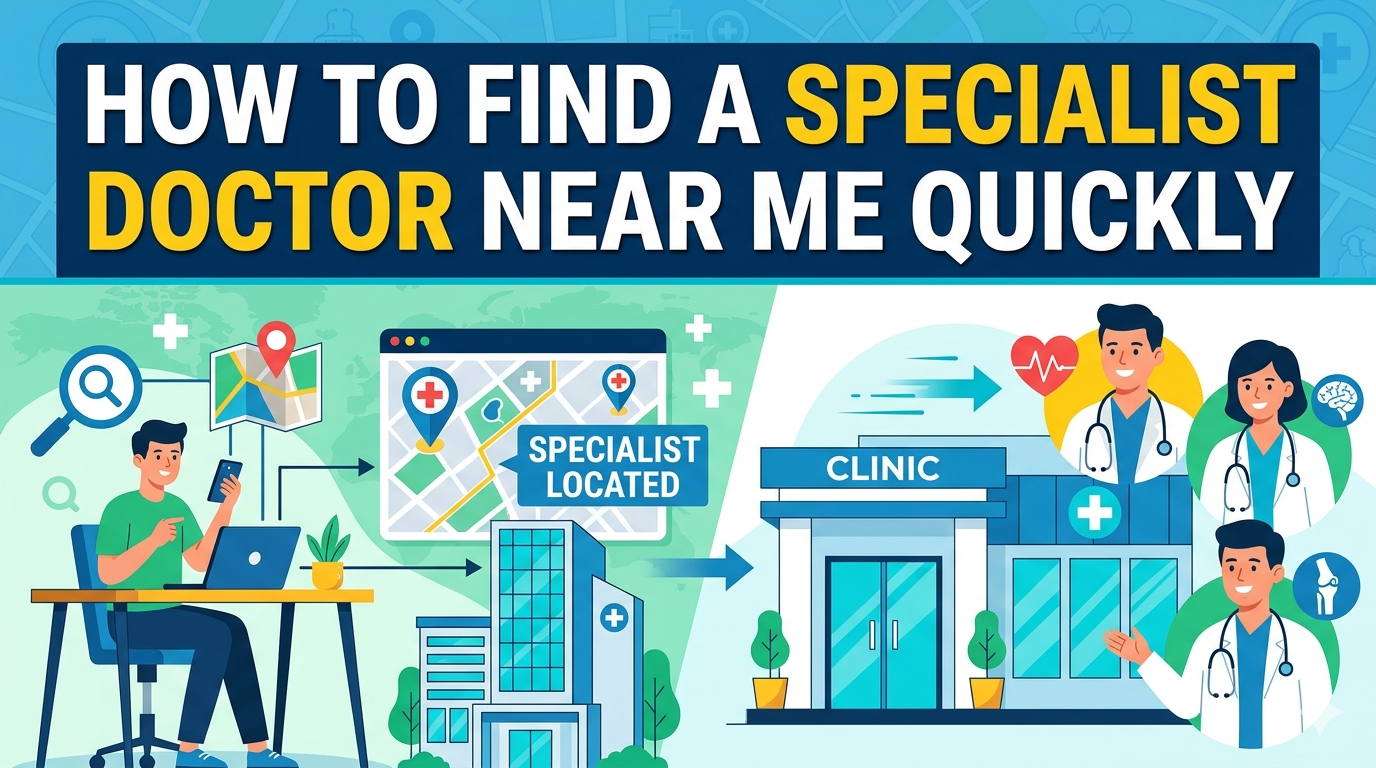


Understanding the Need for a Specialist
In the realm of healthcare, the distinction between general practitioners (GPs) and specialists is vital. While GPs provide comprehensive primary care, they may encounter complex medical issues that necessitate the expertise of a specialist. This section elaborates on the significance of consulting a specialist doctor and the scenarios where such referrals are common.
Various health conditions frequently require specialized knowledge and treatment. For example, individuals with chronic diseases such as diabetes or heart conditions may need a referral to an endocrinologist or a cardiologist, respectively. Specialists possess advanced training and are often better equipped to address complex issues, ensuring more effective management of these conditions. When symptoms are unexplained or persist despite initial treatment, a specialist can offer targeted interventions that may not be available through general practice.
Moreover, certain medical fields attend to specific populations or conditions, including pediatrics, geriatrics, or oncology. Individuals facing serious or rare medical conditions often require the nuanced understanding that specialists possess. The higher level of training and focused experience contributes to improved treatment outcomes and patient satisfaction. Additionally, specialists can provide access to advanced diagnostic tools and cutting-edge treatments that general practitioners may not utilize.
Furthermore, the holistic approach to patient care embodied by specialists can lead to better overall health management. A collaborative relationship between patients, their primary care physician, and specialists can enhance the quality of care. Therefore, recognizing when it is necessary to seek specialized help is crucial; it enables patients to pursue suitable treatment options for their unique health concerns, ultimately promoting recovery and long-term wellness.
Identifying the Type of Specialist Required
When seeking medical help, it is essential first to determine the exact nature of your health issue. Identifying the appropriate type of specialist can greatly influence your diagnosis and treatment outcomes. Medical specialists cover various fields, such as cardiologists for heart health, dermatologists for skin conditions, neurologists for neurological disorders, and orthopedic surgeons for musculoskeletal issues. Understanding your symptoms allows you to narrow down the possibilities and find a doctor best suited to address your condition.
Start by noting your symptoms comprehensively. For example, if you are experiencing persistent chest pain or shortness of breath, a cardiologist would be the appropriate specialist. Similarly, if you have a rash, itchiness, or any persistent skin-related issues, consulting a dermatologist would be advisable. Keep a record of when your symptoms began, their duration, and any other related problems, as this information will be instrumental in your diagnostic process.
Another crucial factor in identifying the right type of specialist is determining the urgency of your condition. If symptoms are severe, such as a sudden headache with visual disturbances, or if you experience severe injury, immediate care from the relevant emergency departments may be necessary. However, for chronic issues, scheduling an appointment with a specialist can often be done through routine referrals from general practitioners.
In addition to physical symptoms, consider factors like age, history of medical conditions, and family medical history when identifying the specialist required. Younger patients may not need to see certain specialists as frequently as older patients. Overall, clear communication of your concerns and symptoms will enable healthcare providers to better target their recommendations for specialist referrals.
Using Online Resources for Quick Searches
In the digital age, locating a specialist doctor has become increasingly accessible through various online resources. Utilizing health information websites, medical directories, and review platforms can significantly streamline the search process for individuals seeking specialized medical care. Websites such as Healthgrades, Zocdoc, and Vitals serve as comprehensive directories that provide not only the names of specialists in different fields but also essential information such as patient reviews, ratings, and the healthcare providers’ credentials.
To begin, one can leverage search engines effectively by employing specific keywords related to the medical specialty and geographic location. For instance, inputting “dermatologist near me” or “orthopedic specialist in [location]” can yield targeted results. This approach helps to refine searches, leading to the identification of relevant healthcare providers in the vicinity. Moreover, considering adding terms like “patient reviews” or “best [specialty]” can further enhance the quality of results generated.
In addition to direct search engines, social media platforms and community forums can be invaluable when seeking recommendations for specialist doctors. Local community groups on Facebook or neighborhood platforms like Nextdoor often provide personal experiences and referrals that could guide your choices. Understandably, these reviews should be taken as part of a broader assessment of the practitioner, considering both positive and negative feedback to form a balanced view.
Furthermore, many health insurance providers maintain lists of in-network specialists on their websites, facilitating a search for doctors who are covered by one’s health plan. By employing these online resources strategically, individuals can navigate the process of finding a suitable specialist quickly and efficiently, ensuring that necessary healthcare is within reach.
Leveraging Referrals and Recommendations
When seeking a specialist doctor, one of the most effective strategies is to leverage personal referrals and recommendations. Drawing insights from friends, family members, or primary care physicians can significantly enhance your search. These individuals often have firsthand experiences with specialists and can provide valuable information about their expertise, communication style, and the overall satisfaction of previous patients.
It is advisable to start by consulting with your primary care physician, who typically has an extensive network of specialists in various fields. They can recommend a doctor best suited to address your specific medical needs, based on their understanding of your health history. Additionally, primary care physicians can provide insights into a specialist’s reputation, which can be crucial when making decisions regarding your health care.
Furthermore, reaching out to friends and family to inquire about their experiences with specialists can yield beneficial information. When asking for recommendations, consider inquiring about the following: the quality of care received, the specialist’s attentiveness and communication skills, ease of scheduling appointments, and any procedural expectations that may arise. These questions can help you gauge not only the competence of the specialist but also how comfortable you would feel in their care.
In addition to personal contacts, online platforms and social media can be useful tools for gathering opinions on specialists. Websites that aggregate patient reviews can offer insights into various doctors’ practices and patient satisfaction levels. However, it is essential to approach online reviews with discernment, as they can vary widely in reliability.
Ultimately, leveraging referrals and recommendations can streamline your search for a specialist doctor, helping you make an informed decision based on trusted sources. This approach not only aids in quickly locating a qualified professional but also promotes confidence in the care you will receive.
Checking Credentials and Reviews
When seeking a specialist doctor near you, it is vital to verify their credentials to ensure that you receive high-quality medical care. Start by checking the doctor’s board certifications, which confirm that they are qualified to practice in their specific specialty. Information about board certifications is typically available on the website of the American Board of Medical Specialties or through state medical boards. This step is crucial for determining whether the specialist has met the necessary education, training, and examination requirements to provide appropriate medical services.
Next, consider the educational background of the specialist. A reputable doctor should have graduated from an accredited medical school and completed residency training relevant to their specialty. Many online platforms offer details on a physician’s education, including their prestigious affiliations and training programs. This information can provide insight into the doctor’s expertise and experience in the field.
Patient reviews and feedback are also essential when assessing a medical specialist. Online directories and forums allow patients to share their experiences, providing prospective patients with valuable perspectives. Look for reviews regarding the doctor’s professionalism, communication skills, and treatment outcomes. It is critical, however, to approach reviews with a discerning eye; not all reviews may accurately reflect a doctor’s abilities or the quality of care provided. Pay attention to common themes in patient feedback, and ensure that the reviews come from trustworthy sources.
In summary, verifying a specialist’s credentials and reading patient reviews can help you make an informed decision. This thorough vetting process will enhance your likelihood of finding a competent specialist who meets your healthcare needs.
Convenience Factors to Consider
When seeking a specialist doctor, it is essential to evaluate various convenience factors that can significantly impact your overall experience and treatment outcomes. Proximity to home or work is often one of the primary considerations. A location that is easily accessible can reduce travel time and make it more manageable for regular visits, especially for patients with mobility issues or those requiring frequent appointments.
Office hours also play a crucial role in the selection process. It is beneficial to choose a specialist whose hours align with your schedule, particularly if you have commitments such as work or childcare. Many medical practices offer evening or weekend appointments, which can provide much-needed flexibility for patients. Furthermore, it is wise to inquire about the clinic’s policy on accommodating urgent care visits. Knowing whether the specialist can handle emergency situations or same-day appointments can alleviate concerns when unforeseen health issues arise.
Another aspect to consider is the availability of appointments. Some specialists have long waiting lists, which can delay necessary treatment. Ideally, select a doctor who can offer prompt consultations and diagnosis, thereby facilitating quicker access to appropriate care. Additionally, examine whether the office employs technology that enables online booking or telehealth services, which are increasingly valuable for patients seeking convenience in accessing healthcare. This digital approach can streamline the process of appointment scheduling, allowing for less disruption to one’s daily routine.
Contacting the Specialist’s Office
Reaching out to a specialist’s office effectively is crucial for scheduling an appointment promptly. Begin by gathering the necessary information such as the specialist’s name, the medical condition you wish to address, as well as your insurance details. When you dial the office, you can introduce yourself, mentioning your intent to schedule a consultation with the specialist regarding your specific health concern.
Asking direct and relevant questions can help streamline the process. Here are some essential inquiries to consider during your conversation:
- What are the available appointment slots for the upcoming weeks?
- Does the specialist accept my insurance plan, and what is the co-payment for visits?
- What documents should I bring to the appointment, such as prior medical records or referrals?
- What is the cancellation policy, in case of unforeseen circumstances?
Additionally, confirming the office’s location and operating hours can prevent any last-minute inconvenience. It is advisable to take notes during the call to remember the details provided by the office staff.
While it may be tempting to ask multiple questions in a single call, it’s important to allow the staff to respond thoroughly. This can facilitate a better understanding of the availability and services provided by the specialist. Should the staff not be receptive to your inquiries, remain patient, and consider following up later if necessary.
Using clear communication and ensuring all relevant information is exchanged will ultimately result in a more efficient appointment scheduling experience, allowing you to connect with the specialist effectively.
Health insurance plays a crucial role in the process of finding a specialist doctor near you. Most insurance plans outline a specific network of healthcare providers that policyholders can utilize without incurring significant out-of-pocket expenses. When searching for a specialist, it is vital to verify whether your selected provider is part of your health insurance network. This can save you from unexpected costs and ensure that you receive the full benefits of your insurance plan.
Each health insurance plan has a list of approved providers, often referred to as an “in-network” provider list. To identify which specialists are covered under your policy, consult your insurance provider’s website or contact customer service for assistance. Understanding your plan’s network is essential, as specialists who are outside of your network may charge higher rates or be completely uncovered, leading to substantial out-of-pocket payments.
In addition to finding an in-network specialist, it is equally important to consider whether the specialty care you require is appropriately covered. Many insurance plans have specific limits on treatment options or may require prior authorization. Be sure to review any relevant policy documents to understand coverage limitations, co-pays, and co-insurance obligations.
Moreover, consider seeking a primary care physician’s referral, as they can guide you toward specialists that will align with your insurance network and medical needs. Utilizing online resources—such as insurer-specific doctor databases—can also streamline the search process. Furthermore, it is advisable to check reviews and ratings for potential specialists to ensure you select a qualified provider.
By thoroughly understanding your health insurance network and taking advantage of available resources, you can efficiently find a specialist doctor while minimizing unexpected medical expenses.
Making the Most of Your Visit
Preparing for a visit to a specialist doctor is essential for maximizing the effectiveness of the appointment. It is advisable to bring along relevant medical records, which can encompass a wide array of documents such as past test results, previous diagnoses, and treatment histories. These documents provide the specialist with valuable insights into your health background, aiding them in forming a comprehensive understanding of your medical condition.
In addition to medical records, it is prudent to prepare a list of questions prior to the visit. Writing down any concerns or uncertainties regarding your health can facilitate a more focused conversation with the doctor. This allows you to address specific symptoms, inquire about treatment options, and discuss potential side effects or outcomes associated with various interventions. Furthermore, having these questions on hand ensures that important topics are not overlooked during the appointment.
Outlining your health history is another critical step in preparing for a specialist visit. This may involve detailing any chronic illnesses, prior surgeries, allergies, medications, and family medical histories that may influence your treatment plan. If possible, have a family member or caretaker accompany you, as they can help provide additional information or support you can rely on during your consultation. Being well-prepared not only enhances the quality of the visit but also fosters a collaborative relationship with the specialist, leading to a better understanding of the proposed treatment plan. Ultimately, this preparation can pave the way for a smoother healthcare experience and improve your overall health outcomes.