
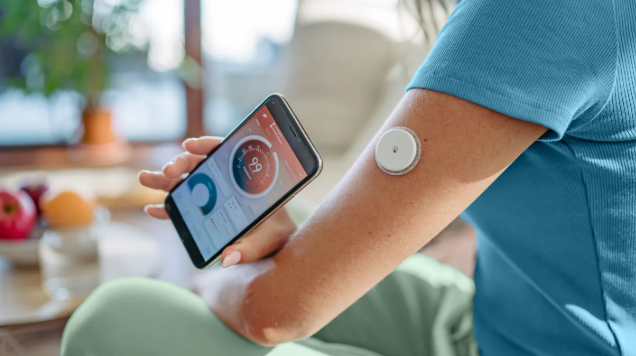

 have revolutionized health management, extending their benefits beyond diabetes care.)
Introduction to Continuous Glucose Monitors (CGMs)
Continuous Glucose Monitors (CGMs) are sophisticated devices designed to measure glucose levels in the interstitial fluid beneath the skin. These devices have gained prominence primarily for their role in managing diabetes, providing real-time data that allows individuals to understand their glucose fluctuations throughout the day. Unlike traditional fingerstick blood glucose tests, which point to specific glucose levels at a given moment, CGMs offer a dynamic view of glucose trends over time, thereby fostering better management strategies for those diagnosed with diabetes.
The core functionality of a CGM involves a small sensor that is inserted under the skin, which captures glucose levels continuously, typically transmitting this data to a receiver, smartphone, or smartwatch. This continuous stream of information enables users to gain insights into how diet, physical activity, and other factors influence their blood sugar levels. Furthermore, CGMs often come equipped with alarming systems that notify users when glucose levels go too high or too low, which is crucial for immediate intervention, especially for individuals with diabetes.
While CGMs have been predominantly utilized by those managing diabetes, a growing number of health experts are advocating for their use among non-diabetic individuals as well. The insight provided by these devices can facilitate the monitoring of one’s metabolic health, potentially leading to improved lifestyle choices. By understanding their body’s response to various foods and activities, non-diabetics can proactively manage their health and foster better overall wellness. This shift towards broader applications positions CGMs as beneficial tools not just for the diabetic community, but for anyone seeking to optimize their health through informed dietary choices and lifestyle adjustments.
Understanding Blood Sugar Levels
Blood sugar levels, or glucose levels, refer to the concentration of glucose present in the bloodstream. They fluctuate throughout the day, influenced by various factors such as diet, physical activity, stress, and hormonal changes. It is a common misconception that only individuals with diabetes need to monitor their blood sugar levels; however, maintaining balanced glucose levels is crucial for everyone. Stable blood sugar contributes to overall health and wellness, playing a significant role in energy levels, mood regulation, and cognitive functions.
Dietary choices are one of the most significant factors influencing blood sugar levels. Carbohydrate-rich foods are converted to glucose, causing a rise in blood sugar. For instance, consuming simple carbohydrates such as sugary snacks or drinks can lead to rapid spikes in glucose, followed by sharp declines, also known as glucose crashes. Conversely, complex carbohydrates, proteins, and healthy fats provide a more gradual increase in blood sugar levels, promoting long-lasting energy and stability.
Physical activity also has a profound impact on glucose levels. Regular exercise enhances insulin sensitivity, allowing the body to utilize glucose more efficiently, thereby helping to maintain normal blood sugar levels. Stress, on the other hand, can cause hormonal fluctuations that may lead to elevated blood sugar, highlighting the importance of stress management techniques such as mindfulness and relaxation practices.
Unstable blood sugar levels can pose various health risks, including fatigue, irritability, anxiety, and difficulty concentrating. Over time, consistent imbalances may contribute to the development of insulin resistance, potentially increasing the risk of developing type 2 diabetes. Therefore, understanding and managing blood sugar levels is essential for preventing these adverse health outcomes and fostering an overall improved quality of life.
Preventive Health Benefits of Continuous Glucose Monitors
Continuous glucose monitors (CGMs) have primarily been associated with diabetes management; however, their preventive health benefits for individuals without diabetes are increasingly recognized. By continually tracking glucose levels, CGMs provide valuable insights that can help individuals make informed dietary and lifestyle choices.
One of the primary advantages of using CGMs is the ability to identify fluctuations in blood glucose levels that might be indicative of pre-diabetes or other metabolic disorders. For many, these fluctuations can go unnoticed until more serious health issues arise. By detecting these changes early, individuals can take preventative measures to improve their health and potentially avoid developing conditions associated with poor glucose control.
For people without diabetes, regular monitoring of glucose levels can lead to a better understanding of how different foods affect their blood sugar. For example, individuals may discover that certain carbohydrates or food combinations can cause spikes in glucose levels, encouraging them to make healthier dietary choices. This awareness can foster a more balanced diet, positively impacting overall health and wellbeing.
Additionally, CGMs can aid in developing a proactive approach to wellness. Individuals can review their glucose data in relation to various lifestyle factors, including physical activity, stress levels, and sleep patterns. This holistic view enables users to recognize the interactions between their daily habits and blood glucose levels, facilitating better lifestyle choices that promote long-term health.
Furthermore, monitoring glucose levels can serve as a strong motivational tool. Individuals who see the immediate impact of their lifestyle changes on their glucose patterns may be more inclined to adhere to healthier habits. Consequently, CGMs facilitate a more personalized strategy for health management, empowering users to take charge of their wellbeing prior to the onset of more serious conditions.
Enhanced Performance in Athletes
Continuous glucose monitors (CGMs) have become a revolutionary tool not only for individuals with diabetes but also for athletes and fitness enthusiasts seeking to enhance their performance. These innovative devices provide real-time data regarding an athlete’s glucose levels, enabling them to make informed decisions about their nutrition and training strategies. By closely monitoring their blood sugar, athletes can optimize their endurance and overall performance during workouts and competitions.
During intense training sessions or competitive events, maintaining stable blood glucose levels is crucial for maximizing energy. Proper glucose levels help in sustaining energy, reducing fatigue, and improving overall athletic performance. With a CGM, athletes can assess how different foods and beverages affect their glucose levels in real-time, allowing for tailored nutrition plans that meet their specific energy needs. For example, some athletes may find they perform better consuming carbohydrates before or during an event, while others might benefit from adjusting their intake based on their unique glucose responses.
Moreover, CGMs can assist in enhancing recovery time post-exercise. Effective recovery is critical for athletes, as it helps repair muscles and restore glycogen stores. By monitoring glucose levels after workouts, athletes can identify the optimal time for refueling and rehydrating, ensuring they restore energy levels efficiently. This precise tracking allows for improved training cycles, maximizing the benefits of each workout and minimizing the risk of burnout or injury.
Beyond performance, continuous monitoring of glucose levels can also contribute to better overall health. Maintaining balanced glucose levels supports metabolic health and can prevent long-term issues associated with blood sugar imbalance, which is especially important for athletes pushing their bodies to the limits. Overall, the integration of CGMs into an athlete’s regimen can enhance training efficiency, optimize performance, and promote sustained health, making them an invaluable asset in the realm of sports and fitness.
Weight Management and CGMs
Continuous Glucose Monitors (CGMs) have gained attention not only for their utility in managing diabetes but also for their application in weight management for individuals without diabetes. Understanding how glucose levels fluctuate throughout the day can provide significant insights into one’s metabolism and dietary habits. This information is particularly valuable for those seeking to maintain or lose weight.
One of the primary ways CGMs aid in weight management is by illustrating the direct impact of food choices on blood sugar levels. When individuals can see how specific foods cause spikes or drops in glucose, they can better understand how their body responds to different nutrients. For instance, someone might discover that a carbohydrate-rich meal leads to a significant rise in glucose, which is followed by a crash that prompts cravings for more food. This knowledge empowers individuals to adjust their diets, opting for more balanced meals that do not cause excessive fluctuations in blood sugar.
Moreover, CGMs facilitate the monitoring of trends over time, enabling users to observe the long-term effects of their dietary strategies. By consistently tracking glucose levels, one can identify patterns that align with successful weight management efforts. For example, one might find that integrating more protein or healthy fats at breakfast stabilizes their glucose levels throughout the morning, reducing afternoon snack cravings.
In addition, CGMs can encourage more mindful eating practices. Knowing that a certain food will affect glucose levels may lead individuals to reconsider their choices, fostering a greater awareness of how diet influences overall well-being. As a result, those utilizing CGMs can make informed dietary decisions that not only support weight goals but also enhance their metabolic health.
Mental Health and Glucose Monitoring
Emerging research highlights the intricate relationship between blood sugar levels and mental well-being. Individuals without diabetes may not consider the impact of glucose fluctuations on their emotional health, but studies suggest that these variations can indeed influence mood, anxiety, and overall mental stability. Continuous glucose monitors (CGMs) can play a pivotal role in this context by providing real-time data and insights into glucose trends, enabling better management of mood-related symptoms.
One significant benefit of utilizing CGMs for individuals without diabetes is the ability to identify patterns between food intake, physical activity, and blood sugar levels. For instance, after consuming high-sugar meals, some individuals may experience sharp spikes and subsequent drops in glucose levels, often leading to feelings of irritability or anxiety. By regularly monitoring these fluctuations, users can learn to adjust their dietary choices and habits accordingly, fostering a more stable emotional state.
Moreover, the insights provided by CGMs can alleviate the anxiety associated with unexpected mood swings. Knowing that one’s blood sugar is being continuously monitored can instill a sense of control over both physical and mental health. This self-awareness may reduce the fear of experiencing unpredictable emotional fluctuations, thereby helping individuals feel more grounded.
Research also indicates a connection between improved glucose management and reduced stress levels. As individuals adapt their lifestyles based on CGM data, they might experience an increase in overall energy levels and a decrease in fatigue, both of which are critical for maintaining a positive mental state. By ensuring a more stable glucose level through conscious decisions, users can potentially mitigate the detrimental effects associated with chronic stress, creating a healthier mental environment.
Personalized Nutrition and CGMs
Continuous Glucose Monitors (CGMs) have emerged as a revolutionary tool not only for individuals with diabetes but also for those seeking to optimize their overall health through personalized nutrition. One of the primary benefits of using CGMs is the ability to track how specific foods impact blood glucose levels in real time. This immediate feedback allows individuals to understand their unique metabolic responses, which can vary significantly from person to person.
By employing CGMs, users can identify which foods lead to spikes or drops in blood sugar. This critical information empowers them to make informed dietary choices tailored to their individual needs. For instance, someone may find that certain fruits, while healthy in moderation, can lead to elevated glucose levels. With this insight, they can adjust their eating patterns accordingly, incorporating alternatives that maintain stable blood sugar levels. Therefore, CGMs facilitate a deeper understanding of personal dietary impacts.
Moreover, the data collected from CGMs can aid in creating a more comprehensive nutritional strategy. Users can track their glucose responses over time, helping them to pinpoint trends and develop long-term dietary plans that align with their health goals, whether those goals involve weight management, energy optimization, or enhancing athletic performance. As individuals gain insights into how their bodies react to various nutrients, they can customize their intake of carbohydrates, fats, and proteins, thereby improving their overall well-being.
In summary, CGMs serve a pivotal role in personalized nutrition by enabling users to recognize the specific effects of different foods on their blood sugar levels, ultimately leading to more tailored and health-conscious dietary choices. The value of such precise nutritional guidance is invaluable for anyone looking to improve their lifestyle through informed eating habits.
Technological Advances and User Experience
Recent developments in continuous glucose monitor (CGM) technology have significantly enhanced user experience, making these devices more accessible and appealing, even to individuals without diabetes. CGM systems now include mobile app integrations that allow users to easily track their glucose levels through personal smartphones. This connectivity not only streamlines data management but also simplifies the visual representation of glucose patterns and trends. With the help of intuitive mobile applications, users can receive real-time alerts and personalised insights based on their glucose levels, fostering a proactive approach to their dietary and lifestyle choices.
Moreover, user-friendly interfaces are pivotal in the growing popularity of CGMs among the non-diabetic populace. These advancements involve simplified touchscreen displays and enhanced navigation options that cater to individuals who may not be familiar with complex medical devices. Such improvements ensure that users can effortlessly access critical information about their glucose levels without feeling overwhelmed. The ease of understanding the data allows new users to become more engaged in their health management.
Another noteworthy innovation in CGM technology is the incorporation of predictive algorithms that help anticipate fluctuations in glucose levels. This foresight can guide users in making more informed decisions regarding their nutrition, exercise, and overall lifestyle, thus promoting better health outcomes. With these continuous glucose monitors, non-diabetics can monitor their glycemic responses to different foods and activities, paving the way for healthier habits, increased energy levels, and enhanced well-being.
In conclusion, the transformative advancements in CGM technology and their focus on enhancing user experience have significantly broadened their utility. By making these devices more accessible to the non-diabetic community, they empower users to take charge of their health and well-being in a more informed way.
Conclusion and Future of CGMs for Non-Diabetics
In recent years, Continuous Glucose Monitors (CGMs) have gained significant traction beyond their traditional use in diabetes management. This innovative technology offers valuable insights into glucose levels, providing users with real-time data that can inform lifestyle choices, dietary habits, and overall health management. With evidence suggesting that even non-diabetic individuals can benefit from monitoring their glucose levels, CGMs have emerged as a promising tool for health optimization.
The potential benefits of CGMs for those without diabetes extend to various aspects of health. They can help individuals identify how specific foods, physical activity, and stress affect their glucose levels. By observing these patterns, users can make informed decisions about their diet and exercise routines, potentially improving energy levels, mood stability, and even overall metabolic health.
As technology advances, the future of CGMs is poised to become even more expansive. With the integration of artificial intelligence and data analytics, future iterations of CGMs may provide personalized recommendations tailored to individual responses to glucose fluctuations. This ongoing evolution will likely democratize access to these devices, making them more accessible and user-friendly for the general population.
Moreover, as awareness grows about the role of glucose levels in overall health, healthcare providers may begin to recommend CGMs as a preventive measure rather than solely for managing diabetes. Non-diabetic individuals considering the integration of CGMs into their health journey should reflect on their potential to foster a more proactive approach to personal health. The insights gained from CGM utilization can greatly enhance awareness and empower individuals to make more health-conscious decisions.