


Introduction to Full Body Workouts
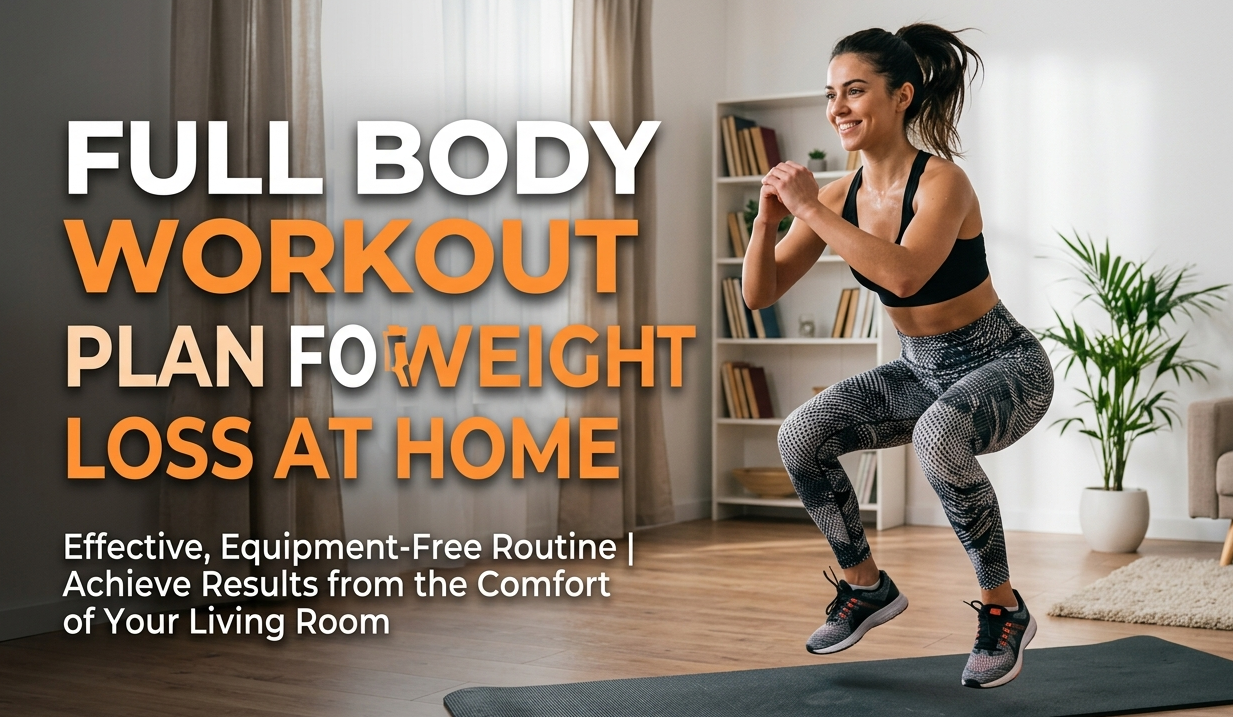
Full body workouts have gained significant popularity, especially among those seeking effective weight loss strategies while exercising at home. Unlike split routines, which target specific muscle groups on different days, full body workouts engage multiple muscle groups in a single session. This holistic approach not only maximizes calorie burn but also enhances overall functional fitness, making it an ideal choice for individuals aiming to shed pounds without extensive time commitments.
One of the primary advantages of full body workouts is their efficiency. By engaging various muscle groups simultaneously, individuals can achieve a comprehensive workout in a shorter duration, which is particularly beneficial for those with busy schedules. This type of training can be adjusted to accommodate various fitness levels, allowing beginners and experienced athletes alike to tailor their sessions to meet personal goals.
Moreover, full body workouts promote balanced muscle development, which can help in preventing injuries that may arise from overtraining specific areas of the body. This balanced approach also fosters improved cardiovascular health and metabolism, contributing to more effective weight management over time.
In this blog post, we aim to explore the fundamentals of full body workouts designed for weight loss at home. We will discuss various exercises, tips for creating an effective routine, and how to maintain motivation throughout your fitness journey. By utilizing the insights provided, readers will be equipped with the knowledge and practical tools needed to embark on their full body workout regimen aimed at achieving sustainable weight loss.
Benefits of Working Out at Home
Working out at home presents a myriad of advantages that cater to diverse lifestyles and personal preferences. One of the primary benefits is cost-effectiveness. Eliminating the need for a gym membership, travel expenses, or purchasing expensive workout gear can significantly reduce financial burdens. Many effective home workouts require minimal equipment, and numerous online resources are available for free, making fitness more accessible to a broader audience.
Another significant advantage of exercising at home is the flexibility it offers regarding workout times. Individuals can tailor their workout schedules to align with their routine, allowing them to engage in physical activity at their most convenient times. This flexibility is crucial, particularly for those balancing jobs, family commitments, or unpredictable schedules. Moreover, since there are no commuting times to a gym, individuals can maximize their available time for fitness.
Privacy is also a notable benefit of engaging in workouts at home. For some, exercising in public spaces may induce anxiety or discomfort, while home workouts provide a safe and comfortable environment to focus on personal goals without external judgment. This privacy can foster confidence and a positive mindset, which is beneficial for maintaining a consistent workout routine. Furthermore, creating a personalized workout environment allows individuals to tailor their spaces to their preferences, including music choices, lighting, and required equipment.
Finally, establishing a routine at home can enhance consistency, which is vital for achieving weight loss objectives. By eliminating barriers typically associated with gym workouts, such as transportation and schedules, individuals are more likely to commit to regular exercise. Cultivating a regular exercise habit at home can ultimately lead to more effective weight loss and improved overall health.
Essential Equipment for Home Workouts
Engaging in a full body workout plan for weight loss at home can be highly effective with the right equipment. Even with limited space and budget, certain tools can significantly enhance your home workouts. The primary items every at-home fitness enthusiast should consider include dumbbells, resistance bands, and yoga mats, which are versatile and affordable options for resistance training and flexibility exercises.
Dumbbells are among the most fundamental fitness tools, allowing for a variety of exercises targeting different muscle groups, including the arms, shoulders, and legs. Opt for adjustable dumbbells if space is a constraint, as they provide multiple weight options. Alternatively, for those on a tighter budget, household items such as water bottles can also serve as makeshift weights.
Resistance bands are another excellent choice for home workouts. They come in different resistance levels and can be easily stored when not in use. Utilizing resistance bands can enhance your workout regime by adding resistance to standard exercises, such as squats and rows, promoting muscle growth and endurance.
A yoga mat is essential for floor exercises, providing a comfortable surface for movements such as push-ups, planks, and stretches. It not only contributes to comfort but also prevents slipping, ensuring a safer workout environment.
For those who prefer body-weight exercises, there are numerous routines that can effectively facilitate weight loss without any equipment. Exercises such as push-ups, squats, lunges, and burpees are highly effective and can be adapted to fit various fitness levels. Incorporating these movements into your workout plan can yield significant results while minimizing the need for specialized equipment.
Creating a Balanced Full Body Workout Plan
Designing a full body workout plan that promotes weight loss involves a variety of exercises that target all major muscle groups for balanced strength and overall health. An effective routine typically incorporates three core components: strength training, cardiovascular activities, and flexibility exercises. Each element plays a crucial role in achieving and maintaining weight loss.
Strength training forms the foundation of a comprehensive full body workout. This method involves using weights, resistance bands, or bodyweight exercises to build and tone muscle. Engaging in strength training at least two to three times a week enhances metabolism and aids in burning calories even at rest. Targeting different muscle groups—including the legs, arms, back, and core—ensures a well-rounded approach that fosters overall body strength. Exercises such as squats, push-ups, lunges, and planks can be effectively integrated into your routines.
Cardiovascular exercise is another essential element in a balanced workout plan. Activities such as running, cycling, or jumping rope elevate the heart rate and contribute significantly to calorie expenditure. The goal should be to incorporate at least 150 minutes of moderate-intensity aerobic exercise weekly. This can be achieved through sessions of 30 minutes, five days a week, allowing for flexibility in scheduling. Additionally, High-Intensity Interval Training (HIIT) is particularly effective, as it combines short bursts of intense activity with rest, maximizing calorie burn in a shorter timeframe.
Lastly, do not overlook the importance of flexibility exercises. Incorporating activities like yoga or dynamic stretching promotes muscle recovery, enhances flexibility, and can help prevent injuries, which is vital for sustaining a consistent workout regimen. A well-balanced full body workout plan integrates these three components, ensuring all muscle groups are engaged and the risk of injury is minimized, thereby fostering a conducive environment for weight loss.
Sample Full Body Workout Routine
Creating a full body workout routine provides an effective approach to achieving weight loss at home. This sample plan is tailored for individuals at the beginner to intermediate level and is designed to be performed three to four days a week, allowing for adequate rest and recovery between sessions.
Each workout will consist of a variety of exercises that target major muscle groups, ensuring that your body engages in a balanced manner. Here is a structured week of workouts:
Day 1: Strength and Endurance
1. Bodyweight Squats: 3 sets of 12-15 repetitions. This exercise targets the quadriceps and glutes.
2. Push-Ups: 3 sets of 8-12 repetitions. Works the chest, shoulders, and triceps.
3. Plank: Hold for 30-60 seconds. A key exercise for core stability.
Day 2: Cardio and Core
1. Jumping Jacks: 3 sets of 30 seconds. Ideal for getting your heart rate up.
2. Mountain Climbers: 3 sets of 30 seconds. Engages multiple muscle groups while offering cardio benefits.
3. Bicycle Crunches: 3 sets of 15-20 repetitions. A great core workout, focusing on the abdominal muscles.
Day 3: Rest and Recovery
Incorporate light stretching or yoga to promote flexibility and recovery.
Day 4: Total Body Circuit
1. Lunges: 3 sets of 10-12 repetitions per leg. This enhances leg strength and balance.
2. Tricep Dips: 3 sets of 8-10 repetitions, targeting the arms effectively.
3. Burpees: 3 sets of 8-10 repetitions. A full-body movement that combines strength and cardiovascular work.
Throughout the week, ensuring proper hydration and nutrition will enhance results. Paying attention to your body’s signals during these workouts is crucial, and adjustments can be made to repetitions and sets based on individual fitness levels. Consistency paired with gradual increases in intensity will lead to sustainable weight loss and fitness improvements over time.
To enhance the effectiveness of your full body workout plan for weight loss at home, several strategies can play a crucial role in achieving optimal results. Firstly, maintaining a balanced and healthy diet is of paramount importance. Nutrition complements your exercise regimen and provides the essential nutrients needed for recovery and overall health. Focus on consuming whole foods, including fruits, vegetables, lean proteins, and whole grains, while limiting processed foods and sugars to support your weight loss goals.
Monitoring progress is another effective strategy. Keep a record of your workouts, dietary habits, and any changes in your body measurements. This not only helps in tracking your weight loss journey but also allows you to identify patterns and make necessary adjustments in your approach. Consider using fitness apps or journals to document your daily activities and caloric intake, which can further motivate you to stay committed.
Staying hydrated is often overlooked but is vital when engaging in any fitness plan. Water aids in digestion, metabolism, and muscle recovery. Aim to drink an adequate amount of water throughout the day, especially before, during, and after your workouts. Hydration can also help curb hunger, making it easier to maintain a healthy diet.
Additionally, setting realistic and achievable goals is essential for long-term success. Rather than striving for dramatic, quick results, focus on incremental progress. Goal-setting helps to create a clear pathway and serves as a motivational tool in your weight loss journey. It is also critical to recognize the importance of consistency and patience. Weight loss is a gradual process, and maintaining a consistent workout schedule combined with healthy eating habits will yield the best results over time.
Overcoming Common Challenges
Embarking on a home workout journey can be incredibly rewarding, but it is not without its challenges. Understanding these potential obstacles is essential for ensuring consistency and success. One primary issue many individuals encounter is a lack of motivation. To counteract this, setting clear, achievable goals can significantly enhance motivation. Consider using a workout chart or app to track your progress. Having visual milestones can provide a strong sense of accomplishment and encourage continued effort.
Another frequent challenge is time management. In a busy lifestyle, finding time to workout can feel daunting. It is beneficial to integrate shorter, high-intensity workouts into your daily routine. Utilizing 20 to 30 minutes of your day effectively can yield significant results. Moreover, scheduling your workouts, much like any other appointment, can help reinforce commitment. Make sure to choose times that best fit your personal schedule, and treat these sessions as indispensable to your day.
Space constraints in the home further add to the complexities of establishing a proper workout routine. This hurdle can be addressed by optimizing your environment. Identify a specific area in your home where you can consistently perform your exercises. Clear this space of any distractions, and set up your workout gear within arm’s reach. This will not only create a dedicated exercise space but also signal your mind that it is time for physical activity.
Lastly, distractions—whether from family, pets, or electronic devices—can also hinder focus during workouts. To combat these disruptions, communicate your workout schedule with those in your household. Establishing clear boundaries and expectations can help minimize interruptions. Additionally, consider using headphones with music or guided workouts to maintain concentration and drive throughout your exercises. Addressing these common challenges effectively can pave the way for a successful home workout experience.
Safety Tips for Home Workouts
Engaging in a full body workout plan for weight loss at home can be an effective way to achieve your fitness goals. However, ensuring safety during these workouts is crucial to preventing injury and promoting long-term health. Here are several key safety tips to keep in mind.
First and foremost, proper warm-up and cool-down techniques should not be overlooked. Prior to starting your workout, allocate around 5 to 10 minutes for a warm-up. This could include dynamic stretches or light cardio activities such as jogging in place or arm circles. Warming up increases blood flow to the muscles and prepares your body for the more intense activity ahead. Similarly, after completing your workout, incorporate a cool-down period. This could involve slower movements and static stretches to help gradually lower your heart rate and maintain flexibility.
Correct exercise form is another critical aspect of exercising safely. Always prioritize maintaining neutral body alignment to prevent strain and injuries. Consider utilizing mirrors, if available, or even recording yourself to self-assess your form. If you’re new to certain exercises, begin with lower intensity or modified versions to build strength and confidence before progressing.
Listening to your body throughout the workouts is equally important. If you experience pain, discomfort, or fatigue that feels beyond normal exertion, take a break or adjust the intensity of your exercises. Overtraining can lead to injuries and counterproductive outcomes on your journey to weight loss. Remember that adequate rest and recovery are essential components of any comprehensive workout plan.
Ultimately, ensuring safety during your home workouts fosters not only effectiveness but also enjoyment, paving the way for a sustainable fitness routine.
Conclusion and Moving Forward
As we wrap up this comprehensive exploration of a full body workout plan for weight loss at home, it is essential to reiterate the key concepts discussed. Implementing a structured workout plan enables individuals to make significant strides in their fitness journey while promoting weight loss. Consistency is paramount; sticking to your scheduled workouts can yield the best results.
As you progress, consider adapting and modifying your workout routines. This not only keeps your regimen engaging but also accommodates improvements in your strength and endurance. Whether increasing the number of repetitions, incorporating new exercises, or adjusting the intensity, evolving your workout plan is crucial for continuous development. Embrace these changes, as they signify your growth and commitment to your fitness goals.
Moreover, staying motivated throughout your weight loss journey can sometimes be challenging. Setting realistic goals, tracking your progress, and celebrating small victories can enhance your adherence to the plan. Surrounding yourself with a supportive community, be it friends, family, or online forums, can also provide the encouragement necessary to keep you focused and determined. Remember, every effort counts; your dedication will lead you to achieve your desired results.
In summary, a full body workout plan at home is not only feasible but effective for weight loss. The journey towards fitness is personal and unique for everyone; therefore, maintaining a positive mindset while remaining adaptable will drive you closer to your health objectives. Commit to your plan, stay motivated, and enjoy the process as you make strides toward a healthier lifestyle.