


Introduction to Biomechanics
Biomechanics is the study of the mechanical aspects of living organisms, particularly the human body. This field encompasses the examination of forces acting on the body and the effects caused by those forces during various movements. In the context of exercise and sports, biomechanics provides valuable insights into the physical principles governing human activity. By analyzing how movements are generated, how they are performed, and how they can be enhanced, biomechanics plays a pivotal role in both performance optimization and injury prevention.
The study of biomechanics involves various quantitative approaches, including kinematics, which focuses on the motion of the body without considering the forces involved, and kinetics, which examines the forces that produce such motions. Understanding these dynamics can provide athletes and coaches with critical information that can be utilized to enhance training regimens, improve athletic performance, and reduce the risk of injuries. For instance, a biomechanical analysis can identify suboptimal movement patterns that may predispose an athlete to injuries, thus allowing for targeted interventions.
Moreover, the significance of biomechanics extends beyond elite athletes; it is crucial for individuals across different fitness levels. It aids recreational exercisers in understanding their movements better and adjusting techniques to prevent injuries. Therefore, the practical applications of biomechanics in exercise, whether through developing training protocols or rehabilitation strategies, cannot be understated. Overall, an in-depth understanding of biomechanics contributes to a holistic approach to physical fitness, promoting efficiency in movement and enhancing the resilience of individuals against injuries.
Key Biomechanical Principles
Biomechanics is crucial for understanding how the human body moves and functions during exercise. Among the foundational principles of biomechanics are force, torque, and motion. Each of these concepts plays a significant role in how we perform physical activities and can help inform effective injury prevention strategies.
Force is defined as any influence that can change the motion of an object. In the context of exercise, it is essential to recognize how forces interact with the body. For example, when performing a squat, gravitational force acts downward, while the muscles provide an opposing force to lift the body. Understanding the application of force can help individuals maintain proper form and ensure that they are maximizing strength while minimizing the risk of injury.
Torque, on the other hand, refers to the rotational power produced by a force applied at a distance from a joint. This concept is particularly relevant in exercises that involve twisting or turning motions, such as in a baseball swing or a golf drive. For effective engagement of the body’s lever systems, individuals should focus on the relationship between their body segments during such activities. Training strategies that emphasize the development of strength and stability in these movements can further enhance performance while also reducing the likelihood of injury.
Finally, motion encompasses the movement patterns that occur within an exercise. Biomechanics considers factors like speed, direction, and recovery time, which influence how effectively a person performs an exercise. For instance, in running, the understanding of biomechanical principles such as stride length and frequency can aid in optimizing running form and preventing overuse injuries.
By applying these key biomechanical principles—force, torque, and motion—individuals can gain insights into their movement mechanics, ultimately leading to improved performance and a lower risk of injury during various exercise routines.
The Mechanics of Movement
Understanding the mechanics of movement is essential in the realm of exercise biomechanics. Movement can broadly be categorized into linear and angular types, each involving different biomechanical principles. Linear movements occur in a straight line, exemplified by walking or running, while angular movements involve rotation around a pivot point, as seen in exercises like cycling or swinging a bat.
At the core of these movements are various anatomical structures, including bones, muscles, and joints, which work together in a coordinated fashion. Bones provide the framework for movement, serving as levers that muscles pull on to generate motion. Joints enable flexibility and range of motion, allowing movement to occur at specific points in the body.
For instance, during a squat, the primary joint involved is the knee, which flexes and extends to allow for the downward and upward phases of the movement. The muscles of the quadriceps and hamstrings work in opposition to control the movement, while additional muscles, such as the glutes, stabilize the hips. Knowledge of these mechanics assists in preventing injuries by ensuring that individuals execute movements with proper form.
Similarly, when analyzing the biomechanics of running, one must consider the intricate interplay between joints such as the ankle, knee, and hip. Each step encompasses a distinct sequence of movements that must be executed with precision to minimize the risk of injury. Factors including stride length, cadence, and foot placement play crucial roles in determining efficiency and safety when running.
In conclusion, recognizing the mechanics of different movements enhances one’s ability to perform exercises effectively while minimizing the risk of injury. By incorporating an understanding of the biomechanics behind popular exercises, individuals can adopt safer training practices that promote long-term health and performance.
Common Exercise Injuries and Their Biomechanical Causes
Exercise is generally beneficial for health and well-being; however, it can also lead to various common injuries if not performed properly. Each injury has unique characteristics and biomechanical causes that underline the importance of understanding movement patterns. Among the most frequent injuries are sprains, strains, and tendonitis.
Sprains, often occurring in ligaments, frequently result from sudden twisting movements that exceed the normal limits of the joint. Biomechanically, this may arise from a lack of stability during exercises such as jumping or running. Improper landing techniques or muscle imbalances can put excess strain on the ligaments, leading to injury. Understanding joint mechanics and implementing proper landing strategies can significantly reduce the likelihood of sprains.
Strains, which affect muscles and tendons, occur when these tissues are overstretched or torn. The root cause can often be traced back to inadequate warm-ups or poor posture during activity. For example, lifting weights with improper form can lead to overextension of the muscles involved, resulting in strains. Correcting biomechanical flaws in lifting technique through specific training can help mitigate the risk of such injuries.
Tendonitis, characterized by inflammation of a tendon, is commonly associated with repetitive stress on the muscles and tendons. Biomechanically, this can be linked to overuse and improper technique in activities such as running or swimming. For instance, running with misaligned feet can exacerbate tendon stress, leading to conditions like Achilles tendonitis. Adequate biomechanics education about correct posture and movement is crucial for preventing such injuries.
In essence, an understanding of the biomechanical underpinnings of these injuries is vital for developing effective injury prevention strategies. By focusing on proper movement patterns, proper warm-up regimens, and technique adjustments, individuals can greatly reduce their risk of these common exercise-related injuries.
Injury Prevention Strategies through Biomechanics
Understanding biomechanics is critical for developing effective injury prevention strategies in various physical activities. By analyzing how forces interact with the body during different exercises, it becomes easier to identify potential risk factors that may lead to injuries. Adopting appropriate preventive measures can greatly enhance safety and performance.
One key strategy includes implementing proper warm-up routines. A thorough warm-up increases blood flow to the muscles, enhances flexibility, and prepares the body for the physical demands of the activity. Dynamic stretching, as opposed to static stretching, is particularly beneficial as it mimics the movements of the upcoming exercise, thereby activating the relevant muscle groups and improving neuromuscular coordination.
Another essential factor in preventing injuries is ensuring correct lifting techniques. Utilizing biomechanical principles such as maintaining a neutral spine, engaging core muscles, and utilizing leg power rather than back strength can significantly reduce the likelihood of strains and sprains. Athletes and individuals involved in physical labor should be educated on the importance of body mechanics, as improper lifting is a common cause of injury.
Furthermore, the selection and use of appropriate equipment are integral to minimizing injury risk. This includes wearing suitable footwear that provides adequate support and cushioning tailored to the specific activity, as well as using protective gear when necessary. The impact of equipment on biomechanics cannot be understated; ill-fitting or inappropriate tools can lead to an increased chance of injury by altering body movement patterns.
Ultimately, applying these biomechanics-based strategies not only fosters safer practices but also promotes long-term athletic health and performance. By prioritizing preventive measures such as effective warm-ups, correct lifting techniques, and suitable equipment, individuals can mitigate the risks of injury while engaging in their chosen activities.
The Role of Strength and Flexibility in Prevention
Strength and flexibility are two critical aspects of physical fitness that significantly influence biomechanics and play an essential role in injury prevention. Engaging in regular strength training enhances muscle strength and endurance, which can effectively support joints and stabilize movements. This improved strength helps reduce the risk of various injuries, particularly in high-impact activities such as running and jumping, where the forces exerted on the body can lead to strains or sprains. Moreover, strong muscles contribute to better overall body mechanics, which facilitates proper movement patterns and decreases the likelihood of overuse injuries.
Flexibility, on the other hand, is equally important for maintaining optimal biomechanics. Flexibility exercises allow for a greater range of motion in joints and muscles, promoting better alignment and movement efficiency. Improved flexibility can also mitigate tension in muscles and connective tissues, which can further reduce the risk of injury. The combination of strength and flexibility develops a resilient musculoskeletal system capable of withstanding physical stressors encountered during daily activities and sports.
Evidence suggests that individuals who incorporate both strength and flexibility training into their routine experience not only enhanced performance but also a lower incidence of injuries. For instance, a study highlighted that athletes participating in a structured program that addressed muscle strength and flexibility reported fewer injuries compared to their counterparts who did not engage in such training. This underscores the necessity of a balanced approach for those involved in physical activities.
Incorporating strength training and flexibility exercises into fitness regimens can thus prove invaluable in promoting health, improving performance, and minimizing injury risks. A well-rounded approach to exercise that emphasizes both elements is vital for fostering a comprehensive understanding of biomechanics and developing effective injury prevention strategies.
The Impact of Biomechanical Assessments
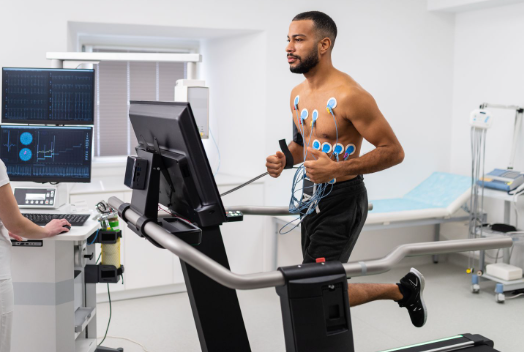
Biomechanical assessments serve as a critical tool in understanding how the body moves during physical activities. These evaluations often include video analysis and gait analysis, which can reveal essential details about an individual’s movement patterns. By visually capturing motion and analyzing specific phases of activity, these assessments can identify both strengths and weaknesses in biomechanics.
The primary benefit of these assessments is the identification of biomechanical flaws that may predispose individuals to injuries. For instance, video analysis can showcase how a runner’s mechanics change under different speeds or terrains, while gait analysis can highlight issues such as overpronation or excessive supination. By recognizing these inefficiencies, trainers and clinicians can tailor interventions aimed at correcting these problematic movement patterns.
Additionally, biomechanical assessments can significantly inform training modifications. By understanding an individual’s specific movement deficiencies, coaches can design training programs that not only enhance performance but also contribute to injury prevention. This targeted approach ensures that exercises are aligned with the individual’s unique biomechanical profile, reducing the likelihood of overuse injuries and improving overall resilience.
Furthermore, incorporating biomechanical assessments into routine training can foster a proactive approach towards injury prevention. Continuous monitoring allows both athletes and trainers to adjust training loads and avoid stressing vulnerable areas, thereby promoting longer athletic careers. Overall, biomechanical assessments not only aid in identifying potential risk factors but also empower athletes with the information needed to enhance their movement strategies for optimal health and performance.
Case Studies: Successful Application of Biomechanics in Rehabilitation and Training Programs
The integration of biomechanics into rehabilitation and training protocols has demonstrated substantial effectiveness across various case studies. One notable example involves a professional basketball player recovering from an anterior cruciate ligament (ACL) injury. Utilizing biomechanical analysis, physical therapists developed a tailored rehabilitation program focusing on correcting movement patterns that could predispose the athlete to future injuries. Through detailed assessments of joint angles and ground reaction forces, rehabilitation specialists were able to provide precise feedback, ensuring that the player adopted proper techniques to enhance recovery and performance.
Another compelling case is that of a collegiate runner suffering from chronic shin splints. A comprehensive biomechanical evaluation revealed inefficiencies in the runner’s gait. By implementing a targeted training program that included strength training and gait retraining exercises based on biomechanical insights, the athlete not only alleviated the pain but also recorded improved performance metrics, such as increased speed and endurance. This underscores the critical role biomechanics can play in modifying training regimens to both prevent injuries and elevate athletic performance.
Furthermore, in a clinical setting, a rehabilitation program for post-stroke patients incorporated biomechanical assessments to develop a tailored exercise regimen aimed at improving mobility and strength. By monitoring gait symmetry and balance, therapists used biomechanics to guide the selection of exercises, leading to significant improvements in the patients’ functional independence.
These case studies highlight the transformative power of biomechanics in rehabilitation and training settings. They serve as evidence of how biomechanical principles can effectively inform injury prevention strategies, ultimately leading to successful recovery outcomes and enhanced athletic performance. Engaging in biomechanics-driven programs allows trainers and physical therapists to tailor their approaches based on specific needs, further promoting health and longevity in physical activities.
Conclusion: The Future of Biomechanics in Exercise and Injury Prevention
The exploration of biomechanics has significantly advanced our understanding of exercise and injury prevention. Throughout this blog post, we have discussed the fundamental principles of biomechanics, including the mechanics of movement, the role of force, and the analysis of joint and muscle function. It has become evident that applying these principles is crucial for developing effective training programs and rehabilitation strategies aimed at enhancing athletic performance while minimizing the risk of injuries.
Looking to the future, the role of biomechanics in the realm of exercise and injury prevention is poised for continuous evolution. Innovations in technology, such as wearable devices and advanced imaging techniques, are revolutionizing how we collect and analyze biomechanical data. These advancements will allow for more personalized training approaches, enabling athletes and individuals to optimize their performance while efficiently addressing any potential weaknesses or vulnerabilities.
Moreover, as our understanding deepens, we may witness a greater emphasis on biomechanical education within sports science and physical therapy. By incorporating tailored biomechanical assessments into regular training regimens, coaches and trainers can promote not only improved athletic performance but also healthier, injury-free participation across various physical activities.
In light of these observations, it is essential for both athletes and fitness enthusiasts to adopt the principles of biomechanics in their own training and rehabilitation efforts. By learning about their body mechanics and recognizing the importance of alignment, strength, and movement patterns, individuals can make informed decisions regarding their training. Embracing a biomechanical approach not only aids in enhancing performance but also plays a pivotal role in safeguarding against injuries.