
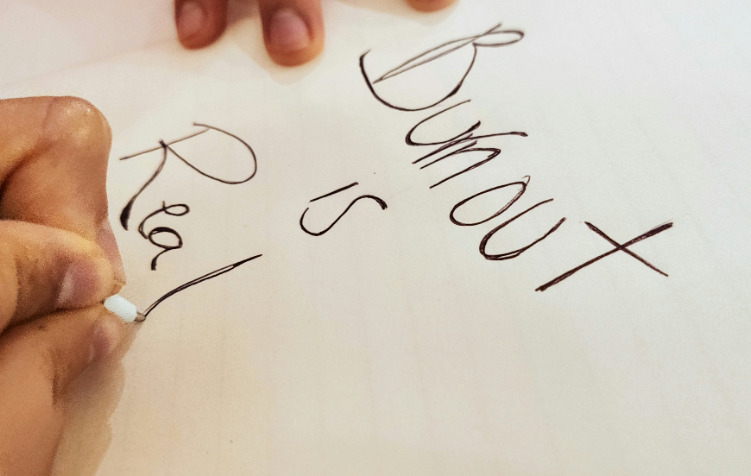


Understanding Burnout
Burnout is a state of emotional, physical, and mental exhaustion caused by prolonged and excessive stress. It often manifests as a response to chronic workplace stressors, but it can also arise from personal pressures and overwhelming life circumstances. Recognizing burnout is essential because it not only affects workplace performance, but also one’s overall well-being.
The symptoms of burnout can be varied and may present differently in each individual. Common psychological signs include feelings of cynicism or detachment from work, a sense of inefficacy, and increased irritability. Physical signs may involve fatigue, sleep disturbances, and even frequent illnesses due to a weakened immune system. Those experiencing burnout may also find themselves withdrawing socially, struggling to concentrate, and lacking motivation in their daily activities.
Despite its increasing prevalence, there are many misconceptions regarding burnout. One prevalent myth is that burnout only occurs in high-pressure jobs; however, it can affect anyone, regardless of their profession, including caregivers, educators, and administrative professionals. Additionally, burnout is sometimes mistaken for mere stress or fatigue, but the intensity and duration of symptoms characterizing burnout set it apart. While stress can motivate individuals to perform, burnout results in a sense of helplessness and can lead to a decline in job performance.
Burnout is more than just being tired after a long day at work; it is a complex syndrome that requires attention and understanding. Identifying the signs early on can be pivotal in both mitigating its effects and fostering a healthier work-life balance. By recognizing the symptoms and acknowledging the misconception surrounding this condition, individuals can take necessary steps towards recovery and prevention.
The Stages of Burnout
Burnout is a gradual process that often develops over time, starting with initial signs of stress and evolving into a state of exhaustion that can seriously impact one’s mental and emotional well-being. Recognizing the distinct stages of burnout can play a crucial role in preventing its progression to a more severe state.
The initial stage of burnout is characterized by chronic stress. During this phase, individuals may notice increased fatigue, irritability, and a sense of being overwhelmed. It is common for people to feel as though they are unable to cope with the demands placed upon them, leading to a decline in their performance and productivity.
As the condition progresses, the second stage emerges, known as the stage of physical and emotional exhaustion. At this point, individuals may experience significant physical symptoms, such as frequent headaches or gastrointestinal issues, and emotional symptoms, including feelings of cynicism or detachment from their work or relationships. The lack of energy becomes palpable, making it difficult to engage in social settings or maintain motivation.
The third stage involves a profound sense of disconnection from one’s work, often described as depersonalization. Individuals may begin to view their tasks as unfulfilling or may feel indifferent toward their achievements. This sense of disengagement can lead to a further decline in mental health, as feelings of hopelessness and inadequacy begin to surface.
Finally, the most critical stage of burnout results in a complete emotional breakdown. Individuals may find themselves unable to function, dealing with severe anxiety, depression, or even physical health crises. This state is extremely detrimental, necessitating immediate intervention and care.
Recognizing the stages of burnout is essential for taking proactive measures to address the signs and reclaim one’s well-being. By acknowledging where one stands on this continuum, it becomes possible to seek help and implement coping strategies before experiencing the overwhelming fallout of burnout.
Recognizing the Emotional Signs of Burnout
Burnout often manifests through a variety of emotional symptoms that are essential to recognize before they escalate. One of the most common signs is a persistent feeling of sadness or emptiness that individuals may experience on a regular basis. This can range from a subtle sense of dissatisfaction to profound despair, indicating a deeper emotional struggle and a potential precursor to burnout. Another critical emotional symptom includes heightened anxiety levels. When simple daily tasks start to feel overwhelming and one’s ability to cope diminishes, anxiety can quickly spiral, preventing adaptation to routine challenges and contributing to feelings of inadequacy.
In addition, irritability becomes prevalent in those grappling with burnout. Minor grievances can trigger disproportionate, intense reactions, leading to stress and conflict in interpersonal relationships, both at work and home. It is crucial for individuals to pay attention to these changes, as heightened emotional responses may hinder effective communication and result in escalated tensions.
Self-reflection plays a pivotal role in identifying these emotional signs of burnout. Keeping a journal that records daily feelings can facilitate recognition of patterns that may indicate rising stress and emotional fatigue. Regularly assessing one’s emotional state can empower individuals to take proactive measures in managing their well-being. Another valuable approach is seeking feedback from trusted colleagues or friends; they may offer insights into any behavioral changes that one might overlook due to their normalization of the symptoms.
Ultimately, recognizing emotional signs of burnout is foundational for early intervention. By staying attuned to one’s emotions—such as persistent sadness, anxiety, or irritability—individuals are better equipped to address these feelings in a constructive manner, allowing for timely and effective action before reaching a more critical state.
Identifying Behavioral Changes
Recognizing the behavioral changes associated with burnout is crucial for early intervention and self-care. One of the most significant indicators is withdrawal from social interactions. Individuals experiencing burnout may find themselves increasingly isolating from friends, family, and colleagues. This withdrawal can manifest as avoiding social gatherings or declining invitations, leading to a sense of loneliness and exacerbating the mental strain. Monitoring these changes in sociability is a critical step in identifying early signs of burnout.
Furthermore, a noticeable decline in performance at work is another behavioral signal. Individuals may experience a diminished interest in their work responsibilities, resulting in a lack of motivation. Tasks that were once manageable may start to feel overwhelming, and the quality of work may drop significantly. If you find yourself frequently missing deadlines or struggling to concentrate, it may be time to reflect on whether burnout is impacting your professional life.
Procrastination is yet another behavioral change that many experience when approaching burnout. Tasks that need immediate attention may be delayed for no clear reason, leading to added stress and guilt. Those facing disruptive thoughts may find it challenging to adhere to their usual productivity patterns, causing them to fall behind on work commitments and obligations.
Awareness of these behavioral changes is essential in recognizing burnout before it escalates. By taking the time to observe and reflect on personal behaviors, individuals can take proactive steps to address their mental health and seek appropriate support. Consistent self-assessment can make a significant difference in preventing burnout and promoting overall well-being.
Physical Symptoms to Watch For
Recognizing the hidden signs of burnout is essential for maintaining overall well-being and productivity. One of the most pronounced aspects of burnout manifests physically. Individuals experiencing burnout often report chronic fatigue, a deep-seated exhaustion that is not alleviated by rest. This persistent tiredness can lead to a decline in performance and a diminished sense of accomplishment, making it important to be vigilant about such symptoms.
Changes in sleep patterns frequently accompany this fatigue. Individuals may find difficulty falling asleep or staying asleep, while others may sleep excessively without feeling refreshed. These disruptions in sleep can further exacerbate physical symptoms and indicate a deeper underlying issue related to stress and emotional fatigue.
In addition to chronic fatigue and altered sleep patterns, unexplained aches and pains can serve as vital indicators of burnout. Common examples include headaches, muscle tension, and gastrointestinal issues. These physical manifestations often arise from stress and anxiety, acting as warning signs that the body is under relentless strain. Individuals should pay close attention to these symptoms as they often signal an urgent need to address the balance between stress and self-care.
Understanding these physical symptoms is crucial, as they can be easily overlooked or attributed to other factors. However, recognizing them as potential indicators of burnout allows individuals to take proactive measures. Addressing these early warning signs can be pivotal in preventing further decline into mental and physical distress.
The Role of Self-Reflection
Self-reflection serves as a vital strategy in recognizing the early signs of burnout. Regularly checking in with oneself enables individuals to gauge their emotional, mental, and physical well-being, which is crucial for preventing the escalation of stress into burnout. Implementing a self-reflection practice allows for an introspective approach to daily experiences and stressors, fostering greater self-awareness.
One effective method for self-reflection is maintaining a journal. By documenting daily thoughts and feelings, individuals can identify patterns and triggers that signal rising stress levels. This practice not only aids in organizing thoughts but also helps to articulate emotions, providing a clearer understanding of one’s state. It can be beneficial to set aside time each week to review these entries, allowing for an evaluation of changes over time.
Additionally, asking oneself specific questions can enhance self-awareness and provide insight into personal stressors. Consider reflecting on queries such as: What aspects of my life currently feel overwhelming? Am I regularly taking time for self-care? How do my interactions with colleagues or friends impact my mood? These questions encourage thoughtful consideration of one’s current situation and facilitate the recognition of stress before it develops into a more serious condition.
Meditation and mindfulness practices can also contribute to effective self-reflection. Taking a few moments each day to practice mindfulness helps ground individuals in the present moment, reducing anxiety and promoting clarity of thought. Through mindfulness, one can better identify feelings of fatigue or irritability as they arise, allowing for timely interventions.
In conclusion, self-reflection is an essential practice for maintaining mental health and preventing burnout. By creating a habit of introspection, individuals can recognize signs of stress early on, enabling proactive measures to be taken before reaching a critical point.
Creating a Support System
In the journey towards recognizing and managing burnout, establishing a robust support system is essential. Friends, family, and colleagues play a critical role in providing the necessary insights and emotional backing that can help individuals identify the early warning signs of burnout. These supportive relationships can act as a buffer against the overwhelming pressures that often accompany demanding professional and personal commitments.
Family members can offer a unique perspective, as they are often the first to notice behavioral changes, withdrawal, or excessive fatigue in loved ones. Their observations can prompt meaningful conversations about stress levels and coping mechanisms. Additionally, friends can create an environment where open discussions about mental wellbeing are encouraged, allowing individuals to share their feelings without fear of judgment.
Workplace relationships are equally important. Colleagues can often sense when a teammate is struggling with workload management or signs of emotional exhaustion. Fostering an environment of camaraderie and mutual support in professional settings can facilitate the identification of burnout before it escalates to a breaking point. Engaging in regular check-ins, team-building activities, or wellness initiatives can strengthen these bonds and create a culture where individuals feel safe to express their concerns.
Moreover, professional support networks, such as mentors or therapists, can be invaluable. They offer tailored guidance and coping strategies to address personal triggers of burnout. By integrating diverse sources of support, individuals can enhance their resilience against stress while improving their ability to recognize signs of burnout early. In cultivating these connections, one can better navigate the complexities of life without hitting a wall, reaffirming the importance of a strong support system within both personal and professional realms.
Strategies for Prevention
Preventing burnout involves a multifaceted approach that focuses on maintaining a balanced lifestyle and promoting mental well-being. One of the most effective strategies is to establish clear boundaries between work and personal life. This can be achieved by setting specific work hours and adhering to them, ensuring that work-related tasks do not encroach upon personal time. Communicating these boundaries to colleagues and management can further reinforce the importance of work-life separation.
Another essential strategy is prioritizing work-life balance. Engaging in activities outside of work, such as hobbies, exercise, or spending time with friends and family, can significantly improve one’s emotional well-being. Regular engagement in leisure activities serves as a reminder that there is more to life than work, thereby reducing feelings of stress and anxiety associated with job pressures.
Furthermore, practicing self-care is crucial for preventing burnout. This includes ensuring adequate rest, maintaining a healthy diet, and pursuing regular physical activity. Activities such as meditation, yoga, or even short breaks during the workday can help individuals reconnect with themselves and foster a sense of inner peace. Allocating time for self-care can enhance resilience against the pressures that contribute to burnout.
Utilizing time management techniques can also be beneficial. Breaking tasks into smaller, manageable chunks can make overwhelming projects feel more achievable. Additionally, learning to say no to excessive commitments allows individuals to focus on priorities and avoid the feeling of being stretched too thin.
Incorporating these strategies into daily routines can empower individuals to recognize potential burnout signs early and take proactive measures to address them. By establishing boundaries, enhancing work-life balance, and committing to self-care practices, individuals can cultivate a healthier work environment and improve overall mental health.
When to Seek Professional Help
Recognizing when to seek professional help for burnout is a crucial step towards recovery and maintaining mental well-being. Burnout does not always manifest in clear or obvious ways; therefore, it is essential to be aware of the subtle signs that indicate the need for external support. One of the primary indicators is persistent feelings of exhaustion that do not subside with rest or relaxation. Individuals experiencing burnout often feel drained both physically and emotionally, leading to reduced productivity and a diminished sense of accomplishment.
Another warning sign is the growing sense of cynicism or detachment from work, relationships, or personal interests. This can foster feelings of apathy or lead to a withdrawn state, making everyday activities feel burdensome. If you notice a consistent pattern of negative thoughts, it may signal a need to seek professional help, especially if these thoughts interfere with normal functioning.
Moreover, experiencing changes in appetite or sleep patterns can be symptomatic of burnout. When stress levels rise, many individuals find their eating habits disrupted or struggle with insomnia. These physical manifestations can deteriorate overall health and are crucial indicators that an individual may benefit from professional intervention.
While stigma surrounding mental health issues persists, recognizing the importance of seeking help is vital. Engaging with a therapist or counselor can provide valuable insights and coping strategies tailored to the unique experiences of burnout. It is important to remember that reaching out for help is not a sign of weakness, but rather an empowered step towards reclaiming balance and restoring one’s mental health. Encouraging self-advocacy, seeking professional assistance can facilitate healing, ensuring that individuals no longer have to navigate their struggles alone.