
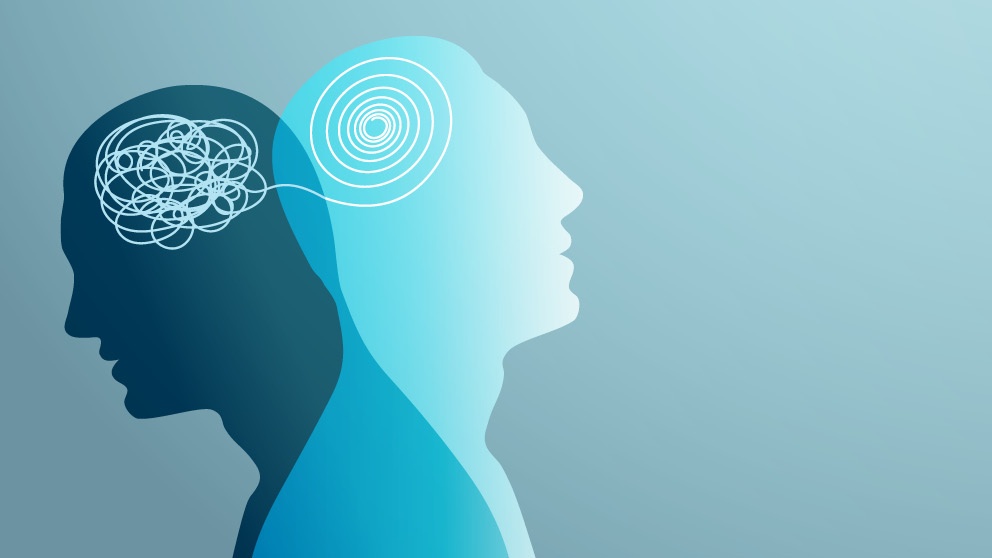


You do not always see the damage right away.
Sometimes addiction does not crash into a person’s life like a storm. Sometimes it slips in like fog. Slow. Thick. Easy to miss. What stands out first is not always the drinking, the pills, or the drug use. It is the mood. The silence. The tired eyes. The short temper. The way someone who used to care starts drifting through the day like their spark got switched off.
That is what makes this so easy to overlook.
A lot of people think addiction only shows up in obvious ways. Missed work. Money problems. Big fights. Physical decline. Those things can happen, yes. But long before that, addiction often starts wearing down mental health in quieter ways. It changes how you feel. How you think. How you connect. It can make everyday life feel heavier than it should.
So if you have been wondering whether something deeper is going on, it is worth paying attention.
When irritability becomes the new normal
Everyone gets annoyed. Everyone has rough days.
But there is a difference between normal stress and the kind of irritability that sticks around like a splinter under the skin. When addiction starts affecting mental health, small things can suddenly feel huge. A simple question feels like pressure. A minor delay feels unbearable. A normal conversation turns into an argument.
You may notice someone snapping more often. Or maybe that someone is you.
It is not always because the person wants to be difficult. Sometimes their mind and body are stretched thin. Substance use can throw off sleep, mood, stress response, plus emotional control. That creates a short fuse. Even calm moments can feel charged.
Think of it like a phone battery stuck on 5 percent. Every little task feels harder. Every notification feels louder. That is what daily life can feel like when addiction starts eating into emotional balance.
Then comes the pulling away
This is one of the biggest signs people miss.
A person may stop texting back. They may skip family dinners. They may seem “busy” all the time. On the surface, it looks like distance. Underneath, it can be shame, emotional exhaustion, or a growing sense that social life takes too much effort.
Withdrawal is not always dramatic. It can look ordinary.
Someone who used to joke around goes quiet. Someone who used to show up stops making plans. Someone who once cared about friendships starts fading into the background. It is easy to label that as being moody or private. But often, it points to something more serious.
Addiction can shrink a person’s world. Mental health struggles do the same. Put them together, and it can feel like the walls are closing in.
I once knew someone who stopped coming to weekend lunches, and everyone thought he was just tired from work.
Later, it turned out he was not only struggling with substance use. He was also sinking into hopelessness and isolation.
Mood swings that feel sharper than usual
One moment things seem fine. Then the mood drops. Fast.
This is another sign that gets brushed off. People may say someone is being emotional or unpredictable. But when addiction is affecting mental health, mood swings can become more intense and more frequent. A person can move from upbeat to angry, from numb to anxious, from restless to shut down, all in the same day.
That emotional whiplash wears people out.
Sometimes it is tied to the effects of the substance itself. Sometimes it shows up when the substance wears off. Either way, the mind has a harder time finding steady ground. It is like trying to stand on sand while the tide keeps coming in.
And for the person living through it, that instability can feel scary. They may not know why they cannot stay level. They may start blaming themselves. That only adds more weight.
Poor sleep is not just “having a bad night”
Sleep problems are easy to dismiss because so many people deal with them.
But poor sleep linked to addiction and mental health struggles has a different feel. It is not only staying up too late. It is lying awake with a racing mind. It is waking up at 3 a.m. with dread in your chest. It is sleeping for hours but still feeling like you got hit by a truck.
When sleep falls apart, everything else gets harder.
Your patience drops. Your focus slips. Emotions get louder. Hope gets quieter.
That is why poor sleep matters so much here. It is not just another symptom on the list. It is fuel on the fire. It can make anxiety worse. It can deepen sadness. It can make cravings harder to manage. Then the cycle keeps going.
You feel bad, so you use. You use, so you sleep poorly. You sleep poorly, so your mind feels worse. Round and round.
Hopelessness can hide behind a blank face
This one is especially important.
Not everyone says, “I feel hopeless.” Many people do not have the words for it. Some do not want to admit it. Others are trying so hard to look okay that all you see is a flat expression and a quiet voice.
But hopelessness has tells.
A person may stop talking about the future. They may lose interest in goals they once cared about. They may shrug at everything, as if nothing matters anyway. Their words get darker. Their energy drops. Their sense of possibility starts to disappear.
This is where addiction can do deep damage. Over time, substance use can twist the way a person sees themselves. It can whisper lies like, “You are stuck,” or “Nothing will change,” or “You already messed things up too much.”
That kind of thinking is heavy. It can make reaching out feel pointless.
If you are seeing signs like this in yourself or someone you care about, it may help to look beyond the surface and learn what real support can look like through places that offer Substance Abuse Treatment in Idaho.
Loss of motivation is more than laziness
Let’s clear this up.
When someone stops caring about chores, work, hygiene, hobbies, or plans, people often call them lazy. That label misses the point. Loss of motivation can be a flashing warning sign that addiction is affecting mental health in a serious way.
Things that once felt easy now feel like climbing a hill with wet shoes.
Getting out of bed takes effort. Returning a message feels exhausting. Making food feels like too much. Even simple choices can feel strangely hard. It is not always because the person does not care. Often, it is because their inner drive has been drained dry.
Substance use can dull reward systems in the brain. Mental health struggles can do the same. So the things that used to bring satisfaction start feeling flat. That emptiness can make a person use even more, just to feel something or to get through the day.
That is why motivation loss should never be brushed off as a character flaw. It is often a sign of pain, not a lack of discipline.
Watch for the everyday changes
Sometimes the clearest clues are the small ones.
A person stops opening the curtains. They stop replying in full sentences. They stop laughing the same way. Their room gets messier. Their face looks more tense. They say “I’m fine” too quickly. They cancel things they used to enjoy.
None of these signs alone prove addiction or a mental health issue.
But together, they can tell a story.
That story often says the person is not okay, even if they are trying hard to appear functional. Many people still go to work. Still smile in public. Still post online. But inside, things feel scrambled. Like a house that looks neat from the street while the rooms inside are slowly falling apart.
So pay attention to patterns, not just big moments.
Why people miss the signs
Part of the reason is simple.
Many of these symptoms overlap with stress, burnout, depression, anxiety, or grief. Plus people often hide addiction well, especially in the early or middle stages. They explain things away. Other people do the same for them.
“He is just stressed.”
“She is going through a phase.”
“They have a lot on their plate.”
Maybe. But maybe not.
When irritability, withdrawal, mood swings, hopelessness, poor sleep, and loss of motivation start piling up, it is worth taking a closer look. Not with judgment. With care.
Because when addiction and mental health problems feed each other, the person in the middle can feel trapped in a loop they do not know how to break.
What support can look like
Support does not have to start with a perfect speech.
You do not need to swoop in with all the answers. You do not need to push or lecture. Often, the best first step is a calm conversation. A simple check-in. A gentle, honest moment that says, “You do not seem like yourself lately. I care about you.”
That kind of opening matters.
For some people, professional help is the next right step. A trusted treatment program can help untangle both substance use and the mental health struggles wrapped around it. If you are exploring options, learning about an Addiction Treatment Center can be a helpful place to start.
And if the person you are worried about is you, try not to wait until things look dramatic from the outside. Pain does not need to become a public crisis before it deserves attention.
The truth people need to hear
Addiction does not only affect behavior. It affects emotional life. Inner life. The private world no one else fully sees.
It can make you harsher, quieter, sadder, more tired, more detached. It can steal your rhythm before it steals your routine. That is why these overlooked signs matter so much. They are often early clues that something serious is going on beneath the surface.
Still, none of this means hope is gone.
People recover. Mental health can improve. Connection can come back. Energy can return. Life can feel lighter again.
So if this article brought someone to mind, trust that nudge. Reach out. Start the conversation. Or take that first small step for yourself. You deserve support, plus things really can get better.