


Healthy snacking plays a crucial role in a balanced diet, particularly when it comes to weight management. The practice of consuming snacks can significantly assist in controlling hunger, thus reducing the likelihood of overeating during main meals. This is particularly important for individuals who are aiming to lose weight, as managing hunger and satiety is a key element of successful weight loss strategies.
In addition to curbing appetite, healthy snacks can help maintain energy levels throughout the day. Many people experience energy slumps between meals, which can lead to cravings for high-calorie, less nutritious foods. Opting for snacks that are low in calories yet rich in nutrients can provide the necessary energy boost while supporting overall health. For instance, snacks that are high in protein and fiber can promote feelings of fullness, which may keep individuals from raiding the pantry for calorie-dense options.
The importance of choosing nutrient-dense snacks cannot be overstated. Snacks that are low in calories but high in essential nutrients, such as vitamins, minerals, and antioxidants, contribute positively to one’s dietary intake. This balance is essential for anyone, particularly for those who are losing weight, as it ensures that the body receives the necessary nutrients without excessive calorie consumption. By focusing on healthy options like fruits, vegetables, nuts, and whole grains, individuals can create a satisfying snacking routine that supports their weight loss journey.
Ultimately, the choice of snacks can have a profound impact on dietary habits and weight loss success. By integrating healthy snacks into daily routines, individuals are more likely to achieve their weight loss goals while still enjoying a variety of flavors and textures.
Top Healthy Snacks Under 100 Calories
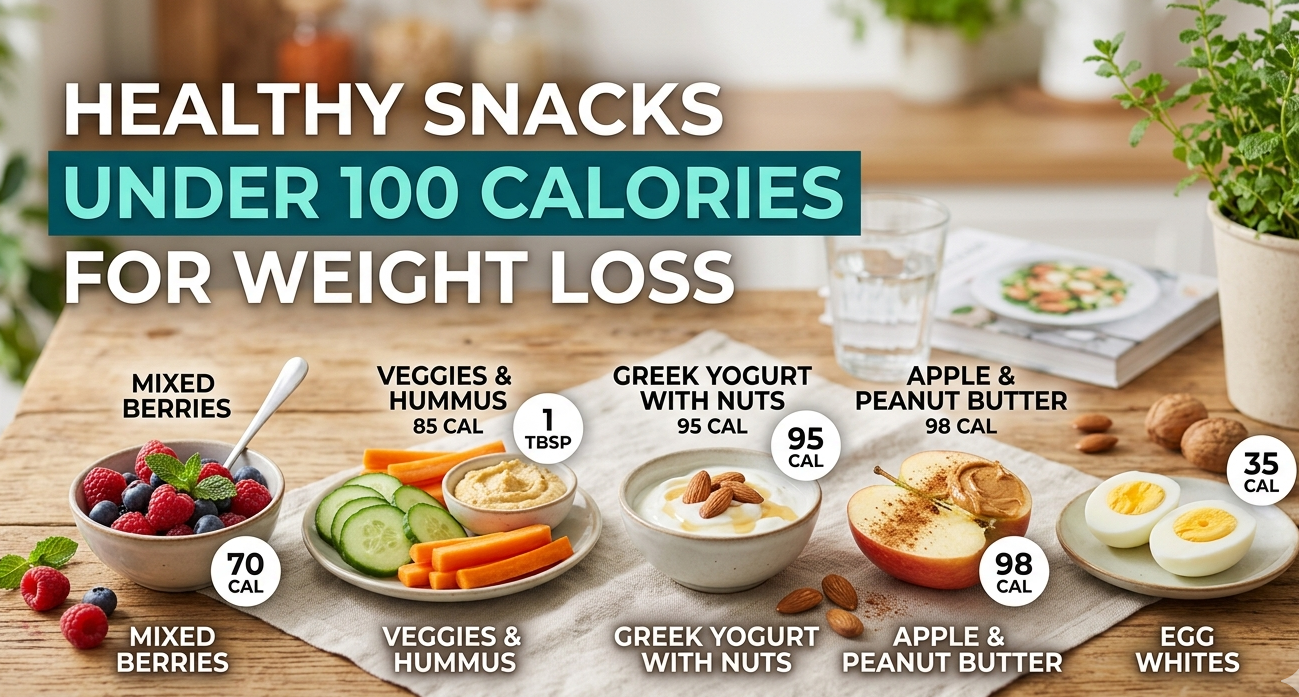
Maintaining a balanced diet while managing calorie intake can be challenging, especially when looking for healthy snacks. Here is a list of nutritious snack options, each containing fewer than 100 calories, that can support your weight loss goals.
1. Fresh Berries: A cup of strawberries or blueberries contains roughly 50 to 80 calories. Rich in antioxidants, vitamins, and fiber, berries are a convenient and tasty snack that can satisfy sweet cravings while providing numerous health benefits.
2. Baby Carrots with Hummus: About ten baby carrots (approx. 35 calories) paired with 2 tablespoons of hummus (around 50 calories) make for a crunchy and satisfying treat. This combination offers a good source of vitamins A and C, along with healthy fats and protein from hummus.
3. Apple Slices with Cinnamon: One medium apple contains approximately 95 calories. Slicing the apple and sprinkling some cinnamon brings flavor without adding calories. Apples provide dietary fiber, promoting satiety.
4. Greek Yogurt: A generous half-cup of non-fat Greek yogurt can be enjoyed for about 80 calories. It is high in protein and calcium, contributing to muscle maintenance and bone health. You can enhance its taste with a handful of berries or a sprinkle of nuts, keeping the total under 100 calories.
5. Almonds: A small handful (about 14 almonds) comprises roughly 100 calories. Though calorie-dense, these nuts are rich in healthy monounsaturated fats, protein, and antioxidants, making them a worthwhile choice for satiating hunger between meals.
6. Vegetable Sticks: Cucumber, bell peppers, or celery sticks are excellent low-calorie options. A cup of assorted vegetable sticks amounts to merely 25 calories. These can be refreshing and hydrating snacks, ideal for weight loss with their high water content.
Choosing healthy snacks under 100 calories ensures that you can nibble guilt-free while adhering to a weight loss plan. Each option listed above is not only low in calories but also packed with essential nutrients, aiding in overall health and wellness.
Creative Ways to Incorporate Healthy Snacks into Your Diet
Incorporating healthy snacks into your daily diet can be a strategic approach to weight loss while enhancing overall nutritional intake. Meal prepping is one effective method that can facilitate this process. By dedicating a few hours each week to prepare snacks, you can ensure you have nutritious options readily available. For example, consider cutting vegetables such as carrots, cucumbers, and bell peppers into sticks and packaging them in portion-controlled containers. Pair these with a small container of hummus or Greek yogurt for a satisfying, low-calorie snack.
Another practical tip is to keep healthy snacks easily accessible. Stock your pantry and refrigerator with fruits, nuts, whole grain crackers, and low-calorie yogurt. This method reduces the temptation to opt for high-calorie alternatives when hunger strikes. Keeping a variety of these snacks on hand allows for spontaneous and nutritious choices throughout the day.
Combining snacks can also help create balanced and satisfying options. For instance, a handful of almonds paired with a small apple provides protein and fiber, contributing to greater satiety. Similarly, combining whole grain toast with avocado or natural peanut butter makes for a delicious and nutritious snack without exceeding 100 calories.
Timing your snacks is crucial to maximizing energy levels and managing hunger. Strategically placing snacks between meals—such as mid-morning or mid-afternoon—can help maintain steady energy levels and prevent unhealthy eating patterns. It can also be beneficial to listen to your body’s hunger cues rather than following strict schedules. By paying attention to when you feel hungry, you can better align snack times with your body’s needs, promoting a healthy relationship with food.
Conclusion: Crafting Your Healthy Snacking Strategy
In today’s fast-paced world, the importance of choosing healthy snacks under 100 calories cannot be overstated. This blog has explored a variety of nourishing options that cater to diverse tastes and nutritional needs, making it easier to resist unhealthy snacks while still enjoying delicious bites. As we have seen, integrating these nutritious choices into your diet can play a significant role in your overall weight loss journey.
Mindful eating is a vital component in developing a healthy snacking strategy. Taking the time to evaluate your snacking habits not only allows you to identify unhealthy patterns but also helps you make informed decisions about what you consume. Consider keeping a food diary that highlights when and why you reach for snacks. This self-reflection can help you better understand your cravings and identify emotional triggers.
As discussed, experimenting with various healthy snacks can also aid in discovering new favorites that satisfy your taste buds without exceeding your calorie limit. The options are plentiful, from crunchy vegetables and hummus to Greek yogurt with berries, allowing you to personalize your snacking experience while remaining within your caloric goals. Furthermore, incorporating balanced snacks into your routine can prevent overeating at meal times, which ultimately supports weight management.
By taking an approach that blends both healthy options and mindful practices, you can develop a personalized healthy snacking strategy that aligns with your weight loss goals. Remember, the journey to healthier snacking is gradual, and persistence is key. Embrace the journey, stay open to changes, and you will likely find that the transition to healthier habits can lead to lasting benefits for both your body and mind.