
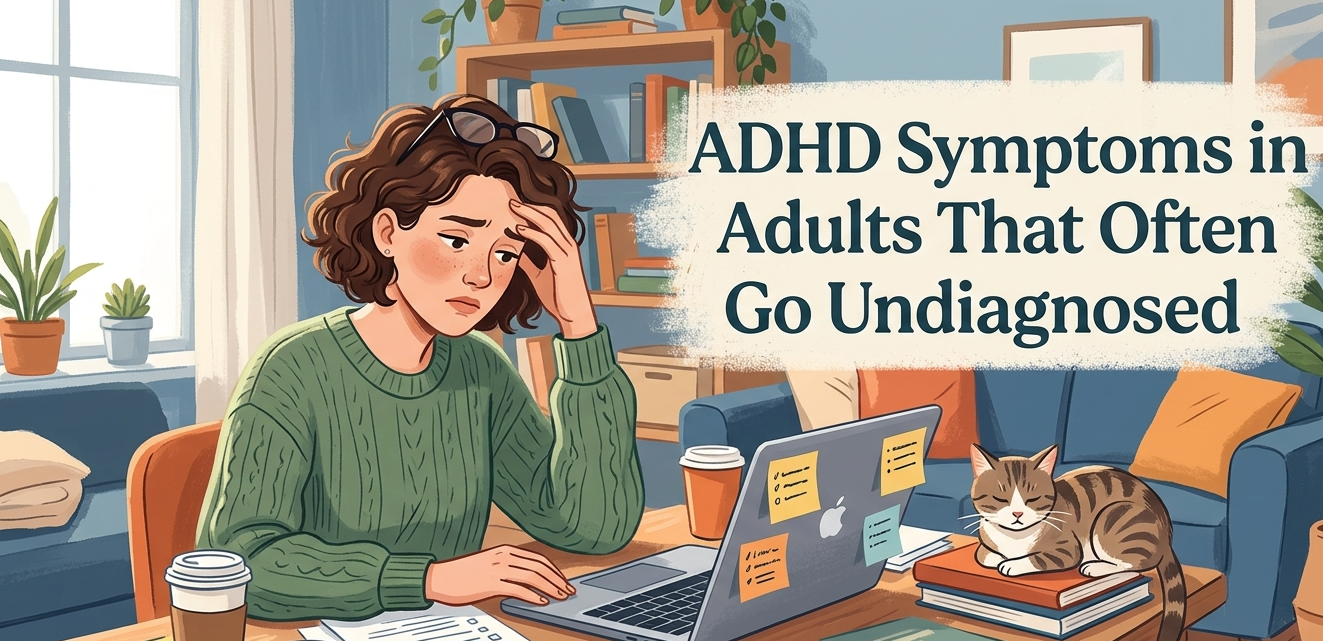

 is often perceived as a childhood condition, yet it continues to affect many adults)
Introduction to ADHD in Adults
Attention-Deficit/Hyperactivity Disorder (ADHD) is a neurodevelopmental condition characterized by persistent patterns of inattention, hyperactivity, and impulsivity that can interfere with functioning or development. Historically, ADHD has been prominently associated with children; however, recent studies indicate that this disorder often continues into adulthood, with varying manifestations that can easily go unrecognized.
Research estimates that approximately 4% to 5% of adults worldwide are living with ADHD. Despite the significant prevalence, many adults remain undiagnosed, largely due to the misconceptions surrounding the condition, which often trivialize its impact in adulthood. Beautifully coexisting with other mental health issues, ADHD tends to go unnoticed as individuals may have developed coping mechanisms that mask their difficulties.
Understanding ADHD in adults requires a shift in perspective. Unlike children, who may exhibit overt hyperactivity, adults often present with a more subdued version of the disorder. Symptoms may manifest as chronic disorganization, difficulty prioritizing tasks, or an overwhelming struggle to maintain focus, leading to challenges in both personal and professional domains. Adults with ADHD may also experience problems with emotional regulation, resulting in mood swings that complicate relationships and everyday responsibilities.
The recognition of ADHD symptoms in adults is crucial for providing appropriate support and intervention. Awareness of these signs can lead to effective management strategies, enabling individuals to harness their strengths and mitigate challenges associated with the disorder. Thus, understanding how ADHD differs from its presentation in childhood lays the groundwork for acknowledging and identifying specific symptoms that many adults may face.
Common Symptoms of Adult ADHD
Attention Deficit Hyperactivity Disorder (ADHD) is often perceived as a childhood condition; however, its symptoms frequently persist into adulthood, leading many adults to remain undiagnosed. This often results in a variety of challenges that can affect their personal and professional lives. The common symptoms of adult ADHD primarily revolve around inattention, hyperactivity, and impulsivity, each of which can significantly impact day-to-day activities.
Inattention is one of the hallmark symptoms of ADHD in adults. Individuals may struggle to maintain focus on tasks, particularly those that are monotonous or require sustained mental effort. This can manifest as frequent mistakes in work or studies, a tendency to overlook details, and difficulty organizing activities or managing time effectively. Adults with inattention may also find themselves easily distracted by extraneous stimuli, making it challenging to complete projects or adhere to schedules.
Hyperactivity in adults often appears differently than in children. Rather than overt fidgeting or excessive movement, adults may experience restlessness. This restlessness can lead to an inability to relax or unwind, with individuals feeling compelled to be busy or engaged in activities at all times. Such behaviors may be misunderstood as being overly driven or energetic, complicating social interactions and relationships.
Impulsivity is yet another prominent symptom of adult ADHD, manifesting in various life aspects. Adults may engage in hasty decision-making without considering consequences, resulting in impulsive purchases or sudden life changes. This symptom can also lead to difficulties in interpersonal relationships, as the inability to pause and think before responding can create misunderstandings and conflicts.
Recognizing these symptoms is crucial for adults who may be experiencing challenges in their daily lives. Understanding that these behaviors can stem from ADHD may motivate individuals to seek appropriate interventions and support to improve their overall quality of life.
The Overlap with Other Mental Health Conditions
Attention Deficit Hyperactivity Disorder (ADHD) is often accompanied by a range of other mental health conditions, leading to a significant overlap in symptoms that can complicate diagnosis and treatment. Common co-occurring conditions include anxiety disorders, depression, and learning disabilities. Many adults with ADHD may not be aware of their symptoms being part of a broader spectrum of mental health issues, resulting in misdiagnosis or underdiagnosis of ADHD.
For instance, both ADHD and anxiety can manifest as restlessness, difficulties in concentration, and irritability. Adults with anxiety may also find it challenging to maintain focus on tasks, a symptom that can easily be mistaken for ADHD. As a result, individuals may be treated for anxiety while the underlying ADHD remains unaddressed. Furthermore, the emotional dysregulation often seen in ADHD can lead to feelings of hopelessness, which may mimic or exacerbate depressive symptoms. This overlap can cloud the clinical picture, making it difficult for healthcare providers to differentiate between anxiety, depression, and ADHD.
Additionally, learning disabilities often coexist with ADHD, affecting reading, writing, and mathematics skills. Adults experiencing these challenges may attribute their academic and professional difficulties to other issues rather than recognizing ADHD as a contributing factor. This can lead to further complications, such as prolonged psychological distress and a lack of appropriate strategies to cope with everyday challenges.
Understanding how ADHD symptoms overlap with other mental health conditions is crucial for accurate diagnoses and effective treatments. It is essential for practitioners to conduct thorough assessments, considering all potential symptoms and coexisting disorders. By doing so, individuals can receive the appropriate support they need, reducing the likelihood of being misdiagnosed as well as fostering a pathway to improved mental health and overall well-being.
Undiagnosed ADHD: Causes and Implications
Attention Deficit Hyperactivity Disorder (ADHD) is often perceived predominantly as a childhood condition. This widespread belief leads to significant challenges in diagnosing ADHD in adults, primarily due to societal stigmas and misconceptions surrounding the disorder. Adults may discount their symptoms as mere personality traits or character flaws, avoiding a formal diagnosis that could lead to effective management strategies. This lack of awareness and recognition can stem from a societal trend that emphasizes individual accountability over understanding mental health conditions.
In addition, many misconceptions about ADHD persist. For instance, some individuals erroneously believe that ADHD symptoms, such as inattention or impulsivity, disappear upon reaching adulthood. This perspective perpetuates the notion that adults exhibiting these symptoms are simply irresponsible rather than potentially experiencing a neurodevelopmental disorder. Furthermore, the overlap of ADHD symptoms with other mental health issues, such as anxiety or depression, can lead to misdiagnosis, further complicating the matter.
The implications of living with undiagnosed ADHD can be profound. Adults frequently experience challenges in multiple life domains, including their professional career, personal relationships, and overall well-being. For instance, difficulties with sustained attention and organization can hinder job performance, resulting in underachievement and potential job loss. In personal relationships, symptoms like impulsivity or emotional dysregulation can lead to misunderstandings and conflicts, adversely affecting connections with family and friends. Overall, the lack of diagnosis can contribute to decreased life satisfaction and increased feelings of frustration and isolation.
Ultimately, recognizing and addressing undiagnosed ADHD is crucial for improving the quality of life for affected individuals. Awareness and education about adult ADHD can help in reducing stigmas and promote a better understanding of the condition, thereby facilitating timely diagnosis and more effective interventions.
Signs of ADHD That Are Often Missed
Attention Deficit Hyperactivity Disorder (ADHD) is often thought of as a condition primarily affecting children. However, many adults also experience ADHD symptoms, some of which can be quite subtle and easily overlooked. One such symptom is chronic boredom. Adults with ADHD may find it challenging to engage in activities for extended periods, leading to a sense of restlessness and dissatisfaction. This chronic state of boredom can manifest in various ways, including a constant search for new stimuli and difficulty completing tasks that do not provide immediate rewards or excitement.
Another often-missed sign of ADHD in adults is organizational difficulties. Many individuals with ADHD struggle to maintain organization in both personal and professional environments. This may include challenges in keeping track of important documents, managing appointments, or even remembering to return phone calls. These organizational challenges may not be immediately associated with ADHD, leading to the potential for misdiagnosis or failure to seek the needed help.
Time management presents another challenge for adults living with ADHD. They may struggle to gauge how much time tasks will take or have trouble sticking to schedules. This can result in frequent lateness, missed deadlines, and an overall feeling of being overwhelmed by responsibilities. Coupled with this is emotional dysregulation, which refers to the difficulty in managing emotional responses. Individuals may experience heightened emotional responses to situations or have trouble calming themselves after becoming upset. This emotional volatility can strain relationships and further complicate daily functioning.
Awareness of these less obvious symptoms is crucial, as they significantly impact the quality of life for many adults with ADHD. Identifying these signs allows for a better understanding of the disorder, leading to more effective coping strategies and treatment options tailored to individual needs.
Impact of Untreated ADHD on Daily Life
Living with untreated Attention Deficit Hyperactivity Disorder (ADHD) can significantly affect an individual’s daily functioning and overall mental health. One of the most evident areas impacted is work performance. Adults with ADHD might struggle with time management, organization, and focus, leading to missed deadlines and decreased productivity. These challenges can contribute to a frustrating cycle of job performance issues, resulting in possible job loss or frequent job changes, which can exacerbate feelings of inadequacy.
In personal relationships, untreated ADHD can create substantial strain. Individuals may experience difficulty in maintaining attention during conversations or may feel overwhelmed by social interactions. These symptoms can lead to misunderstandings with partners, family members, and friends. Over time, such interpersonal challenges may foster feelings of isolation or resentment, further complicating relationships and causing emotional distress.
Self-esteem is another critical area that suffers due to untreated ADHD. Adults may frequently compare themselves to others and feel inadequate when they cannot meet societal expectations or personal goals. This diminished self-worth often manifests as anxiety or depression, compounding the existing ADHD symptoms. The inability to manage daily tasks effectively may lead individuals to doubt their capabilities, creating a negative feedback loop that impacts other life areas.
Beyond these specific domains, untreated ADHD can lead to difficulties in adopting healthy lifestyles, including maintaining regular exercise routines or social activities. Many individuals may find themselves trapped in a continuous cycle of disorganization and frustration, which affects their quality of life and overall mental wellness. Awareness of how untreated ADHD impacts daily functioning is crucial for encouraging individuals to seek appropriate help and support.
Assessment and Diagnosis of Adult ADHD
The assessment and diagnosis of Attention Deficit Hyperactivity Disorder (ADHD) in adults is a crucial process that often involves multiple steps and various tools. Mental health professionals utilize a comprehensive approach to identify the presence of ADHD symptoms, which can sometimes overlap with other psychological conditions. The initial step typically involves a detailed clinical interview where individuals recount their personal and familial history related to attention issues, impulsivity, and hyperactivity.
Standardized assessment tools play a significant role in evaluating ADHD in adults. Psychologists and psychiatrists may use questionnaires and rating scales, such as the Adult ADHD Self-Report Scale (ASRS) or the Conners Adult ADHD Rating Scales (CAARS). These instruments help in quantifying the severity of symptoms and in making comparisons with normative data.
Professionals also rely on the Diagnostic and Statistical Manual of Mental Disorders (DSM-5) criteria, which outlines specific symptoms that must be present for a diagnosis of ADHD. According to these criteria, symptoms must have been evident before the age of twelve and must impact various areas of functioning, including social, academic, and occupational domains. This thorough evaluation is essential because ADHD can manifest in different ways among adults compared to children, which can lead to misdiagnosis.
Throughout the assessment process, individuals can expect a supportive environment where their concerns are taken seriously. Mental health professionals will often encourage individuals to reflect on their experiences, as this qualitative data can provide valuable insights. After completing the assessment, the clinician will interpret the results and discuss potential diagnosis outcomes, treatment options, and further recommendations. Ultimately, understanding the assessment process is vital in facilitating appropriate diagnosis and management of adult ADHD.
Management Strategies for Adult ADHD
Managing Attention-Deficit/Hyperactivity Disorder (ADHD) in adults often requires a multifaceted approach tailored to individual needs. A combination of therapies, organizational strategies, medication, and lifestyle changes can significantly alleviate symptoms and improve daily functioning.
Behavioral therapies play a crucial role in adult ADHD management. Cognitive Behavioral Therapy (CBT) is particularly beneficial, as it provides strategies to manage time, set realistic goals, and enhance organization skills. Therapy can help adults with ADHD to recognize negative patterns and develop healthier responses, improving interpersonal relationships and boosting self-esteem.
In addition to therapy, organizational tools can greatly assist those with adult ADHD. Utilizing planners, digital applications, or reminders can help individuals stay on track with their responsibilities and appointments. Breaking larger tasks into smaller, manageable parts and setting deadlines can reduce feelings of overwhelm and procrastination.
Medication is another viable option for managing ADHD symptoms. Stimulants, such as amphetamines or methylphenidate, are commonly prescribed and can help enhance focus and control impulsivity. Non-stimulant medications, like atomoxetine, may also be effective for some patients. It is important for adults to work closely with their healthcare provider to find the right medication and dosage.
Furthermore, lifestyle changes can contribute positively to ADHD management. Regular exercise has been shown to decrease symptoms by enhancing mood and focus. A balanced diet rich in omega-3 fatty acids, whole grains, and lean proteins can also support brain health. Mindfulness practices, such as yoga or meditation, promote relaxation and improve attention span.
In conclusion, a comprehensive approach combining behavioral therapies, organizational tools, appropriate medication, and lifestyle adjustments can facilitate effective management of adult ADHD, fostering greater quality of life and enhanced productivity.
Conclusion and Encouragement for Seeking Help
Throughout this blog post, we have delved into the subtle yet impactful symptoms of ADHD in adults that often remain undiagnosed. Many individuals may grapple with challenges such as difficulty in maintaining attention, impulsive decision-making, and struggles with organization. These symptoms can significantly interfere with daily life, work, and interpersonal relationships. Moreover, it’s essential to understand that the manifestation of ADHD can vary from one person to another, and not everyone will experience the same set of symptoms.
Recognizing these symptoms is the first step towards seeking the appropriate help and support. It is crucial for individuals who suspect they may have ADHD to view this possibility not as a limitation but as an opportunity for understanding and improvement. Seeking professional assistance can lead to a comprehensive assessment, which is vital for an accurate diagnosis. Mental health professionals are equipped to provide valuable insights and tailored strategies that can effectively manage ADHD symptoms.
Moreover, individuals diagnosed with ADHD may find relief and improvement in their daily functioning through medication, cognitive-behavioral therapy, or lifestyle adjustments. Support groups and resources can also provide a sense of community and shared experiences, further enhancing the support network for those affected by ADHD.
Therefore, if you recognize yourself in the symptoms discussed in this post, we encourage you to take the step towards seeking professional guidance. There is no need to navigate this condition alone; help is available, and taking action can lead to significant improvements in both quality of life and personal achievement. Embracing the journey of understanding ADHD is not only empowering but also a proactive approach to fostering a fulfilling life.