
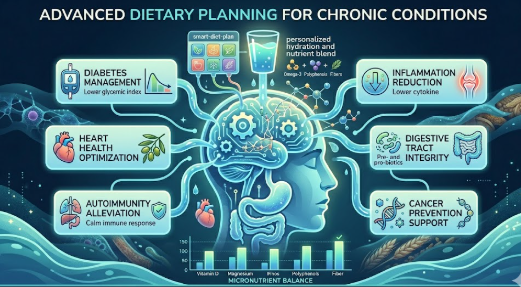


Introduction to Chronic Conditions and Diet
Chronic conditions, often characterized by persistent symptoms and long-term care needs, affect millions globally. They include a wide variety of health issues, with some of the most common examples being diabetes, hypertension, and heart disease. The World Health Organization defines chronic diseases as conditions that last one year or more and require ongoing medical attention or limit daily activities. The management of these ailments significantly impacts quality of life and overall health outcomes.
Diet plays a critical role in managing chronic conditions. Nutritional choices can either aggravate symptoms or help alleviate them. For instance, individuals with diabetes must monitor their carbohydrate intake to maintain stable blood sugar levels, while those with hypertension are often required to reduce salt consumption to lower blood pressure. Thus, tailored dietary plans become essential in addressing the unique needs of each condition.
Furthermore, an individualized dietary plan can lead to improved health outcomes. Research suggests that a balanced diet, rich in whole foods, can enhance nutritional intake, manage weight, and reduce the risk of complications associated with chronic diseases. This includes incorporating fruits, vegetables, lean proteins, and whole grains into daily meals, while minimizing processed foods, sugars, and unhealthy fats. Such dietary patterns not only help in the management of existing conditions but also serve as a preventive measure against developing further health issues.
In conclusion, understanding the relationship between diet and chronic conditions is paramount. A well-designed nutritional plan can be a powerful tool in managing chronic illnesses, improving quality of life, and promoting overall health. Ensuring adherence to a personalized dietary regimen is crucial for anyone looking to better manage their chronic health conditions.
Understanding Nutritional Needs for Different Conditions
Nutritional requirements can greatly vary among individuals, particularly those living with chronic conditions like diabetes, heart disease, and gastrointestinal disorders. These differences necessitate tailored dietary approaches to manage symptoms and improve overall health outcomes. For instance, individuals with diabetes must monitor their carbohydrate intake meticulously, as this macronutrient significantly influences blood sugar levels. Incorporating complex carbohydrates such as whole grains, legumes, and vegetables can provide necessary energy while ensuring a more controlled glucose response.
Another critical component includes fats, where opting for healthy fats, such as those from avocados, nuts, and olive oil, can aid in supporting cardiovascular health. For those with heart disease, it is pertinent to limit saturated and trans fats while focusing on omega-3 fatty acids, known for their inflammation-reducing properties.
Micronutrients, which comprise vitamins and minerals, are vital in managing chronic conditions. For instance, individuals with conditions such as osteoporosis require adequate calcium and vitamin D intake to support bone health. Leafy greens, dairy products, and fortified foods serve as excellent sources for these nutrients. Additionally, antioxidants found in fruits and vegetables may help mitigate oxidative stress prevalent in various chronic diseases.
Dietary fiber also plays a crucial role. Higher fiber intake is associated with improved digestive health and can aid in regulating blood sugar levels for those with diabetes. Furthermore, hydration is an equally important aspect, as chronic illnesses can often lead to fluid imbalances; hence, maintaining adequate hydration ensures optimal bodily functions. By carefully considering the macronutrient and micronutrient balance along with fiber and hydration, individuals can better manage their chronic conditions and enhance their quality of life.
Role of Foods in Managing Chronic Conditions
Chronic conditions, such as diabetes, hypertension, and cardiovascular diseases, are increasingly prevalent in today’s society. The management of these ailments is significantly influenced by dietary choices. Research consistently indicates that certain food groups can mitigate symptoms and improve overall health outcomes for individuals with chronic conditions.
A diet rich in whole grains, fruits, vegetables, lean proteins, and healthy fats is generally recommended. Whole grains like quinoa and brown rice provide necessary fiber, which can help in managing blood sugar levels and lowering cholesterol. A variety of colorful fruits and vegetables are particularly beneficial for their antioxidant properties, which combat oxidative stress and inflammation commonly associated with chronic health issues.
Additionally, incorporating sources of omega-3 fatty acids such as fatty fish, walnuts, and flaxseeds may play a crucial role in heart health and can reduce the risk of cardiovascular complications. Lean proteins such as chicken, turkey, and legumes are essential for muscle maintenance and metabolic function, particularly in individuals who may be less active due to their conditions.
Conversely, certain foods should be avoided to optimize health for those with chronic conditions. Processed foods high in refined sugars and unhealthy fats can exacerbate symptoms and lead to further complications. High sodium foods, often found in processed and fast foods, should also be limited, especially for individuals with hypertension. Furthermore, excessive consumption of red and processed meats has been linked to increased risks of various chronic diseases, including cardiovascular disease and certain cancers.
Incorporating the right foods and eliminating harmful ones can enhance the management of chronic conditions. Dietary planning tailored to individual health needs not only aids in symptom relief but also promotes overall well-being, enabling individuals to lead healthier, more fulfilling lives.
Tools and Resources for Dietary Planning
Effective dietary planning plays a crucial role in managing chronic conditions. Numerous tools and resources are available to aid individuals in creating tailored meal plans that align with their health needs. These tools range from mobile applications to printed resources, each offering unique features designed to support dietary management.
Meal planning apps have gained popularity for their convenience and functionality. Many of these applications allow users to input personal dietary preferences and restrictions while automatically generating meal plans. Features often include recipe suggestions, grocery lists, and nutritional information, making it easier for users to prepare healthy meals. Some notable apps include MyFitnessPal, Lose It!, and Cronometer. Each of these tools offers extensive databases and tracking options to help monitor dietary intake, making them particularly useful for individuals managing chronic conditions.
In addition to digital solutions, various printable nutrition worksheets can significantly aid dietary planning. These worksheets often include templates for tracking food intake, meal logs, and grocery lists, providing a structured approach to meal planning. They can be found on reputable health organizations’ websites or created by healthcare professionals specializing in nutrition. These resources encourage individuals to reflect on their dietary habits and plan accordingly, which is essential in managing chronic illnesses.
Furthermore, guidance from reputable health organizations, such as the American Diabetes Association and the Academy of Nutrition and Dietetics, can prove invaluable. These organizations offer comprehensive dietary guidelines and resources specifically designed for individuals with various chronic conditions. By utilizing these tools, individuals can enhance their understanding of nutrition and its impact on their health, leading to better dietary choices and improved health outcomes.
Developing a Personalized Meal Plan
Creating an effective meal plan tailored to individual needs is a critical aspect of managing chronic conditions through dietary changes. The initial step involves assessing dietary needs, which typically includes understanding any existing medical conditions, food allergies, and nutritional requirements. Engaging with a healthcare provider or a dietitian can provide valuable insights into specific dietary restrictions or recommended nutrient intakes necessary for optimal health.
Once the dietary needs are established, the next step is setting realistic and achievable goals. These goals may include increasing vegetable intake, reducing sodium or sugar, or ensuring adequate protein consumption. It is essential that these objectives align with both health recommendations and personal preferences to promote long-term adherence. Writing down these goals helps in maintaining focus and motivation.
Tracking dietary intake is a vital part of meal planning. Utilizing food diaries, mobile applications, or simple logs can facilitate the monitoring of food consumed and nutrient intake. This practice promotes awareness of eating patterns and helps identify areas that may require adjustment. Regularly reviewing this information can provide insight into the effectiveness of the meal plan and whether it aligns with the set goals.
Adjusting the meal plan as necessary is crucial for successful dietary management. This could involve altering portion sizes, incorporating new recipes, or even revisiting goals based on personal progress or changing circumstances. Flexibility in a meal plan ensures that it remains a functional tool rather than a rigid structure. Being open to making modifications based on feedback from the body or guidance from healthcare professionals can lead to an improved overall dietary experience.
Overcoming Challenges in Dietary Compliance
Adhering to a dietary plan designed for chronic conditions presents several challenges that can impede compliance. Identifying and addressing these challenges is crucial for effective management of such health issues. Common barriers include food availability, financial constraints, and social situations.
Food availability is often a significant concern. Individuals with chronic conditions may find that certain dietary requirements limit their options, particularly in areas where access to fresh, healthy foods is restricted. This issue is compounded by geographic disparities; urban areas might offer a wider selection of specialty foods compared to rural counterparts. To navigate this challenge, individuals can consider meal planning, utilizing local farmer’s markets, or opting for subscription meal services that align with their dietary needs. Such proactive measures can enhance food accessibility while supporting the maintenance of a balanced diet.
Cost is another common barrier. Specialty foods, such as gluten-free products or organic produce, can be prohibitively expensive. To address this, budget-conscious individuals might explore bulk purchasing options or alternative brands that provide similar nutritional benefits at a lower price point. Additionally, utilizing community resources such as food co-ops or nutritional assistance programs can alleviate financial strains while ensuring adherence to dietary recommendations.
Social situations can also pose challenges for maintaining dietary compliance. Attending gatherings or dining out often leads to temptation, making it difficult to stick to one’s dietary plan. In these scenarios, planning ahead is essential. Individuals should communicate their dietary needs with hosts in advance or research menus before dining out, allowing for informed choices. By equipping oneself with knowledge and clear communication, managing dietary restrictions in social contexts becomes more feasible.
Overall, recognizing these challenges and implementing effective strategies can greatly enhance compliance with dietary plans tailored for chronic conditions, ultimately leading to improved health outcomes.
The Role of Education and Support
Education plays a critical role in managing chronic conditions through dietary planning. Understanding how specific foods impact overall health is essential for individuals with chronic illnesses such as diabetes, hypertension, or heart disease. Patients equipped with nutritional knowledge can make informed choices that contribute positively to their health outcomes. In this respect, education should encompass not only general nutrition principles but also tailored dietary strategies designed to meet individual health needs.
Healthcare providers, including physicians and specialists, serve as pivotal sources of information. They can recommend reliable educational materials, programs, or courses that focus on nutrition relevant to a specific condition. Likewise, consultations with dietitians can provide personalized guidance. Dietitians are trained to evaluate dietary habits comprehensively and can develop customized meal plans that align with medical restrictions and individual preferences.
Moreover, support networks are invaluable in ensuring sustained adherence to dietary goals. Family and friends can offer motivation and accountability, while community resources can provide educational workshops, cooking classes, or meal preparation services. Such activities not only enhance knowledge but also foster a sense of community among individuals facing similar dietary challenges.
In conclusion, effective management of chronic conditions is greatly enhanced by a combination of education and support. By leveraging professional guidance and community resources, individuals can navigate their dietary restrictions more effectively, ultimately leading to improved health and well-being. Integrating education and support networks into daily life significantly empowers those affected by chronic conditions, ensuring they are well-informed and equipped to make sound dietary decisions that can improve their quality of life.
Monitoring and Adjusting the Dietary Plan
Effectively managing chronic conditions often requires careful monitoring of both health outcomes and dietary adherence. Establishing a well-structured dietary plan is essential; however, its success hinges on continuous evaluation and necessary adjustments based on individual progress. Regular monitoring can take various forms, including tracking symptoms, measuring blood sugar levels, and recording weight, depending on the specific condition being managed.
One primary strategy involves maintaining a detailed food diary, which not only records daily meals but also correlates food intake with any symptoms experienced. This practice helps in identifying possible food triggers or patterns that may impact health negatively. Additionally, it allows individuals to visualize compliance with the prescribed dietary plan, making it easier to pinpoint areas that may require modification.
For those managing diabetes, monitoring blood sugar levels is crucial. Utilizing a glucose meter to log readings at different times of the day can provide valuable insights into how particular foods affect blood sugar levels. This data can guide adjustments to carbohydrate intake or meal timing, ensuring better glycemic control. Furthermore, regular consultations with healthcare professionals, such as dietitians, can facilitate the interpretation of this data and the implementation of necessary dietary modifications.
Weight management serves as another critical component of dietary monitoring. Individuals are encouraged to track their weight regularly, as fluctuations can reflect the efficacy of their dietary choices. Significant weight loss or gain may necessitate a reevaluation of caloric intake and nutrient balance. Such adjustments can help maintain optimal health and manage chronic conditions more effectively.
In essence, monitoring health outcomes and dietary adherence is integral to the success of advanced dietary planning for chronic conditions. By consistently reviewing symptoms, blood sugar levels, and weight, individuals can make informed adjustments to their dietary plans, ultimately leading to enhanced health management.
Case Studies and Success Stories
Advanced dietary planning can play a pivotal role in the management of chronic conditions, and numerous individuals have successfully utilized targeted nutrition strategies to enhance their health outcomes. One notable case is that of Sarah, a 45-year-old diagnosed with Type 2 diabetes. By collaborating with a registered dietitian, she developed a personalized meal plan that emphasized whole foods, low-glycemic ingredients, and appropriate portion sizes. Over six months, Sarah experienced a reduction in her blood sugar levels, weight loss, and a significant decrease in her dependence on medication. Her story serves as an important reminder of how tailored dietary approaches can transform lives.
Another inspiring example comes from John, a 60-year-old with hypertension. John began to face complications related to his condition, prompting him to seek dietary advice. With the guidance of a culinary nutrition expert, he adopted the DASH (Dietary Approaches to Stop Hypertension) diet, which is rich in fruits, vegetables, lean protein, and whole grains. After three months, his blood pressure readings improved markedly, allowing him to reconsider his reliance on antihypertensive medication. John’s journey highlights the effectiveness of advanced dietary planning in controlling chronic conditions.
Lastly, we have Emily, a 30-year-old diagnosed with inflammatory bowel disease (IBD). After struggling with symptoms for years, she consulted with a nutritionist who helped her identify trigger foods while emphasizing nutrition-dense options suitable for her condition. She adopted a low-FODMAP diet and incorporated prebiotic and probiotic-rich foods. Over time, Emily reported a dramatic reduction in flares and an overall improvement in her quality of life. Her success underlines the importance of individualized dietary strategies in managing chronic conditions effectively.
These case studies exemplify how thoughtful, advanced dietary planning can bring about remarkable changes in the health trajectories of individuals facing chronic conditions. Each success story reinforces the potential of nutrition to enhance well-being and control health issues that were once deemed insurmountable.