


Introduction to Weight Loss and Exercise
The process of weight loss is intrinsically linked to the balance between calorie intake and calorie expenditure, with exercise serving as a crucial component in this equation. Engaging in regular physical activity not only aids in burning calories but also enhances metabolic rates, improves cardiovascular health, and fosters overall well-being. Understanding which forms of exercise are most effective for weight loss can significantly impact an individual’s success in achieving and maintaining their desired weight.
Among the multitude of available exercise options, swimming and running emerge as two of the most popular cardiovascular activities, each offering unique benefits pertinent to weight loss. Swimming is a low-impact activity that engages multiple muscle groups simultaneously, providing an excellent workout while reducing the risk of injury. This makes it particularly suitable for individuals of all fitness levels, especially those with joint concerns or those who are beginning their weight loss journey.
On the other hand, running is a higher-impact, more accessible form of exercise that can be easily integrated into most lifestyles. It requires minimal equipment and can be performed almost anywhere, making it convenient for those who may have tight schedules. The intensity of running can also contribute to a significant caloric burn, making it a favored choice among many individuals aiming to lose weight.
Both swimming and running have established themselves as efficient exercises, yet their effectiveness can vary based on individual preferences, fitness levels, and goals. Understanding the distinct characteristics of these activities plays a pivotal role in determining the most suitable exercise regimen for an effective weight loss journey. By exploring the nuances of swimming and running, individuals can make informed decisions that align with their personal health objectives.
Calories Burned: A Comparison of Swimming and Running
When evaluating the caloric expenditure between swimming and running, it is important to consider various factors, including the intensity of the activity, duration, and the weight of the individual performing the exercise. Both swimming and running are effective forms of cardiovascular exercise, each offering unique benefits regarding calorie burning potential.
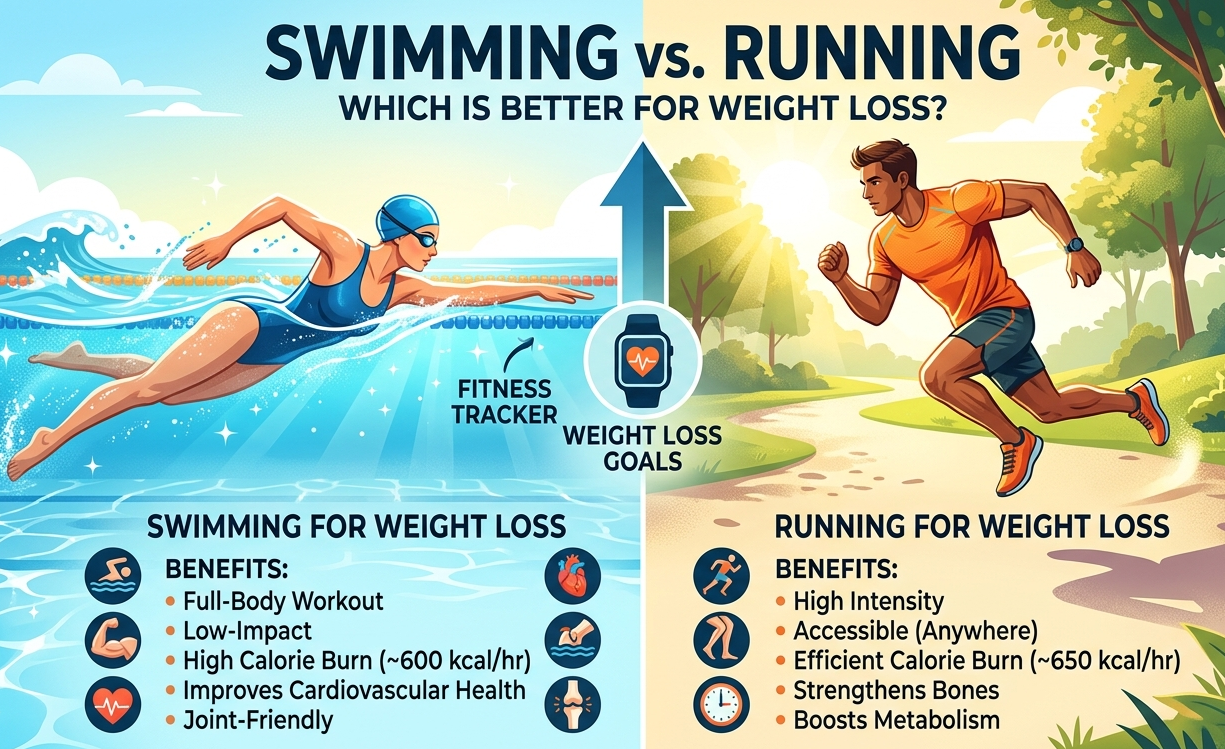
For swimming, the number of calories burned can vary significantly based on the style and intensity of the swim. For example, a moderate-paced swim can burn approximately 400 to 500 calories per hour for an individual weighing around 155 pounds, whereas more vigorous strokes, such as butterfly or freestyle, can increase the caloric burn to about 600 to 700 calories in the same time frame. Additionally, water resistance adds an element of resistance training, which may also contribute to muscle strengthening.
In contrast, running typically has a higher caloric burn per minute than swimming. A 155-pound runner can burn roughly 600 to 700 calories per hour while running at a moderate pace of 5 miles per hour. If the pace is intensified to 6 miles per hour, the caloric expenditure could rise to approximately 700 to 800 calories per hour. It is noteworthy that the terrain also affects the caloric burn; running on inclines or uneven surfaces can lead to increased energy expenditure.
Both activities can be tailored to fit personal fitness levels and goals, suggesting that the choice between swimming and running for weight loss should not be solely based on caloric burn. Factors such as personal preference, the risk of injury, and accessibility of facilities should also play a crucial role. Ultimately, engaging in either swimming or running can support weight loss efforts effectively.
Physical Benefits of Swimming
Swimming offers a multitude of unique physical benefits, making it an exceptional choice for individuals aiming to lose weight. One of the most significant advantages of swimming is its low-impact nature. Unlike running, which can place considerable strain on the joints, swimming distributes a person’s body weight across the water, minimizing potential injuries. This characteristic allows individuals, including those who are overweight or have joint problems, to engage in exercise for prolonged periods without the risk of feeling discomfort or pain.
Furthermore, swimming engages multiple muscle groups simultaneously. Whether one is performing laps in a pool or swimming in open water, nearly every muscle in the body is activated, from the legs and arms to the core. This whole-body workout leads to higher calorie burn compared to some other forms of exercise. The effort involved in maintaining buoyancy, performing strokes, and propelling the body through water requires substantial energy, contributing to effective weight loss.
In addition to these aspects, swimming significantly enhances flexibility. The various strokes and movements in swimming encourage the body to stretch and expand, improving overall flexibility and range of motion. This increased flexibility not only aids in the execution of swimming techniques but also contributes to injury prevention both in and out of the pool.
Moreover, swimming is an excellent cardiovascular workout, strengthening the heart and lungs. With improved cardiovascular health, individuals can experience enhanced endurance, further allowing them to engage in longer, more effective workouts. Increased endurance translates to the ability to burn more calories, making swimming an ideal exercise for weight loss goals.
Overall, the combined benefits of low-impact training, engagement of multiple muscle groups, enhanced flexibility, and significant cardiovascular improvements underscore why swimming can be a superior exercise choice for those intent on losing weight.
Physical Benefits of Running
Running is a popular form of exercise known for its numerous physical benefits, particularly in the pursuit of weight loss. One notable advantage of running is its ability to significantly enhance bone density. As a weight-bearing exercise, running applies stress to the bones, stimulating bone growth and reducing the risk of osteoporosis, especially as one ages. This aspect of running is particularly important, as maintaining strong bones is crucial for overall health and agility.
Another significant benefit of running is its accessibility. Unlike swimming, which requires access to a pool or open water, running can be performed almost anywhere and at any time. Whether in a park, on a track, or even on a treadmill, individuals can easily incorporate running into their daily routine. This convenience can encourage consistency, which is key to achieving and maintaining weight loss goals. Moreover, no special skills are necessary to start running, making it an inclusive option for people of various fitness levels.
When considering running’s effectiveness for weight loss, the calorie-burning potential is exceptionally high. A 155-pound individual can burn approximately 300 calories during a 30-minute run at a moderate pace. This caloric expenditure can play a pivotal role in creating the necessary deficit for weight loss. Furthermore, running not only burns calories during the activity but also continues to elevate metabolism afterward, providing added benefits for those looking to shed pounds.
Overall, running presents a unique combination of benefits, including enhanced bone density, high accessibility, and significant caloric burn, thus making it a compelling option for individuals seeking effective weight loss solutions.
Injury Risks and Considerations
Engaging in physical exercise, whether swimming or running, comes with inherent injury risks that can affect one’s weight loss journey. Understanding these risks is crucial for individuals aiming to choose the more suitable exercise method for their personal fitness goals.
Swimming is often regarded as a low-impact exercise, making it attractive for those concerned about joint health. However, swimmers are not immune to injuries. Common issues include shoulder impingement, rotator cuff injuries, and knee problems that stem from repetitive movements. Recovery times can vary, but most swimming-related injuries require rest and may take weeks to recover fully depending on their severity.
On the other hand, running is a high-impact cardiovascular activity, which can lead to a distinct set of injuries. Runners frequently experience knee injuries, shin splints, and plantar fasciitis due to the repetitive impact on hard surfaces. The recovery period for these injuries may extend from days to months, necessitating modifications in one’s training routine.
When considering long-term weight loss efforts, the ability to maintain a consistent exercise schedule is paramount. If an individual sustains an injury from either activity, it can temporarily halt their fitness regimen, impeding their progress. Therefore, understanding one’s body and recognizing potential risks is vital for injury prevention. It is advisable to gradually build up intensity and to incorporate cross-training, such as engaging in both swimming and running, to balance the potentials for injury while promoting overall fitness.
Ultimately, both swimming and running present unique injury risks that should be carefully contemplated before making a fitness commitment. A comprehensive approach that includes adequate warm-up, cool-down, and strength training can help mitigate these risks and contribute to sustained weight loss success.
Psychological Benefits of Each Sport
Both swimming and running are prominent forms of exercise that offer numerous psychological benefits, serving as essential tools for mental well-being and emotional health. Engaging in these activities contributes significantly to stress relief, which is crucial in today’s fast-paced environment. The repetitive nature of running, for instance, can induce a meditative state, fostering a sense of tranquility that alleviates anxiety and promotes mindfulness. Meanwhile, swimming immerses individuals in water, a soothing environment that often enhances relaxation and helps in clearing the mind.
Another notable benefit of both activities is their ability to improve mood. Regular engagement in either sport can lead to the release of endorphins, often referred to as “feel-good” hormones. This biochemical response not only uplifts one’s spirits but also combats symptoms of depression. Participants in either swimming or running often report heightened feelings of happiness, suggesting that these physical activities play a vital role in psychological resilience.
A critical factor in maintaining an exercise routine is motivation, which can be significantly influenced by the social aspects tied to swimming and running. Group swimming classes create a supportive community that encourages individuals to engage consistently. Similarly, joining running clubs fosters camaraderie among participants, enhancing adherence to exercise regimens. The sense of belonging that comes from these social interactions can be a powerful motivator to continue pursuing physical fitness, making it easier to overcome barriers to regular exercise.
Ultimately, while both sports offer unique psychological benefits, incorporating either or both into one’s lifestyle can lead to improved mental health outcomes. Their individual advantages, combined with their social components, make swimming and running important activities in the pursuit of a healthier mind and body.
Time and Accessibility: Which is More Feasible?
When considering weight loss strategies, the practicality of the chosen exercise can significantly impact an individual’s consistency and success. Both swimming and running are effective cardiovascular workouts, but their accessibility and time constraints differ, influencing how easily they can be incorporated into daily routines.
Access to facilities is often a primary concern. Swimming requires a pool, whether a community center, gym, or local facility, which may not be readily available to everyone. Depending on the time of year and geographic location, open-water swimming may also be an option, but it comes with its own set of challenges such as temperature and water safety. In contrast, running is generally more accessible; it can be performed almost anywhere, requiring only a safe environment and a decent pair of running shoes. This fundamental difference affects how each exercise can be integrated into one’s schedule.
Time commitment is another crucial factor. An effective swimming session often takes longer than a comparable run due to the time spent changing, traveling to and from the pool, and the activity itself. While swimming does provide a comprehensive workout, the overall duration of a swimming routine can be lengthier, which might deter individuals with limited time. In comparison, running can offer shorter, more intense workout options like sprints or intervals, making it easier to fit into a busy day.
Lastly, required gear can influence the feasibility of each exercise. Swimming necessitates swimwear and perhaps additional gear like goggles or swim caps, while running simply requires proper footwear and comfortable clothing. For those on a budget or with limited storage space, running may prove to be a more straightforward option. Ultimately, the choice between swimming and running for weight loss may hinge on personal preferences, lifestyle, and the resources available to the individual.
Personal Preference and Motivation
When it comes to weight loss, the type of exercise one chooses is often influenced by personal preference and motivation. These factors are paramount in determining not just the consistency of workouts, but also the overall effectiveness of the exercise regime. Swimming and running, while both being excellent forms of cardiovascular exercise, attract different individuals based on their unique characteristics and personal enjoyment.
For many individuals, the key to sustained weight loss lies in their ability to engage in physical activity that they genuinely enjoy. A passionate runner may find that their enthusiasm for hitting the pavement translates into longer and more frequent runs, thereby burning calories effectively. Conversely, someone who relishes the feel of water may find swimming to be their ideal outlet. This enjoyment not only enhances their exercise experience but also boosts their motivation levels, leading to more consistent participation.
Moreover, personal preference intertwines with psychological factors; a person who feels compelled to exercise through sheer obligation may struggle to adhere to a routine, regardless of whether they are swimming or running. On the contrary, those who engage in activities they enjoy are more likely to integrate exercise into their daily lives. This notion is especially profound when considering sustainable weight loss goals—enjoyable activities can minimize the risk of burnout and increase adherence over time.
Ultimately, the effectiveness of swimming versus running for weight loss often hinges on individual perception and motivation. Each person must assess their preferences and find ways to incorporate them into a workout plan. A balanced approach that aligns personal enjoyment with fitness goals can foster a productive and enjoyable weight loss journey.
Conclusion: Making the Right Choice for You
Choosing between swimming and running as a means for weight loss greatly depends on individual circumstances and personal health goals. Both activities offer unique benefits that can support various fitness objectives. Swimming is a low-impact exercise that is particularly beneficial for those who may have joint issues or are looking for a full-body workout. Its buoyancy allows for ease in movement, making it an excellent choice for individuals of all fitness levels. Moreover, swimming can help build muscle while burning a substantial number of calories, thus aiding in weight management.
On the other hand, running is generally more accessible and can be performed almost anywhere, providing a straightforward option for those seeking cardiovascular fitness. It is a high-impact exercise that can lead to increased bone density and muscle endurance. Running can also be more effective for individuals looking to achieve quick weight loss results because it typically allows for higher intensity training options, such as sprints or interval training.
Ultimately, the decision should hinge on personal preference. Exercise should be enjoyable and sustainable; therefore, choosing an activity that resonates with you will increase the likelihood of consistency over time. Additionally, consider any existing health issues and consult a healthcare professional to determine which option is safest and most effective for you. It may be beneficial to incorporate both swimming and running into your fitness regime, as this can provide a well-rounded approach to weight loss and overall health improvement.