
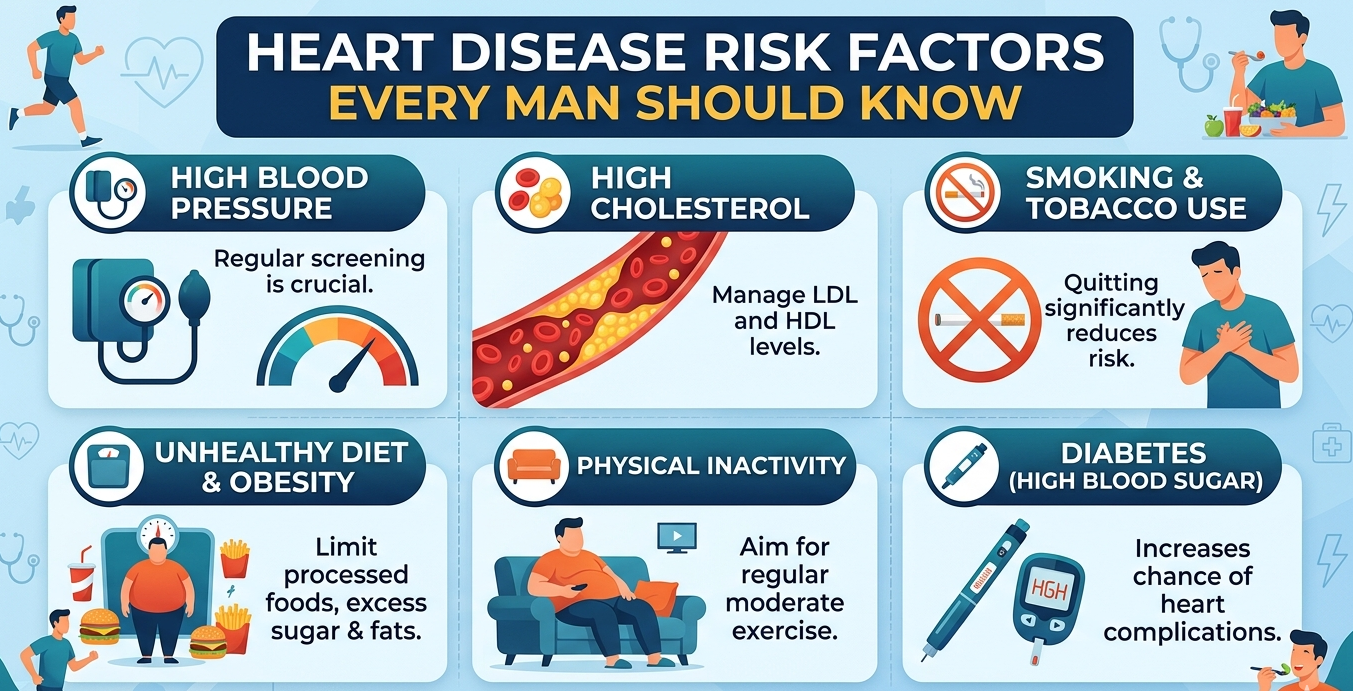


Understanding Heart Disease
Heart disease, also referred to as cardiovascular disease, encompasses a range of conditions affecting the heart and blood vessels. It primarily includes coronary artery disease, heart attack, heart failure, and arrhythmias. Among these, coronary artery disease is the most prevalent, often arising when the arteries supplying blood to the heart become narrowed or blocked due to a buildup of plaque. This condition can lead to severe complications, such as heart attacks, which can be life-threatening.
According to recent studies, heart disease remains a leading cause of mortality among men globally. The prevalence is attributed to various factors including lifestyle choices, genetic predisposition, and underlying health conditions such as hypertension and diabetes. Notably, certain risk factors like smoking, high cholesterol, and sedentary lifestyles are more common in men, making awareness and understanding of heart disease essential for maintaining cardiovascular health.
Understanding heart disease is crucial as it empowers men to take proactive steps toward their health. Early recognition of symptoms and risk factors can substantially alter outcomes, enabling individuals to seek timely medical intervention. Regular health screenings and adopting a heart-healthy lifestyle which includes a balanced diet and regular exercise can lessen the risk of developing cardiovascular issues. Additionally, educating oneself about the underlying mechanisms of heart disease can lead to informed decision-making regarding lifestyle choices and can foster discussions with healthcare providers about preventive measures.
Genetic Factors and Family History
Genetic factors play a significant role in determining an individual’s risk of developing heart disease. Various studies have shown that people with a family history of heart conditions, such as heart attacks or strokes, are more likely to experience similar issues themselves. These hereditary influences can often be attributed to shared genetics, which may affect cholesterol levels, blood pressure, and other physiological factors vital to heart health.
Family history is an important risk factor that cannot be modified, making awareness of one’s genetic background essential for prevention and early intervention. For instance, if a male has a father or brother who suffered a heart attack before the age of 55, his risk increases significantly. Understanding these familial patterns allows individuals to take proactive measures, such as regular screenings and lifestyle changes, to mitigate their risk.
Moreover, the heritability of specific genetic traits associated with heart disease risk emphasizes the importance of genetic counseling when necessary. Emerging research indicates that various genes, such as those linked to inflammation or coagulation pathways, may predispose individuals to cardiovascular issues. Consequently, knowing one’s genetic predisposition can lead to tailored preventive strategies and personalized medical interventions.
Although genetic factors cannot be altered, acknowledging them is crucial for fostering a more informed relationship with one’s health. Healthcare professionals often recommend monitoring additional risk factors, such as diet, physical activity, and stress levels, in conjunction with a thorough understanding of family health history. This integrated approach may significantly improve outcomes for individuals at high risk due to their genetic background.
Age and Heart Disease Risk
Heart disease remains one of the leading health concerns for men, with age acting as a significant risk factor. As men grow older, their risk of developing heart disease increases markedly. Numerous studies indicate that men typically face a higher risk of cardiovascular conditions beginning around middle age. This correlation can be attributed to a variety of physiological and lifestyle changes that occur over time.
As individuals age, arterial walls tend to stiffen, and plaque may accumulate, contributing to increased blood pressure and potential blockages. Moreover, older men often experience changes in metabolism and hormonal levels, which can further elevate the likelihood of heart disease. Age-related risk factors, such as the reduction of overall physical activity and the poor management of existing health issues, including diabetes and high cholesterol, can exacerbate these cardiovascular risks.
Statistics reveal a staggering increase in heart disease prevalence among older demographics. Men in their 40s and 50s bear a substantially higher heart disease complication rate than those in their 20s and 30s. By the time men reach 60 and beyond, the likelihood of having a heart attack or requiring cardiovascular intervention could be significantly higher, underscoring the critical nature of regular medical check-ups and preventive measures.
Younger men are often under the impression that they are invulnerable to heart disease. However, understanding that age is an important risk factor for developing heart disease can encourage more proactive health management earlier in life. Engaging in heart-healthy behaviors—such as regular exercise, maintaining a balanced diet, and avoiding smoking—can help mitigate some of the risks associated with aging. By acknowledging the impact of age on heart disease risk, men can take informed steps to protect their cardiovascular health as they grow older.
Lifestyle Choices: Diet and Nutrition
The impact of diet on heart health cannot be overstated, as it plays a crucial role in either mitigating or exacerbating heart disease risk factors. A balanced diet rich in fruits, vegetables, whole grains, and lean proteins is pivotal in promoting cardiovascular wellness. Specific dietary components, such as saturated fats, trans fats, and sodium, can increase the likelihood of developing heart disease. Consequently, reducing the intake of processed foods, which are often high in these detrimental elements, is advisable for maintaining optimal heart health.
In particular, foods high in fiber, including legumes, nuts, and whole grains, can help lower cholesterol levels, thus reducing the risk of arterial plaque buildup. Omega-3 fatty acids, found in fatty fish like salmon and walnuts, possess anti-inflammatory properties that can help maintain healthy blood vessels and improve overall heart function. Conversely, excessive consumption of red and processed meats should be limited, as these are associated with higher levels of saturated fat, which can lead to elevated cholesterol levels and subsequent heart complications.
Moreover, paying attention to portion sizes and caloric intake is essential in managing body weight, another critical factor in heart health. Obesity can lead to hypertension and increased cholesterol, further contributing to heart disease. Hydration also plays an important role; replacing sugary beverages with water can aid in maintaining a healthy weight and avoiding additional sugar intake, which can increase triglyceride levels.
Ultimately, lifestyle choices regarding diet and nutrition serve as foundational elements in the pathway towards heart health. Increased awareness of the nutritional value of foods and understanding their implications on heart disease risk can empower men to make more informed dietary choices, fostering a healthier future.
Importance of Physical Activity
Engaging in regular physical activity is crucial for maintaining cardiovascular health and reducing the risk of heart disease. The American Heart Association recommends that adults participate in at least 150 minutes of moderate-intensity aerobic exercise each week. This level of activity can significantly improve heart health by lowering blood pressure, enhancing circulation, and reducing levels of LDL (bad) cholesterol while increasing HDL (good) cholesterol levels.
Consequences of a Sedentary Lifestyle
A sedentary lifestyle, characterized by prolonged periods of inactivity, poses a significant risk factor for heart disease. Research indicates that individuals who spend excessive time sitting—whether at work, during commutes, or in leisure activities—are at a greater risk for developing various cardiovascular diseases. This lifestyle can lead to weight gain, increased blood pressure, and higher blood sugar levels, all of which contribute to heart disease. The negative impact of a sedentary lifestyle is compounded if accompanied by poor dietary choices, further elevating health risks.
Benefits of Regular Exercise
In contrast to sedentary behaviors, regular exercise offers numerous benefits that contribute to heart and overall health. It promotes weight management, improves mental health, and enhances energy levels. Exercise aids in regulating blood sugar levels and reduces inflammation throughout the body. Furthermore, engaging in activities such as walking, running, cycling, or swimming enhances cardiovascular endurance, reduces the risk of heart attacks, and may even improve recovery post-heart events. Integrating physical activity into one’s daily routine is essential for mitigating heart disease risk and promoting a healthier lifestyle.
Smoking and Heart Disease
The relationship between smoking and heart disease is one of the most significant public health issues that continues to affect millions of men globally. Tobacco use is a well-established risk factor for cardiovascular diseases, including coronary artery disease, heart attacks, and strokes. The harmful chemicals present in cigarettes can lead to the formation of plaque in the arteries, a condition known as atherosclerosis. This narrowing of the blood vessels impedes blood flow and increases the chances of cardiovascular events.
When an individual smokes, the act inflicts immediate physiological changes to the body. Cigarette smoke contains over 7,000 chemicals, including nicotine, carbon monoxide, and formaldehyde. Nicotine increases heart rate and blood pressure, placing additional strain on the heart. Carbon monoxide reduces the blood’s oxygen-carrying capacity, leading to increased heart workload as it attempts to supply the body with adequate oxygen. Over time, such changes can significantly elevate the risk of developing heart-related complications.
Moreover, smokers are not only at risk due to the direct impact of smoking on their health. Secondhand smoke also poses a threat to those around them, increasing the risk of heart disease in non-smokers, particularly in children and individuals with pre-existing health conditions. It is crucial for men, particularly those who smoke, to understand these risks and consider cessation programs that can help mitigate the dangers associated with tobacco use.
In conclusion, the link between smoking and heart disease is undeniably a significant concern that warrants attention. Understanding this relationship is vital for men who seek to improve their cardiovascular health and reduce their overall risk of heart disease.
Alcohol Consumption and Heart Health
Alcohol consumption can have complex effects on heart health, with research indicating both potential risks and benefits. Understanding these dynamics is crucial for men who wish to maintain cardiovascular wellbeing.
Excessive alcohol intake is widely recognized as a significant risk factor for heart disease. Heavy drinking can lead to elevated blood pressure, an irregular heart rhythm known as arrhythmia, and an increased likelihood of cardiovascular events such as heart attacks or strokes. These effects are primarily attributed to the way alcohol influences the heart muscle and its ability to function efficiently. Chronic alcohol abuse can also contribute to obesity and diabetes, both of which are known risk factors for heart disease.
On the other hand, recent studies have suggested that moderate alcohol consumption may offer some protective effects against heart disease. Moderate drinking is often defined as one drink per day for women and up to two drinks per day for men. Some evidence indicates that moderate alcohol intake can lead to increased levels of high-density lipoprotein (HDL) cholesterol, often referred to as “good” cholesterol, and it may have anti-inflammatory effects on the cardiovascular system. However, these potential benefits must be weighed against the risks, particularly considering that not everyone responds to alcohol in the same way.
It is essential for individuals to assess their personal health risks and consult with healthcare professionals regarding alcohol consumption. Balancing the potential benefits and risks associated with drinking is vital, particularly for those with a family history of heart disease or other risk factors. Ultimately, maintaining a heart-healthy lifestyle encompasses not only monitoring alcohol intake but also prioritizing a nutritious diet, regular exercise, and routine medical check-ups.
High Blood Pressure and Cholesterol Levels
High blood pressure, or hypertension, and abnormal cholesterol levels, known as dyslipidemia, are significant risk factors for heart disease, especially in men. These conditions can lead to serious cardiovascular complications, including heart attacks and strokes. Understanding the implications of these risk factors is crucial for effective management and prevention.
Hypertension is often referred to as the “silent killer” because it typically exhibits no symptoms until it has reached a severe stage. Men are generally at a higher risk of developing high blood pressure as they age. Regular monitoring of blood pressure is essential, as it allows for early detection and proactive management. Blood pressure readings above 130/80 mmHg are considered elevated and warrant lifestyle changes and possibly medication to maintain healthy levels.
Dyslipidemia is characterized by abnormal levels of lipids in the blood, including cholesterol and triglycerides. High levels of low-density lipoprotein (LDL) cholesterol can contribute to plaque buildup in the arteries, narrowing them and increasing the risk of cardiovascular disease. Men are often found to have higher levels of LDL cholesterol, making monitoring and management vital. A healthy diet, regular physical activity, and abstaining from tobacco can positively influence cholesterol levels.
To manage both hypertension and dyslipidemia, individuals can adopt lifestyle modifications such as maintaining a healthy weight, engaging in regular exercise, and consuming a heart-healthy diet rich in fruits, vegetables, whole grains, and omega-3 fatty acids. Additionally, it may be necessary to consult healthcare providers for regular screenings and, if necessary, medication to keep blood pressure and cholesterol levels in check.
Understanding and managing high blood pressure and cholesterol levels are essential for reducing the risk of heart disease. Taking proactive measures can significantly improve cardiovascular health and overall well-being.
Recognizing Symptoms and Preventative Measures
Heart disease is a significant health concern for men, often manifesting through various symptoms that may go unnoticed until the condition progresses. Early recognition can be lifesaving. Key symptoms to watch for include chest pain, shortness of breath, and palpitations. There may also be less obvious signs such as fatigue, nausea, and lightheadedness. Often, these symptoms can be dismissed as stress or fatigue; however, they may indicate serious underlying heart issues.
Understanding the symptoms of heart disease is crucial for timely intervention. Men should be proactive in monitoring their physical conditions, particularly if they experience frequent or worsening symptoms. Regular consultations with healthcare professionals can aid in identifying risk factors, such as high blood pressure, high cholesterol, and lifestyle habits that contribute to cardiovascular problems.
Preventive measures are equally important in promoting heart health. Men should adopt a heart-healthy lifestyle that includes a balanced diet rich in fruits, vegetables, and whole grains while limiting saturated fats and sugars. Regular physical activity is essential; it helps in managing weight and reducing stress, both of which are pivotal for a healthy heart. The CDC recommends at least 150 minutes of moderate-intensity aerobic activity per week.
Additionally, routine health check-ups can provide critical insights into one’s heart health. Blood tests to assess cholesterol levels, along with blood pressure monitoring, are fundamental in understanding personal risks. Engaging in routine screenings allows for early detection of potential issues, thereby enabling timely and effective management.
In conclusion, recognizing the symptoms of heart disease and implementing preventative strategies is essential for maintaining cardiovascular health in men. Awareness, combined with a proactive approach, can significantly reduce the risk of heart-related complications and contribute to a healthier future.