
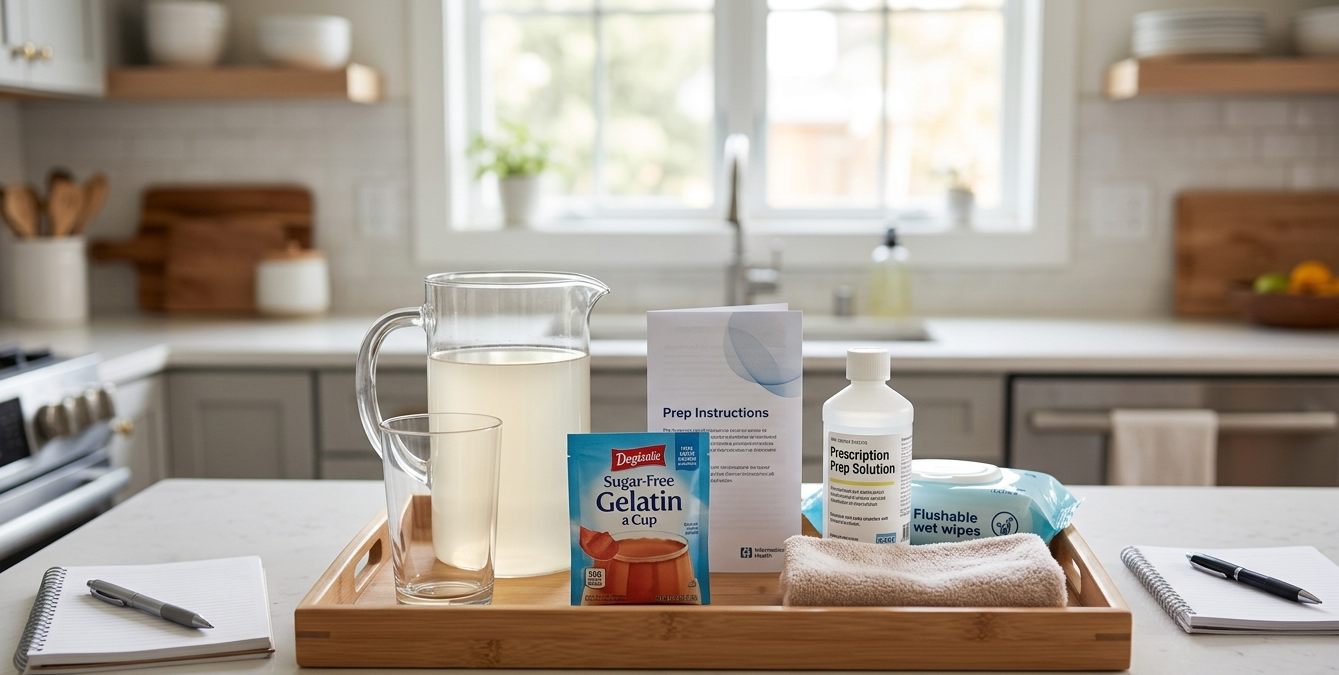


Understanding Colonoscopy
A colonoscopy is a medical procedure that allows healthcare professionals to examine the interior lining of the large intestine, which comprises the rectum and colon. It is performed using a flexible tube known as a colonoscope, equipped with a camera and light source. This approach enables doctors to observe the intestinal lining for any abnormalities, such as polyps, inflammation, or signs of cancer. The primary purpose of a colonoscopy is to screen for colorectal cancer, which is one of the leading causes of cancer-related deaths. Early detection through this procedure significantly enhances treatment success rates.
The significance of a colonoscopy extends beyond cancer screening; it also aids in diagnosing various gastrointestinal issues, including inflammatory bowel disease, diverticulosis, and gastrointestinal bleeding. The procedure often serves as a preventative measure by allowing the removal of polyps before they potentially develop into cancer. Recommended screening typically begins at age 45 for individuals at average risk of developing colorectal cancer, although those with a family history or other risk factors may require earlier or more frequent screenings.
During a colonoscopy appointment, patients are usually sedated to minimize discomfort. The procedure lasts approximately 30 to 60 minutes, depending on individual circumstances. Afterward, patients may experience mild cramping or bloating, which typically subsides relatively quickly. It is critical for patients to adhere to the preparation guidelines provided by their healthcare provider before the procedure, as a clean bowel is essential for accurate results.
In conclusion, understanding colonoscopy is fundamental for individuals in managing their gastrointestinal health. This procedure not only assists in early detection of potential health issues but also plays a crucial role in preventing serious conditions such as colorectal cancer.
Why Preparation is Important
Thorough preparation for a colonoscopy is crucial to ensure the most accurate results and minimize potential complications. A clean colon is essential for the examination process, allowing the physician to visualize the intestinal lining clearly and identify any abnormalities such as polyps, inflammation, or signs of colorectal cancer. If the colon is not adequately prepared, residual stool can obscure the view, potentially leading to missed diagnoses or the need for repeat procedures, which can pose additional risks to the patient.
Moreover, poor preparation can significantly affect the outcome of the colonoscopy. When the physician cannot see the colon clearly, they may have to make difficult decisions regarding patient care, which could lead to a misdiagnosis. This not only heightens the psychological burden on the patient but also places an unnecessary strain on healthcare resources. Therefore, a comprehensive preparatory process is fundamental to achieving a successful colonoscopy.
Patients who fail to follow the preparation guidelines may face more than just potential would-be missed diagnoses; they may also encounter significant health risks. Not completing the required bowel cleansing procedure can expose individuals to complications such as intestinal obstructions or perforations, particularly if food particles or undigested matter are present in the colon. Additionally, failure to prepare may lead to unnecessary delays in diagnosis and treatment, increasing the likelihood of advanced disease progression in cases of colorectal cancer.
Ultimately, understanding the importance of proper colonoscopy preparation not only contributes to a more fruitful procedure but also helps in protecting one’s overall health and well-being. Recognizing that the benefits of completing preparation activities greatly outweigh any inconveniences can encourage patients to prioritize their preparations effectively.
Prior to undergoing a colonoscopy, it is imperative to consult your healthcare provider to ensure a smooth and safe experience. This discussion serves several purposes, beginning with a comprehensive review of your medical history, including any pre-existing health conditions that may impact the procedure. It is essential that the physician understands your health background to provide tailored advice and instructions.
During this consultation, patients should prepare a list of questions to ask their doctor. Relevant inquiries might include the specific preparations needed before the procedure, potential risks associated with the colonoscopy, and any necessary steps to manage existing health issues. For individuals with chronic illnesses or those taking multiple medications, these discussions are especially crucial, as certain drugs may influence both the effectiveness of sedatives and the overall procedure.
Moreover, it is vital to inform your doctor about any medications or supplements you are currently taking. Some substances, such as blood thinners or specific herbal supplements, can complicate the colonoscopy procedure and are important in adjusting your preparation regimen. Understanding how to appropriately manage your medications before the colonoscopy can significantly alter the outcome and efficiency of the procedure.
In addition, your doctor can provide personalized guidelines that align with your health needs, ensuring that the preparation process is both effective and safe. This may include recommendations on dietary restrictions and the timing of certain medications leading up to the colonoscopy. Taking an active role in this dialogue not only enhances your understanding but may also contribute to a more successful examination.
Dietary Changes Leading Up to the Procedure
Preparing for a colonoscopy involves making important dietary modifications in the days leading up to the procedure. A well-prepared bowel is crucial for the effectiveness of the examination, and the foods consumed play a significant role in achieving this clarity.
Typically, it is recommended that patients should begin a low-fiber diet approximately three days prior to their colonoscopy. This includes limiting high-fiber foods such as whole grains, nuts, seeds, fruits, and vegetables. Instead, focus on easily digestible options such as white bread, white rice, plain pasta, and lean proteins like chicken or fish. These foods are gentler on the digestive system and reduce the amount of residue in the colon.
On the day before the procedure, patients are often advised to transition to a clear liquid diet. This includes beverages like water, clear broth, tea, and clear juices without pulp. It is important to stay hydrated during this time, as it aids in flushing out the colon. Avoid red or purple liquids, as they can interfere with the results of the colonoscopy.
Moreover, prior to the examination, one must refrain from consuming foods that are high in fat, fiber, or any solid food after the clear liquid diet has commenced. Foods such as nuts, corn, or popcorn should also be avoided, as they can leave residue in the intestines, obstructing clear visibility during the procedure.
By adhering to these dietary guidelines, patients can facilitate proper colon cleansing. This preparation not only enhances the quality of the colonoscopy but also contributes to a more accurate diagnosis, thereby ensuring a thorough examination of the colon. Engaging in these dietary changes is a critical step in preparing for a successful colonoscopy.
The Day Before the Colonoscopy
Preparing for a colonoscopy requires specific steps to ensure a successful procedure. The day prior is particularly crucial as it often involves dietary modifications and hydration strategies. To begin, the intake of clear liquids is essential. You should consume only transparent liquids such as water, broth, clear juices without pulp, and electrolyte drinks. This is not only to maintain hydration but also to help clean the bowel, as a clear liquid diet is less likely to leave residue in the intestines.
It is advisable to avoid foods that may be high in fiber or contain any solid material. Restrict dairy products as well, as they may cause digestive disruptions. As you adhere to these dietary restrictions, managing hunger can become challenging. Many individuals find that recognizing their cravings can help in redirecting their focus; for instance, sipping on a flavorful clear broth or herbal tea may help stave off the feelings of hunger without the need for solid food.
It is also recommended to stay well-hydrated throughout the day. It’s important to drink adequate amounts of clear liquids to replace fluids and electrolytes, particularly if you feel fatigued or find it hard to keep your energy levels up. The goal is to ensure that the bowel is clear of any waste, enabling a precise view during the colonoscopy. Additionally, consult your healthcare provider for any specific guidance or personal adjustments regarding your condition and the chosen bowel preparation.
Following these instructions will assist in minimizing discomfort and complications during the procedure. Taking the time to prepare adequately sets the stage for a thorough and effective colonoscopy, thus ensuring the best possible outcome in your gastrointestinal health assessment.
Medication and Supplements Guidelines
Preparing for a colonoscopy requires careful attention to the medications and supplements you are currently taking. It is crucial to engage in a thorough discussion with your healthcare provider prior to the procedure to ensure safety and optimal outcomes. Some medications may need to be temporarily discontinued to reduce the risk of complications during the colonoscopy.
Anticoagulants, commonly prescribed blood thinners, fall into this category. Medications such as warfarin (Coumadin), dabigatran (Pradaxa), and rivaroxaban (Xarelto) can increase bleeding risks during the procedure. Depending on the specific anticoagulant and your overall health, your doctor may advise stopping these medications anywhere from a few days to a week before the colonoscopy. It is important never to stop taking these medications without consulting your healthcare provider, as this can pose a significant risk for thromboembolic events.
In addition to anticoagulants, certain other medications might need to be evaluated. For example, diuretics, NSAIDs (such as ibuprofen or naproxen), and some blood pressure medications may also require adjustments prior to the procedure. Your healthcare professional will provide personalized recommendations that take into account your medical history, the medications you are on, and the scheduling of your colonoscopy.
Furthermore, do not overlook the potential impact of dietary supplements. Herbal supplements, vitamin E, and fish oil can also influence bleeding tendencies and interaction with other medications. It is vital to inform your healthcare provider about any supplements you regularly take so they can provide adequate guidance.
In conclusion, careful management of medications and supplements is an essential part of preparing for a colonoscopy. Adhering to your provider’s recommendations will help minimize risks and enhance the overall safety of the procedure.
Bowel Preparation Process
The bowel preparation process is a critical step in the lead-up to a colonoscopy, ensuring that the gastrointestinal tract is thoroughly cleansed. Effective bowel preparation allows the physician to have a clear view during the procedure and enhances both safety and accuracy in diagnosis.
There are various types of bowel preparation solutions available, most commonly classified into either liquid or tablet forms. The liquid options typically include polyethylene glycol (PEG) solutions, which are designed to promote bowel movements by drawing water into the intestines, making the stool more fluid. Other formulations may contain sodium phosphate or magnesium citrate, both of which also facilitate bowel cleansing but may carry different implications for certain patients, notably those with kidney issues.
It is paramount to follow the guidelines given by your healthcare provider regarding when and how to take these solutions. Generally, the bowel prep is initiated the day before the procedure. Patients are usually instructed to consume a clear liquid diet for 24 hours prior to the exam, allowing the solutions to work effectively. Compliance with the instructions is crucial, as failure to adequately prepare can result in the need to reschedule the colonoscopy.
While bowel preparations can promote significant discomfort, including symptoms like nausea, bloating, and diarrhea, there are ways to manage these potential side effects. Staying hydrated is essential, as it not only combats dehydration but also helps reduce discomfort. Additionally, chill the solution or consume it through a straw to make ingestion more tolerable. Following these strategies can lead to a more comfortable experience.
In summary, the success of a colonoscopy largely depends on a well-executed bowel preparation. Understanding the options available, adhering to the schedule, managing discomfort, and taking proactive steps can facilitate the process, leading to improved diagnostic outcomes.
Final Checklist Before the Procedure
Preparing for a colonoscopy involves several critical steps that, if followed carefully, can ensure a smooth and successful experience. Start by confirming your appointment with the medical facility; it is imperative to ensure that the date and time have not changed. Once confirmed, inform your transportation arrangements, as it is generally unsafe to drive yourself home post-procedure due to the effects of sedation.
Gather all necessary items for the day of the colonoscopy in advance. This includes any prescribed medications and personal hygiene products you may need, such as wet wipes or a comfortable change of clothing. If your healthcare provider has instructed you to adhere to a specific diet or to abstain from consuming certain substances before the procedure, follow these guidelines diligently.
In case you have any health conditions or are taking medications that need to be addressed on the day of the colonoscopy, it is beneficial to discuss this with your healthcare team beforehand. Consequently, compiling a list of your medications, allergies, and prior health concerns is advisable as it will aid your medical providers in delivering the best care possible.
Moreover, do not hesitate to prepare any questions you might have about the procedure itself. Understanding the process can alleviate anxiety and provide clarity. Ahead of your appointment, utilize the day or two leading up to the procedure to have appropriate discussions with your healthcare provider about what to expect during the colonoscopy.
Lastly, to enhance your overall preparedness, make sure that you have someone lined up to support you during the recovery phase post-procedure. Following this checklist will help in ensuring that you are adequately prepared for the colonoscopy, leading to better outcomes for your overall health.
Post-Procedure Care and Expectations
After undergoing a colonoscopy, it is normal to experience a variety of sensations. Commonly reported side effects include mild cramping or bloating, which usually resolves relatively quickly. Patients may also notice a slight feeling of dizziness or grogginess, especially if sedation was administered during the procedure. It is advisable to rest for the remainder of the day following the colonoscopy.
When it comes to dietary recommendations post-procedure, it is suggested to start with light meals. Clear liquids such as broth, tea, or apple juice can be beneficial initially. Gradually reintroducing solid foods can commence as comfort allows, but be mindful to choose easily digestible foods like rice, bananas, and toast to minimize any potential irritation to the digestive system. Heavy or greasy foods should be avoided for the first day or two as they may aggravate any residual sensitivity.
In terms of follow-up care, patients are generally advised to schedule an appointment with their healthcare provider within a week to discuss the results of the colonoscopy and any relevant treatment options, if necessary. This allows for an opportunity to clarify any questions and ensure proper understanding of the findings.
It is also crucial to monitor for any complications that may arise post-procedure. Serious side effects, although rare, may include excessive abdominal pain, prolonged bleeding, or fever. If any of these symptoms occur, patients should seek medical attention promptly. Understanding these aspects of post-procedure care will not only enhance recovery but also ensure that you are well-informed about your health after the colonoscopy.