


Understanding High Blood Pressure
High blood pressure, also known as hypertension, is a medical condition characterized by consistently elevated levels of pressure in the arteries. Blood pressure is measured using two readings: systolic pressure, which occurs when the heart beats and pumps blood, and diastolic pressure, which occurs between heartbeats when the heart is at rest. Normal blood pressure is typically defined as being around 120/80 mm Hg. When readings consistently reach or exceed 130/80 mm Hg, it is classified as high blood pressure.
The causes of high blood pressure are multifaceted. They may include genetic predispositions, poor dietary habits, a sedentary lifestyle, obesity, excessive alcohol consumption, and smoking. Chronic stress and certain medical conditions, such as diabetes or kidney disease, can also contribute to elevated blood pressure levels. Individuals at greater risk include those with a family history of hypertension, older adults, and individuals who are overweight or obese.
Effective management of high blood pressure heavily relies on dietary choices. A diet high in sodium, saturated fat, and added sugars can exacerbate the condition, while a balanced diet rich in fruits, vegetables, whole grains, and lean proteins can aid in lowering blood pressure. Specific foods, such as those high in potassium and omega-3 fatty acids, can help counterbalance the effects of sodium and support overall heart health. Thus, making informed dietary decisions is vital for those affected by hypertension.
In summary, understanding high blood pressure involves recognizing its definition, causes, and the importance of dietary choices in its management. With an awareness of these factors, individuals can take proactive steps towards preventing and controlling their blood pressure levels effectively.
The Connection Between Diet and Blood Pressure
Hypertension, commonly referred to as high blood pressure, is a growing health concern that can lead to serious cardiovascular diseases. One of the most significant contributors to elevated blood pressure is diet. It is crucial to understand how the foods we consume can either exacerbate or mitigate the effects of hypertension.
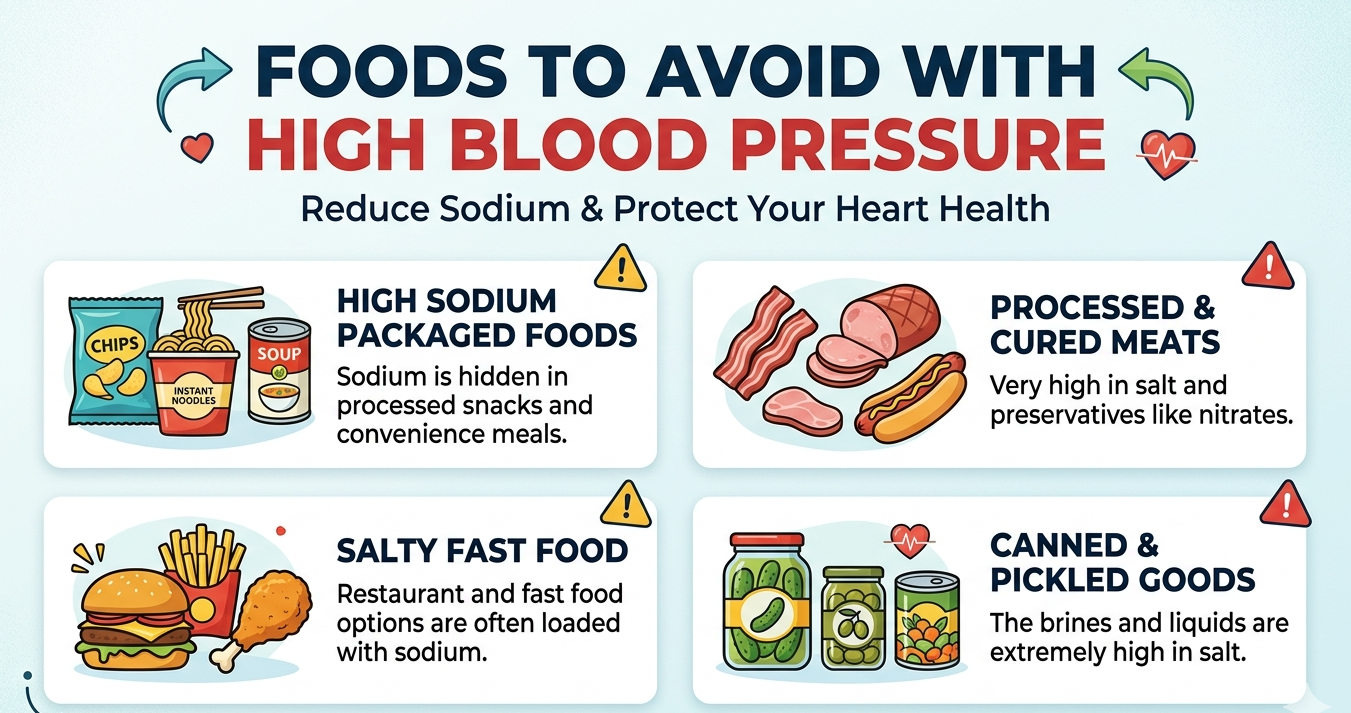
Sodium intake is particularly important in this context. Numerous studies have highlighted the relationship between high sodium consumption and increased blood pressure levels. Foods that are high in sodium, such as processed foods, canned soups, and salty snacks, can result in the body retaining excess fluid, which in turn raises blood pressure. Reducing sodium intake can be a fundamental step for individuals looking to manage their hypertension effectively. The American Heart Association recommends that most adults limit their sodium intake to no more than 2,300 milligrams per day, and an ideal limit for many adults is less than 1,500 milligrams per day.
In contrast, a diet rich in fruits, vegetables, whole grains, and lean proteins can effectively lower blood pressure. These foods provide essential nutrients such as potassium, magnesium, and fiber, which not only support heart health but also enhance the body’s ability to regulate blood pressure. Foods like bananas, spinach, and sweet potatoes are particularly beneficial due to their high potassium content, which helps counteract the effects of sodium. Additionally, the DASH diet (Dietary Approaches to Stop Hypertension) emphasizes the importance of these nutrient-rich foods, demonstrating the positive impact of a balanced diet on blood pressure management.
Ultimately, understanding the connection between diet and blood pressure is vital for individuals who are at risk for hypertension. Making informed dietary choices can play a critical role in maintaining healthy blood pressure levels and overall well-being.
Salty Foods: The Major Culprit
High blood pressure, medically known as hypertension, is a significant health concern affecting millions of individuals worldwide. One of the primary contributors to elevated blood pressure is the consumption of salty foods. High sodium intake can lead to fluid retention, increasing blood volume, and putting additional strain on the heart and blood vessels. It is essential for individuals with hypertension to be mindful of their salt intake.
Processed foods are among the top offenders regarding sodium content. Items such as canned soups, frozen dinners, and processed meats often contain substantial amounts of salt as a preservative and flavor enhancer. For instance, deli meats and sausages can have high levels of sodium, which consumers should note when shopping. Therefore, it is vital to check food labels carefully, as some brands offer lower-sodium versions of common products.
Snacks are another category that tends to be high in salt. Potato chips, popcorn, pretzels, and cheese-flavored crackers might be popular choices, but they contribute significantly to daily sodium intake. Choosing alternatives such as unsalted nuts or fresh fruits and vegetables can be a healthier option for those looking to manage their blood pressure levels.
Restaurant meals are particularly notorious for their sodium content. Many establishments prepare dishes using abundant salt, sauces, and condiments, which can elevate the sodium levels drastically. It is advisable to seek out restaurants that provide nutritional information or that allow for customization, such as reducing sauces or asking for meals to be cooked with less salt.
To reduce salt intake, individuals can adopt a few strategies: using herbs and spices for flavor, cooking fresh meals at home whenever possible, and gradually decreasing salt in cooking methods can all contribute to lower sodium levels in the diet. Awareness and education about the foods that contribute to high blood pressure will empower individuals to make healthier dietary choices.
Processed Foods and Ready-to-Eat Meals
Processed foods and ready-to-eat meals have become prevalent in modern diets, yet they pose significant risks for individuals with high blood pressure. These products often contain excessive amounts of sodium, which can exacerbate hypertension and lead to severe health complications. Sodium is commonly used to enhance flavor and extend shelf life, but it can contribute to water retention, thereby increasing blood volume and raising blood pressure.
Common types of processed foods include packaged snacks, frozen meals, canned soups, and deli meats. Many of these items are laden with hidden salts and preservatives, making it challenging for consumers to identify healthier options. For instance, a single serving of a classic frozen dinner may contain more than a day’s worth of the recommended sodium intake. Moreover, processed snacks such as chips and crackers often surpass healthy sodium levels, contributing significantly to daily intake without providing essential nutrients.
To mitigate the impact of high sodium levels associated with processed foods, it is advisable to seek out whole, unprocessed foods. Fresh fruits and vegetables, whole grains, lean proteins, and homemade meals can serve as healthier alternatives. These options not only reduce sodium intake but also provide essential nutrients that support overall health. Moreover, when selecting packaged products, consumers should be vigilant about reading labels to identify lower sodium content, choosing items marked as “low-sodium” or “no added salt.” By making conscious dietary choices and opting for fresh ingredients, individuals can help manage their blood pressure effectively while still enjoying a varied and satisfying diet.
Foods High in Saturated and Trans Fats
The consumption of saturated and trans fats is a significant contributor to high blood pressure and the overall risk of heart disease. These fats can lead to increased levels of low-density lipoprotein (LDL) cholesterol, often referred to as “bad” cholesterol, thereby heightening the risk of arterial plaque buildup which contributes to hypertension.
Common sources of saturated fats include certain cuts of meat, full-fat dairy products, and certain oils. For instance, fatty cuts of beef, lamb, and pork are particularly high in saturated fats. Additionally, processed meats such as sausages and bacon are not only high in saturated fats but can also be laden with sodium, compounding their adverse effects on blood pressure.
Furthermore, many dairy products, especially those that are full-fat, like cheese and butter, contain substantial amounts of saturated fats. Fried foods, often prepared in oils high in trans fats, are also detrimental. These oils can be found in deep-fried items from restaurants and packaged snacks, such as cookies and crackers.
In light of these risks, opting for healthier fat sources is advisable. Unsaturated fats, found in foods like avocados, nuts, seeds, and olive oil, can promote heart health. Incorporating fatty fish, such as salmon or mackerel, into one’s diet is also beneficial due to their omega-3 fatty acids.
By understanding the impacts of saturated and trans fats on high blood pressure, individuals can make informed dietary choices that foster better heart health and lower their risk of hypertension.
Sugary Foods and Beverages: A Hidden Threat
Excessive sugar intake has been identified as a significant contributing factor to high blood pressure, an increasingly prevalent health issue worldwide. The consumption of sugary foods and beverages can lead to multiple health implications, including weight gain, insulin resistance, and even direct increases in blood pressure levels. Foods high in added sugars—such as candies, sugary cereals, and processed snacks—often provide little nutritional value while simultaneously spiking insulin levels. This insidious effect can exacerbate hypertension by promoting inflammation and negatively affecting endothelial function.
One of the most concerning aspects of sugar consumption is its presence in beverages. Sugary drinks, including sodas, energy drinks, and sweetened teas, are laden with high fructose corn syrup and other forms of sugar. These beverages are particularly problematic due to their ease of consumption; they can lead to significant increases in overall daily caloric intake without providing any feeling of fullness. This unregulated intake can subsequently contribute to obesity, a notable risk factor for high blood pressure.
Moreover, research has shown that excessive sugar intake is not only associated with hypertension but can also worsen existing conditions. Individuals managing hypertension are advised to monitor their sugar consumption carefully. Reducing intake of sugary foods and beverages can be a vital step in blood pressure management. Substituting sugary snacks with fruits, vegetables, or other whole foods can offer the essential nutrients necessary for maintaining healthier blood pressure levels.
In conclusion, understanding the impact of sugary foods and beverages is crucial for those who aim to manage high blood pressure effectively. Establishing a balanced diet that prioritizes low-sugar options is essential for long-term health and well-being.
Alcohol Consumption: Finding the Right Balance
Alcohol consumption can significantly affect blood pressure levels. For individuals with hypertension, understanding the impact of different alcoholic beverages is crucial to managing their condition effectively. Studies suggest that excessive alcohol intake can lead to heightened blood pressure, which may exacerbate the risks associated with hypertension, including heart disease and stroke.
Moderation is essential when it comes to alcohol consumption for those with high blood pressure. The American Heart Association recommends limiting alcohol intake to no more than one drink per day for women and two drinks per day for men. It is vital to note that this guideline may not apply to everyone, particularly those with severe hypertension or other medical conditions. Therefore, consulting a healthcare provider before incorporating alcohol into one’s diet is advisable.
When evaluating alcoholic beverages, some types pose more significant risks than others. For instance, drinks containing high levels of sugar, such as sweet cocktails or sweet wines, can lead to increased calorie intake and potential weight gain. Weight management is critical for blood pressure regulation. Moreover, excessive consumption of beer, which is typically high in calories, can also have adverse effects. On the other hand, moderate red wine consumption has been associated with certain cardiovascular benefits due to its polyphenol content, although this should not be taken as a recommendation to consume alcohol indiscriminately.
In conclusion, it is essential for individuals with high blood pressure to approach alcohol consumption with caution. Understanding the effects of different types of alcoholic beverages, adhering to moderation guidelines, and consulting healthcare professionals when necessary can contribute to a balanced approach in managing hypertension effectively.
Caffeine: A Double-Edged Sword
Caffeine is a widely consumed stimulant found in various beverages, such as coffee, tea, and energy drinks. Its impact on blood pressure is complex, as it can result in differing effects based on individual tolerance levels and the quantity consumed. Research indicates that for some individuals, caffeine can temporarily elevate blood pressure, leading to potential concerns for those with hypertension.
The degree of caffeine’s effect on blood pressure varies significantly among individuals. Some studies have shown that regular caffeine consumers might develop a tolerance over time, resulting in less pronounced increases in blood pressure compared to those who consume caffeine sporadically. This variability underscores the importance of personal assessment regarding caffeine intake for individuals diagnosed with high blood pressure.
For those with high blood pressure or a predisposition to hypertension, it is advisable to monitor caffeine consumption. Recommendations typically suggest limiting intake to moderate levels—generally defined as no more than 200-300 mg per day, which equates to about two to three cups of coffee. Furthermore, individuals should pay attention to how their bodies react after consuming caffeine, as symptoms such as rapid heartbeat or increased blood pressure readings indicate potential sensitivity. It may be beneficial for individuals to document their caffeine consumption alongside their blood pressure readings to understand their personal tolerance.
Ultimately, while caffeine can potentially pose risks for those with high blood pressure, individual responses vary. Therefore, a personalized approach is essential, and consultations with healthcare professionals can provide tailored guidance on caffeine consumption in relation to hypertension management.
Practical Tips for a Blood Pressure-Friendly Diet
Maintaining healthy blood pressure is crucial for overall health, and adopting a blood pressure-friendly diet is an effective way to achieve this. There are several practical tips to consider when aiming to improve dietary choices.
One of the first steps is to engage in comprehensive meal planning. Planning meals in advance not only helps in avoiding unhealthy food options but also encourages the inclusion of nutrient-rich foods such as fruits, vegetables, whole grains, and lean proteins. Aim to include a variety of these foods in your weekly menus to ensure a balanced intake of essential nutrients.
Reading food labels is another vital practice. Many packaged foods are high in sodium, added sugars, and unhealthy fats, which can contribute to high blood pressure. By getting into the habit of closely examining labels, you can make informed choices, opting for low-sodium or no-sodium alternatives wherever possible. Look for products with fewer ingredients and that list whole foods as the primary components.
Incorporating more fresh and whole foods into your daily diet can significantly impact your blood pressure. Fresh fruits and vegetables are not only rich in vitamins and minerals but are also high in fiber, which aids in digestion and heart health. Cooking meals at home using fresh ingredients allows for better control over what you consume, making it easier to eliminate excessive sodium and unhealthy fats.
Additionally, consider reducing the intake of processed foods, which are often high in sodium and unhealthy additives. Instead, choose to prepare meals using whole ingredients, such as grains, legumes, and fresh proteins. This approach will not only support your blood pressure management but will also enhance your overall well-being.
By following these actionable tips, individuals can better navigate their dietary choices and contribute to their health, fostering a diet that supports healthy blood pressure levels.