
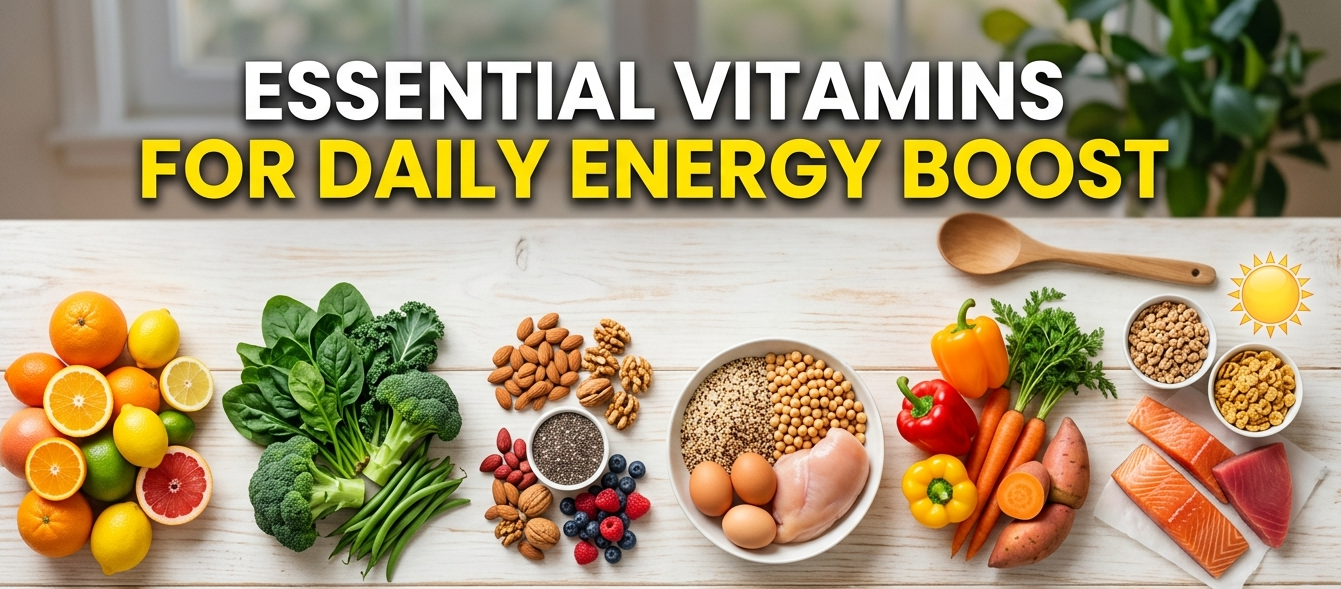


Introduction to Vitamins and Energy
Vitamins are organic compounds that are essential for various biological functions within the human body. They are required in small quantities and play a pivotal role in multiple metabolic processes, including energy production. The connection between vitamins and energy levels is particularly important for maintaining overall health and vitality.
The body relies on vitamins to convert carbohydrates, fats, and proteins from food into energy, which is necessary to support bodily functions and physical activity. This conversion process is largely facilitated by specific vitamins, particularly those belonging to the B-vitamin complex, including B1 (thiamine), B2 (riboflavin), B3 (niacin), B5 (pantothenic acid), B6 (pyridoxine), B7 (biotin), B9 (folate), and B12 (cobalamin). These vitamins assist in the metabolic pathways that transform macronutrients into usable energy stores.
Additionally, other vitamins, such as vitamin C and vitamin D, also contribute indirectly by supporting the immune system and maintaining overall well-being, which can positively influence energy levels. Vitamin C, known for its antioxidant properties, helps mitigate oxidative stress, while vitamin D is essential for bone health and muscle function.
Understanding the vital link between vitamins and energy production is crucial for anyone looking to optimize their energy levels throughout the day. A diet rich in various vitamins not only supports metabolic health but also enhances mood and cognitive functions. This introduction sets the stage for exploring specific vitamins that are particularly effective in boosting energy levels. By identifying and incorporating these nutrients into daily diets, individuals can better sustain their energy and improve overall quality of life.
Vitamin B Complex: The Energy Powerhouse
The Vitamin B complex comprises a group of eight essential vitamins—specifically B1 (thiamine), B2 (riboflavin), B3 (niacin), B5 (pantothenic acid), B6 (pyridoxine), B7 (biotin), B9 (folate), and B12 (cobalamin). Each of these vitamins plays a critical role in energy production and metabolism, making them indispensable for maintaining daily energy levels.
Vitamin B1 is vital for carbohydrate metabolism, allowing the body to convert sugars and starches into energy efficiently. B2 supports various bodily functions, including iron metabolism, which is crucial for oxygen transport and, consequently, energy production. B3 works to improve blood circulation and aids in the release of energy from food. Similarly, B5 is involved in synthesizing coenzyme A, which is crucial for fatty acid metabolism.
Moving on to B6, this vitamin assists in protein metabolism and is essential for creating neurotransmitters that help control mood and energy levels. Furthermore, B7 contributes to the metabolism of fats, proteins, and carbohydrates, emphasizing its importance in energy generation. Folate (B9) is particularly important for cell division and overall growth, and it plays a role in preventing fatigue. Finally, B12 is significant for the health of red blood cells and neurological function, directly impacting energy levels.
Collectively, the B vitamins work synergistically to convert food into fuel, thus significantly affecting physical and mental well-being. A deficiency in any of these vitamins can lead to symptoms such as fatigue, irritability, and overall lethargy. Therefore, ensuring an adequate intake of Vitamin B complex is critical for enhancing energy metabolism and supporting overall health.
Vitamin C: More Than Just Immunity
Vitamin C, commonly known for its role in supporting the immune system, is also vital in energy metabolism. Recent studies highlight its significance in energy production through the synthesis of carnitine, a compound essential for transporting fatty acids into the mitochondria. Mitochondria are often referred to as the powerhouses of the cell, where energy is generated. Therefore, adequate Vitamin C levels can contribute to improved energy utilization and overall endurance.
The synthesis of carnitine requires not only Vitamin C but also a combination of other nutrients such as niacin, vitamin B6, and iron. Vitamin C acts as a cofactor in the synthesis process, enhancing the conversion of amino acids into carnitine. When fatty acids are efficiently transported into the mitochondria, they can be oxidized and converted into adenosine triphosphate (ATP), which is the primary energy currency of the cell. This process is fundamental for both physical performance and daily energy levels.
Moreover, Vitamin C plays an anti-fatigue role by combating oxidative stress. During physical exertion or prolonged periods of mental strain, the body produces free radicals that can lead to muscle fatigue and decreased performance. Vitamin C is a potent antioxidant that neutralizes these free radicals, reducing cellular damage and promoting quicker recovery. A sufficient intake of Vitamin C may therefore prevent fatigue and enhance overall energy. Dietary sources of Vitamin C include citrus fruits, strawberries, bell peppers, and green leafy vegetables, making it relatively easy to include this essential vitamin in one’s daily regimen.
Vitamin D: The Sunshine Vitamin’s Role in Energy
Vitamin D, often referred to as the “sunshine vitamin,” plays a critical role in maintaining overall health, particularly in ensuring adequate energy levels throughout the day. This vitamin is unique as the body can produce it when exposed to sunlight, making it essential for individuals in regions with limited sunlight exposure. The primary function of Vitamin D in the context of energy is its impact on muscle function. Studies have shown that adequate levels of Vitamin D enhance muscle strength and performance, contributing significantly to daily energy and vitality.
Deficiencies in Vitamin D have been associated with muscle weakness and fatigue, leading to a decrease in overall physical performance. Many individuals suffering from low energy levels may find that replenishing their Vitamin D can help alleviate these symptoms. This is particularly relevant in cases of chronic fatigue syndrome, where low Vitamin D levels have been noted among patients. By supporting muscle health, Vitamin D can facilitate better endurance and less fatigue during daily activities.
Moreover, Vitamin D’s role extends beyond muscle function; it also plays a part in regulating calcium and phosphorus in the body, crucial for maintaining healthy bones and metabolic functions. Proper hormonal balance, influenced by adequate Vitamin D, can improve mood and cognitive function, further affecting overall energy levels. Thus, ensuring sufficient Vitamin D intake through diet, supplements, or sunlight exposure is vital for sustained energy. For those experiencing fatigue, it may be beneficial to evaluate Vitamin D levels as part of a broader health and wellness strategy aimed at increasing daily energy and enhancing quality of life.
Iron: The Mineral for Oxygen Transport
Iron is an essential mineral that plays a pivotal role in the body’s intricate functioning, particularly in energy production. It is a crucial component of hemoglobin, the protein in red blood cells responsible for transporting oxygen throughout the body. This transportation is vital, as oxygen is the primary energy source for cells, enabling them to perform their functions efficiently. Without adequate iron levels, the body’s ability to transport oxygen is compromised, leading to reduced energy levels.
When iron levels are insufficient, a condition known as iron deficiency anemia can develop. This condition results in decreased hemoglobin production, which directly impacts the oxygen supply to various tissues and organs. Consequently, individuals may experience symptoms such as fatigue, weakness, and diminished physical and cognitive performance. This fatigue is attributable to the body’s inability to generate sufficient energy, underscoring iron’s role as a cornerstone for vitality and stamina.
Furthermore, the recommended dietary allowance for iron varies based on age, gender, and life stage, necessitating careful consideration of dietary intake. Foods rich in iron include both heme sources like red meat, poultry, and fish, as well as non-heme sources such as legumes, nuts, and fortified cereals. Pairing non-heme iron sources with vitamin C-rich foods can significantly enhance absorption, making it an effective strategy for individuals seeking to boost their iron levels.
In summary, maintaining adequate iron levels is essential for optimal energy levels and overall health. Its primary function in oxygen transport highlights the importance of this mineral in energizing cells and, by extension, the entire body. Therefore, ensuring adequate iron intake is pivotal for anyone looking to improve their daily energy and overall well-being.
Magnesium: The Energy-Enabling Mineral
Magnesium is a vital mineral that plays an essential role in numerous biochemical reactions within the human body, particularly in energy production. At the cellular level, magnesium is a cofactor for over 300 enzymatic processes, many of which are critical for converting food into energy. This mineral enables the body to utilize carbohydrates, fats, and proteins effectively, which is fundamental for maintaining optimal energy levels throughout the day.
Deficiency in magnesium can lead to a variety of health concerns, including fatigue, weakness, muscle cramps, and a general sense of tiredness. When magnesium levels are insufficient, the body’s energy production pathways can become impaired, resulting in reduced ATP (adenosine triphosphate) synthesis. ATP is often referred to as the “energy currency” of the cell; thus, a lack of magnesium can contribute significantly to feelings of lethargy and lowered endurance. For those suffering from chronic fatigue or low energy levels, assessing magnesium intake may be a crucial step in reversing these symptoms.
Fortunately, there are several dietary sources rich in magnesium that individuals can incorporate into their daily meals to achieve adequate intake. Foods such as leafy green vegetables, nuts, seeds, whole grains, and legumes are excellent sources of magnesium. Specifically, almonds, spinach, black beans, and quinoa are particularly noted for their high magnesium content. On the other hand, the intake of processed foods can often lead to magnesium depletion, given that many of these items contain lower concentrations of this vital mineral.
In summary, magnesium is a key mineral that enables energy production at the cellular level, and ensuring an adequate intake can help mitigate feelings of fatigue. By including magnesium-rich foods into your diet, you can promote sustained energy levels and overall well-being.
Coenzyme Q10: The Energy Booster
Coenzyme Q10, often abbreviated as CoQ10, is a vital compound found in every cell of the body, playing a crucial role in the production of adenosine triphosphate (ATP), which is often referred to as the cell’s energy currency. This nutrient is essential for the proper function of enzymes and helps in the conversion of food into energy. Since the energy demands of the body significantly increase throughout various processes, adequate levels of CoQ10 become necessary for maintaining optimal energy levels.
As individuals age, the natural production of CoQ10 within the body tends to decline, which can contribute to decreased energy levels and increased fatigue. The diminished synthesis of this vital coenzyme can also affect overall cellular function, leading to increased oxidative stress and reduced energy metabolism. This age-related decline in CoQ10 availability may contribute to the development of certain age-related health issues, including fatigue, heart disease, and reduced exercise capacity.
Supplementation of Coenzyme Q10 has been associated with various health benefits, especially in older adults. Several studies have indicated that taking CoQ10 supplements can help restore cellular levels of this compound, thereby enhancing energy production. As a result, individuals may experience improved stamina, reduced feelings of fatigue, and enhanced physical performance. Moreover, CoQ10 supplementation may support cardiovascular health by improving endothelial function and reducing oxidative damage.
Incorporating CoQ10 into one’s daily regimen can be an effective strategy for replenishing energy levels, particularly for those experiencing age-related declines. It is recommended to consult with a healthcare professional to determine the appropriate dosage and ensure that Coenzyme Q10 supplements are suitable for individual needs.
Natural Sources of Essential Vitamins
For individuals seeking an energy boost, incorporating a variety of vitamins through natural sources can be highly beneficial. B vitamins, known for their energy-boosting properties, can be found in numerous foods. For example, whole grains like brown rice and oats are excellent sources, while legumes such as lentils and beans also provide significant amounts of B vitamins. Additionally, animal products like eggs, dairy, and lean meats are rich in these essential nutrients.
Vitamin C plays a crucial role in the body’s energy production by supporting immune function and iron absorption. Citrus fruits, including oranges and grapefruits, are well-known sources, but other fruits such as strawberries and kiwi also contribute a significant amount of Vitamin C. Vegetables like bell peppers, broccoli, and Brussels sprouts are equally important for incorporating this vitamin into a diet.
Vitamin D, often referred to as the “sunshine vitamin,” can be obtained mostly through sunlight exposure; however, dietary sources can also bolster levels. Fatty fish such as salmon, mackerel, and sardines are rich in Vitamin D, as are fortified foods like milk and orange juice. Just a small amount can significantly enhance energy levels.
Iron and magnesium are critical for maintaining overall energy. Red meat, poultry, lentils, and spinach provide good sources of iron, while nuts, seeds, and whole grains are rich in magnesium. Including a variety of these foods will assist in maintaining adequate levels of these minerals, promoting sustained energy throughout the day.
Lastly, Coenzyme Q10 (CoQ10) is another notable compound for energy production within the body. It can be found in small amounts in foods such as fatty fish, whole grains, and even spinach. For those looking to boost their energy levels effectively, a well-rounded diet incorporating these vitamins and minerals will provide not only enhanced vitality but also improve overall health.
Conclusion: Tailoring Your Vitamin Intake for Optimal Energy
In today’s fast-paced world, maintaining high energy levels is essential for achieving both personal and professional goals. The role of vitamins in energy production cannot be understated. Vitamins such as B12, B6, and Vitamin D are crucial for metabolizing nutrients and producing energy on a cellular level. These vitamins not only help convert carbohydrates, fats, and proteins into usable energy but also play significant roles in red blood cell formation and enhancing the immune system.
During our exploration of essential vitamins, it became evident that deficiencies can lead to fatigue and decreased energy levels. Identifying the right balance of vitamins is thus fundamental for sustaining energy throughout the day. For instance, incorporating sources rich in B vitamins, like whole grains, nuts, and leafy greens, can support energy metabolism. Additionally, Vitamin D, primarily obtained from sunlight and certain foods, is vital for overall vitality and immune function.
As you consider your own vitamin intake, it might be beneficial to assess what your diet is currently providing. Monitoring your daily nutrition can help identify any gaps that may require addressing through dietary modifications or supplementation. Furthermore, consulting a healthcare professional can provide personalized insights, ensuring your nutrient intake aligns with your energy needs. They can assess your specific situation and recommend an appropriate vitamin regimen tailored to optimize your energy levels.
By evaluating your dietary habits and making necessary adjustments, you can create a balanced approach to vitamin intake that supports sustained energy throughout your daily activities. Embracing this proactive strategy is key to enhancing your overall well-being and achieving a more energetic lifestyle.