
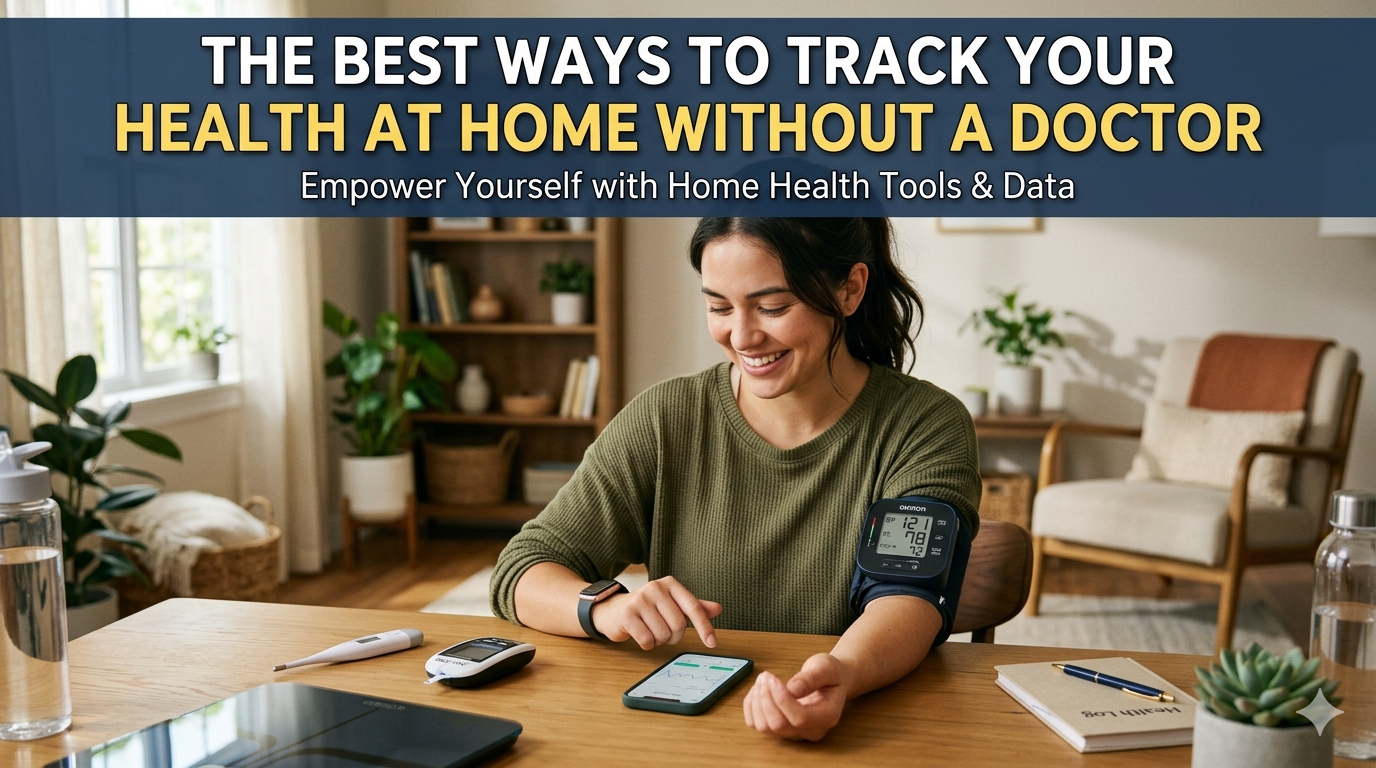


Introduction to Home Health Tracking
In an era where technological advancements and digital health tools are increasingly shaping the healthcare landscape, monitoring your health at home has gained significant importance. For many individuals, regular visits to healthcare professionals may not always be feasible due to various reasons such as time constraints, mobility issues, or the ongoing challenges posed by the global pandemic. As a result, proactive self-monitoring has emerged as a vital component in managing one’s health effectively.
The shift towards home health tracking embodies a broader trend in healthcare that emphasizes preventive measures and wellness management. By taking charge of personal health monitoring, individuals can gain insights into their well-being while identifying potential health issues before they escalate. This proactive approach enables people to stay informed about crucial health metrics, including weight, physical activity, sleep patterns, and vital signs such as blood pressure and heart rate.
Moreover, the benefits of home health tracking extend beyond merely gathering data. Individuals engaged in self-monitoring can develop a deeper understanding of their lifestyle choices and health behaviors. They can leverage this information to make informed decisions regarding diet, exercise, and stress management, thereby fostering a holistic approach to health. The accessibility of various tools and technologies, such as mobile apps and wearable devices, further enhances the ability to track one’s health consistently and conveniently.
Embarking on the journey of home health tracking not only cultivates a sense of accountability but also empowers individuals to engage actively in their healthcare. This shift toward self-directed health management can lead to improved outcomes, greater awareness of personal health status, and ultimately a more fulfilling life. The following sections will delve deeper into the various methods and tools available for effectively tracking health at home.
Understanding Your Health Metrics
Tracking your health at home can provide valuable insights into your overall well-being. Several essential health metrics can be monitored easily, each offering unique information about your body’s functioning. Key metrics include weight, blood pressure, heart rate, blood glucose levels, and body temperature.
Weight is often the most immediate measure one considers. Regular monitoring can help you understand fluctuations that may arise from diet changes, physical activity, or even hydration levels. It is important to note that weight alone does not define health; context, such as body composition, is crucial.
Blood pressure is another vital sign that reflects how hard your heart is working to pump blood through your body. High blood pressure can be an indicator of multiple health challenges, including heart disease and stroke risk. Home blood pressure monitors are widely available and can facilitate regular checks, allowing you to identify trends over time.
Heart rate provides insight into cardiovascular health. A resting heart rate can indicate fitness levels; generally, lower resting rates reflect better cardiovascular condition. Monitoring your heart rate during various exercises can help tailor your fitness regime to maximize effectiveness and safety.
Blood glucose levels are particularly important for individuals managing diabetes or those concerned about their blood sugar. Home glucose monitors allow for regular checks, offering critical data that inform dietary choices and physical activity. Tracking this metric is essential for maintaining overall health and preventing complications from abnormal levels.
Lastly, monitoring your body temperature can aid in identifying the presence of infections or other health issues. An increase in temperature may signify the body’s response to illness, and regular tracking can assist in determining the need for further medical evaluation.
Using Wearable Technology
In recent years, the popularity of wearable technology has surged, providing individuals with innovative tools to monitor their health at home. Fitness trackers and smartwatches stand out as primary examples of this technology, allowing users to track various aspects of their health 24/7. These devices collect real-time data related to physical activity, sleep patterns, and heart health, offering valuable insights that can motivate individuals to maintain or improve their health and wellness.
Fitness trackers, for instance, can record daily steps, calories burned, and active minutes, helping users stay accountable. By setting personal fitness goals, users can easily recognize their progress through the data collected by these devices. Furthermore, many fitness trackers incorporate heart rate monitoring features, which assist users in understanding their cardiovascular health. Tracking heart rate variability can also aid in determining stress levels and overall well-being.
Smartwatches often come equipped with advanced features, including GPS tracking, smartphone notifications, and extensive health monitoring capabilities, such as ECG readings and blood oxygen levels. The integration of these functions facilitates comprehensive health tracking all from one device, making it an attractive option for consumers.
When selecting a wearable device, it is essential to consider several factors. Firstly, evaluate what health metrics are most important to you, whether that be sleep quality, exercise tracking, or heart health. Secondly, examine the device’s compatibility with your smartphone and other health apps to ensure seamless integration. Lastly, consider the battery life and comfort of wear, as these aspects significantly impact the user experience.
Incorporating wearable technology into your daily health monitoring routine can empower you to take control of your well-being, guiding you toward a healthier lifestyle without the immediate need for medical supervision.
Leveraging Mobile Health Apps
In recent years, the advent of mobile health apps has transformed the landscape of personal health tracking. These applications provide individuals with the ability to monitor various aspects of their health, such as diet, exercise, and health symptoms, from the comfort of their homes. Selecting the right app can significantly enhance your health management efforts, making it crucial to understand what features to look for.
When seeking an effective mobile health app, consider options that align with your specific health goals. For instance, if your primary focus is nutrition, look for apps that offer meal planning, calorie counting, and nutrition tracking features. Similarly, apps designed for fitness should include customizable workout plans, performance tracking, and even integration with wearable devices. Look for user-friendly interfaces that provide a supportive experience without overwhelming you.
Another essential feature to consider is data storage and analysis. Opt for apps that enable you to keep digital records of your health metrics. This could include exercise logs, food diaries, or symptoms experienced over time. Having access to historical data will not only help identify patterns in your health habits but also supports discussions with healthcare professionals when necessary.
One of the significant benefits of leveraging mobile health apps is the accessibility and convenience they offer. Most apps allow users to input data in real-time, ensuring that your health information is always current. Additionally, many apps come with reminders and motivational prompts to encourage adherence to your health routines, ultimately enhancing your chances of achieving your wellness objectives. By utilizing these tools effectively, you can gain better insight into your health and make informed decisions to improve your overall well-being.
The Role of Dietary Journals
Maintaining a dietary journal is an invaluable tool for individuals seeking to monitor their nutritional intake and enhance overall health at home. A food diary allows you to document everything you consume throughout the day, providing a comprehensive overview of your dietary habits. By keeping an accurate record of meals, snacks, and beverages, you can identify patterns and make informed decisions concerning your nutrition.
To effectively utilize a dietary journal, start by noting down the types of food you eat, portion sizes, and the timing of each meal. This can help you become more aware of your eating habits and recognize any potential areas for improvement. For instance, you may find that you tend to consume high-calorie snacks at specific times, indicating moments of emotional eating or boredom. With this knowledge, you can take proactive steps to adjust your habits accordingly.
In addition to listing what you eat, consider recording how specific foods affect your health. This can include tracking energy levels, mood fluctuations, or any physical symptoms after meals. By correlating your food intake with these reactions, you can identify food intolerances or sensitivities, and possibly highlight nutrient-deficient areas in your diet.
Moreover, various apps and online platforms can facilitate your habitual tracking, making it easier to record meals and analyze dietary data. Look for options that provide nutritional insights and help set personal goals, such as weight loss or increased nutrient intake. Using these tools, along with your dietary journal, can enhance your ability to improve your eating habits effectively.
In conclusion, maintaining a dietary journal is an effective method to monitor your food intake and nutrition without direct medical intervention. By actively reflecting on your eating habits, you can cultivate healthier lifestyle choices and ultimately improve your overall well-being.
Implementing Routine Health Assessments at Home
Maintaining one’s health is essential, and performing regular health assessments at home can provide valuable insights into your overall well-being. This involves using simple tools and following guidelines to measure various health indicators such as blood pressure, heart rate, and other vital signs.
One of the most fundamental assessments you can perform is measuring your blood pressure. A blood pressure monitor is a vital tool for this purpose. To get an accurate reading, ensure you are seated comfortably and that your arm is supported at heart level. An appropriate cuff size is crucial; a cuff that is too small can give a false high reading, while a too-large cuff may yield a false low reading. Take two or three readings, one minute apart, and document the results.
Monitoring your heart rate is another straightforward procedure. You can measure your pulse manually at your wrist or neck using your index and middle fingers. Count the beats for 30 seconds and then multiply by two to get your heart rate per minute. This assessment can help identify any irregularities in your cardiovascular health.
Additionally, checking your weight regularly using a reliable scale can help you track changes in your body composition. Maintaining a healthy weight is essential for preventing various health issues. Taking measurements of your waist circumference can also give you clues about your weight-related health; a waist size greater than 40 inches for men or 35 inches for women may indicate increased health risks.
Other assessments such as monitoring your body temperature can also be done using a digital thermometer. Keeping a log of these results over time allows for better insights into trends and can be shared with healthcare professionals when necessary. By incorporating these routine assessments into your weekly schedule, you empower yourself to stay informed about your health.
Creating a Personal Health Goal Tracker
Establishing a personalized health goal tracker is an essential practice for monitoring health at home. This allows individuals to maintain focus on their wellness objectives and assess progress effectively. The first step in creating a tracker is setting specific, measurable, achievable, relevant, and time-bound (SMART) goals. Each element of the SMART criteria plays a crucial role in ensuring that health goals are realistic and attainable.
Specific objectives help direct your focus; for instance, instead of aiming to “lose weight,” you might set a goal to “lose 5 pounds in the next two months.” This clarity allows for better planning and action. Next, measurable goals enable you to gauge progress; logging your weight weekly provides tangible outcomes. This makes it easier to determine if you are on track or if adjustments are needed.
Achievable goals are just as vital; while it is beneficial to challenge oneself, setting an unrealistic target can lead to disappointment. Assess your lifestyle and capabilities to craft goals that are within reach. Moreover, ensuring that these goals are relevant makes them more motivating. Reflect on how achieving these goals aligns with your broader health aspirations. For instance, increasing weekly exercise by a specific duration should correspond to personal fitness enhancement.
The time-bound aspect requires you to establish deadlines, which can dramatically improve motivation. If your goal includes running a 5k in three months, you can create a structured plan outlining milestones. Once SMART goals are defined, create a tracking system. This can be as simple as a notebook or a digital application that allows regular updates. Review your progress periodically and make adjustments if needed. By actively engaging with your personal health goal tracker, you not only keep your health objectives in sight but also promote sustained commitment to your well-being.
Engaging with Online Health Communities
In recent years, the rise of the internet has facilitated the creation and growth of online health communities, providing individuals with a powerful platform to connect, share experiences, and support one another in their health journeys. Engaging with these communities can significantly enhance one’s ability to monitor and improve personal health outside the traditional doctor-patient relationship.
Participating in online health forums allows individuals to access a wealth of shared knowledge, resources, and advice. Members often share personal success stories, challenges, and practical tips that have helped them achieve their health goals. The sense of community fosters a supportive environment, where individuals feel motivated and inspired to take charge of their health. Whether it’s weight loss, mental well-being, or managing chronic conditions, such interactions can lead to increased accountability and commitment.
Additionally, online health communities often feature discussions led by health professionals, providing valuable insights into various health topics. This access to expert opinions helps individuals make informed decisions regarding their well-being. Furthermore, the open exchange of information promotes a sense of empowerment, encouraging users to ask questions and seek clarification on health issues that concern them.
Moreover, engaging in these communities can strengthen social connections. Many individuals find camaraderie with others who share similar health goals or struggles, which can alleviate feelings of isolation. This support network not only enhances motivation but also improves emotional resilience. The shared experiences contribute to a more profound understanding of health matters and foster a holistic approach to personal wellness.
In conclusion, joining online health communities can be an invaluable resource for anyone looking to track and improve their health at home. The motivation gained from sharing personal stories and learning from others significantly enriches the health management experience.
Conclusion and Next Steps for Home Health Tracking
As we have explored, tracking health at home is not only feasible but also essential for proactive health management. By adopting various methods such as maintaining a detailed health journal, utilizing mobile health applications, and employing wearable technology, individuals can gain significant insights into their well-being. These strategies enable one to monitor key metrics like physical activity levels, heart rate, sleep patterns, and dietary habits, which can be instrumental in identifying trends and areas for improvement.
In addition, being mindful of one’s mental health through practices such as mindfulness and stress management can profoundly impact physical health. Engaging in regular reflection and assessment of both physical and mental health can help individuals recognize when professional medical intervention may be necessary. Remember that self-monitoring does not replace professional medical advice but rather complements it by giving users a clearer picture of their health status over time.
Incorporating these health-tracking practices into daily routines can lead to a more informed approach to health management. To maximize the benefits, it is advisable to set achievable health goals and regularly review progress. In doing so, individuals can encourage themselves to maintain consistent tracking habits that ultimately foster healthier lifestyles.
By taking charge of one’s health using the methods discussed, individuals can cultivate greater awareness and empowerment regarding their health decisions. Embracing these practices today will pave the way for better health outcomes tomorrow. Start small, stay consistent, and make home health tracking an integral part of your daily routine for optimal wellness.