
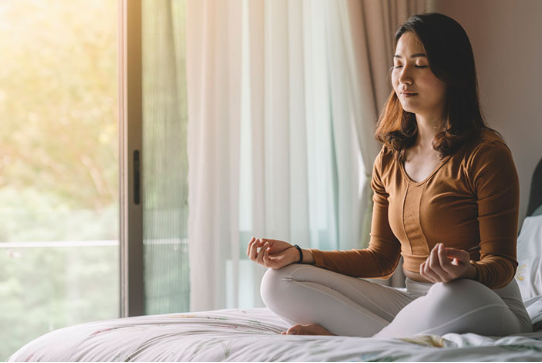


Understanding Emotional Wellbeing
Emotional wellbeing is a critical aspect of mental health that refers to the overall capacity to manage emotions, cope with challenges, and maintain a positive outlook on life. It encompasses factors such as self-esteem, self-acceptance, and the ability to express feelings in a balanced manner. Recognizing the importance of emotional wellbeing is essential as it significantly influences one’s overall mental health, shaping how individuals navigate life’s complexities.
There are several components that contribute to emotional resilience, which is the ability to recover from setbacks, adapt to change, and deal with difficult situations effectively. These components include a strong support system of friends and family, effective communication skills, and self-awareness, which allows individuals to recognize their emotions and understand their triggers. Additionally, developing healthy coping mechanisms is crucial, as they enable individuals to handle stressors in constructive ways, thereby enhancing emotional wellbeing.
Stress, on the other hand, can have a detrimental impact on emotional health. Chronic stress can lead to feelings of anxiety, depression, and other emotional disturbances. It is essential to identify stressors and employ strategies to mitigate their effects. This is where mindfulness and relaxation practices come into play. By incorporating techniques such as meditation, deep breathing, and yoga, individuals can foster a more profound sense of calm, allowing them to process emotions and reduce stress levels effectively. Such practices not only support emotional stability but also contribute to improved cognitive functioning and overall wellbeing.
In summary, understanding emotional wellbeing is vital for promoting mental health. It involves recognizing its components, such as resilience, and addressing the adverse effects of stress. By cultivating emotional strength through mindfulness and relaxation techniques, individuals can enhance their quality of life and foster a healthier emotional state.
Defining Mindfulness
Mindfulness is an ancient practice rooted primarily in Buddhist traditions but has evolved into a secular practice embraced in various contexts, including psychology, healthcare, and personal development. At its core, mindfulness involves the capacity to maintain an open, accepting, and discerning awareness of the present moment. This practice encourages individuals to observe their thoughts, feelings, and bodily sensations without judgment, fostering self-awareness and acceptance.
Originating from the Pali word ‘sati’, mindfulness encompasses the practice of being fully present and engaged in the moment. In our modern, fast-paced lives, the ability to pause and observe our internal and external experiences offers a refreshing counterbalance. By cultivating mindfulness, individuals learn to navigate daily challenges with greater composure and clarity.
The operational framework of mindfulness involves various techniques, including meditation, breathing exercises, and mindful walking. Each of these practices aims to enhance one’s attention and awareness. For instance, during mindfulness meditation, individuals may focus on their breath, allowing distractions to come and go without reaction. This process not only sharpens concentration but also promotes emotional stability.
The benefits of practicing mindfulness for emotional wellbeing are substantial. Through regular engagement in mindfulness practices, individuals often report increased self-awareness, which is crucial for recognizing emotional triggers and patterns. Mindfulness fosters improved emotional regulation by teaching individuals to respond to stressors with awareness rather than reactively. Over time, these mindfulness practices can lead to a greater sense of peace, reduced anxiety, and overall enhanced emotional resilience.
The Science Behind Mindfulness
Mindfulness, defined as the practice of being fully present and engaged in the moment without judgment, has garnered significant attention in both psychological and neurological research. Numerous studies have illustrated how mindfulness impacts brain function, particularly in areas related to emotional regulation and processing. Research indicates that mindfulness practice can lead to structural and functional changes in the brain, enhancing emotional wellbeing.
Functional magnetic resonance imaging (fMRI) studies have shown that mindfulness meditation activates brain regions associated with self-referential processing, including the default mode network (DMN). This network, often linked to mind-wandering and self-referential thoughts, appears to be modulated during mindfulness practice, thereby reducing rumination and increasing awareness. Such neural adaptations facilitate a more balanced emotional landscape, enabling individuals to respond to stressors with greater resilience.
Moreover, mindfulness has been linked to increased gray matter density in regions of the brain associated with learning, memory, and emotional regulation, such as the hippocampus and prefrontal cortex. These changes contribute not only to improved memory and cognition but also enhance the ability to manage emotions effectively. Mindfulness practices further encourage the development of a non-reactive stance toward thoughts and feelings, which can lead to decreased anxiety and depression.
In addition to neurological changes, psychological studies have demonstrated that engagement in mindfulness techniques correlates with improved emotional wellbeing. Individuals who regularly practice mindfulness report increased levels of positive emotions, greater satisfaction in their lives, and enhanced coping strategies during challenging times. Such findings support the notion that integrating mindfulness into daily routines can serve as a powerful tool for promoting emotional resilience.
Relaxation Techniques and Their Benefits
Relaxation techniques are integral to enhancing emotional wellbeing and managing stress. These practices not only help in alleviating anxiety but also promote overall emotional stability. Here, we will explore several effective relaxation techniques, including deep breathing exercises, progressive muscle relaxation, and guided imagery.
Deep breathing exercises are among the simplest yet most powerful tools for relaxation. This technique involves focusing on one’s breath and inhaling deeply through the nose, followed by exhaling slowly through the mouth. Such exercises increase oxygen intake, which lowers heart rate and promotes a sense of calm. Regular practice can significantly reduce tension and enhance emotional clarity, making it a valuable method in stress management practices.
Progressive muscle relaxation (PMR) is another effective technique that encourages awareness of muscle tension. This method involves systematically tensing and then relaxing different muscle groups in the body. By practicing PMR, individuals can gain insights into the physical manifestations of stress and learn how to consciously release tension. This not only helps in reducing stress levels but also fosters a more profound understanding of one’s body, contributing positively to emotional health.
Guided imagery is a technique that utilizes visualization to create a calming mental space. By imagining peaceful scenes or experiences, individuals can transport themselves to a place of serenity, effectively invoking relaxation. This method can be particularly beneficial for those struggling with anxiety or persistent stress, as it helps redirect focus away from negative thoughts, promoting emotional balance.
Incorporating these relaxation techniques into daily routines can lead to significant improvements in emotional wellbeing. Each technique brings unique benefits, and their combined effects can cultivate a more resilient and balanced state of mind.
Integrating Mindfulness into Daily Life
Incorporating mindfulness into everyday routines can significantly enhance emotional wellbeing. Mindfulness is the practice of being present and fully engaged in the current moment, which can be easily woven into daily activities. One practical approach is mindful eating. This technique encourages individuals to slow down and savor each bite, paying attention to the flavors, textures, and sensations associated with food. By doing so, one can foster a deeper connection with their meals and potentially improve digestion and satisfaction.
Another effective way to integrate mindfulness is through mindful walking. This involves taking a stroll while concentrating on the physical experience of walking. Rather than allowing the mind to wander to concerns or distractions, mindful walking encourages individuals to focus on the movement of their body, the rhythm of their breath, and the environment around them. This practice not only promotes a sense of calm but also serves as an excellent exercise for both the body and the mind.
For those looking to explore mindfulness further, the use of mindfulness apps can be beneficial. These applications often provide guided meditations, breathing exercises, and reminders to pause and reflect throughout the day. With a variety of features tailored to different needs and levels of experience, mindfulness apps make the practice accessible to anyone, regardless of their schedule or familiarity with mindfulness techniques.
Incorporating these practices into a daily routine does not have to be a daunting task. Simple adjustments—like dedicating time during meals for focused eating, taking brief walks while concentrating on the experience, or utilizing technology—can lead to lasting positive changes. The key to successfully integrating mindfulness into daily life is consistency and a willingness to remain present in each moment.
The Role of Meditation in Emotional Wellbeing
Meditation has emerged as a powerful tool for enhancing emotional wellbeing. Various forms of meditation, including mindfulness meditation and loving-kindness meditation, offer distinct benefits that contribute to mental health. Mindfulness meditation encourages individuals to focus their attention on the present moment, fostering a heightened awareness of thoughts, emotions, and bodily sensations. This practice assists in reducing symptoms of anxiety and depression, helping individuals disengage from negative thought patterns that often exacerbate emotional distress.
Loving-kindness meditation, another beneficial practice, focuses on cultivating feelings of compassion and love towards oneself and others. By generating positive emotional states, this meditation technique can lead to improved relationships and a deeper sense of connection with others. Regular engagement in loving-kindness meditation has been shown to enhance resilience, helping individuals better navigate life’s challenges and reduce the impact of stressors on emotional health.
Studies indicate that incorporating meditation into daily routines can foster significant improvements in emotional regulation and overall emotional health. Participants in meditation programs often report lower levels of anxiety and depressive symptoms, attributed to the practice’s ability to promote relaxation and stress reduction. The regular practice of meditation encourages individuals to create mental space, allowing for more thoughtful responses to emotional stimuli rather than automatic reactions.
In summary, both mindfulness and loving-kindness meditation present valuable strategies for enhancing emotional wellbeing. By fostering a deeper understanding of one’s thoughts and emotions, these practices empower individuals to build emotional resilience and improve their mental health. Engaging consistently in meditation can be a profound step towards achieving a balanced and healthier emotional state.
Building a Personal Relaxation Routine
Creating a personalized relaxation routine is essential for enhancing emotional wellbeing. By incorporating techniques that resonate with you, it becomes easier to make relaxation a consistent part of your daily life. Individual preferences vary widely; therefore, tailoring a routine that reflects your interests and lifestyle is crucial.
Start by identifying the relaxation practices you enjoy most. These might include meditation, deep breathing exercises, yoga, or simply taking a quiet walk in nature. Once you have a list of preferred activities, consider how you can fit them into your daily schedule. Consistency is key to deriving benefits from relaxation techniques, so aim to dedicate time each day to your practice.
Establishing a specific time for your relaxation routine can be advantageous. This could be in the morning to start your day off on a calm note, during lunch for a refreshing break, or in the evening to unwind before bed. By sticking to a regular schedule, your body and mind will begin to anticipate this time, making it easier to engage fully in the practices you choose.
It is also important to recognize and address common obstacles to relaxation. Life can be hectic, and distractions are often plentiful. Design strategies to minimize these disruptions, such as creating a dedicated space for your relaxation practice or setting boundaries with family or coworkers during your relaxation time. Moreover, if you find it difficult to stay engaged with your routine, consider varying your techniques over time to keep it interesting and enjoyable.
Finally, remember that the journey to enhance your emotional wellbeing through mindfulness and relaxation may require patience and effort. Celebrate your progress, no matter how small, and remain open to adjustments in your routine as your needs and preferences evolve. By committing to a personal relaxation routine, you are taking a significant step towards achieving a more balanced and fulfilling life.
Mindfulness and Relaxation for Specific Challenges
Mindfulness and relaxation techniques have garnered considerable attention for their potential to improve emotional wellbeing. These practices can be effectively tailored to address specific emotional challenges, such as anxiety, depression, and stress. Each of these conditions manifests uniquely in individuals, necessitating personalized strategies that align with one’s specific needs.
For those dealing with anxiety, grounding techniques in mindfulness can be particularly beneficial. This may include focusing on the present moment by engaging the senses—such as noticing the texture of an object or listening to ambient sounds. Such practices help divert attention from anxious thoughts and create a sense of calmness. Additionally, deep-breathing exercises can be integrated into daily routines, encouraging relaxation and promoting a feeling of stability amidst anxiety-inducing situations.
When addressing depression, mindfulness can serve as a tool to cultivate self-compassion. Individuals may practice gratitude journaling, which involves reflecting on positive experiences or qualities each day. This practice shifts focus from negative thoughts to a more balanced perspective, fostering emotional resilience. Incorporating movements through mindful yoga can also enhance body awareness and promote a sense of connection with oneself, which may alleviate feelings of isolation that often accompany depression.
In the case of stress, relaxation practices such as progressive muscle relaxation or guided imagery can effectively counteract tension. Progressive muscle relaxation entails systematically tensing and relaxing muscle groups, which helps to release physical stress and calms the mind. Guided imagery, where an individual visualizes a serene environment, can transport the mind away from stressors and facilitate emotional relaxation. Both techniques can be employed during challenging times to provide immediate relief.
Overall, integrating mindfulness and relaxation techniques into one’s lifestyle can significantly enhance emotional wellbeing. By addressing the nuances of specific emotional challenges with tailored approaches, individuals can navigate their emotional landscapes more effectively and promote a healthier mindset.
The Long-Term Impact of Mindfulness and Relaxation on Emotional Health
Practicing mindfulness and relaxation techniques has been shown to yield significant long-term benefits for emotional health. These practices foster emotional resilience, enabling individuals to manage stress and navigate life’s challenges more effectively. Over time, the cultivation of mindfulness enhances one’s ability to remain present, reduce anxiety, and improve emotional regulation.
One key aspect of mindfulness is its ability to increase self-awareness. Individuals who regularly engage in mindfulness practices become more attuned to their thoughts and feelings, which can lead to a better understanding of emotional triggers. This heightened awareness allows for improved management of emotions, reducing the likelihood of becoming overwhelmed by negative thoughts or situations. Consequently, those who practice mindfulness tend to experience a more stable emotional state over time.
Moreover, relaxation techniques, such as deep breathing, progressive muscle relaxation, and guided imagery, contribute significantly to emotional wellbeing. These approaches not only reduce physiological stress responses but also create a sense of calm and tranquility. Regular engagement in relaxation practices can lead to a sustained reduction in stress levels, leading to improved mental clarity and a greater sense of peace in daily life.
In addition, the combination of mindfulness and relaxation fosters a positive feedback loop of emotional health. As individuals develop healthier coping mechanisms through these practices, they are likely to encounter fewer emotional disturbances. This reduction in emotional volatility can enhance overall quality of life and promote a sustained sense of happiness and fulfillment.
Ultimately, integrating mindfulness and relaxation practices into daily routines does not just offer temporary relief from stress; it equips individuals with lifelong tools to enhance their emotional health. By making these practices a regular part of one’s lifestyle, individuals can build a strong foundation of emotional resilience, ensuring they remain equipped to handle future challenges effectively.