
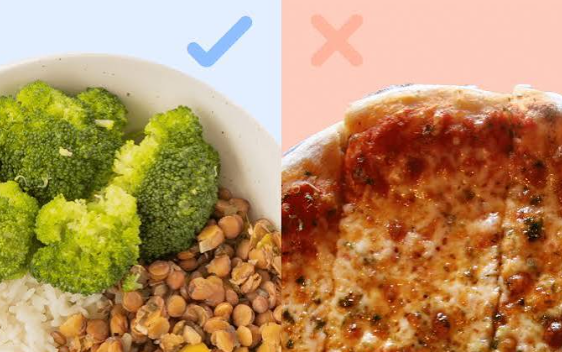


Introduction to Inflammation and Diet
Inflammation is a natural response of the body to perceived threats, such as pathogens, irritants, or injuries. It serves as a protective mechanism vital for our survival, facilitating healing and restoring homeostasis. However, when inflammation becomes chronic, it can lead to various health complications, including heart disease, diabetes, and autoimmune disorders. Understanding this dual role of inflammation is critical in recognizing its implications for overall health.
The connection between diet and inflammation has gained significant attention in recent years. An individual’s nutritional choices can either exacerbate or alleviate inflammatory responses. Foods laden with refined sugars, trans fats, and processed ingredients can intensify inflammation, while whole foods such as fruits, vegetables, whole grains, and healthy fats can help mitigate this bodily reaction. This relationship forms the foundation of the anti-inflammatory diet, designed to reduce chronic inflammation through dietary alterations.
The anti-inflammatory diet emphasizes the consumption of nutrient-dense foods that possess anti-inflammatory properties. These include antioxidants found in berries, omega-3 fatty acids from fish, and phytochemicals in leafy greens. On the contrary, individuals are encouraged to limit processed foods, added sugars, and unhealthy fats. The basic premise of this dietary approach revolves around fostering an environment conducive to healing and preventing inflammation from overwhelming the body.
In essence, adopting an anti-inflammatory diet can play a significant role in preventing and managing various inflammatory conditions. By aligning dietary choices with this principle, individuals may enhance their overall health and well-being.
What is an Anti-Inflammatory Diet?
An anti-inflammatory diet is a nutritional approach designed to reduce inflammation in the body, which has been linked to various chronic diseases, including heart disease, diabetes, and certain cancers. Central to this diet is the understanding that inflammation can trigger the onset of these health issues, and thus, adopting a diet that minimizes inflammatory markers can promote better health outcomes.
This diet emphasizes the consumption of whole, unprocessed foods that are rich in antioxidants, healthy fats, and other nutrients known for their anti-inflammatory properties. Key elements include fruits and vegetables, whole grains, lean protein sources such as fish and poultry, and healthy fats derived from nuts, seeds, and olive oil. Specifically, berries, leafy greens, fatty fish, and spices such as turmeric and ginger are often highlighted due to their potent anti-inflammatory compounds.
In contrast to other dietary approaches, such as the ketogenic or paleo diets, the anti-inflammatory diet is not focused on eliminating entire food groups but rather on promoting a balanced and varied intake of nutrient-dense foods. It discourages the consumption of processed and refined foods high in sugar, trans fats, and additives, which can exacerbate inflammation. Moreover, this dietary approach encourages mindful eating patterns, where individuals pay attention to hunger cues and overall wellbeing, fostering a healthier relationship with food.
In summary, an anti-inflammatory diet is a holistic dietary strategy that aims to minimize inflammation through a diverse range of nourishing foods, while also advocating for overall health and wellness. This makes it a beneficial option for individuals seeking to improve their health and prevent disease.
Key Nutrients in an Anti-Inflammatory Diet
An anti-inflammatory diet is centered around the consumption of foods that support the body’s natural ability to manage inflammation. Among the critical nutrients that positively influence this process are omega-3 fatty acids, antioxidants, vitamins, and minerals.
Omega-3 fatty acids are known for their powerful anti-inflammatory properties. These essential fats can be found in fatty fish such as salmon, mackerel, and sardines, as well as in plant sources like flaxseeds, chia seeds, and walnuts. Incorporating these foods into the diet can help mitigate the body’s inflammatory responses.
Another vital component of an anti-inflammatory diet is antioxidants. These compounds help neutralize free radicals, which can cause cellular damage and trigger inflammation.Foods rich in antioxidants include berries, dark chocolate, kale, and spinach. The vibrant colors of many fruits and vegetables often indicate high antioxidant content, making it beneficial to include a variety of these items in daily meals.
Vitamins play an essential role in reducing inflammation. For instance, vitamin C, found in citrus fruits, tomatoes, and bell peppers, contributes to the health of the immune system and supports tissue repair. Additionally, vitamin E, present in nuts and seeds, is known for its anti-inflammatory characteristics, promoting overall health.
Minerals such as magnesium also contribute significantly to reducing inflammation. Foods rich in magnesium include leafy greens, nuts, seeds, and whole grains. These minerals help regulate various biochemical reactions in the body related to inflammation, promoting a balanced inflammatory response.
In summary, understanding the nutrients that contribute to an anti-inflammatory diet is crucial for optimal health. By prioritizing omega-3 fatty acids, antioxidants, vitamins, and minerals in daily nutrition, individuals can enhance their well-being and effectively combat inflammation.
Foods to Include in an Anti-Inflammatory Diet
Adopting an anti-inflammatory diet involves incorporating a variety of wholesome foods known for their ability to mitigate inflammation in the body. Here we categorize these beneficial foods into key groups, detailing examples and their associated health benefits.
Fruits
Fruits are rich in antioxidants and phytochemicals that can help lower inflammation. Berries, such as blueberries, strawberries, and raspberries, are particularly noted for their high levels of flavonoids, which can combat oxidative stress. Citrus fruits, like oranges and grapefruits, are also beneficial due to their vitamin C content, which strengthens the immune system and may help reduce inflammatory markers in the body.
Vegetables
Vegetables are foundational to an anti-inflammatory diet. Leafy greens, such as spinach and kale, are packed with vitamins and minerals while also providing substantial fiber. Cruciferous vegetables, including broccoli and Brussels sprouts, contain sulforaphane, a compound known to fight inflammation. Additionally, incorporating colorful vegetables like peppers and carrots ensures a diverse intake of nutrients.
Whole Grains
Whole grains are another important component, providing complex carbohydrates along with fiber, which is essential for maintaining gut health. Brown rice, quinoa, barley, and whole oats may help stabilize blood sugar levels and possess anti-inflammatory properties that contribute positively to overall health.
Lean Proteins
Choosing lean proteins is vital for an anti-inflammatory diet. Sources such as fish (especially fatty fish like salmon and mackerel), poultry, and plant-based proteins like legumes and beans provide essential amino acids while minimizing saturated fat intake. Omega-3 fatty acids found in fish can directly reduce inflammation in the body.
Healthy Fats
Finally, incorporating healthy fats into the diet can significantly enhance its anti-inflammatory effects. Olive oil, particularly extra-virgin olive oil, contains oleocanthal, which works similarly to ibuprofen in reducing inflammation. Nuts and seeds, including walnuts and flaxseeds, supply omega-3 fatty acids and antioxidants, making them excellent choices.
By focusing on these food groups, individuals can create a balanced, nutrient-rich anti-inflammatory diet that supports optimal health and helps reduce chronic inflammation.
Foods to Avoid in an Anti-Inflammatory Diet
Adopting an anti-inflammatory diet is crucial for enhancing health and reducing the risk of chronic diseases. However, it is equally important to identify and avoid certain foods that can trigger inflammation in the body. Primarily, processed foods are significant contributors to inflammation. These often contain additives, preservatives, and artificial ingredients that can disturb the body’s natural balance. Foods such as packaged snacks, ready-to-eat meals, and sugary cereals are typically laden with unhealthy content and should be limited.
Additionally, sugar stands out as a major inflammatory agent. High sugar intake, especially from refined sources such as soft drinks, candies, and baked goods, can lead to increased inflammatory markers and exacerbate conditions like obesity and diabetes. Reducing consumption of these sugary foods will not only lower your overall sugar intake but can also significantly diminish the risk of inflammation-related health issues.
Trans fats are another group of foods to be avoided due to their link to increased inflammatory response. Commonly found in fried foods, margarine, and many commercially baked goods, trans fats can elevate bad cholesterol levels and promote inflammation. Individuals pursuing an anti-inflammatory diet should scrutinize food labels to avoid these harmful fats.
Finally, certain carbohydrates also merit caution. Refined carbohydrates like white bread, pasta, and pastries can cause rapid spikes in blood sugar levels, triggering an inflammatory response. Substituting these with whole grains can help minimize this effect and promote a more stable blood sugar level.
By being mindful of these foods and opting for healthier alternatives, one can significantly support an anti-inflammatory lifestyle and enhance overall well-being.
Health Benefits of an Anti-Inflammatory Diet
An anti-inflammatory diet, characterized by whole foods rich in nutrients, is increasingly recognized for its potential health benefits. Research indicates that this dietary approach may significantly reduce the risks associated with chronic diseases, enhance weight management, and promote overall well-being. Chronic inflammation has been linked to numerous health issues including heart disease, diabetes, and certain types of cancer. By adopting anti-inflammatory food choices, individuals can potentially lower inflammation markers in the body, consequently mitigating these risks.
One key health benefit of an anti-inflammatory diet is its effect on chronic disease management. Foods such as fatty fish, nuts, fruits, and vegetables are staples within this dietary framework and are rich in omega-3 fatty acids, antioxidants, and phytochemicals. Evidence suggests that these nutrients can help combat inflammation at the cellular level, contributing to improved cardiovascular health and potentially lowering the incidence of neurodegenerative disorders.
Moreover, embracing an anti-inflammatory diet can be instrumental in weight management. Many foods that combat inflammation are also low in calories and high in essential nutrients. By focusing on these foods, individuals may find it easier to maintain a healthy weight. This shift can lead to not only improved physical health but also enhancements in mental well-being, as there is a strong correlation between obesity and mood disorders. A nutrient-dense diet can help stabilize energy levels and improve mental clarity.
In addition to physical and psychological benefits, the anti-inflammatory diet encourages a more holistic lifestyle. By prioritizing whole foods and reducing processed items, individuals often cultivate healthier eating habits overall. Such changes can foster a profound sense of well-being, making it easier to sustain an active lifestyle that further supports health.
Practical Tips for Adopting an Anti-Inflammatory Diet
Transitioning to an anti-inflammatory diet involves making thoughtful choices that prioritize nutrient-dense foods while minimizing those that can contribute to inflammation. To start, consider creating a meal plan that focuses on a variety of whole foods, such as fruits, vegetables, whole grains, lean proteins, and healthy fats. Planning meals in advance can enhance your ability to make healthy choices, reducing the temptation to reach for processed options when hunger strikes.
Incorporating a rainbow of fruits and vegetables not only adds visual appeal to your meals but also ensures that you benefit from a wide array of antioxidants, vitamins, and minerals known to help combat inflammation. Aim to include items like berries, leafy greens, and sweet potatoes, which are particularly rich in anti-inflammatory compounds. For healthy fats, consider sources such as olive oil, avocados, and fatty fish, which provide omega-3 fatty acids essential for reducing inflammation.
When cooking, opt for methods that retain the nutrients in your foods. Steaming, roasting, or grilling are preferable to frying, as high temperatures and unhealthy oils can degrade nutritional quality. Experimenting with herbs and spices, such as turmeric, ginger, and garlic, can enhance flavor while promoting anti-inflammatory benefits. Moreover, making gradual changes rather than a complete overhaul of your diet can help improve your chances of long-term adherence. Start by introducing one anti-inflammatory meal each day, thereby easing your body into this new way of eating.
Lastly, stay hydrated by drinking plenty of water, herbal teas, or natural fruit-infused beverages, as proper hydration supports cellular health and overall bodily function. By integrating these tips, adopting an anti-inflammatory diet can become a manageable and beneficial lifestyle change.
Anti-Inflammatory Diet Myths and Misconceptions
The anti-inflammatory diet has garnered significant attention in recent years, leading to a multitude of myths and misconceptions that can hinder individuals from accurately understanding its principles and benefits. One of the most prevalent misconceptions is that the diet is strictly vegetarian or vegan. Many believe that adopting an anti-inflammatory lifestyle necessitates entirely eliminating animal products. In reality, the anti-inflammatory diet is more accurately characterized by a focus on whole foods, including lean proteins, healthy fats, and a variety of fruits and vegetables, regardless of animal product inclusion.
Another common myth is the belief that following an anti-inflammatory diet requires extreme restrictions or is overly complicated. This perception can deter individuals from engaging with the dietary principles, as they may feel overwhelmed or believe they must forsake their favorite foods. However, the core concept is about balance and moderation. The emphasis is on integrating nutrient-rich foods into one’s diet while minimizing processed foods high in added sugars and unhealthy fats that contribute to inflammation.
Moreover, some people mistakenly assume that the anti-inflammatory diet is a quick fix for chronic inflammation or autoimmune conditions. While certain foods can indeed play a role in managing inflammation, the diet is not a miraculous solution. Instead, it should be viewed as a long-term lifestyle approach that complements other health strategies. Many individuals may also misunderstand the diet’s effectiveness, attributing dietary changes to immediate improvements, disregarding the cumulative nature of dietary benefits over time.
By debunking these myths and misconceptions, individuals can cultivate a clearer understanding of the anti-inflammatory diet, thus allowing them to make informed dietary choices that promote overall health and well-being.
Conclusion: Embracing an Anti-Inflammatory Lifestyle for Long-Term Health
Adopting an anti-inflammatory diet is not merely a dietary change; it represents a significant lifestyle commitment that has the potential to enhance overall well-being and longevity. The principles of an anti-inflammatory diet revolve around consuming nutrient-dense foods, such as fruits, vegetables, whole grains, lean proteins, and healthy fats, while minimizing processed foods, sugars, and trans fats. This strategic selection of foods can help mitigate chronic inflammation and foster an environment conducive to better health.
To fully reap the benefits of an anti-inflammatory lifestyle, it is essential to approach this dietary shift gradually. Begin by integrating small changes into daily meals. For instance, substituting refined grains with whole grains, incorporating more plant-based meals, or enhancing your intake of omega-3 fatty acids found in fatty fish can set a solid foundation. Furthermore, embracing a variety of colorful fruits and vegetables will ensure that your body receives the antioxidants required to fight off inflammation effectively.
Moreover, individuals should consider lifestyle factors beyond diet to optimize their health. Regular physical activity, adequate sleep, stress management practices, and hydration play crucial roles in supporting an anti-inflammatory lifestyle. By taking a holistic approach, you enhance the effectiveness of dietary changes, leading to comprehensive health improvements.
In summary, committing to an anti-inflammatory diet can yield long-lasting health benefits. It empowers individuals to take charge of their health through informed food choices and lifestyle practices. By implementing these principles thoughtfully and consistently, one can enjoy a healthier, more vibrant life while reducing the risks associated with chronic inflammation and related diseases.