
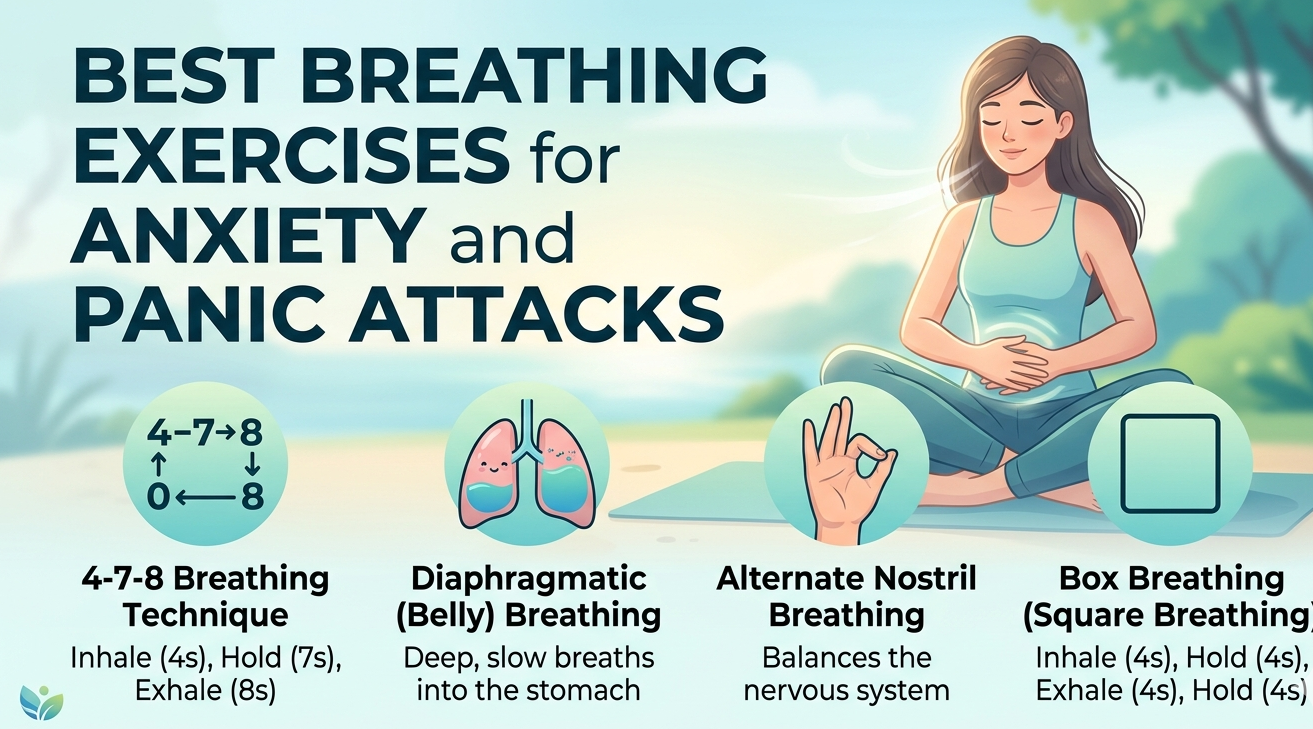


Understanding Anxiety and Panic Attacks
Anxiety and panic attacks are mental health conditions that affect many individuals, leading to distressing symptoms that can disrupt daily life. Anxiety refers to a persistent state of worry or fear that often impacts one’s ability to function effectively. It may be triggered by various factors, including stress from work, personal relationships, or health issues. On the other hand, a panic attack is characterized by sudden and intense episodes of overwhelming fear or discomfort, accompanied by physical symptoms that may mimic those of a heart attack.
Common symptoms of anxiety include excessive worrying, restlessness, difficulty concentrating, irritability, and sleep disturbances. In contrast, panic attacks can manifest through rapid heartbeat, shortness of breath, dizziness, and feelings of impending doom. The experience can be so intense that individuals may fear the onset of another attack, leading them to avoid situations where they previously experienced these feelings.
Understanding the causes of anxiety and panic attacks is essential for developing effective coping strategies. These conditions can stem from a combination of genetic, environmental, and psychological factors. Stressful life events, such as trauma or significant changes in one’s environment, can act as triggers. Additionally, individuals with a family history of anxiety disorders may be more susceptible to experiencing these conditions.
Finding effective coping mechanisms is crucial for managing anxiety and panic attacks. Techniques such as mindfulness, cognitive-behavioral therapy, and, importantly, breathing exercises can significantly alleviate symptoms. Breathing exercises, in particular, enable individuals to regain control during moments of distress by promoting relaxation and grounding them in the present moment.
The Role of Breathing in Managing Anxiety
Breathing plays a critical role in managing anxiety and panic attacks, functioning as both a physiological response and a psychological mechanism. When an individual experiences anxiety, the body often defaults to rapid, shallow breathing, a pattern that can exacerbate feelings of panic. This is part of the body’s natural response to stress, known as the fight or flight response, which prepares an individual to confront or flee from a perceived threat. However, when this response is triggered without a genuine threat, it can lead to heightened anxiety levels.
Proper breathing techniques can effectively regulate the body’s stress response, promoting a sense of calm and grounding during moments of high anxiety. By consciously shifting to deeper, slower breathing patterns, individuals can activate the parasympathetic nervous system, which counteracts the fight or flight response. This activation can help lower heart rate and blood pressure, facilitating a state of relaxation and emotional stability.
Studies have shown that when individuals practice controlled breathing exercises, they are better able to manage their emotional responses during anxiety-inducing situations. Techniques such as diaphragmatic breathing, box breathing, and the 4-7-8 method all emphasize the importance of slow, purposeful breaths. By focusing on the rhythm of their breathing, individuals can divert attention from anxiety-provoking thoughts and redirect mental focus to the present moment.
Incorporating breath control into a daily routine not only enhances emotional regulation but also contributes to overall well-being. Individuals who regularly practice breathing exercises often report reduced levels of anxiety and an increased ability to cope with stress. This highlights the profound impact that effective breathing can have on both the physiological and psychological aspects of anxiety management.
Overview of Breathing Exercises
Breathing exercises are structured techniques designed to enhance breath control and promote relaxation, particularly beneficial for individuals experiencing anxiety or panic attacks. These exercises focus on the fundamental principle of conscious breathing, which empowers individuals to regain control over their emotional and physiological responses during episodes of distress.
The practice of breathing exercises has been scientifically validated to reduce anxiety and improve overall mental well-being. When anxiety strikes, the body’s natural response often leads to quicker, shallow breaths, which can exacerbate feelings of panic. Breathing exercises serve to counteract this response by encouraging slower and deeper breathing patterns, effectively calming the nervous system.
By incorporating breathing techniques such as diaphragmatic breathing, box breathing, or 4-7-8 breathing into a daily routine, practitioners can harness the benefits over time. Each of these techniques helps cultivate a state of mindfulness and relaxation, allowing individuals to detach from the stressors that trigger their anxiety. For instance, diaphragmatic breathing focuses on engaging the diaphragm, inviting larger volumes of air into the lungs and facilitating emotional regulation.
Moreover, regular practice of these exercises can lead to a decrease in overall anxiety levels, increased self-awareness, and a greater capacity to respond to stressful situations with poise. As individuals become more familiar with these practices, they are better equipped to manage their anxiety in everyday life, effectively transforming their coping strategies.
As one integrates breathing exercises into their routine, it is essential to approach them with patience and consistency. Expecting immediate results may lead to frustration; however, with diligent practice, individuals can cultivate a profound sense of clarity and calm.
Deep Breathing Exercise
Deep breathing is an effective technique designed to promote relaxation and alleviate anxiety. This method involves consciously controlling your breath, which can help calm the nervous system and shift your focus away from stressors. To practice deep breathing, follow these steps:
1. **Find a Comfortable Position**: Begin by sitting or lying down in a quiet space where you feel at ease. Ensure your shoulders are relaxed and your spine is straight. Close your eyes if you feel comfortable doing so.
2. **Inhale Deeply**: Through your nose, take a deep breath in, allowing your abdomen to expand fully. Aim for a count of four or five seconds while inhaling, imagining your lungs filling completely with air.
3. **Hold Your Breath**: After inhaling, pause for a moment. Holding your breath for a count of two or three seconds can enhance the effectiveness of the deep breathing exercise.
4. **Exhale Slowly**: Gently exhale through your mouth for a count of six or seven seconds. Focus on expelling all the air from your lungs, which helps create more space for the next inhalation.
5. **Repeat the Process**: Continue this cycle of inhaling, holding, and exhaling for five to ten minutes. As you practice, try to maintain a steady rhythm and allow your mind to focus solely on your breath.
The benefits of deep breathing for anxiety relief are substantial. Engaging in this exercise can significantly reduce feelings of tension and panic, as it induces a state of relaxation. Moreover, regular practice may improve overall mental well-being by fostering mindfulness and emotional regulation. Individuals who incorporate deep breathing into their routines often find it easier to manage their anxiety symptoms, leading to a more tranquil state of mind.
4-7-8 Breathing Technique
The 4-7-8 breathing technique, developed by Dr. Andrew Weil, is a simple yet effective method for promoting relaxation and alleviating anxiety. This technique involves a specific breathing pattern designed to calm the mind and body, making it particularly useful for managing anxiety and panic attacks. The exercise is straightforward and can be performed anywhere, making it accessible for those in need of immediate relief.
To perform the 4-7-8 breathing technique, follow these steps: 1. Find a comfortable seated position or lie down in a quiet space. 2. Close your eyes and take a deep breath in through your nose, allowing your abdomen to expand fully, for a count of four seconds. 3. Hold your breath for a count of seven seconds, ensuring your body remains relaxed.4. Exhale slowly through your mouth for a count of eight seconds, making a whooshing sound as you expel the air.5. This completes one cycle of the 4-7-8 breathing exercise. Repeat this cycle four times, or as necessary, especially during moments of heightened anxiety.
Variations of the 4-7-8 technique can be conducted based on individual comfort levels. For instance, some individuals may prefer to extend the duration of each phase, adapting the method to a 5-8-10 ratio. However, it is essential to maintain a consistent rhythm to experience the calming effects fully. As with any technique aimed at reducing anxiety, regular practice is necessary to reap long-term benefits.
This breathing exercise works by activating the parasympathetic nervous system, which helps to promote a sense of calm and clarity. Engaging in the 4-7-8 breathing technique routinely can significantly contribute to reducing anxiety levels and improving overall mental well-being.
Box Breathing Technique
Box breathing, also known as square breathing, is a simple yet effective technique that individuals can employ to manage anxiety and panic attacks. This method is particularly useful in high-stress situations where quick emotional and mental stabilization is necessary. Box breathing involves four distinct steps that correspond to the four sides of a box, allowing practitioners to regain a sense of control and calmness.
To perform box breathing, start by finding a comfortable position, either sitting or lying down. Inhale deeply through your nose for a count of four, filling your lungs completely with air. Hold your breath for another count of four, enabling your body to absorb the oxygen and momentarily pause any anxious thoughts. Next, exhale slowly through your mouth, counting to four as you release the air. Finally, hold your breath again for an additional count of four before beginning the cycle anew. Engaging in this breathing pattern for several minutes can significantly reduce anxiety levels.
The rationale for implementing the box breathing technique lies in its ability to disrupt the body’s stress response. During periods of anxiety or panic, individuals often experience rapid, shallow breathing, which can exacerbate feelings of panic. Box breathing counteracts this by promoting deep, rhythmic breaths, leading to a decrease in heart rate and an increase in oxygenation. This method not only facilitates relaxation but also encourages mindfulness, allowing individuals to focus on their breathing rather than their anxious thoughts.
Furthermore, box breathing can be practiced anywhere and at any time, making it a versatile tool for managing anxiety. Regular practice can lead to long-term benefits, including improved emotional regulation and enhanced coping mechanisms during stressful situations. By incorporating box breathing into daily routines, individuals can effectively equip themselves to handle anxiety and regain control over their responses to panic attacks.
Diaphragmatic Breathing
Diaphragmatic breathing, also known as abdominal or deep breathing, is a technique that focuses on engaging the diaphragm fully while inhaling and exhaling. This method encourages individuals to breathe deeply, which can counteract the shallow breathing often experienced during anxiety and panic attacks. To practice diaphragmatic breathing, begin by finding a comfortable position, either sitting or lying down. Place one hand on your chest and the other on your abdomen. As you breathe in through your nose, focus on expanding your abdomen rather than your chest. Aim to fill your lungs with air evenly. Hold your breath for a moment before exhaling slowly through pursed lips. Repeat this process several times, focusing on the rise and fall of your abdomen.
The advantages of diaphragmatic breathing extend far beyond immediate calmness. Research suggests that this technique can significantly reduce anxiety levels due to its impact on the body’s stress response. By activating the parasympathetic nervous system, diaphragmatic breathing helps lower heart rates and blood pressure, promoting a relaxing physiological state. As a result, individuals may experience less frequent panic attacks and a greater sense of control over their anxiety. Furthermore, regular practice can enhance overall well-being, leading to improved mood and better sleep quality.
Incorporating diaphragmatic breathing into daily routines can be an effective strategy for managing anxiety. Whether used during moments of acute distress or as part of a mindful morning ritual, this breathing exercise equips individuals with a tool to enhance their emotional resilience. Over time, individuals may find that this technique not only helps in anxiety management but contributes positively to their overall mental health, enabling them to navigate everyday stressors more effectively.
Enhancing Breathing Exercises through Holistic Techniques
Breathing exercises serve as effective strategies for managing anxiety and panic attacks, but their efficacy can be significantly enhanced when integrated with other relaxation methods such as mindfulness, meditation, and yoga. Each of these techniques not only complements breathing exercises but also contributes to a more comprehensive approach to anxiety management.
Mindfulness, in particular, allows individuals to focus their attention on the present moment, thereby reducing overwhelming thoughts that often accompany anxiety. By incorporating mindfulness into breathing exercises, individuals can cultivate a deeper awareness of their breath and body sensations. For instance, during a breathing session, practitioners can concentrate on the sensations experienced during inhalation and exhalation, leading to a more profound sense of calm and relaxation.
Meditation further enhances the benefits of breathing exercises by promoting a state of mental stillness and emotional clarity. Combining deep breathing with meditation techniques—such as visualization or mantra repetition—can amplify the calming effects. One practical method is to practice breathing exercises while visualizing a peaceful scene or silently repeating a calming phrase. This synergy between breath and meditation not only aids in relaxation but also encourages resilience against anxiety triggers.
Similarly, yoga fosters a harmonious connection between breath and movement, which can be particularly beneficial for those dealing with anxiety. Practicing specific yoga postures combined with controlled breathing can help release physical tension stored in the body and further facilitate emotional balance. Poses like Child’s Pose or Forward Bend can be especially conducive to deep breathing, enhancing the overall experience.
Lastly, the integration of these techniques can aid in developing a personal relaxation routine. Individuals may find it beneficial to create a structured practice that includes breathing exercises, mindfulness, meditation, or yoga sessions, thereby empowering them to manage anxiety holistically and effectively.
When to Seek Professional Help
Recognizing when anxiety and panic attacks escalate beyond personal management is crucial for mental health. It is essential to understand that seeking professional assistance can provide significant benefits and facilitate a more effective coping strategy. If anxiety becomes overwhelming, often hindering daily activities, or if panic attacks occur frequently, it may signal the need for intervention.
Professional help typically comes from licensed therapists, psychologists, or psychiatrists who specialize in anxiety disorders and related conditions. They utilize various therapeutic approaches ranging from cognitive-behavioral therapy (CBT) to mindfulness practices, all aimed at equipping individuals with tools to manage their symptoms. Engaging with a mental health professional allows for a tailored approach and opens up a dialogue about effective strategies that resonate with the individual’s unique experiences.
When seeking help, an individual can expect an initial assessment to discuss their specific anxiety symptoms, triggers, and any existing coping mechanisms. This initial evaluation is key to developing a comprehensive treatment plan. Therapists often focus on providing a safe, non-judgmental environment where clients can express their feelings and concerns freely. Various resources, including support groups and hotline services, are also available for those needing immediate assistance or additional support structures.
Individuals considering professional help should also explore community resources, which may include local mental health organizations and online forums that offer guidance and support. Through these avenues, those struggling with anxiety can connect with others and identify helpful coping strategies beyond personal experiences.