
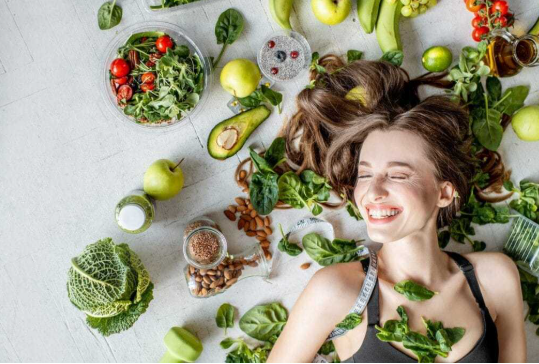


The Role of Nutrition in Hair Growth
Proper nutrition plays a crucial role in maintaining healthy hair and supporting robust hair growth. The biological processes involved in hair growth require a variety of nutrients, including vitamins, minerals, proteins, and fatty acids. Each of these components contributes to the health of both the hair follicles and the scalp, thereby facilitating optimal hair development.
One of the most important nutrients for hair health is protein. Hair is primarily made up of a protein called keratin, and consuming adequate protein is vital for the production of new hair strands. Sources of lean protein such as chicken, eggs, fish, nuts, and legumes can help ensure that the body has the necessary building blocks for maintaining strength and promoting hair growth.
Vitamins also play an essential role in the nourishment of hair. Vitamins A, C, D, and E are particularly important. For instance, Vitamin A assists in the production of sebum, which keeps the scalp moisturized, while Vitamin C is crucial for collagen synthesis, a protein that helps in maintaining hair structure. Additionally, Vitamin D is believed to create new follicles and can help in stimulating hair growth, while Vitamin E promotes blood circulation, ensuring that the hair follicles receive adequate oxygen and nutrients.
Minerals such as zinc and iron are equally important in this biological process. Zinc aids in tissue growth and repair, while iron is vital for providing oxygen to hair follicles, thus promoting healthier hair. Deficiencies in these minerals can lead to hair thinning or even loss.
In summary, a balanced diet rich in essential nutrients is fundamental for supporting hair growth and maintaining scalp health. These nutrients collaborate to promote healthy biological processes that are integral to achieving and retaining healthy hair. Understanding the significance of nutrition can help individuals make informed dietary choices that positively influence their hair health.
Key Nutrients for Hair Health
Healthy hair growth is largely determined by the nutrients consumed in one’s diet. A balanced intake of essential nutrients plays a pivotal role in maintaining the structure and vitality of hair. Among these nutrients, proteins, vitamins, and minerals stand out as critical components for promoting hair health.
Firstly, proteins are fundamental for hair structure, as hair strands are primarily composed of a protein called keratin. Adequate protein intake can aid in hair strength and resilience, reducing breakage and promoting growth. Foods rich in protein such as eggs, fish, dairy products, legumes, and nuts should be incorporated into the diet to support hair follicles and overall scalp health.
Vitamins also contribute significantly to hair vitality. Vitamin A, for instance, is crucial for the production of sebum, which moisturizes the scalp and promotes healthy hair. Sources of vitamin A include leafy greens, orange and yellow vegetables, and dairy products. Additionally, B vitamins, particularly biotin, play an essential role in the metabolic processes that support hair growth. Foods like whole grains, almonds, and bananas are excellent sources of B vitamins.
Furthermore, vitamin E is known for its antioxidant properties, which help combat oxidative stress that can damage hair follicles. Incorporating nuts, seeds, and green leafy vegetables rich in vitamin E into one’s diet can enhance scalp circulation and promote healthier hair. Vitamin C, another vital nutrient, aids in collagen production, which is essential for maintaining hair structure. Citrus fruits, strawberries, and bell peppers are abundant in vitamin C.
Minerals such as zinc and iron are equally important for healthy hair growth. Zinc supports the hair growth cycle, while iron is crucial for delivering oxygen to hair follicles, preventing hair loss. Sources of zinc include oysters, meat, and pumpkin seeds, while iron can be found in red meat, lentils, and spinach. By ensuring adequate intake of these nutrients, one can nurture their hair and enhance its growth potential.
Top Foods for Hair Growth
When it comes to promoting healthy hair growth, the role of nutrition cannot be overstated. Certain foods are particularly beneficial due to their rich composition of essential nutrients that play a crucial part in maintaining hair vitality and strength. This section will elaborate on some of the top foods that can significantly support hair health.
One of the most remarkable foods for hair growth is eggs. They are a fantastic source of protein and biotin, two critical components that aid in the formation and maintenance of hair. Protein strengthens hair while biotin is known for its ability to improve hair thickness. Incorporating eggs into your diet can provide a solid foundation for achieving beautiful, resilient hair.
Nuts and seeds are also indispensable when it comes to nourishing hair. They are packed with healthy fats, vitamins, and minerals. For instance, walnuts are rich in omega-3 fatty acids which promote scalp health and enhance hair shine. Similarly, flaxseeds are an excellent source of lignans and omega-3s, supporting hydration and reducing hair dryness.
Fish, such as salmon and mackerel, are not only delicious but also loaded with essential nutrients. These fish are high in protein and omega-3 fatty acids, which are vital for scalp health and hair strength. Omega-3s help to promote circulation to the scalp, which can invigorate hair follicles and stimulate growth.
Leafy greens such as spinach and kale should not be overlooked in the quest for healthy hair. They are rich in iron, vitamins A and C, and folate. Iron is crucial for delivering oxygen to hair follicles, while vitamins A and C help in the production of sebum, the natural oil that keeps hair moisturized. Including these greens in your meals can bolster the nutrient intake necessary for robust hair growth.
In conclusion, a balanced diet rich in eggs, nuts, seeds, fish, and leafy greens can greatly enhance hair health. By focusing on these nutrient-dense foods, one can pave the way for improved hair growth and overall scalp wellbeing.
The Importance of Hydration for Scalp Health
Maintaining adequate hydration is crucial for optimal scalp health and hair growth. Water plays a significant role in various cellular functions and is integral for delivering essential nutrients to hair follicles. A well-hydrated scalp creates an ideal environment for hair to flourish, as dehydration can lead to dryness, flakiness, and irritation.
The scalp, like any other part of the body, depends on water to facilitate various biological processes. When hydration levels drop, it can result in a compromised scalp barrier. This condition may lead to dandruff and other scalp-related issues that ultimately impact hair health. Furthermore, insufficient hydration can contribute to hair loss, as dehydrated hair follicles may become weak and more prone to damage.
In addition to drinking sufficient amounts of water, incorporating water-rich foods into your diet can also help maintain hydration levels. Foods such as cucumbers, watermelon, and oranges not only provide hydration but also supply essential vitamins and minerals that further support scalp health. These nutrients play a role in maintaining the elasticity and strength of hair strands, ensuring that they remain vibrant and full of life.
Moreover, staying hydrated can improve blood circulation throughout the scalp. Enhanced circulation allows for better nutrient absorption at the follicular level and can stimulate hair growth. Therefore, it is not merely the act of drinking water that contributes to healthy hair; the impact of overall hydration on cellular health is profound.
To summarize, maintaining proper hydration levels is indispensable for fostering a healthy scalp and promoting hair growth. By ensuring that both your body and scalp receive adequate moisture, you can greatly enhance the overall appearance and health of your hair.
Herbs and Supplements for Enhanced Hair Growth
When it comes to promoting healthy hair growth and maintaining scalp health, certain herbs and dietary supplements have garnered significant attention. These natural options not only support the hair follicle’s development but can also contribute to overall hair quality.
One of the most well-known supplements for hair growth is biotin, also recognized as vitamin B7. It plays a crucial role in the formation of keratin, a key protein that constitutes hair, skin, and nails. Supplementing with biotin may help in strengthening hair and preventing brittleness, which can lead to hair loss.
Horsetail is another herb that has gained popularity due to its high silica content. Silica is believed to strengthen the hair structure and promote healthy growth. Additionally, horsetail is rich in antioxidants, which can help combat damage from free radicals that affect hair strength and vitality. Consuming horsetail tea or taking it in capsule form can be an effective way to integrate this herb into your routine.
Moreover, fenugreek seeds are often recommended as a natural remedy for hair issues. These seeds are packed with proteins and nicotinic acid, which are essential for hair growth. Fenugreek can stimulate hair follicles and strengthen hair strands, potentially reducing hair fall. Using fenugreek oil or incorporating the seeds into your diet can provide beneficial results over time.
Each of these options can contribute to enhanced hair growth when used consistently. However, it is crucial to approach the use of herbs and supplements mindfully. Consulting with a healthcare provider can help ensure that any new addition to your diet aligns well with your individual health needs. Following a balanced diet that includes these herbs may provide the necessary nutrients to support not only hair growth but overall health as well.
How Diet Impacts Scalp Conditions
The health of the scalp plays a crucial role in the overall condition of hair. Various scalp conditions, such as dandruff and psoriasis, can significantly affect hair growth and health. An individual’s diet can have profound effects on these conditions, influencing both inflammation levels and moisture retention.
Dandruff is often associated with a dry, flaky scalp. A diet low in essential fatty acids can exacerbate this condition, leading to a compromised scalp barrier. Foods rich in omega-3 fatty acids, such as salmon, walnuts, and flaxseeds, can enhance scalp hydration and reduce flakiness. Additionally, incorporating avocados or olive oil into meals can provide healthy fats, offering further nourishment to the scalp.
On the other hand, psoriasis is a more severe condition marked by red, scaly patches on the scalp. Recent studies suggest that an anti-inflammatory diet may help manage symptoms associated with psoriasis. Foods that are high in antioxidants, like berries, leafy greens, and nuts, can assist in reducing inflammation. Furthermore, gut health is increasingly recognized as a contributing factor to scalp conditions; therefore, including probiotic-rich foods, such as yogurt and fermented vegetables, can support a healthier scalp environment.
It is also vital to avoid certain foods that can trigger or worsen scalp conditions. Refined sugars and processed foods can lead to inflammation and exacerbate symptoms of both dandruff and psoriasis. By reducing these foods and opting for a balanced diet rich in vitamins and minerals, individuals may help alleviate scalp issues.
In conclusion, maintaining a well-rounded diet not only supports overall health but is a pivotal element in managing scalp conditions like dandruff and psoriasis. By focusing on nutrient-dense foods and reducing triggers, individuals can promote a healthier scalp and, consequently, healthier hair growth.
Meal Ideas for Healthy Hair
To promote healthy hair growth and enhance scalp health, incorporating nutrient-rich foods into your diet is essential. Below are some practical meal ideas and recipes that can help you include these key nutrients in a delicious and enjoyable way.
Start your day with a hearty breakfast smoothie. Combine spinach, banana, Greek yogurt, and a tablespoon of chia seeds. Spinach is packed with iron and vitamins A and C, which are vital for maintaining a healthy scalp. Bananas provide potassium which helps in maintaining hair’s natural elasticity.
For lunch, consider a quinoa salad loaded with vegetables such as bell peppers, carrots, and avocados. Quinoa is a complete protein and contains essential amino acids that contribute to hair building. Additionally, avocados are rich in healthy fats and vitamin E, both of which are beneficial for improving hair texture and promoting a healthy scalp.
As a mid-day snack, nuts such as almonds or walnuts serve as excellent choices. These nuts are high in omega-3 fatty acids, zinc, and vitamin E, all of which play critical roles in hair health. Pairing these nuts with a piece of fruit, such as an apple or a pear, can create a balanced snack that satisfies and nourishes.
Dinner could feature grilled salmon, which is not only a rich source of omega-3 fatty acids but also provides vitamin D and protein. Accompany this with steamed broccoli and sweet potatoes. Broccoli offers vitamins A and C, while sweet potatoes are rich in beta carotene, further promoting healthy hair follicles.
Incorporate healthy snacks like hummus made from chickpeas, served with fresh vegetable sticks. Chickpeas are another great source of protein and various minerals essential for hair strength and vitality.
By following these meal ideas, you can create a delicious yet nutritious diet that supports hair growth and scalp health, ensuring that your locks receive the nourishment they need.
Lifestyle Factors Affecting Hair Growth
While diet plays a critical role in promoting healthy hair growth and maintaining the scalp’s integrity, it is essential to recognize that several lifestyle factors also significantly impact hair health. Among these, sleep, stress management, and appropriate hair care practices are vital components that contribute to overall hair vitality.
Firstly, adequate sleep is fundamental to the body’s regenerative processes, including hair growth. During sleep, the body repairs tissues and produces hormones that facilitate growth, including those related to hair follicles. Insufficient sleep can lead to hormonal imbalances that may hinder hair growth and worsen conditions such as hair thinning. Therefore, prioritizing a consistent sleep schedule and ensuring quality rest can cultivate an environment conducive to healthy hair.
Moreover, stress management is equally crucial. Chronic stress can lead to hair loss through a condition known as telogen effluvium, where hair prematurely enters the shedding phase. Engaging in stress-reducing activities such as yoga, meditation, or even regular physical exercise can help mitigate these effects. By implementing effective coping strategies, individuals can not only improve their mental well-being but also support their hair growth processes.
In addition to sleep and stress, proper hair care practices significantly influence the health of one’s hair and scalp. This includes regularly cleansing the scalp to remove dirt and excess oils, as well as choosing hair products that are free from harsh chemicals. A balanced hair care routine should also involve adequate moisturization and protection from excess heat or environmental damage. By nurturing the hair with gentle care, one can enhance its quality and resilience, further promoting healthy growth.
In conclusion, successful hair growth and scalp health extend beyond nutrition; they are also deeply intertwined with lifestyle choices. Prioritizing sleep, managing stress levels, and adopting proper hair care techniques collectively contribute to achieving and maintaining healthy locks.
Conclusion: Embracing a Hair-Healthy Lifestyle
In conclusion, achieving optimal hair growth and maintaining healthy scalp conditions significantly depend on the foods we consume. A balanced diet, rich in essential nutrients, serves as the foundation for nurturing our hair from within. Incorporating vitamins, minerals, and antioxidants can enhance hair resilience, growth, and overall appearance. Nutritional elements such as omega-3 fatty acids, biotin, zinc, and vitamins A, C, D, and E are vital for stimulating the hair follicles and promoting a barrier against environmental damage.
A diet focused on whole foods, including leafy greens, nuts, seeds, lean proteins, and fish, not only supports hair health but also encourages general well-being. Hydration plays a crucial role; drinking sufficient water keeps the scalp hydrated and nourished, ensuring hair follicles receive the moisture necessary for healthy growth. Furthermore, reducing processed foods and sugars can minimize inflammation, which often hampers hair development.
Implementing these dietary changes is a pivotal step towards a sustainable, hair-healthy lifestyle. For those seeking long-lasting results, it’s essential to commit to these habits consistently. Not only do they foster the health of your locks, but they ultimately enhance your overall health. Transitioning to a hair-friendly diet can be a rewarding journey, allowing individuals to witness significant improvements in their hair’s strength and shine.
By prioritizing nutrition and making informed dietary choices, individuals can embrace a well-rounded approach to hair care, establishing a solid foundation for vibrant and resilient hair. The journey towards healthy hair is intertwined with our food choices, reinforcing the adage that we truly are what we eat. Thus, adopting a hair-healthy lifestyle could make all the difference in achieving the lustrous, thriving hair we aspire to have.