
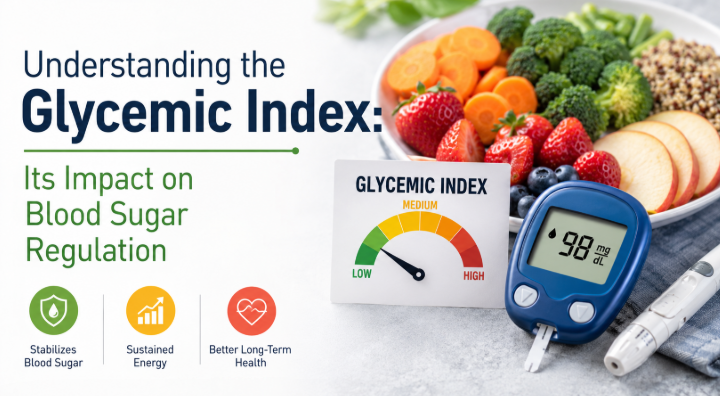

 is a crucial tool for understanding how carbohydrate-containing foods affect blood sugar levels.)
Introduction to Glycemic Index
The glycemic index (GI) is a numerical system that classifies carbohydrate-containing foods based on their effect on blood sugar levels. Developed in the 1980s, the glycemic index aims to provide a better understanding of how different foods influence glucose levels in the bloodstream over a period of time. Foods with a high GI cause rapid spikes in blood sugar, while those with a low GI lead to a more gradual increase, making this classification crucial for effective blood sugar regulation.
The importance of the glycemic index in nutrition extends to various aspects of health, especially for individuals managing conditions such as diabetes. By selecting foods with a lower GI, individuals can stabilize their blood sugar levels, which is vital for minimizing the risk of associated health complications. Additionally, understanding the glycemic index can assist in weight management, as foods that produce a slower rise in blood sugar are often more satiating, helping to curb hunger and reduce overall caloric intake.
The classification of foods on the GI scale typically ranges from 0 to 100, where pure glucose is assigned the highest value of 100. Foods are categorized into three primary groups: low GI (55 or less), medium GI (56 to 69), and high GI (70 or above). The GI measurement is determined through scientific testing, where subjects consume a specific food, and their blood glucose response is monitored over time. This method allows researchers to compare the impact of various foods on blood sugar levels, offering a reliable reference for those looking to make informed dietary choices.
How Glycemic Index Affects Blood Sugar Levels
The glycemic index (GI) is a valuable tool for understanding how various foods impact blood sugar levels. It is a numerical scale ranging from 0 to 100 that measures the rate at which carbohydrates in foods raise blood glucose levels after consumption. Foods with a low GI value (55 or less) are digested and absorbed more slowly, leading to a gradual increase in blood sugar. In contrast, high GI foods (70 or more) cause a rapid spike in blood glucose levels, which can lead to insulin surges and subsequent drops in energy.
When individuals consume a high GI food, they often experience swift increases in blood sugar followed by a rapid decline, potentially leaving them feeling fatigued and hungry shortly afterward. These fluctuations can be particularly concerning for individuals with diabetes or insulin resistance, as maintaining stable blood sugar levels is crucial for overall health. Conversely, low GI foods contribute to steadier energy levels and prolonged satiety, making them an ideal choice for those looking to manage their weight or enhance their metabolic health.
A variety of factors influence the glycemic index of a food, including its carbohydrate composition, ripeness, cooking method, and even what is eaten alongside it. For example, combining high GI foods with proteins or healthy fats can mitigate their effects on blood sugar levels. Additionally, whole foods, such as fruits, vegetables, and whole grains, typically possess lower GI values than processed foods. Understanding the glycemic index can empower individuals to make more informed dietary choices, ultimately aiding in blood sugar regulation and reducing the risk of negative health outcomes.
Categories of Glycemic Index
The Glycemic Index (GI) categorizes foods based on how quickly they raise blood sugar levels after consumption. These categories include low, medium, and high GI foods, each playing a unique role in blood sugar regulation.
Low GI foods, which have a GI value of 55 or less, are digested and absorbed slowly, resulting in a gradual increase in blood sugar. Examples of low GI foods include whole grains such as barley and oats, legumes like lentils and chickpeas, non-starchy vegetables, and most fruits, particularly berries and citrus fruits. Incorporating these foods into one’s diet is beneficial for maintaining stable blood sugar levels.
In contrast, medium GI foods, with a GI value ranging from 56 to 69, lead to a more moderate increase in blood sugar levels. This category includes foods like whole grain bread, brown rice, and certain sweet fruits like bananas. While medium GI foods can be part of a balanced diet, they should be consumed with an awareness of their potential impact on blood sugar, especially in individuals managing diabetes.
Lastly, high GI foods possess a GI value of 70 or higher, causing rapid spikes in blood sugar levels. Common examples include white bread, sugary drinks, and processed snacks. While these foods might offer quick energy, their consumption is recommended in moderation, as frequent intake can lead to insulin resistance and other health issues. Understanding these categories of the Glycemic Index can help individuals make informed dietary choices that support optimal blood sugar regulation.
The Role of Glycemic Load
Glycemic Load (GL) is an important concept that expands upon the idea of the Glycemic Index (GI) by taking into account not only the quality of carbohydrates in foods but also the quantity consumed. While the Glycemic Index measures how quickly a carbohydrate containing food raises blood glucose levels compared to a reference food, GL provides a more comprehensive view by incorporating the serving size of that food. This makes Glycemic Load a more practical measurement for individuals focused on blood sugar regulation.
To calculate Glycemic Load, one multiplies the Glycemic Index of a food by the amount of carbohydrates in a single serving and then divides by 100. This calculation results in a numerical value that represents the actual impact on blood glucose after consumption. For example, a food with a high Glycemic Index may have a lower Glycemic Load if consumed in a small serving size, thereby having a minimal effect on blood sugar levels.
One of the key benefits of assessing Glycemic Load rather than solely Glycemic Index is its practical application in daily meal planning. High-GI foods can often be balanced by combining them with low-GI foods or controlling the portion size, which is particularly useful for individuals managing diabetes or those who simply want to maintain stable energy levels throughout the day. By focusing on Glycemic Load, people can make more informed dietary choices that consider both the type and amount of carbohydrate they are consuming.
In essence, while the Glycemic Index provides invaluable information regarding the quality of specific carbohydrates, Glycemic Load presents a nuanced approach by looking at how the combination of food types and serving sizes contribute to overall blood sugar control.
The Importance of Fiber and Nutrients
Dietary fiber and essential nutrients play a pivotal role in determining the glycemic index (GI) of foods, ultimately influencing blood sugar regulation. High-fiber foods typically exhibit a lower GI, thereby facilitating a more gradual rise in blood glucose levels after consumption. This gradual release can be attributed to the slower digestion and absorption of carbohydrates that fiber induces. Foods rich in fiber such as whole grains, legumes, fruits, and vegetables not only improve satiety but are also beneficial for overall metabolic health.
Conversely, processed foods often lack significant fiber and nutrient density, resulting in a higher GI rating. For instance, white bread and sugary cereals are stripped of their natural fiber content, leading to rapid spikes in blood sugar. Consuming such high-GI foods can lead to insulin resistance over time, making blood sugar management increasingly difficult. The nutritional composition of these processed options typically includes refined sugars and unhealthy fats, further exacerbating their impact on blood sugar levels.
A diet that emphasizes whole foods—those in their natural state—provides not only fiber but a wide array of vitamins, minerals, and phytonutrients that support health and wellness. Whole foods tend to promote more stable blood sugar levels and overall better health outcomes compared to their processed counterparts. By integrating more fiber-rich and nutrient-dense foods into one’s diet, individuals can significantly enhance their ability to regulate insulin and manage weight effectively.
Glycemic Index and Diabetes Management
The glycemic index (GI) is a valuable tool in the management of diabetes, providing essential insights into how carbohydrate-containing foods affect blood sugar levels. Foods with a high glycemic index can cause rapid spikes in blood glucose, which can be detrimental for individuals with diabetes. Conversely, low-GI foods result in a slower, more gradual increase in blood sugar, making them preferable choices for diabetes management.
Incorporating knowledge of the glycemic index into meal planning can substantially improve blood sugar control. One effective strategy is to prioritize the consumption of low-GI foods such as whole grains, legumes, fruits, and non-starchy vegetables, while limiting high-GI foods, including white bread and sugary snacks. This approach not only stabilizes blood glucose levels but also promotes overall health and well-being.
Another important consideration is the combination of foods in a meal. Pairing high-GI foods with low-GI foods can moderate the overall glycemic response. For instance, adding protein and healthy fats to a meal can slow digestion, thus preventing rapid spikes in blood sugar. This method also enhances satiety, aiding in weight management—a crucial aspect for many individuals living with diabetes.
It is essential for those managing diabetes to be aware of individual responses to different foods, as these can vary. Regular monitoring of blood sugar levels following the consumption of certain meals can help individuals understand how specific foods affect their glycemic response. This knowledge enables more informed dietary choices tailored to meet personal health needs.
By integrating glycemic index principles into daily meal planning and incorporating flexible strategies, individuals managing diabetes can effectively regulate their blood sugar levels, thereby improving their overall quality of life.
Implications for Weight Management
The glycemic index (GI) serves as a crucial tool for understanding how different foods impact blood sugar levels and, consequently, weight management. Foods with a low glycemic index lead to a gradual increase in blood sugar, resulting in a sustained energy release that helps curb hunger and reduce overall calorie intake. This attribute makes low-GI diets particularly beneficial for individuals seeking to lose weight or maintain a healthy body weight.
By prioritizing low-GI foods, such as whole grains, legumes, and non-starchy vegetables, individuals can enhance their weight management strategies. These foods are not only lower in calories but also often higher in fiber, which promotes a feeling of fullness. This feeling can deter frequent snacking and help regulate appetite, thereby fostering a more controlled caloric intake. Additionally, a low-GI diet has been associated with improved metabolic health, including better insulin sensitivity, which plays a vital role in weight management.
Research supports the efficacy of low-GI diets in promoting weight loss and improving body composition. Studies have found that individuals adhering to a low-GI eating pattern often experience more significant weight loss compared to those consuming high-GI diets, which can lead to rapid spikes in blood sugar followed by crashes that trigger hunger. Furthermore, low-GI diets may also lead to better adherence, as the sustained energy levels contribute to improved mood and reduced cravings.
Additionally, the low-glycemic index approach encourages mindful eating, as it often emphasizes whole and minimally processed foods. This practice not only enhances nutritional intake but also fosters a healthier relationship with food, which is fundamental to long-term weight management success. Therefore, incorporating low-GI foods can be an effective strategy for individuals aiming for weight loss, improved health, and sustainable dietary habits.
Practical Tips for Managing Glycemic Index in Diets
Managing the glycemic index (GI) in one’s diet is a crucial aspect of blood sugar regulation and overall health. To effectively control the GI of meals, individuals can consider implementing various strategies that minimize blood sugar spikes while enhancing nutrient intake.
One of the first steps in managing glycemic index is through meal planning. By preparing homemade meals and snacks, individuals can better monitor the ingredients used and their respective GI values. Focusing on low to moderate GI foods such as whole grains, legumes, nuts, and non-starchy vegetables can be beneficial. Incorporating high-fiber foods aids in slowing digestion, which contributes to stable blood sugar levels.
Another effective method is to read food labels diligently. Understanding how to interpret the glycemic index of packaged foods is essential to making informed dietary choices. Manufacturers typically list carbohydrate content, and selecting products with lower carbohydrate levels can help maintain lower GI values. Additionally, individuals should pay attention to serving sizes, as even foods with a low GI can raise blood sugar levels when consumed in excess.
Choosing suitable snacks is also important for managing blood sugar. Opting for snacks that combine healthy fats, protein, and fiber can help mitigate rapid spikes in blood sugar. For instance, a handful of almonds paired with an apple or vegetable sticks with hummus can provide balanced nutrition without causing significant GI elevation.
Lastly, hydration plays a key role in overall dietary management. Drinking plenty of water throughout the day aids in digestion and helps maintain stable blood sugar levels. By integrating these practical tips into everyday routines, individuals can effectively manage their glycemic index while enjoying a varied and nutritious diet.
Conclusion: Embracing the Glycemic Index for Better Health
Understanding the glycemic index (GI) and its role in blood sugar regulation is essential for individuals striving to maintain a balanced diet and healthy lifestyle. The GI is a valuable tool that categorizes carbohydrate-containing foods based on how they affect blood glucose levels. Foods with a low GI are digested slowly, leading to gradual increases in blood sugar, whereas high GI foods can cause rapid spikes, which may be detrimental to overall health, especially for those managing diabetes or prediabetes.
Throughout this discussion, we have highlighted the importance of making informed dietary choices. By incorporating low to moderate GI foods into daily meals, individuals can improve their blood sugar control and reduce the risk of chronic diseases associated with high blood sugar levels. This dietary approach not only benefits those with existing health conditions but can also be advantageous for anyone seeking to optimize their energy levels and overall well-being.
Furthermore, understanding the glycemic index empowers individuals to identify which foods promote sustained energy versus those that may lead to fatigue and cravings. The integration of various foods with favorable GI ratings can promote better digestion, enhance satiety, and improve mood stability. Importantly, mindful eating practices combined with an awareness of the glycemic index can significantly enhance one’s health journey.
In conclusion, the glycemic index serves as a practical guide towards healthier eating habits. By prioritizing low-GI foods, individuals can contribute to effective blood sugar regulation and overall health improvement, reinforcing the need to make thoughtful and intentional dietary choices.