
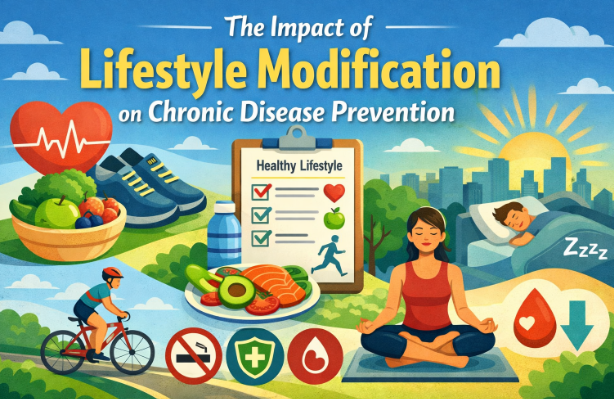


Introduction to Chronic Diseases
Chronic diseases are defined as long-lasting conditions that often require ongoing medical attention and may limit daily activities. These include diseases such as heart disease, diabetes, cancer, and chronic respiratory illnesses. According to the World Health Organization (WHO), chronic diseases contribute to approximately 71% of all global deaths, a staggering statistic that reflects not only their prevalence but also their profound impact on public health systems worldwide.
In many regions, including both developed and developing countries, chronic diseases present significant health challenges. For instance, the Centers for Disease Control and Prevention (CDC) reports that more than half of adults in the United States live with at least one chronic condition, indicating a worrying trend that necessitates urgent public health interventions. The economic burden of chronic diseases is also considerable, with healthcare costs and loss of productivity numbering in the trillions of dollars annually.
The rise in chronic disease rates can often be attributed to a combination of genetic, environmental, and lifestyle factors. Sedentary behavior, poor nutrition, tobacco use, and excessive alcohol consumption have all been associated with increased risk of developing these conditions. However, there is growing recognition of the potential for lifestyle modification to play a critical role in the prevention and management of chronic diseases.
Implementing healthy lifestyle changes, such as improved dietary habits, regular physical activity, and stress management techniques, can significantly reduce the risk of developing chronic illnesses. This understanding has led to an increasing emphasis on public health campaigns that advocate for preventive measures, thereby fostering healthier communities. By addressing lifestyle factors, we can not only enhance individual health outcomes but also mitigate the broader impact of chronic diseases on society.
Understanding Lifestyle Modifications
Lifestyle modifications refer to intentional changes made in an individual’s daily habits to improve health outcomes and reduce the risk of chronic diseases. These changes predominantly encompass dietary adjustments, increased physical activity, improved stress management techniques, and the adoption of other positive behavioral adjustments. In essence, lifestyle modifications aim to create a more healthful and balanced living environment that fosters well-being and resilience against illness.
Dietary changes are fundamental to lifestyle modifications. This can include increasing the intake of whole foods such as fruits, vegetables, whole grains, and lean proteins, while reducing the consumption of processed foods, added sugars, and saturated fats. Studies have shown that a balanced diet is crucial in preventing diseases such as obesity, hypertension, and diabetes, as it directly influences body weight, blood sugar levels, and overall metabolic health.
Physical activity is another significant component of lifestyle modifications. Regular exercise—whether through structured workouts, recreational activities, or simply increased daily movement—has been proven to decrease the risk of various chronic conditions, including cardiovascular diseases and certain types of cancer. Aim for at least 150 minutes of moderate-intensity aerobic activity weekly, paired with muscle-strengthening exercises to achieve optimal health results.
Furthermore, effective stress management is essential in lifestyle modifications. Chronic stress can contribute to various health issues such as hypertension and heart disease. Techniques such as mindfulness, yoga, and meditation have been recognized as beneficial practices to manage stress levels, promoting both physical and mental well-being. Additionally, fostering healthy relationships and engaging in social activities can alleviate stress, encouraging a supportive environment conducive to positive lifestyle changes.
By embracing these lifestyle modifications, individuals can significantly impact their overall health and significantly reduce the risk of developing chronic diseases. The integration of diet, physical activity, and stress management techniques serves as a proactive approach to health maintenance, reinforcing the importance of adopting long-term healthy habits.
Key Chronic Diseases Linked to Lifestyle Choices
Chronic diseases encompass a broad range of health issues, including heart disease, diabetes, obesity, and certain types of cancer. These conditions are often significantly influenced by individual lifestyle choices, which can either mitigate or exacerbate disease risk. Recent studies have demonstrated a clear correlation between poor lifestyle habits and the prevalence of these diseases, highlighting the importance of preventive health measures.
Heart disease remains one of the leading causes of death worldwide, with lifestyle factors such as poor diet, physical inactivity, smoking, and excessive alcohol consumption contributing majorly to its prevalence. According to the World Health Organization, unhealthy dietary choices are linked to approximately 930,000 deaths in the United States alone each year, underscoring the critical impact of nutrition on cardiovascular health.
Similarly, type 2 diabetes has also been shown to be closely related to lifestyle choices. The American Diabetes Association notes that obesity, resulting from unhealthy eating habits and lack of exercise, is a primary risk factor for the development of this condition. It’s estimated that more than 34 million Americans suffer from diabetes, with lifestyle modifications often suggested as a key component in managing and preventing this disease.
Obesity itself is a significant risk factor for various chronic diseases, including heart disease and diabetes. The Centers for Disease Control and Prevention (CDC) indicates that over 42% of American adults are classified as obese, primarily due to poor dietary choices and insufficient physical activity. Such rates illustrate the urgent need for lifestyle interventions aimed at promoting healthier choices.
Certain cancers have also been linked with lifestyle factors. Research suggests that tobacco use, alcohol consumption, poor diet, and physical inactivity can increase the risk of developing certain cancers, such as lung, colorectal, and breast cancer. For instance, smoking is responsible for about 30% of all cancer deaths in the U.S.
The Role of Diet in Disease Prevention
A balanced diet plays a crucial role in preventing chronic diseases, as it provides the essential nutrients that our bodies need to function optimally. Proper dietary choices can reduce the risk of conditions such as obesity, heart disease, diabetes, and certain types of cancer. To achieve this, it is important to incorporate a variety of foods from different food groups, ensuring an adequate intake of vitamins, minerals, and other health-promoting compounds.
The consumption of whole, unprocessed foods, such as fruits, vegetables, whole grains, lean proteins, and healthy fats, is associated with a lower risk of chronic diseases. These foods are rich in antioxidants, fiber, and healthy fats, which can help reduce inflammation and improve heart health. Conversely, highly processed foods often contain excessive amounts of sugars, salt, and unhealthy fats, which can contribute to weight gain and the development of chronic conditions over time.
Specific nutrients have been identified as particularly beneficial in the prevention of chronic diseases. For instance, omega-3 fatty acids, found in fatty fish and flaxseeds, have anti-inflammatory properties and promote heart health. Antioxidant-rich foods, such as berries and dark leafy greens, help combat oxidative stress in the body. Additionally, adequate fiber intake, primarily from fruits, vegetables, and whole grains, has been linked to improved digestive health and a reduced risk of developing cardiovascular diseases.
In conclusion, making mindful dietary choices is pivotal in disease prevention. By focusing on a balanced diet rich in whole foods and essential nutrients, individuals can significantly lower their risk of chronic diseases, thus improving their overall health and well-being.
Physical Activity and Its Benefits
Regular physical activity plays a crucial role in the prevention of chronic diseases, such as cardiovascular ailments, type 2 diabetes, and certain types of cancer. Engaging in physical exercises contributes significantly to overall health by enhancing cardiovascular fitness, strengthening muscles, and improving flexibility. The benefits of incorporating consistent physical activity into one’s daily routine cannot be overstated.
The World Health Organization recommends that adults engage in at least 150 minutes of moderate-intensity aerobic activity, or 75 minutes of vigorous-intensity activity each week. This includes activities such as brisk walking, cycling, swimming, and running. Additionally, it is beneficial to partake in muscle-strengthening activities on two or more days per week. Adopting diverse forms of exercise not only keeps routine interesting but also ensures a well-rounded improvement in health.
Beyond weight management, regular exercise triggers a variety of physiological responses that enhance health. Physical activity promotes improved blood circulation, which supports the delivery of oxygen and nutrients to cells throughout the body. Furthermore, it also aids in regulating hormone levels, particularly insulin, thus lowering the risk of insulin resistance and type 2 diabetes. Exercise stimulates the production of endorphins, commonly referred to as ‘feel-good’ hormones, which can elevate mood and reduce feelings of anxiety and depression, further enriching overall well-being.
Participating in team sports or group classes provides social interaction, fostering a sense of community and support that can motivate individuals to maintain a more active lifestyle. Walking, jogging, or joining a local gym are practical options that can be tailored to various preferences and fitness levels, making physical activity accessible to a broad audience. In essence, committing to a routine that includes physical exercise not only fortifies one’s physical health but also engenders mental resilience, ultimately contributing to the effective prevention of chronic diseases.
Mental Health and Stress Management
Mental health significantly influences physical health, with stress being a pivotal factor that can lead to various chronic diseases. Chronic stress is linked to conditions such as hypertension, diabetes, and heart disease, as it affects bodily functions and elevates inflammation. Therefore, managing stress is essential not only for mental well-being but also for chronic disease prevention.
Adopting lifestyle modifications that enhance mental health can lead to better stress management. Practices such as regular physical activity, adequate sleep, and healthy dietary options contribute to a balanced mental state. Exercise, in particular, is effective in reducing stress levels; it releases endorphins and promotes a sense of well-being. Consequently, incorporating regular physical activity into one’s routine is a proactive approach in reducing the risk of chronic diseases.
Mindfulness practices also play a crucial role in managing stress. Techniques such as meditation, deep breathing exercises, and yoga have been shown to lower stress and improve mental health. Mindfulness cultivates awareness of thoughts and emotions, allowing individuals to address stressors more effectively. By prioritizing mental well-being through these practices, individuals can experience a significant reduction in stress, which can subsequently lower their risk of developing chronic illnesses.
Furthermore, maintaining social connections is vital for mental health. Engaging in supportive relationships can provide emotional comfort and enhance resilience in stressful situations. Ensuring a support network is accessible can mitigate feelings of isolation that often accompany stress. Overall, lifestyle changes focused on mental health and stress management are fundamental components in the prevention of chronic diseases. Such alterations promote both mental and physical health, creating a holistic approach to wellness.
Creating Supportive Environments for Change
The role of community, family, and workplace environments is crucial in facilitating lifestyle modifications that contribute to chronic disease prevention. Communities that prioritize health foster an atmosphere where individuals can make healthier choices. This involves the establishment of parks, walking trails, and recreational facilities that encourage physical activity. Moreover, community-based programs can provide education about nutrition and promote healthy eating habits, making it easier for individuals to access healthy food options.
Family support also plays a significant role in lifestyle changes. Families that engage in health-promoting activities together—such as cooking nutritious meals or participating in physical exercises—create a culture of health. This supportive dynamic is particularly important for children, instilling lifelong healthy habits from an early age. When family members are invested in each other’s health, they can motivate one another to adhere to healthier lifestyles, thereby reducing the risk of chronic diseases.
Furthermore, the workplace serves as another critical environment for promoting lifestyle modifications. Workplace wellness programs that offer stress management, healthy eating workshops, and physical activity initiatives have proven effective in encouraging employees to adopt healthier habits. Such programs not only contribute to the well-being of employees but can also improve overall productivity and reduce healthcare costs for employers. Policies that promote flexible work hours for physical activity and healthy food options in the workplace cafeteria can further create a conducive environment for change.
Collectively, supportive environments fostered through community initiatives, family engagement, and workplace policies are essential in facilitating lifestyle modifications. By creating these integrations across various settings, individuals are more likely to make healthier choices that ultimately lead to the prevention of chronic diseases.
Challenges in Adopting Lifestyle Changes
Adopting healthier lifestyle choices is recognized as a pivotal factor in preventing chronic diseases. However, many individuals encounter various barriers that hinder their ability to implement these changes effectively. One significant challenge is socioeconomic status, which can dictate access to resources necessary for maintaining a healthy lifestyle. Individuals from lower-income backgrounds may find it difficult to afford nutritious foods, exercise memberships, or wellness programs, leading to a reliance on processed and unhealthy options that are more economically viable.
Moreover, knowledge plays a critical role in lifestyle modification. A lack of understanding regarding the importance of nutrition, physical activity, and preventive health measures can stymie efforts to improve one’s health. Educational initiatives are essential to equip individuals with the information required to make informed choices. Unfortunately, access to such educational resources can be uneven, often favoring those in more privileged positions, which deepens health disparities.
In addition to socioeconomic factors and inadequate knowledge, emotional challenges also permeate the journey toward lifestyle change. Many individuals face psychological barriers, including stress, anxiety, or depression, which can undermine motivation and consistency in adopting healthier behaviors. These emotional hurdles often manifest as a lack of confidence in one’s ability to make lasting changes, leading to self-sabotaging attitudes or behaviors.
As we can see, the adoption of lifestyle modifications is fraught with challenges that can prevent individuals from making the necessary changes to prevent chronic diseases. Addressing these challenges requires a holistic approach that encompasses socioeconomic support, education, and mental health resources to foster an environment conducive to lasting health improvements.
Conclusion and Call to Action
In light of the increasing prevalence of chronic diseases, the significance of lifestyle modification cannot be overstated. Lifestyle choices such as diet, physical activity, and stress management directly influence one’s health outcomes, drastically affecting an individual’s risk of developing conditions like heart disease, diabetes, and certain cancers. Evidence suggests that strategic changes in these areas can lead to substantial health benefits, thereby preventing chronic illnesses and enhancing overall well-being.
Moreover, incorporating regular physical activity into daily routines has demonstrated efficacy not only in weight management but also in improving cardiovascular health and psychological well-being. A balanced and nutrient-rich diet plays a crucial role in providing the body with essential vitamins and minerals that help in tissue repair and immune function. Additionally, practices such as mindfulness and adequate sleep can significantly lower stress levels—a key contributor to various chronic diseases. Together, these lifestyle modifications create a comprehensive approach to disease prevention.
It is imperative for individuals to recognize that making small, sustainable changes can lead to long-lasting effects on health. For instance, swapping refined sugars for healthier options like fruits, establishing a daily exercise routine, and prioritizing mental health care can set the groundwork for a healthier future. By fostering a supportive environment and seeking guidance from healthcare professionals, one can facilitate this transition towards a healthier lifestyle.
As readers reflect on the insights shared, it is crucial to take actionable steps towards implementing these lifestyle changes. Whether it is joining a local gym, consulting a nutritionist, or engaging in community wellness programs, each step contributes to building a healthier life. Embracing these modifications not only benefits individual health but also has the potential to reduce the burden of chronic diseases within communities.