
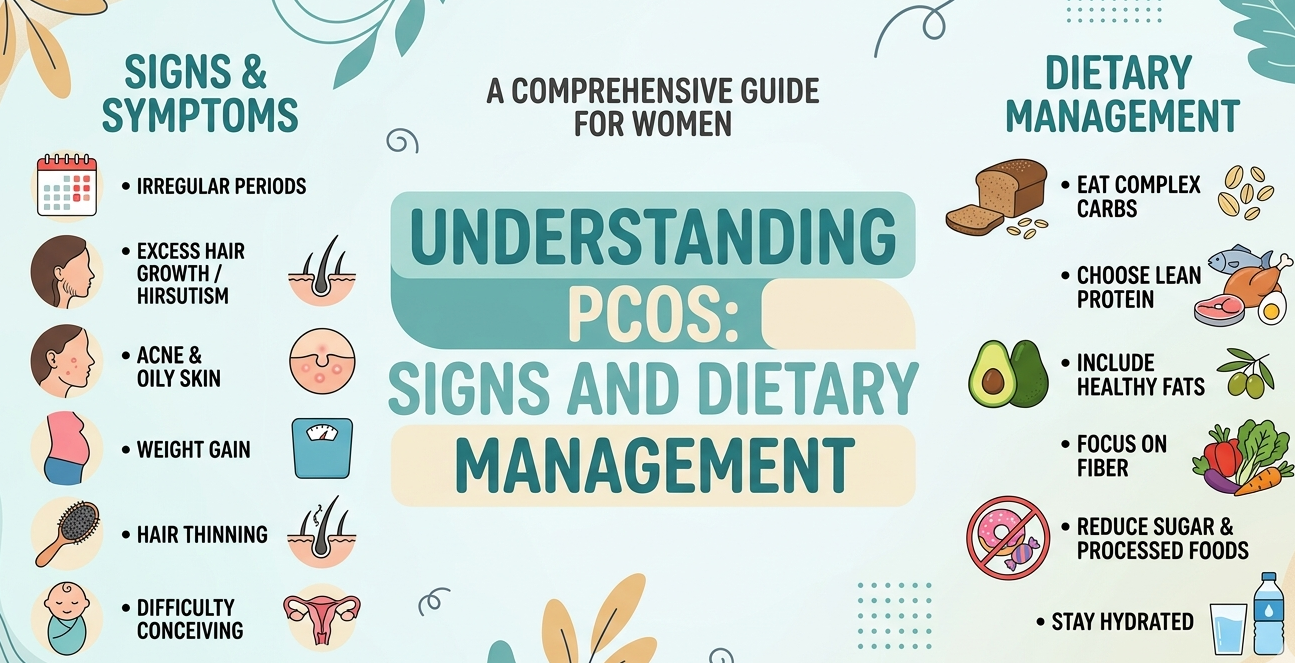

 is a common hormonal disorder affecting many women during their reproductive years.)
Introduction to PCOS
Polycystic Ovary Syndrome (PCOS) is a prevalent hormonal disorder that affects a significant number of women during their reproductive years. It is characterized by a range of symptoms that can vary widely among individuals but commonly include irregular menstrual cycles, excessive hair growth, acne, and weight gain. The exact prevalence of PCOS can differ depending on diagnostic criteria used, but estimates suggest that it impacts approximately 5% to 15% of women globally.
The underlying cause of PCOS is thought to be a combination of genetic and environmental factors, leading to hormonal imbalances. This may include elevated levels of androgens, often referred to as male hormones, despite being present in both males and females. The hormonal imbalance can disrupt ovulation, making it challenging for women with PCOS to conceive. Additionally, estrogen levels may be affected, further complicating menstrual cycles and overall reproductive health.
PCOS is more than just a reproductive issue; it has far-reaching implications for overall health. Women with PCOS may be at increased risk for developing conditions such as type 2 diabetes, cardiovascular disease, and endometrial cancer due to prolonged hormonal irregularities and insulin resistance commonly associated with the syndrome. Furthermore, the emotional burden of living with PCOS, including anxiety and depressive disorders, cannot be overlooked. The multifaceted nature of PCOS necessitates a comprehensive approach to management, focusing not only on the physical symptoms but also on emotional well-being and lifestyle adaptations.
Common Signs and Symptoms of PCOS
Polycystic Ovary Syndrome (PCOS) presents a variety of symptoms that can significantly impact a person’s quality of life. Understanding these signs is crucial for timely diagnosis and effective management. One of the most prevalent symptoms of PCOS is irregular menstrual cycles. Many individuals experience delayed, infrequent, or even absent periods, which can complicate reproductive health and contribute to infertile conditions.
Weight gain is another common manifestation associated with PCOS. This weight gain often occurs around the abdomen and can lead to an increased risk of obesity and metabolic syndrome. Such weight changes are attributed to hormonal imbalances that characterize the condition, and they can affect the body’s insulin sensitivity, further complicating management strategies.
Acne and oily skin are frequently observed as well. These symptoms arise due to elevated androgen levels, which can lead to increased oil production in the skin and subsequent breakouts. In addition, many individuals report excessive hair growth, known as hirsutism, particularly in areas such as the face, chest, and back. Conversely, some individuals may experience hair thinning or male-pattern baldness, contributing to emotional distress and lowered self-esteem.
Moreover, individuals with PCOS may face long-term health concerns. Conditions like type 2 diabetes, cardiovascular diseases, and sleep apnea show a higher prevalence among those affected. The varied symptoms and potential complications underscore the importance of early detection and proper dietary management. Recognizing these signs facilitates timely medical intervention, potentially mitigating the long-term effects associated with this condition. If you identify with any of these symptoms, consulting a healthcare professional is essential for appropriately addressing and managing PCOS.
Understanding the Causes of PCOS
Polycystic Ovary Syndrome (PCOS) is a complex endocrine disorder affecting women of reproductive age. While the precise etiology remains not fully understood, several factors are considered significant contributors to its development. A primary factor is genetic predisposition; women with a family history of PCOS are more likely to develop the condition themselves, suggesting a potential hereditary component.
Insulin resistance is another crucial element linked to PCOS. Many women diagnosed with this syndrome exhibit higher levels of insulin in their blood, which can lead to increased androgen production. This hormonal imbalance may result in various symptoms, including irregular menstrual cycles, excessive hair growth, and acne. The relationship between insulin resistance and PCOS highlights the importance of metabolic health in managing the condition.
Moreover, hormonal imbalances play a vital role in PCOS development. The hypothalamus, pituitary gland, and ovaries work together to regulate hormone levels in the body. In women with PCOS, disruptions in these hormonal signals can lead to anovulation, which is the absence of ovulation. Additionally, an increase in male hormones, such as testosterone, can further exacerbate PCOS symptoms.
Other potential factors influencing the onset of PCOS include lifestyle factors, such as diet and physical activity levels, which can impact insulin sensitivity and weight management. Furthermore, environmental factors and exposure to endocrine disruptors may also play a role in the development of PCOS.
Understanding these underlying causes is crucial for a comprehensive approach to managing PCOS. By addressing genetic, metabolic, and hormonal factors, healthcare providers can offer more effective treatment options tailored to individual patient needs, improving overall health and quality of life for those affected by PCOS.
The Link Between PCOS and Insulin Resistance
Polycystic Ovary Syndrome (PCOS) is a complex endocrine disorder that affects individuals with ovaries and is characterized by an array of symptoms including irregular menstrual cycles, weight gain, and elevated levels of androgens. One significant aspect of PCOS is its close association with insulin resistance, a condition where the body’s cells become less responsive to insulin, leading to higher blood glucose levels and increased insulin production.
Research indicates that approximately 60-70% of individuals with PCOS experience some degree of insulin resistance. This condition not only exacerbates the symptoms of PCOS but also increases the risk of long-term health complications, such as type 2 diabetes and cardiovascular diseases. The cycle of insulin resistance contributes to the accumulation of fat in the abdominal area, which in turn amplifies hormonal imbalances, thereby worsening the clinical picture of PCOS.
Managing insulin levels is critical in treating PCOS effectively. Healthy lifestyle changes, including adopting a balanced diet rich in whole foods, incorporating regular physical activity, and, when necessary, utilizing medications like Metformin, can significantly improve insulin sensitivity. Foods low on the glycemic index, such as whole grains, legumes, and leafy greens, may help in stabilizing blood sugar levels and controlling insulin secretion. Additionally, regular exercise aids in weight management and enhances insulin sensitivity.
In this context, understanding the intricate relationship between insulin resistance and PCOS is vital. Effective management of insulin levels not only alleviates the immediate symptoms associated with PCOS but also promotes overall health and well-being in affected individuals.
Role of Diet in Managing PCOS
Polycystic Ovary Syndrome (PCOS) is a complex hormonal disorder that can lead to a variety of symptoms, including irregular periods, weight gain, and insulin resistance. The role of diet in managing these symptoms is increasingly recognized as a vital aspect of treatment. Proper nutrition can help regulate hormone levels, reduce inflammation, and improve overall health outcomes for those affected by PCOS.
One of the fundamental dietary approaches for managing PCOS symptoms is adopting a balanced, nutrient-rich diet. A diet that is low in refined carbohydrates can help stabilize insulin levels, which is particularly beneficial for individuals suffering from insulin resistance, a common issue in PCOS. By choosing whole grains over refined options, patients can improve their insulin sensitivity, thereby potentially alleviating some symptoms related to this condition.
Incorporating anti-inflammatory foods is also crucial in managing PCOS. Foods rich in omega-3 fatty acids, such as fish, flaxseeds, and walnuts, can help reduce inflammation levels in the body. Similarly, a diet high in fruits and vegetables provides essential vitamins, minerals, and antioxidants that support overall health. Foods like berries, leafy greens, and nuts are particularly beneficial due to their nutrient-dense nature.
Additionally, maintaining a healthy weight through a well-planned diet can have a positive impact on hormonal balance. Weight loss, even modest amounts, can restore ovulatory function and lower androgen levels, bringing relief from many PCOS-related symptoms. Incorporating lean proteins, healthy fats, and a variety of fruits and vegetables into daily meals can aid in achieving this balance.
Finally, it is essential to avoid highly processed foods, added sugars, and excessive saturated fats, which can worsen insulin resistance and contribute to inflammation. Engaging in mindful eating practices and consulting with a healthcare professional or a nutritionist can create a personalized approach for individuals managing PCOS through dietary choices.
Foods to Include in a PCOS-Friendly Diet
Managing Polycystic Ovary Syndrome (PCOS) effectively often involves making dietary adjustments that support hormonal balance and metabolic health. Certain types of foods can be beneficial for individuals with PCOS, promoting overall wellness while addressing the symptoms associated with this condition.
Whole grains are an excellent addition to a PCOS-friendly diet. Foods such as quinoa, brown rice, and whole wheat products are rich in fiber, which aids in regulating blood sugar levels and improving insulin sensitivity. These grains provide sustained energy and can help prevent the insulin spikes that are often problematic in PCOS.
Incorporating lean proteins is also crucial. Options like chicken, turkey, beans, and legumes offer essential amino acids without excessive saturated fats. Protein can enhance satiety, helping individuals maintain a healthy weight which is particularly beneficial for those managing PCOS symptoms.
Healthy fats should not be overlooked. Incorporating sources of monounsaturated fats and omega-3 fatty acids can be particularly helpful. Foods such as avocados, nuts, seeds, and oily fish like salmon contribute to heart health and may also improve insulin resistance, which is essential for those with PCOS.
Additionally, a variety of fruits and vegetables is vital in a PCOS-friendly diet. These foods are high in antioxidants, vitamins, and minerals that can support overall health. Berries, leafy greens, and cruciferous vegetables should be prioritized as they can aid in reducing inflammation and enhancing metabolic functions.
In conclusion, focusing on whole grains, lean proteins, healthy fats, and a diverse array of fruits and vegetables can help manage PCOS symptoms effectively. These dietary components contribute to improved health outcomes and promote a balanced lifestyle for individuals dealing with PCOS.
Foods to Avoid with PCOS
Polycystic Ovary Syndrome (PCOS) is a complex hormonal disorder that affects many individuals. Managing its symptoms often involves dietary changes, particularly the reduction or elimination of specific foods that can exacerbate the condition. A crucial aspect of dietary management for those with PCOS is the awareness of foods that can spike insulin levels and contribute to weight gain, thus aggravating symptoms.
Refined sugars are one of the primary culprits that individuals with PCOS should strive to minimize in their diets. Foods high in refined sugars, such as candies, pastries, and sugary beverages, can lead to blood sugar spikes. This, in turn, may trigger insulin resistance, a common issue in PCOS. Opting for whole fruits as a source of natural sugars can be a healthier alternative, providing fiber and essential nutrients.
Processed foods, often laden with unhealthy fats and added sugars, are another category to avoid. Fast food, pre-packaged snacks, and ready-to-eat meals typically contain preservatives and additives that can negatively impact overall health. These foods may contribute to inflammation and weight gain, making them counterproductive for someone managing PCOS symptoms.
High-carbohydrate foods should also be consumed sparingly. While carbohydrates are a necessary part of a balanced diet, those that are quickly digestible and devoid of fiber can lead to rapid increases in blood glucose levels. Foods such as white bread, pasta, and sugary cereals fall into this category and should be replaced with whole grains like quinoa, brown rice, and oats, which provide a more gradual release of energy.
In summary, avoiding refined sugars, processed foods, and high-carb options can play a significant role in managing and mitigating the symptoms of PCOS. Adopting a whole-foods approach, prioritizing nutrient-dense options, can help in achieving better health outcomes for individuals facing this condition.
Meal Planning Tips for PCOS Management
Effective meal planning is essential for individuals managing Polycystic Ovary Syndrome (PCOS). The focus should be on creating balanced meals that help regulate blood sugar levels, support hormone balance, and promote overall health. Incorporating a variety of PCOS-friendly foods into daily meals is a fundamental step in this process.
First and foremost, aim to include a source of protein, healthy fats, and complex carbohydrates in each meal. Good protein sources such as lean meats, fish, legumes, and dairy help to keep you satiated and stabilize blood sugar levels. Healthy fats from avocados, nuts, and olive oil provide essential nutrients and promote heart health. Complex carbohydrates, found in whole grains, fruits, and vegetables, can improve insulin sensitivity and should be prioritized over refined or sugary options.
When planning meals, consider the importance of portion sizes. Keeping portions reasonable can help manage caloric intake, which is particularly beneficial for those with PCOS who may struggle with weight management. Utilizing smaller plates, measuring food, and being mindful of serving sizes can aid in this process. Regularly eating smaller, more frequent meals can also help maintain energy levels and prevent blood sugar spikes.
Incorporating a variety of colorful fruits and vegetables is another effective strategy. These foods are rich in antioxidants and fiber, which can enhance overall health and facilitate easier digestion. Aim to include at least five servings of fruits and vegetables each day to ensure a well-rounded intake of essential vitamins and minerals.
Lastly, meal prep can simplify the process of maintaining a consistent and healthy diet. Preparing meals in advance can reduce the temptation to choose unhealthy options when time is limited. Consider dedicating a specific day each week for meal preparation, which can include cooking grains, roasting vegetables, and portioning out snacks that align with a PCOS-friendly diet.
Other Lifestyle Changes to Complement Dietary Management
Polycystic Ovary Syndrome (PCOS) is a complex endocrine disorder that often requires a multifaceted approach for effective management. While dietary changes play a critical role, incorporating additional lifestyle modifications can significantly enhance overall health and wellness. Regular physical activity is one such lifestyle change that can have profound benefits for individuals living with PCOS. Engaging in exercise not only aids in weight management but also helps to improve insulin sensitivity, lower testosterone levels, and relieve symptoms of depression and anxiety. Low-impact activities such as walking, swimming, and yoga can be particularly beneficial, especially for those who may not be accustomed to vigorous exercise routines.
Moreover, managing stress is crucial when addressing PCOS. High-stress levels can exacerbate hormonal imbalances, leading to increased symptoms. Techniques such as mindfulness, meditation, and controlled breathing exercises can promote relaxation and better coping strategies. Incorporating stress-reducing practices into daily routines can lead to improved emotional well-being, which is significant in maintaining a balanced lifestyle.
Finally, regular health check-ups are essential for monitoring the condition effectively. Professional guidance from healthcare providers, including gynecologists, endocrinologists, and nutritionists, can offer tailored advice and support. Routine screenings can prevent potential complications associated with PCOS, such as diabetes and heart disease. Through early detection and ongoing management, individuals can take proactive steps toward improved health outcomes.
In summary, managing PCOS encompasses more than just dietary adjustments; holistic approaches that include physical activity, stress management, and routine health evaluations are vital components. Together, these lifestyle changes can foster greater balance in hormonal levels and overall health, empowering individuals to lead healthier lives.