
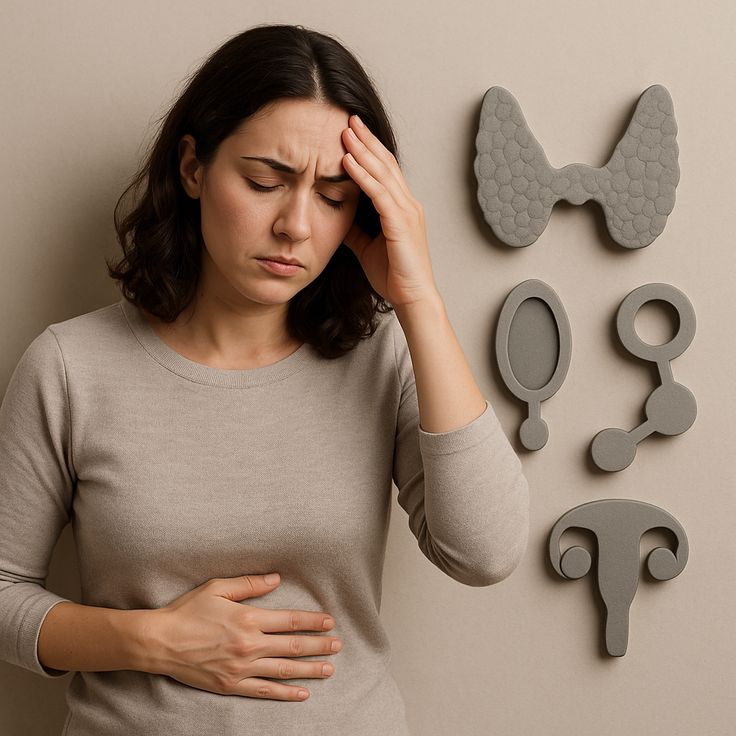


Understanding Hormones and Their Role in Women’s Health
Hormones are chemical messengers produced by the endocrine glands, playing a crucial role in regulating various physiological processes within the body. They are involved in numerous functions that impact women’s health, ranging from mood regulation to reproductive functions, and each hormone has specific effects. In women, the most notable hormones include estrogen, progesterone, and testosterone, along with others like thyroid hormones and insulin. Each of these hormones serves distinct and essential roles.
Estrogen is primarily responsible for the development of female secondary sexual characteristics and is vital in regulating the menstrual cycle, contributing to reproductive health. Progesterone, often referred to as the hormone of pregnancy, prepares the uterus for a fertilized egg and maintains pregnancy. Testosterone, while often associated with males, is also essential for women, influencing libido, bone density, and muscle strength.
Thyroid hormones such as thyroxine (T4) and triiodothyronine (T3) are crucial for metabolic regulation, affecting energy levels, weight, and overall metabolism. Insulin, produced by the pancreas, is integral for controlling blood sugar levels and plays a significant role in metabolism and energy usage.
Maintaining hormonal balance is vital for optimal health. An imbalance in these hormones can lead to a variety of health issues, including emotional disturbances, irregular menstrual cycles, metabolic disorders, and complications in reproductive health. Factors such as stress, diet, and lifestyle can significantly influence hormone levels, and attention to these aspects is essential for holistic well-being. Thus, understanding hormones and their functions is critical in managing women’s health effectively.
Common Hormonal Imbalances in Women
Hormonal health is a critical aspect of women’s well-being, with various imbalances potentially affecting physical and emotional health. Among the most prevalent issues are estrogen dominance, low progesterone, and thyroid disorders, each presenting with specific symptoms that can significantly impact daily life.
Estrogen dominance occurs when there is an imbalance between estrogen and progesterone levels in the body, often characterized by symptoms such as weight gain, bloating, mood swings, and irregular menstrual cycles. This condition may arise from external factors, including environmental estrogens found in certain foods and personal care products or an imbalance related to lifestyle choices. It is crucial to address estrogen dominance promptly, as prolonged exposure can lead to more severe health concerns, including an increased risk of certain cancers.
Another common hormonal imbalance is low progesterone. This condition frequently results from lifestyle factors such as stress and inadequate nutrition and can manifest as symptoms including anxiety, fatigue, and difficulty sleeping. Low progesterone levels can disrupt the normal menstrual cycle, potentially leading to fertility issues. Women experiencing these symptoms should consider seeking medical advice, as natural progesterone supplementation may be beneficial.
Thyroid disorders, such as hypothyroidism and hyperthyroidism, also represent significant hormonal imbalances. The thyroid gland plays a vital role in regulating metabolism, energy levels, and overall hormonal balance. Symptoms of hypothyroidism include weight gain, fatigue, and depression, whereas hyperthyroidism often results in weight loss, rapid heartbeat, and irritability. Understanding these symptoms is essential for women seeking to maintain optimal hormonal health.
By recognizing the signs of these common hormonal imbalances, women can take proactive measures to seek treatment and support their overall health.
Nutrition and Hormonal Health
Nutrition plays a crucial role in maintaining hormonal health for women, influencing everything from menstrual cycles to menopause symptoms. A balanced diet not only supports physiological functions but also enhances mood and energy levels, which are significantly affected by hormonal fluctuations. To promote hormone balance, it is essential to focus on specific dietary patterns that include a variety of whole foods rich in essential nutrients.
Key nutrients to consider include omega-3 fatty acids, which can be found in fatty fish such as salmon and walnuts, and are known to reduce inflammation and regulate hormone production. Additionally, vitamin D, often obtained from sunlight exposure and fortified foods, is vital for hormonal regulation and has been linked to improved fertility. Magnesium, which can be sourced from leafy greens, nuts, and seeds, supports adrenal function and helps regulate stress hormones.
A diet rich in whole grains, fruits, and vegetables not only provides necessary vitamins and minerals but also supports a healthy gut microbiome, which can further enhance hormonal balance. Foods containing phytoestrogens, such as flaxseeds and soy products, might be beneficial in cases of hormonal imbalance, especially during perimenopause and menopause. On the contrary, it is advisable to limit processed foods, excessive sugar, and trans fats, as these can lead to chronic inflammation and insulin resistance, adversely affecting overall hormone health.
Incorporating healthy fats, such as avocados and olive oil, can also support hormonal production and balance. Maintaining hydration is equally important, as water plays a role in every cellular function, including hormone transport and regulation. Therefore, prioritizing balanced meals with a variety of nutrients is essential in promoting optimal hormonal health for women.
The Impact of Stress on Hormonal Balance
Stress plays a significant role in disrupting hormonal balance in women, particularly through the effects of cortisol, also known as the stress hormone. In response to stress, the body releases cortisol, which can elevate levels in the bloodstream. Chronic high levels of cortisol can lead to various hormonal imbalances, negatively impacting reproductive health, metabolism, and overall well-being. For instance, excessive cortisol can suppress the production of sex hormones like estrogen and progesterone, potentially disrupting menstrual cycles and affecting fertility.
Moreover, elevated cortisol levels can stimulate appetite and cravings for unhealthy foods, potentially leading to weight gain, particularly in the abdominal area. These changes may also impact insulin sensitivity, contributing to a greater risk of developing conditions such as polycystic ovary syndrome (PCOS) and type 2 diabetes.
To combat the adverse effects of stress on hormonal health, various stress management techniques can be integrated into daily routines. Mindfulness practices, such as meditation and deep breathing exercises, have shown to reduce cortisol levels effectively. Engaging in regular physical activity also serves as a potent stress reliever, as exercise can promote the release of endorphins, which are the body’s natural mood enhancers.
In addition to mindfulness and physical exercise, lifestyle changes can also contribute significantly to stress reduction. Maintaining a balanced diet rich in whole foods, such as fruits, vegetables, whole grains, and healthy fats, can support hormonal balance. Adequate sleep is essential, as it allows for the body to recover from daily stresses and regulates hormone production. Creating a consistent sleep schedule and ensuring a restful sleep environment can profoundly impact stress levels and overall health.
Physical Activity and Hormonal Health
Physical activity plays a crucial role in maintaining hormonal health, particularly for women who may experience fluctuations throughout various life stages, such as menstruation, pregnancy, and menopause. Engaging in regular exercise can significantly influence hormone regulation, thereby enhancing overall well-being. The relationship between exercise and hormonal balance is largely attributed to the impact of physical activity on hormonal release and metabolism.
Cardiovascular exercises, such as running, cycling, or swimming, are particularly beneficial for hormonal health. These activities enhance circulation, promote the production of endorphins, and help regulate hormone levels, including cortisol and insulin. Maintaining balanced cortisol levels is essential for managing stress and preventing hormonal disruptions. Meanwhile, effective insulin regulation can aid in weight management, which is another significant aspect of hormonal health.
In addition to cardiovascular activities, strength training occupies an important place in promoting hormonal balance. This form of exercise stimulates the production of growth hormone and estrogen, both vital for maintaining muscle mass and bone density. Women, especially as they age, can benefit from incorporating resistance training into their routines, as it fosters strength and increases metabolic rate. Furthermore, research suggests that strength training can also positively influence mood and energy levels.
When considering exercise routines, it is essential to recognize the importance of moderation. While physical activity has numerous hormonal health benefits, excessive exercise can lead to imbalances, particularly in cortisol and reproductive hormones. Therefore, finding a balance between cardio, strength training, and adequate rest is crucial for optimal hormonal health.
Sleep and Its Effect on Hormonal Balance
Sleep is a fundamental pillar of health, particularly in women where hormonal balance plays a significant role in overall well-being. Adequate sleep is essential because it directly influences the production and regulation of hormones such as cortisol, estrogen, and progesterone. When sleep is inadequate, it can lead to disruptions in hormonal levels, resulting in symptoms such as mood swings, weight gain, and increased stress levels.
The relationship between sleep and hormones is complex; for example, lack of sleep can elevate cortisol, the stress hormone, which in turn may lead to an increase in appetite and cravings for unhealthy foods. Moreover, insufficient sleep can negatively impact insulin sensitivity, heightening the risk of developing metabolic disorders such as diabetes and obesity.
To foster optimal hormonal balance, it is crucial to establish healthy sleep hygiene practices. A consistent sleep schedule is paramount; going to bed and waking up at the same time every day helps regulate the body’s internal clock. Additionally, creating a conducive sleep environment is vital. This includes ensuring the bedroom is dark, quiet, and at a comfortable temperature. Limiting exposure to screens and blue light before bedtime can significantly improve sleep quality, as these can interfere with the body’s natural production of melatonin, a hormone essential for sleep regulation.
Furthermore, incorporating relaxation techniques such as deep breathing, meditation, or gentle yoga into the evening routine can enhance sleep quality. These practices not only prepare the mind for rest but also help in lowering stress levels, which is crucial for maintaining hormone balance. By prioritizing sleep, women can take significant strides towards improved hormonal health and overall well-being.
Natural Supplements for Hormonal Health
Hormonal balance is vital for overall well-being, and natural supplements can play a significant role in achieving this balance. Among the many options available, omega-3 fatty acids, magnesium, B vitamins, and adaptogens stand out for their effectiveness in supporting hormonal health.
Omega-3 fatty acids are essential fats that can have anti-inflammatory effects, which are beneficial for hormonal balance. They help reduce the symptoms of premenstrual syndrome (PMS) and support menstrual health by aiding in the regulation of hormone levels. These fatty acids can primarily be acquired through fish oil supplements or plant-based sources such as flaxseeds and chia seeds.
Another important supplement is magnesium, which plays a crucial role in over 300 biochemical reactions in the body, including hormonal production. Women often have lower magnesium levels, especially during their menstrual cycles, leading to symptoms like irritability and fatigue. Including magnesium-rich foods like nuts, seeds, legumes, and dark leafy greens, or taking a magnesium supplement can help alleviate these symptoms and promote hormonal balance.
B vitamins are essential for energy production and may also influence hormone balance. B6, specifically, is known for its role in alleviating PMS symptoms, while B12 and folate can support adrenal health. A balanced diet rich in whole grains, eggs, and leafy vegetables can provide adequate B vitamins, but supplements can be beneficial, especially for those with dietary restrictions.
Adaptogens, such as ashwagandha and rhodiola, help the body adapt to stress, thereby minimizing its impact on hormonal balance. Chronic stress can disrupt hormone levels significantly, making it important to consider these natural supplements as part of a comprehensive approach to maintaining hormonal health.
When incorporating any supplement into your routine, it is essential to consult with a healthcare professional to determine the appropriate dosage and to ensure it aligns with your specific health needs.
Understanding Menstrual Cycle and Hormonal Changes
The menstrual cycle is a complex interplay of hormonal fluctuations that typically ranges from 21 to 35 days, with an average length of 28 days. Understanding the different phases of this cycle is crucial for women’s hormonal health. The menstrual cycle comprises four main phases: the follicular phase, ovulation, the luteal phase, and menstruation, each characterized by distinct hormonal changes.
During the follicular phase, which begins on the first day of menstruation, the pituitary gland releases follicle-stimulating hormone (FSH). This hormone encourages the growth of ovarian follicles, each containing an egg. As the follicles mature, they produce increasing amounts of estrogen, which helps to thickening the uterine lining, preparing it for potential implantation. This phase usually lasts for about 14 days but can vary significantly among individuals.
Following ovulation, which occurs when the ovary releases a mature egg, the luteal phase begins. This phase is marked by the rise of luteinizing hormone (LH) and further increases in progesterone production from the ruptured follicle, now called the corpus luteum. Progesterone plays a vital role in maintaining the uterine lining for a possible pregnancy. If fertilization does not occur, hormone levels will decline, triggering the onset of menstruation.
A comprehensive understanding of these hormonal changes allows women to recognize their unique menstrual patterns, track symptoms, and identify potential hormonal imbalances. This awareness not only supports menstrual health but can also aid in managing emotional well-being, physical symptoms, and fertility. Monitoring one’s cycle can thus be an empowering step towards maintaining optimal hormonal health.
When to Seek Professional Help
Maintaining hormonal health is crucial for overall wellness, yet many women may find themselves uncertain about when to consult a healthcare provider. Recognizing the signs that indicate the need for professional evaluation can significantly aid in managing hormonal imbalances or related health concerns. It is important for women to be vigilant about their body’s signals and to seek help when necessary.
Some common indicators that warrant a visit to a healthcare professional include persistent irregularities in menstrual cycles, such as missed periods or especially heavy bleeding. Other symptoms can involve significant changes in weight, mood swings, chronic fatigue, or decreased libido. These manifestations may suggest an underlying hormonal imbalance that could benefit from medical assessment and intervention.
Additionally, if a woman is experiencing symptoms of extreme anxiety or depression that interfere with daily life, it could be beneficial to explore hormonal assessments. Conditions like Polycystic Ovary Syndrome (PCOS) or thyroid disorders can present themselves through similar signs, necessitating a specialized approach to treatment.
When seeking professional help, healthcare providers may recommend a range of diagnostic tests, including blood tests to evaluate hormone levels, thyroid function tests, or imaging studies to assess reproductive organs. Based on these evaluations, treatment strategies might involve hormonal therapies, lifestyle adjustments, or other interventions tailored to the individual’s needs.
Ultimately, being proactive about hormonal health is essential for maintaining quality of life. Monitoring one’s health and recognizing the signs that necessitate professional guidance can lead to timely and effective treatment. Women should not hesitate to reach out to their healthcare provider whenever they notice troubling changes or feel that their hormonal health is at risk.