


Introduction to Hydration and Cognitive Performance
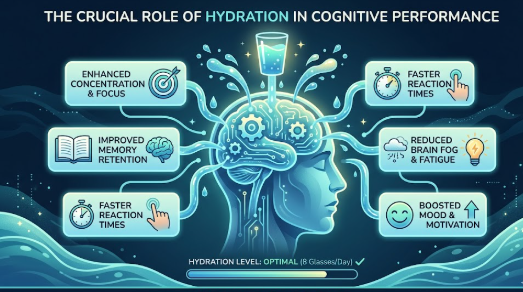
Hydration is a vital component of human health, significantly influencing numerous physiological and psychological processes. Water comprises a substantial portion of the human body, constituting approximately 60% of an adult’s body weight. Adequate hydration is critical, as it affects not only physical health but also cognitive performance—the mental processes that allow us to think, learn, and remember.
Research indicates that even mild dehydration can lead to declines in cognitive functioning, impacting concentration, alertness, and mood. The brain, being highly sensitive to changes in hydration levels, relies on water to maintain optimal performance. When the body is dehydrated, it can disrupt neurotransmission, hinder communication between brain cells, and adversely affect mental clarity.
Beyond its direct effects on cognition, hydration plays a crucial role in supporting other bodily functions such as thermoregulation and nutrient transport. Nutrients, including glucose and electrolytes, must be delivered efficiently to brain cells to support cognitive tasks. When hydration levels are insufficient, the transportation of these essential compounds can be compromised, leading to diminished cognitive abilities. Additionally, dehydration can increase the risk of headaches and fatigue, further impairing mental function.
As we delve deeper into the relationship between hydration and cognitive performance, it becomes evident that maintaining optimal hydration levels is crucial. The body’s hydration status can be easily monitored by observing the color of urine, which is a simple indicator of fluid balance. Clear or light yellow urine generally indicates adequate hydration, whereas darker shades suggest a need for increased fluid intake. Understanding the significance of hydration is the first step in recognizing its profound impact on cognitive wellness.
How Dehydration Affects Brain Function
Dehydration can have significant implications for brain function, as water is essential for maintaining the physiological environment necessary for optimal cognitive performance. The human brain is composed of approximately 75% water, and any deficiency can disrupt normal neurological processes. When the body experiences dehydration, several physiological changes occur, impacting various cognitive functions.
As dehydration progresses, the body begins to conserve water by triggering hormonal responses that can affect blood pressure and circulation. Insufficient hydration leads to decreased blood volume, which can result in reduced oxygen and nutrient delivery to the brain. This reduction in blood flow can impair cognitive functions, including memory retention, attention span, and decision-making capabilities. Research indicates that even mild dehydration, defined as a loss of 1-2% of body weight, can negatively affect attention and long-term memory.
Moreover, dehydration can influence the levels of neurotransmitters—chemical messengers involved in transmitting information throughout the brain. For instance, serotonin, which plays a crucial role in mood regulation and cognition, can be adversely affected due to water loss. Consequently, dehydration not only impacts cognitive clarity and focus but may also contribute to mood disturbances, such as irritability or anxiety. These changes highlight the necessity of maintaining proper hydration to support the brain’s health and functionality.
Additionally, studies have shown that dehydration can lead to an increased perception of mental fatigue. Even minor deficits in hydration can cause individuals to feel more tired and less motivated to engage in mentally demanding tasks. Therefore, maintaining adequate fluid intake is critical for preserving cognitive performance and overall brain health.
The Science Behind Hydration and Cognitive Ability
Hydration plays a fundamental role in maintaining cognitive function and overall brain health. Numerous scientific studies have sought to explore the relationship between hydration levels and cognitive performance, establishing a clear link between adequate fluid intake and enhanced mental capabilities. One of the primary ways hydration affects cognitive ability is through its impact on concentration and attention span.
Research indicates that even mild dehydration can lead to noticeable declines in cognitive ability, particularly in tasks requiring complex thinking and attention. For instance, a study published in the Journal of Nutrition found that individuals experiencing a 1-2% reduction in body mass due to dehydration exhibited impaired cognitive performance, characterized by increased difficulty in tasks demanding memory retention and reasoning. Such findings suggest that maintaining optimal hydration is crucial for sustaining mental acuity.
Moreover, hydration is linked to mood regulation, which directly influences cognitive performance. A study from the University of Connecticut demonstrated that dehydrated individuals reported higher levels of perceived tension and anxiety, factors that significantly detract from cognitive efficiency. When adequately hydrated, individuals not only perform better on cognitive tests but also experience improved mood, leading to a more favorable environment for mental processing.
The neurotransmitters responsible for transmitting signals in the brain are also significantly affected by hydration levels. Water facilitates the circulation of nutrients and removal of waste products in the brain, creating an environment conducive to optimal cognitive functioning. Thus, maintaining proper hydration is not merely beneficial but essential for cognitive health.
In summary, scientific evidence underscores the critical nature of hydration in supporting cognitive abilities. Ensuring adequate fluid intake is vital for fostering concentration, enhancing mood, and enabling the brain to operate effectively.
Hydration Guidelines for Optimal Mental Performance
Maintaining optimal hydration levels is essential for cognitive function and overall mental performance. The commonly recommended guideline for daily water intake varies based on factors such as age, sex, activity level, and climate. However, a general rule is to aim for about 2 to 3 liters, or approximately 8 to 12 cups, of water daily. This quantity may need adjustment based on individual circumstances, including physical exertion and environmental conditions.
It is crucial to recognize the early signs of dehydration, which can significantly impact cognitive abilities. Symptoms such as headaches, dizziness, fatigue, and difficulty concentrating may indicate that the body is not receiving enough fluids. Maintaining awareness of these signals will allow individuals to take preemptive measures before mental performance deteriorates.
In addition to monitoring water intake, several practical tips can assist in ensuring proper hydration throughout the day. Firstly, integrating water drinking into daily routines can be effective. For instance, starting each day with a glass of water and carrying a reusable water bottle can serve as constant reminders to hydrate. Moreover, setting hourly reminders to take small sips can help distribute fluid intake evenly throughout the day.
Incorporating water-rich foods into the diet is another beneficial strategy. Fruits such as watermelon, oranges, and strawberries, along with vegetables like cucumbers, lettuce, and celery, can contribute to overall hydration levels while providing essential nutrients. Additionally, individuals should limit beverages that may contribute to dehydration, such as those high in sugar or caffeine.
Engaging in mindful drinking, where one pays attention to their body’s hydration signals and responds accordingly, is key to maintaining optimal cognitive performance. By following these hydration guidelines, individuals can enhance their focus, clarity, and overall mental acuity.
Hydration Strategies for Students and Professionals
Ensuring adequate hydration is essential for maintaining optimal cognitive performance, particularly for students and professionals engaged in demanding mental tasks. Both groups must implement effective hydration strategies to support their focus, memory, and overall productivity. Structuring these strategies around their unique needs can make a significant difference in their output and efficiency.
First and foremost, understanding the hydration needs specific to cognitive efforts is crucial. Students preparing for exams or working on lengthy projects should establish a routine of drinking water throughout the day. It is advisable to keep a reusable water bottle handy, serving as a constant reminder to remain hydrated. Dehydration can lead to fatigue and decreased concentration, hindering the ability to process information effectively. Aiming for at least eight 8-ounce glasses of water, or adjusting based on individual factors, can help maintain an optimal hydration level.
For professionals, the workplace environment should promote hydration. Encouraging the availability of water coolers or providing easy access to water can foster better hydration habits. Additionally, integrating hydration breaks into the work schedule can ensure that employees regularly take the time to replenish their fluids. This not only prevents dehydration but also offers a beneficial mental pause that can enhance productivity upon return to tasks.
Incorporating foods high in water content, such as fruits and vegetables, can also serve as an additive strategy. Foods such as cucumbers, oranges, and watermelon can contribute to daily hydration needs while providing essential nutrients. Furthermore, students and professionals should consider monitoring their fluid intake, especially during periods of increased activity or stress, which can elevate the need for hydration.
Ultimately, by prioritizing adequate hydration through these strategies, both students and professionals can improve their cognitive performance and maintain high levels of productivity throughout their demanding days.
The Role of Hydrating Foods in Cognitive Function
Maintaining proper hydration is essential for optimal cognitive performance, and incorporating hydrating foods into one’s diet plays a significant role in this regard. Foods that possess high water content not only contribute hydration but also provide essential nutrients that support brain health. Many fruits and vegetables are particularly beneficial, as they are not only refreshing but also rich in vitamins and minerals that promote cognitive function.
Fruits such as watermelon, cucumbers, oranges, and strawberries are excellent sources of hydration. These foods contain about 90% water and are packed with antioxidants, vitamins, and essential electrolytes. For instance, watermelon, often celebrated for its hydrating properties, also provides lycopene, which is linked to improved cognitive function. Similarly, citrus fruits like oranges are high in vitamin C, which is known to protect against age-related cognitive decline and enhance mental clarity.
Vegetables also play a crucial role in hydration. Leafy greens like spinach and kale, as well as bell peppers and zucchini, contain a high percentage of water and are loaded with fiber and vital nutrients such as folate, magnesium, and potassium. These nutrients are crucial for effective neurotransmitter function and neuroprotection, potentially leading to improved memory, focus, and overall cognitive health. Including a variety of these hydrating foods in one’s diet can thus contribute significantly to both hydration and enhanced cognitive performance.
Incorporating these hydrating foods into meals can be simple. For instance, salads with leafy greens and mixed fruits, smoothies made from various hydrating fruits, and vegetable soups can provide both hydration and cognitive benefits. Overall, understanding the importance of hydrating foods is crucial for anyone looking to enhance their cognitive functionality and maintain optimal brain health.
Myths and Misconceptions About Hydration
The subject of hydration often invites a plethora of myths that can mislead individuals regarding their fluid intake needs. One of the most common misconceptions is the notion that everyone should drink eight glasses of water a day. While hydration is undeniably important for cognitive performance, the specific amount of water required can vary greatly among individuals. Factors such as age, sex, climate, physical activity level, and dietary habits play a significant role in determining an individual’s hydration needs. Therefore, a one-size-fits-all approach to fluid intake does not accurately reflect the complexities of human physiology.
Another widely held belief is that thirst is an infallible indicator of hydration status. While it is true that the sensation of thirst often signals the body’s need for water, it may not always provide an accurate assessment. As individuals age, their thirst perception can diminish, leading to potential under-hydration. Moreover, certain medical conditions or medications can alter thirst cues, making individuals less aware of their actual hydration needs.
Additionally, some people assume that beverages like coffee or tea contribute negatively to overall hydration. However, recent studies suggest that while caffeine can have mild diuretic effects, moderate consumption does not significantly impact hydration status. It is crucial to recognize that hydration can be achieved through various sources, including fruits, vegetables, and other liquids, rather than solely through water consumption.
In conclusion, debunking these myths is essential for fostering a more accurate understanding of hydration’s role in cognitive performance and overall health. Realizing that hydration needs can be highly individualized and dependent on various factors is crucial for promoting optimal health practices.
The Impact of Caffeine and Alcohol on Hydration and Cognition
Caffeine and alcohol are two widely consumed substances that have significant implications for hydration and cognitive function. Caffeine, a popular stimulant found in coffee, tea, and various energy drinks, has diuretic properties. This means it can increase urine production, potentially leading to dehydration if consumed in excess without adequate water intake. Moreover, although moderate caffeine consumption can enhance alertness and concentration, excessive intake may result in negative side effects such as anxiety and impaired cognitive performance.
Studies have shown that while caffeine can temporarily boost cognitive abilities, its dehydrating effects can counteract these benefits, particularly in extended periods of consumption. Individuals who rely on caffeine as a cognitive enhancer should be mindful of their hydration levels, as the combination of high caffeine and low fluid intake can lead to diminished mental clarity and focus.
On the other hand, alcohol is known for its depressant effects on the central nervous system. Its consumption not only negatively impacts hydration by inhibiting the release of the hormone vasopressin, which helps the body retain water, but it also affects cognitive functions. Alcohol can impair memory, decision-making, and attention span, further exacerbating the challenges faced in cognitive performance. Furthermore, the dehydrating effects of alcohol mean that excessive consumption can lead to hangover symptoms, characterized by fatigue, headache, and cognitive impairment.
Both caffeine and alcohol highlight the importance of maintaining proper hydration levels for optimal cognitive performance. For individuals aiming to enhance or maintain their cognitive abilities, it is essential to balance the consumption of these substances with sufficient water intake. This careful consideration can help mitigate their diuretic effects and support cognitive function effectively.
Conclusion: Prioritizing Hydration for a Sharper Mind
Throughout this article, we have explored the significant impact that hydration has on cognitive performance, emphasizing that even mild dehydration can lead to impairments in attention, memory, and overall cognitive functioning. Given the brain’s composition, which is approximately 75% water, it is evident that maintaining optimal hydration levels is essential for peak mental performance.
Various studies have highlighted that staying adequately hydrated enhances not only mood but also cognitive functions such as information processing and decision-making. The balance of fluids in the body is interconnected with neurotransmitter synthesis and metabolic functions that influence concentration levels and cognitive clarity. Therefore, prioritizing hydration should be a cornerstone of any cognitive enhancement strategy.
To improve hydration practices, individuals can begin by setting daily water intake goals tailored to their specific needs, factoring in aspects such as physical activity and environmental conditions. Incorporating reminders or using apps can also aid in maintaining this habit. Additionally, consuming water-rich foods—such as fruits and vegetables—contributes to overall hydration and serves as an excellent complement to regular water intake. Strategies can also include keeping a water bottle handy throughout the day to facilitate consistent drinking.
Ultimately, recognizing the integral role of hydration in cognitive performance can facilitate better decision-making and problem-solving abilities. By adopting mindful hydration practices, individuals not only enhance their cognitive capacity but also contribute to their overall health and well-being. Integrating these practices into daily life can pave the way for improved mental acuity, benefiting both personal and professional pursuits.