


Understanding Vitamin D: The Essentials
Vitamin D, often referred to as the “sunshine vitamin,” is a fat-soluble vitamin that is crucial for maintaining overall health. It plays a vital role in calcium absorption, which is essential for bone health, and also contributes to regulating the immune system, thus helping to fend off various illnesses. Vitamin D is available in two primary forms: vitamin D2 (ergocalciferol) and vitamin D3 (cholecalciferol). While both types can support our health, vitamin D3 is more effective in raising vitamin D levels in the blood.
The human body can produce vitamin D through a process initiated by sunlight exposure. When ultraviolet B (UVB) rays from the sun strike the skin, they convert 7-dehydrocholesterol, a compound found in the skin, into vitamin D3. This vitamin is then metabolized in the liver and kidneys to its active form, calcitriol, which is responsible for many of its biological effects. However, many individuals do not receive adequate levels of sunlight due to various factors, such as geographical location, season, and lifestyle, leading to vitamin D deficiencies.
In addition to its primary role in bone metabolism, vitamin D is essential for various physiological functions. It influences the expression of genes involved in cell proliferation and differentiation, thereby supporting various tissues and organ systems. Moreover, sufficient vitamin D levels are linked to better mental health outcomes and may play a protective role against certain chronic diseases, such as cardiovascular diseases and autoimmune disorders. Given its multifaceted importance in maintaining health, understanding vitamin D’s role and sources becomes critical for preventing deficiencies and promoting overall well-being.
The Prevalence of Vitamin D Deficiencies
Vitamin D deficiency is a widespread public health concern affecting populations around the world. According to statistics from the World Health Organization, approximately 1 billion individuals globally have insufficient levels of vitamin D. This deficiency can pose serious health risks, including diminished bone health and potential impacts on immune function. Various studies reveal that different demographic groups experience varying rates of deficiency, influenced by multiple factors.
Geographically, individuals residing in regions with limited sunlight exposure, particularly in higher latitudes, are at an increased risk of developing vitamin D deficiencies. For example, during the winter months, areas farther from the equator receive less ultraviolet B (UVB) radiation, which is necessary for the synthesis of vitamin D through skin exposure to sunlight. Consequently, populations in northern Europe and Canada demonstrate higher deficiency rates during colder months.
In addition to geographic location, lifestyle choices significantly impact vitamin D levels. Individuals who have a predominantly indoor lifestyle—working long hours indoors or opting for minimal outdoor activities—are less likely to obtain adequate sunlight exposure, thereby increasing their risk of deficiency. Furthermore, dietary habits play an essential role; people with a limited intake of vitamin D-rich foods, such as fatty fish, fortified dairy products, and egg yolks, may also be more susceptible to low vitamin D levels.
Particular populations are at greater risk, including older adults, infants who are exclusively breastfed, and individuals with darker skin tones due to the increased melanin levels, which can inhibit vitamin D synthesis. Recognizing these risk factors is crucial in addressing the global prevalence of vitamin D deficiencies and implementing effective solutions to mitigate this issue.
Symptoms and Consequences of Deficiency
Vitamin D deficiency is a clinical condition that can present with various symptoms and potential health risks. Individuals with low levels of vitamin D often experience fatigue, which may be attributed to insufficient energy levels and impaired muscle function. Additionally, bone pain is a prevalent symptom, stemming from vitamin D’s critical role in calcium absorption and maintaining bone health. Patients may report aching or discomfort in their bones, especially in the back and joints.
Another significant symptom of vitamin D deficiency is mood changes. There is increasing evidence that low vitamin D levels are linked to mood disorders, including depression and anxiety. A lack of vitamin D may lead to alterations in neurotransmitter levels that regulate mood, which could exacerbate feelings of sadness and despondency.
Over the long term, the consequences of vitamin D deficiency can be more severe, leading to various health complications. For instance, chronic low levels of Vitamin D have been associated with an increased risk of developing osteoporosis, a condition characterized by brittle and fragile bones, which can lead to fractures even with minimal trauma. Furthermore, deficiencies in vitamin D may heighten the risk of certain autoimmune diseases and cardiovascular issues, as vitamin D plays a crucial role in immune system regulation and overall cardiac health.
Additionally, there is ongoing research suggesting a correlation between low vitamin D levels and an increased risk of certain cancers. Some studies indicate that individuals with sufficient vitamin D may have a reduced risk of developing cancers of the breast, colon, and prostate. As awareness of these potential consequences grows, it becomes increasingly important for individuals at risk of deficiency to seek appropriate medical guidance.
Safe Ways to Increase Vitamin D Levels
Maintaining adequate levels of vitamin D is essential for overall health and well-being. Fortunately, there are several effective and safe methods for increasing vitamin D levels naturally and through dietary options. One of the most accessible ways to boost vitamin D is through sunlight exposure. When the skin is exposed to sunlight, it synthesizes vitamin D. Aim for around 15 to 30 minutes of sun exposure several times a week, but be mindful of factors such as geographic location, skin type, and time of day, as these can all influence vitamin D production.
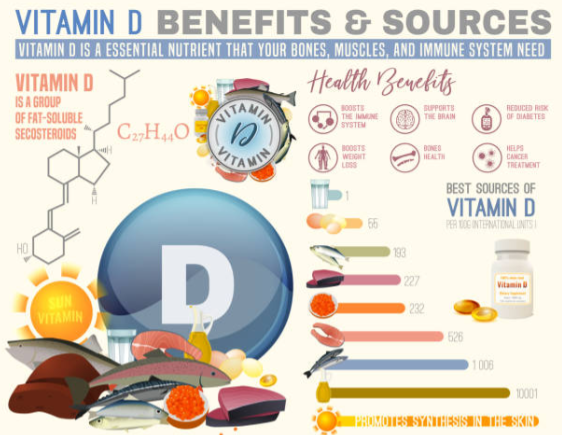
In addition to sunlight, dietary sources provide an effective means to increase vitamin D levels. Fatty fish such as salmon, mackerel, and sardines are excellent natural sources. Foods like beef liver, egg yolks, and certain mushrooms also contribute to vitamin D intake. Moreover, many food products are fortified with vitamin D, including milk, orange juice, and breakfast cereals, making it easier for individuals to obtain sufficient levels through their diet.
For those who are unable to achieve adequate vitamin D levels through sunlight and diet alone, supplementation may be a suitable option. Vitamin D supplements are widely available and can come in two forms: D2 (ergocalciferol) and D3 (cholecalciferol). D3 is typically recommended as it is more effective in raising vitamin D levels in the bloodstream. It is crucial, however, to consult with a healthcare provider before beginning supplementation to determine the appropriate dosage based on individual health needs, lifestyle, and existing vitamin D levels. The suggested daily intake generally ranges from 600 to 800 IU for most adults, but higher doses may be necessary for those with deficiencies.
By combining sunlight exposure, a well-balanced diet, and, if necessary, supplementation, individuals can safely enhance their vitamin D levels. Taking these proactive steps can contribute significantly to overall health and prevent deficiencies.
The Role of Sunlight in Vitamin D Production
Vitamin D plays a critical role in maintaining overall health, with its synthesis being primarily dependent on sunlight exposure. When ultraviolet B (UVB) rays from the sun strike the skin, they convert 7-dehydrocholesterol into pre-vitamin D3, which is then transformed into active vitamin D through a series of metabolic processes. This natural method of vitamin D production highlights the importance of sunlight for individuals seeking to maintain adequate levels of this essential nutrient.
To optimize vitamin D synthesis, experts recommend that individuals receive adequate sunlight exposure. Generally, about 10 to 30 minutes of midday sun several times a week is considered sufficient for most people to produce adequate vitamin D levels. However, factors such as skin type, geographical location, and seasonal variations can substantially influence an individual’s capacity to synthesize vitamin D from sunlight. For instance, those with lighter skin tones may require less sun exposure compared to individuals with darker skin tones, who have greater melanin levels that can inhibit vitamin D production.
Geographical factors also play a significant role in vitamin D synthesis. People living at higher latitudes or in areas with prolonged winter seasons may struggle to obtain sufficient sunlight during certain months of the year, potentially leading to vitamin D deficiency. Additionally, individuals who spend considerable time indoors or who consistently wear sunscreen may have reduced exposure to sunlight, putting them at further risk for deficiency. While the sun is a natural source of vitamin D, it is essential to approach sun exposure with caution to prevent skin damage. Therefore, balancing safe sunlight exposure with the risk of UV radiation is crucial, and individuals should consider consulting healthcare professionals for personalized recommendations on sun and vitamin D-related practices.
Dietary Sources of Vitamin D
Vitamin D is a vital nutrient that plays an essential role in maintaining bone health and supporting overall wellness. As many individuals face vitamin D deficiencies, understanding dietary sources of this nutrient becomes increasingly important. Several foods are rich in vitamin D, providing an effective way to incorporate it into one’s diet.
One of the most significant sources of vitamin D is fatty fish. Varieties such as salmon, mackerel, and sardines are not only nutritious but provide a substantial amount of vitamin D. For example, a serving of salmon can deliver more than the recommended daily intake. Fish liver oils, particularly cod liver oil, is another potent source, providing a concentrated dose of vitamin D.
Dairy products are also excellent sources of vitamin D. Many dairy items, including milk, cheese, and yogurt, are often fortified with this vitamin, making them effective dietary options. It is advisable for individuals who consume dairy to check labels for fortification to ensure they are receiving sufficient amounts of vitamin D.
Eggs provide another dietary source; specifically, the yolk contains a modest amount of vitamin D. Incorporating eggs into meals can be a simple way to enhance vitamin D intake. Besides these options, many food products are fortified with vitamin D as well. Breakfast cereals, plant-based milk alternatives, and some juices may include added vitamin D, making them suitable options for those who have dietary restrictions.
For individuals following vegan or lactose-free diets, it is essential to consider fortified food products to ensure adequate vitamin D levels. By including a variety of these vitamin D-rich foods in daily meals, individuals can work towards preventing deficiencies effectively, thereby promoting better overall health.
Vitamin D Testing: When and Why It’s Important
Vitamin D testing plays a crucial role in understanding an individual’s health status, particularly concerning their bone density and immune function. This fat-soluble vitamin is essential for the proper absorption of calcium and phosphorus, contributing to the maintenance of healthy bones and teeth. Moreover, recent research indicates that vitamin D also supports immune health and may reduce the risk of chronic diseases.
Testing for vitamin D levels is typically recommended for specific groups at higher risk of deficiency, including older adults, individuals with limited sun exposure, and those with malabsorption issues such as celiac disease or inflammatory bowel disease. Furthermore, individuals who have undergone weight loss surgery or those taking certain medications that affect vitamin D metabolism should also consider testing.
The testing process measures the level of 25-hydroxyvitamin D in the blood, which is considered the best indicator of overall vitamin D status. A simple blood test, often conducted at a healthcare provider’s office or a laboratory, can determine whether levels fall within the sufficient range, which is typically between 20 and 50 ng/mL, depending on varying health guidelines. Result interpretations can differ, so a healthcare provider should guide individuals on the significance of their specific results and whether supplementation is necessary.
Awareness of one’s vitamin D status is essential for creating an informed health plan. Many individuals may be unaware of their deficiency until symptoms arise, such as bone pain or muscle weakness. Regular testing can help preempt these issues, ensuring that preventative measures, including dietary adjustments or supplementation, can be implemented when necessary. Thus, vitamin D testing not only supports proactive health management but can also significantly enhance an individual’s quality of life.
Consulting Healthcare Professionals
Addressing vitamin D deficiencies is a complex matter that necessitates the expertise of healthcare professionals. It is essential to recognize when to seek medical advice regarding vitamin D levels. Symptoms such as fatigue, muscle weakness, or bone pain can often be indicative of a deficiency, but they can also be attributed to various other health concerns. Thus, it is crucial for individuals experiencing such symptoms to consult with a healthcare provider for an accurate diagnosis and appropriate treatment options.
Healthcare professionals, including primary care physicians and registered dietitians, can perform specific tests to determine vitamin D levels in the body. Blood tests, such as the 25-hydroxyvitamin D test, are commonly employed to obtain precise measurements. Based on the results, doctors can tailor recommendations to suit individual health needs and lifestyle factors. This approach ensures that interventions are both effective and safe, minimizing any potential risks of over-supplementation.
In addition to blood tests, healthcare professionals can provide dietary plans that include vitamin D-rich foods such as fatty fish, fortified dairy products, and egg yolks. Moreover, understanding individual lifestyle factors—like sun exposure, geographical location, and existing health conditions—can significantly influence the strategy for addressing deficiencies. In some cases, doctors may prescribe vitamin D supplements to help rectify low levels. It is vital to adhere to the prescribed dosage, as excessive intake can lead to adverse effects, including toxicity.
In conclusion, proactive communication with healthcare professionals is essential when dealing with vitamin D deficiencies. Their expertise not only ensures tailored recommendations but also promotes a comprehensive understanding of individual health, allowing for the safe and effective correction of any deficiencies within the body.
Navigating Misconceptions About Vitamin D
Vitamin D, often referred to as the “sunshine vitamin,” plays a crucial role in maintaining healthy bones, immune function, and overall health. However, despite its importance, there are many misconceptions surrounding vitamin D deficiencies and supplementation that can lead to confusion. Understanding these myths is vital for anyone seeking to optimize their health.
One common myth suggests that individuals who spend time outdoors cannot suffer from vitamin D deficiencies. While it is true that sunlight exposure is a primary source of this nutrient, factors such as geographic location, skin pigmentation, and seasonality can affect vitamin D synthesis in the skin. For instance, people living in northern latitudes may not receive adequate sunlight during winter months, making it more likely for them to experience deficiencies irrespective of their outdoor activities.
Another misconception is that all vitamin D supplements are equally effective. In reality, there are two main forms of vitamin D supplements: D2 (ergocalciferol) and D3 (cholecalciferol). Research suggests that vitamin D3 is more effective at raising and maintaining adequate levels of vitamin D in the body compared to D2. Therefore, individuals should consider opting for vitamin D3 supplements, especially those who have been diagnosed with a deficiency.
Additionally, some people believe that simply taking vitamin D supplements will fix all health issues related to deficiency. It is essential to recognize that supplementation should be part of a broader health strategy, including a balanced diet and regular exercise. While vitamin D can help address certain deficiencies, it is not a panacea and should not replace professional medical advice.
In conclusion, dispelling these misconceptions surrounding vitamin D deficiencies can empower individuals to make informed decisions about their health. By understanding the actual needs concerning vitamin D and recognizing the essential sources, both dietary and environmental, individuals can better navigate their supplement choices and overall wellness strategies.