


Understanding Preventive Health Screening
Preventive health screening is a proactive approach in healthcare that aims to detect potential health issues before they develop into more serious conditions. This type of screening encompasses various tests, procedures, and examinations designed to identify risks or early stages of diseases. Engaging in preventive health screenings is integral to maintaining overall wellness and can lead to timely interventions that can decisively influence health outcomes.
There are numerous types of preventive screenings relevant to different demographics and health conditions. For instance, blood tests are commonly utilized to assess various indicators of health, such as cholesterol levels, blood sugar concentrations, and organ function. These tests can reveal risk factors associated with cardiovascular diseases or diabetes. Another widely recognized screening is the mammogram, which is essential for detecting breast cancer in women, often at a stage when it is most treatable.
Colonoscopy is another critical preventive health screening, particularly for individuals aged 45 and older. This procedure allows for the examination of the colon and rectum, enabling the early detection of precancerous polyps or colorectal cancer. There are also screenings for conditions like high blood pressure, diabetes, and sexually transmitted infections, each contributing to a comprehensive understanding of an individual’s health status.
The role that preventive health screenings play in healthcare cannot be overstated. By identifying potential health issues early on, individuals can take proactive steps toward managing their health and mitigating risks, ultimately enhancing their quality of life. Engaging in recommended screenings should be part of one’s routine healthcare regimen, thereby fostering an informed approach to personal health management.
Why Preventive Health Screenings Matter
Preventive health screenings serve as a cornerstone in individual health management, playing a vital role in the early detection and prevention of diseases. Evidence from various studies illustrates that early diagnosis significantly improves health outcomes, which can ultimately lead to a reduction in morbidity and mortality rates. For instance, research has shown that individuals who participate in routine screenings for conditions such as cancer and heart disease often experience better survival rates than those who do not.
A key benefit of preventive health screenings is their ability to identify potential health issues before they manifest as serious conditions. For example, detecting high blood pressure or elevated cholesterol levels through regular screenings can allow for timely interventions, such as lifestyle modifications or medications that can avert more severe complications down the line. This approach not only enhances the quality of life but also contributes to improved overall population health.
Moreover, investing in preventive health screenings can lead to significant financial savings in healthcare costs. According to the American Preventive Services Task Force, preventive care can help avoid expensive treatments for advanced diseases. The healthcare system benefits as well, as treating early-stage diseases is typically less expensive than managing full-blown health crises. Consequently, both individuals and society at large stand to gain from a proactive stance on health, as these screenings foster an environment where health issues are addressed before they escalate.
In summary, the significance of preventive health screenings cannot be overstated. They are instrumental in not only facilitating effective health management but also in promoting a culture of proactive wellness. Individuals who make preventive screenings a priority can help ensure healthier futures for themselves, while simultaneously contributing to a more sustainable healthcare system.
Common Types of Preventive Screenings
Preventive screenings are essential tools in early detection and management of health conditions. These screenings can help identify illnesses before they become serious, allowing for timely intervention. Various types of preventive screenings are recommended based on age, gender, and risk factors. Here are some of the most common screenings available.
The blood pressure screening is a fundamental preventive measure for adults, recommended at least once every two years. This screening helps identify hypertension, a risk factor for heart disease and stroke. Similarly, a cholesterol screening is advised for adults aged 20 and older, generally conducted every four to six years. Elevated cholesterol levels can lead to cardiovascular issues if not addressed early.
Another crucial screening is the blood glucose test, which is important for detecting prediabetes and diabetes. Adults aged 45 and older should get screened every three years, while younger individuals with risk factors should also consider this test.
In addition, mammograms are recommended for women starting at age 40, conducted annually or biennially, depending on individual health and family history. This screening is vital for the early detection of breast cancer. Similarly, Pap smears for cervical cancer screening should commence at age 21 and be performed every three years until age 29, transitioning to a co-testing approach until age 65.
For men, a prostate-specific antigen (PSA) test may be discussed with their healthcare provider starting at age 50, especially for those at increased risk for prostate cancer. Additionally, colorectal cancer screenings are recommended for both men and women starting at age 45, with various testing options available every ten years or more frequently based on individual risk factors.
Ultimately, the significance of preventive screenings lies in their capacity to catch potential health issues early on, facilitating better health outcomes for individuals across diverse demographics.
Who Should Get Screened and When
The necessity for preventive health screenings can vary based on individual circumstances including age, gender, family history, and personal health risks. It is crucial to understand these factors to ensure appropriate screening and early detection of potential health issues.
Generally, health experts recommend that individuals begin routine screenings in their late 20s or early 30s, depending on the specific test. For instance, women should start cervical cancer screening at age 21, while men and women should begin discussing cholesterol screenings with their healthcare providers around age 35. Elevated cholesterol levels can lead to serious cardiovascular issues, making early detection vital.
For women, breast cancer screening typically begins at age 40 with annual mammograms, whereas men may consider screenings for prostate cancer starting at age 50, especially those with a family history of prostate issues. Besides cancer screenings, both sexes should consider regular blood pressure checks and diabetes screening starting around the same age range of 35, as these conditions often develop unnoticed.
It is also essential to factor in family history when determining screening schedules. Individuals with a family history of specific health conditions, such as heart disease, breast cancer, or hereditary diseases, may need to start screening procedures earlier than their peers. Engaging in dialogue with a healthcare provider can help tailor a screening plan that reflects individual risk factors and health history.
In conclusion, preventive health screenings play a crucial role in identifying health risks early. Therefore, understanding the appropriate screenings based on age, gender, family history, and personal health can facilitate better health outcomes and pave the way for a proactive approach to health maintenance.
Barriers to Preventive Screenings
Preventive health screenings are vital for early detection of medical conditions, yet numerous barriers hinder individuals from utilizing these services. One primary obstacle is the cost associated with screenings. Many individuals may lack sufficient health insurance coverage, leading to significant out-of-pocket expenses that discourage them from seeking preventive care. In some cases, even those with insurance may face high deductibles or copayments that act as deterrents.
Equally significant is the issue of awareness. A considerable number of people are simply unaware of the importance of preventive screenings or the specific tests recommended for their age and health status. This lack of knowledge can stem from insufficient education regarding health and wellness or from limited access to information in their communities. Moreover, some individuals may not recognize the symptoms of potential health issues, leading them to view screenings as unnecessary.
Fear is another profound barrier. Individuals may experience anxiety regarding the outcomes of screenings, particularly if they suspect they may receive a troubling diagnosis. The psychological weight of this fear can be substantial enough to prevent them from seeking the care they need. In addition, scheduling conflicts present a practical barrier; busy work schedules, personal responsibilities, or transportation issues can make it difficult for individuals to allocate time for their health needs.
Addressing these obstacles is crucial for promoting preventive health screenings. Initiatives aimed at increasing public awareness about the significance of these tests, offering financial assistance programs, and simplifying the scheduling process can help enhance accessibility. By understanding and tackling these barriers, we can encourage individuals to prioritize their health and take proactive steps toward preventive care.
The Role of Healthcare Providers
Healthcare providers serve a vital function in promoting preventive health screenings, emphasizing the importance of early detection and disease prevention. They have the unique opportunity to influence patient behaviors positively, ensuring that individuals understand the value of proactive health measures. By prioritizing preventive screenings, healthcare practitioners can significantly decrease the prevalence of various health issues, leading to improved overall community health.
Patient education is a cornerstone of effective healthcare. Providers who communicate openly and clearly about the importance of screenings can help patients recognize how these assessments play into their overall health strategy. Informative discussions about the benefits of regular screenings can dispel common misconceptions, such as the notion that only symptomatic individuals require medical checks. By providing patients with tailored information regarding their health risks, healthcare practitioners empower them to make informed decisions.
Moreover, strong doctor-patient communication fosters a trusting relationship where patients feel valued and understood. This trust encourages patients to engage more actively in their health management, including adhering to recommended screening schedules. Providers can motivate their patients by discussing personal health goals, reinforcing the notion that preventive screenings are critical for achieving these aims. Simple gestures such as reminder calls, follow-up messages, and creating personalized health plans can significantly enhance patients’ commitment to preventive care.
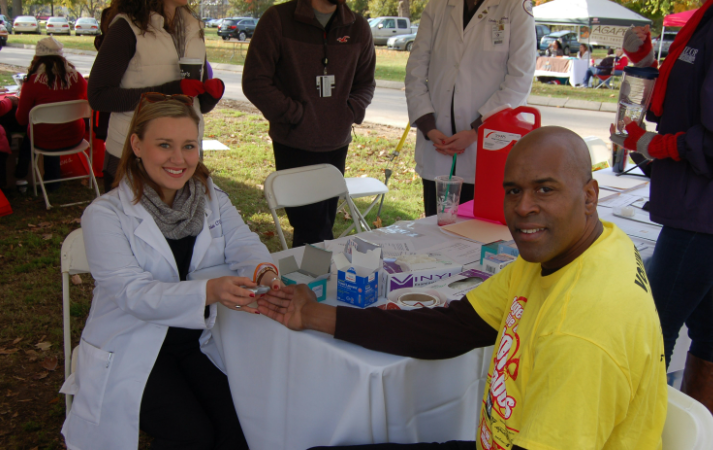
Additionally, healthcare providers can implement various strategies to promote screenings, such as community workshops, health fairs, and informational seminars. By bringing resources to the community and educating the public about the availability and importance of screening, providers can address barriers to access and encourage proactive health behaviors. Ultimately, the role of healthcare providers is paramount in shaping patient attitudes toward preventive screenings, contributing to a healthier, more informed population.
Success Stories: Impact of Early Detection
Preventive health screenings play a crucial role in identifying potential health issues before they escalate into more serious conditions. Numerous success stories exemplify the profound impact of early detection, reinforcing the importance of regular health assessments.
One compelling case involves a 45-year-old woman named Sarah, who attended a routine screening where she underwent a mammogram. During this preventive examination, doctors discovered a small tumor that was not palpable during a physical examination. Thanks to the early detection made possible by the screening, Sarah received prompt treatment, which included a lumpectomy, followed by a course of radiation therapy. Today, Sarah is cancer-free and advocates for the importance of regular screenings, inspiring others to prioritize their health.
In another instance, John, a 50-year-old man, participated in a preventive health check that included a blood test. His results revealed elevated cholesterol levels, prompting further investigation and lifestyle modifications. After making dietary changes and incorporating regular exercise, John was able to lower his cholesterol significantly, averting potential heart disease. His story emphasizes how preventive measures not only detect potential issues but also empower individuals to take charge of their health.
These anecdotes highlight a critical message: early detection can lead to successful intervention and improve long-term outcomes. Whether it involves screening for cancer, heart disease, or other conditions, the act of undergoing preventive health screenings can significantly alter an individual’s health trajectory. As these examples illustrate, taking the initiative to engage in preventive care can be a life-saving decision, fostering a culture of health awareness and proactive wellness.
Tips for Staying On Track with Screenings
Maintaining a consistent routine for preventive health screenings is essential for early diagnosis and overall well-being. To effectively manage your health screenings, consider implementing a few organizational strategies that can simplify the process.
One practical approach is to create a personal health calendar. This can be a physical calendar or a digital one, such as a mobile app or an online platform. Mark the dates of your screenings clearly, and include reminders for when it is time to schedule your next appointments. By visualizing your health commitments, you can keep track of what needs to be done and when.
Setting up reminders on your devices can also be incredibly beneficial. Most smartphones and computers have calendar applications that allow you to set alerts. For instance, you can schedule a reminder a month before a screening is due to ensure that you have ample time to make arrangements. This proactive approach not only prevents appointments from being missed but also encourages regular health checks.
Utilizing technology can further enhance your ability to stay on track. Many healthcare providers now offer patient portals that allow you to view your health records, upcoming appointments, and recommended screenings. Engaging with these digital tools can help you remain informed about your health status and the importance of timely screenings. Additionally, consider using apps that specifically track health metrics and screening schedules, which can serve as constant motivators to follow through.
Lastly, involve your family and friends in the process. Encouragement from loved ones can help create a collective awareness about the significance of preventive health screenings. Shared accountability may increase the likelihood that both you and your support network will prioritize consistent health check-ups.
Conclusion: Taking Charge of Your Health
In today’s fast-paced world, the importance of preventive health screenings cannot be overstated. These screenings are vital tools that empower individuals to take proactive steps in their healthcare journey. By identifying potential health issues before they escalate, preventive screenings can significantly improve health outcomes and contribute to a longer, healthier life.
Regular screenings not only aid in early detection but also serve to educate individuals about their health risks, guiding them on how to make informed decisions about their lifestyle choices. From routine blood tests to cancer screenings, each check-up plays a crucial role in maintaining overall well-being. Furthermore, these appointments foster a relationship with healthcare providers, facilitating discussions that may uncover underlying health concerns or familial predispositions.
It is essential to recognize that preventive health measures do not only benefit individual patients but can also alleviate the burden on the healthcare system by reducing the incidence of advanced diseases. In that sense, taking charge of your health by participating in regular screenings reflects a commitment not just to oneself, but also to the community. The ripple effect of one person’s proactive choices can lead to significant positive impacts on public health.
In conclusion, making preventive health screenings a priority is a critical component in the pursuit of a healthier and more fulfilling life. By taking these steps and incorporating them into one’s routine, individuals can enhance their quality of life while also safeguarding their long-term health. Therefore, prioritize your health and schedule your preventive screenings today. Your future self will be grateful.