


In 2026, staying healthy is less about reacting to problems and more about catching them early. That mindset lines up with guidance from groups like the World Health Organization and the American Heart Association. Life today makes that shift necessary. Sitting more than you move, rising stress, and constant screen time all pile up quietly in the background.
The good news is that prevention still comes down to simple habits that fit into normal routines. Here are the preventive health steps that matter most.
1. Make regular check-ups part of your routine
Routine check-ups are one of the easiest ways to spot health issues early. Blood pressure is a good example. It can climb into risky territory without any warning signs, which is why many people only discover it after complications start showing up.
Health guidelines from the U.S. Preventive Services Task Force recommend regular blood pressure checks, cholesterol testing every few years for most adults, and diabetes screening based on age and risk factors.
Annual physicals help set a baseline so changes are easier to spot over time. Blood pressure checks once a year are a simple habit that can catch problems early. Cholesterol testing usually happens every 4 to 6 years, though doctors may adjust that depending on your health profile.
Blood sugar checks help identify early signs of diabetes before symptoms appear. Cancer screenings, including colorectal checks, are generally recommended starting around age 45.
Timing matters here. Most conditions are easier to manage when they are found early instead of after they escalate.
2. Take charge of your heart health
Heart disease remains the top cause of death worldwide, responsible for roughly one in three deaths according to the WHO. It also tends to show up earlier in men, which makes daily habits especially important.
Heart health responds directly to what you do on a normal day, not just occasional effort. Movement is a big factor. Around 150 minutes of moderate exercise per week, such as brisk walking or cycling, is the standard recommendation from major health organizations.
Food choices matter just as much. Meals built around vegetables, fruits, lean proteins, and whole grains support better long-term heart function. Heavily processed foods, excess sugar, and high sodium intake tend to raise risk over time.
Lifestyle habits stack up. Smoking is one of the strongest risk factors for heart disease and should be avoided completely. Alcohol intake is best kept moderate or minimal depending on personal health. Even simple habits like standing up and moving every hour during long sitting periods can improve circulation.
A daily walk is often enough to support long-term heart health. It helps blood pressure, improves energy, and keeps the routine realistic.
3. Stay aware of prostate health
Prostate health becomes more relevant with age, especially after 40. It is also something many men tend to ignore until symptoms appear.
Screening conversations often revolve around the prostate-specific antigen (PSA) test. The American Cancer Society recommends discussing PSA screening with a doctor, typically around age 50 for average-risk men, or earlier when family history increases risk.
Family history plays a major role. Knowing whether prostate or related cancers run in your family helps guide when to start conversations with a healthcare provider. PSA testing decisions are not automatic, so it helps to talk through risks instead of guessing.
Physical changes also matter. Shifts in urination patterns, discomfort, or reduced flow should not be dismissed. Persistent pelvic or lower back pain is also worth checking if it continues over time. The goal is simple awareness. It gives more control over decisions later on.
4. Manage stress before it builds up
Stress affects more than mood. Over time, it can influence sleep, weight, immunity, and heart health. The American Psychological Association has consistently linked long-term stress to several physical health risks.
Global data from the WHO estimates that about 1 in 8 people live with a mental health condition. That makes stress management a practical health habit, not just a personal wellness idea.
Sleep is one of the strongest tools here, with most adults needing 7 to 9 hours per night based on recommendations from the American Academy of Sleep Medicine. Without enough rest, stress builds faster and recovery slows down.
Movement helps regulate stress levels, too. Even light activity like walking or stretching can reduce tension and improve focus. Short breaks during the day also help reset mental fatigue, especially for people spending long hours in front of screens.
Simple breathing exercises or a few minutes of quiet can help lower stress in real time. Social connection matters as well. Regular time with friends or family helps balance pressure from work and daily responsibilities.
Digital habits can also affect mental load. Even everyday online environments tied to entertainment or betting ecosystems, such as online betting platforms, can increase distraction or stress when consumed too often. Giving ‘What is sportbet.one?’ a quick search can help you learn more about how these platforms work, which can then allow you to keep your hobby under control.
5. Build habits that stick over time
Most health plans fail because they start too big. Behavioral research consistently shows that smaller habits are easier to maintain and more effective long-term.
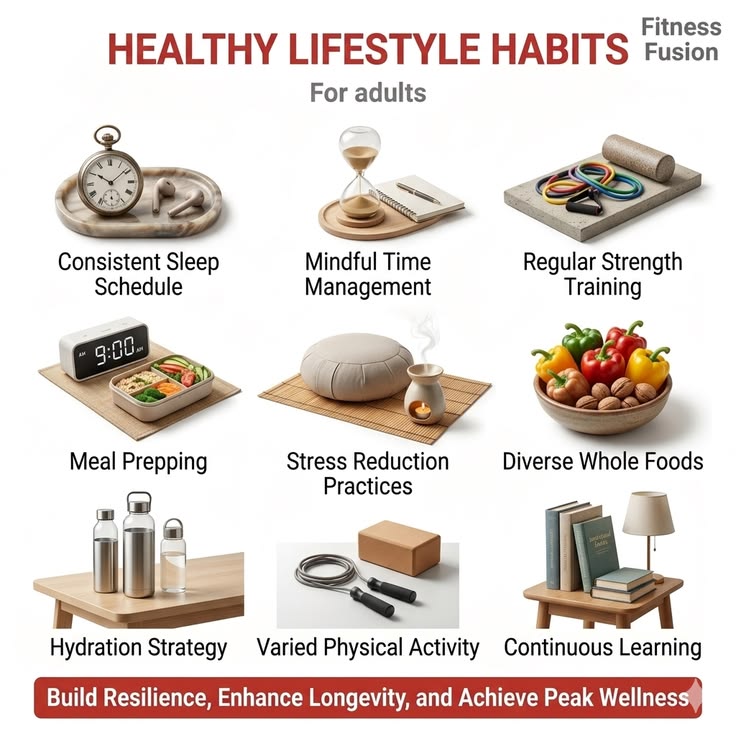
Health improvement comes from repetition. A short daily walk, a consistent sleep schedule, or one better meal each day builds more impact over time than short bursts of effort.
Linking habits to existing routines also helps. Stretching after brushing teeth or walking after dinner reduces the effort needed to remember.
Tracking progress weekly works better than focusing on daily perfection. It keeps things steady without pressure. Adjusting routines when life changes helps maintain consistency instead of restarting from zero. Small actions done consistently always outperform big plans that do not last.
Final thoughts
Preventive health in 2026 is about consistency with the basics. Regular check-ups, heart-friendly habits, prostate awareness, stress control, and steady routines all work together to support long-term health.
None of it requires a major lifestyle overhaul. It just needs repetition that fits into real life. Start small, stay steady, and let consistency do the work over time.