


Introduction to Environmental Factors
Environmental factors encompass a wide range of elements that can influence human health and well-being. These factors can be defined as any external conditions or influences that affect the biological, psychosocial, and physical environments in which individuals live. They include, but are not limited to, air quality, water quality, soil health, climate conditions, and urban design. Each of these categories contributes uniquely to the overall health landscape of populations.
Air quality is a critical environmental factor affecting human respiratory health and overall quality of life. Exposure to pollutants and allergens, such as particulate matter and volatile organic compounds, can lead to chronic health issues, including asthma and lung cancer. Similarly, water quality is essential for maintaining health as contaminants in drinking supply can result in a multitude of diseases. Safe drinking water not only prevents infections but also ensures proper hydration and nutrient absorption necessary for physiological function.
Soil health plays a vital role as well, as it affects food quality and agricultural productivity. Healthy soil supports the growth of nutritious crops while contaminated soil can introduce harmful substances into the food chain, thus impacting human health. Climate, another crucial factor, influences the prevalence of certain diseases, affects resources availability, and can exacerbate health issues related to heat, nutrition, and safety.
Urban design and built environments impact public health through access to services, green spaces, and recreational areas. Furthermore, the design of urban areas can influence lifestyle choices, such as physical activity levels, thereby affecting mental and physical health outcomes. Understanding the interconnections among these environmental factors is key to addressing public health issues comprehensively and effectively.
Air Quality and Respiratory Health
The quality of the air we breathe plays a crucial role in determining the health of our respiratory systems. Poor air quality is associated with a range of respiratory diseases, including asthma, bronchitis, and other forms of chronic obstructive pulmonary disease (COPD). Various pollutants, both indoor and outdoor, have been studied for their impact on respiratory health. Common outdoor pollutants include particulate matter (PM), ozone (O3), nitrogen dioxide (NO2), and sulfur dioxide (SO2). These pollutants predominantly originate from vehicular emissions, industrial activities, and natural sources like wildfires. Indoor air quality can be adversely affected by tobacco smoke, household cleaners, and mold, which also pose risks to respiratory well-being.
Particulate matter, especially the fine particles known as PM2.5, can infiltrate deep into the lungs and enter the bloodstream, leading to both respiratory and cardiovascular problems. Ozone, a secondary pollutant formed by the reaction of sunlight with pollutants from vehicles and industries, can exacerbate conditions such as asthma. Furthermore, individuals living in urban areas are often more exposed to high levels of these pollutants compared to those in rural regions, posing demographic differences in susceptibility to respiratory diseases.
Other factors influencing susceptibility include age, gender, socioeconomic status, and pre-existing health conditions. Children, the elderly, and those with a history of respiratory disorders are particularly vulnerable. Various studies have shown that lower socioeconomic status is linked to increased exposure to air pollution and poorer health outcomes. Addressing air quality issues requires a multifaceted approach, including stricter regulations on emissions, public awareness campaigns, and promoting cleaner energy sources to mitigate these health impacts and improve overall respiratory health.
Water Quality and Its Effects on Health
Access to clean and safe drinking water is fundamental for maintaining optimal health. However, when water sources become contaminated, the risk of various health issues significantly increases. Water quality can be compromised by both microbial and chemical contaminants, each posing serious threats to human health. Understanding these contaminants and their sources is crucial to mitigating their effects on our well-being.
Microbial contaminants, such as bacteria, viruses, and parasites, often originate from fecal pollution. Sources include inadequate sanitation facilities, agricultural runoff, and sewage discharges. These pathogens can lead to gastrointestinal illnesses, characterized by symptoms including diarrhea, vomiting, and abdominal pain. Vulnerable populations, particularly children and the elderly, face heightened risks of severe dehydration and complications from such infections.
On the other hand, chemical contaminants, which can include heavy metals, pesticides, and industrial waste, are another critical concern. Heavy metals like lead and mercury can enter the water supply through leaching from pipes or industrial processes. Exposure to these toxic substances can result in long-term health effects, such as developmental disorders, neurological impairments, and chronic diseases. Pesticides may infiltrate water systems through agricultural runoff, posing risks of endocrine disruption and other systemic health issues.
The health outcomes associated with poor water quality underscore the importance of vigilant monitoring and regulatory measures. Ensuring access to safe drinking water is not just a matter of convenience; it is pivotal for safeguarding public health. Communities must be proactive in addressing contamination sources, reinforcing the infrastructure designed to protect our water resources, and advocating for policies that prioritize clean water access for all.
Soil Health and Food Safety
The intricate relationship between soil health and food safety plays a pivotal role in sustainable agriculture and overall human health. Healthy soil acts as the foundation for robust agricultural practices, enabling the growth of nutrient-rich crops. However, when soil becomes contaminated through industrial activities, improper waste disposal, or excessive pesticide use, the implications for food safety become dire.
Soil contamination can lead to the accumulation of harmful pathogens and heavy metals, which have serious consequences for food supply chains. For instance, pathogens such as E. coli or Salmonella can proliferate in contaminated soil, leading to foodborne illnesses when crops are consumed raw or inadequately cooked. Heavy metals, including lead and arsenic, can be absorbed by plants, entering the food chain and posing long-term health risks to consumers. The ingestion of these contaminants can result in a range of health issues, from acute illnesses to chronic conditions affecting vital organs.
Moreover, the use of pesticides in agricultural practices further complicates the issue of soil health. While pesticides can effectively control pests and promote crop yield, their overuse can degrade soil microbiomes, leading to decreased biodiversity and soil fertility. This degradation not only compromises the health of the soil but also increases the likelihood of chemical residues remaining on food products. Such residues can have detrimental effects on human health, inspiring growing consumer concerns regarding food safety.
Overall, it is essential to recognize the importance of maintaining soil health to ensure the safety and quality of our food supply. Sustainable agricultural practices, including organic farming and crop rotation, can help mitigate soil contamination and enhance food safety. By prioritizing soil health, we can protect both our crops and the individuals consuming them, fostering a healthier population and environment.
Climate Change and Health Risks
Climate change has emerged as a critical global issue with profound implications for human health. As global temperatures continue to rise due to greenhouse gas emissions, a range of heat-related illnesses is becoming increasingly prevalent. Prolonged exposure to extreme heat can lead to heat exhaustion and heatstroke, particularly among vulnerable populations such as the elderly and those with pre-existing health conditions. The prevalence of these illnesses is exacerbated by urban heat islands and reduced access to cooling resources.
In addition to heat-related health risks, climate change significantly influences the distribution and frequency of vector-borne diseases. For instance, rising temperatures can expand the habitats of disease-carrying insects such as mosquitoes and ticks, facilitating the spread of diseases like malaria and Lyme disease. As climates become warmer and wetter, the seasonality of these diseases may also extend, leaving populations more susceptible throughout the year rather than during limited transmission periods.
Furthermore, the psychological effects of climate change cannot be overlooked. Natural disasters linked to climate change, such as hurricanes, floods, and wildfires, can lead to significant mental health issues, including anxiety, depression, and post-traumatic stress disorder (PTSD). Communities often face increased stress and uncertainty about future environmental conditions, compounding the mental health burden. It is essential to recognize that the health implications of climate change are multifaceted, influencing physical, environmental, and mental health simultaneously.
Overall, the interplay between climate change and health risks has profound implications for public health. Understanding these connections is crucial for developing effective strategies to mitigate the adverse effects and enhance resilience in affected communities.
Urban Design and Mental Wellness
Urban environments have a significant influence on mental health, shaping not only the physical landscape but also the psychological well-being of their inhabitants. One of the key components in urban design that positively affects mental wellness is the integration of green spaces. Parks, gardens, and natural surroundings offer residents a much-needed respite from the often overwhelming pace and complexity of urban life. Studies have shown that exposure to green spaces can reduce stress, enhance mood, and promote overall emotional resilience. The presence of these natural environments encourages physical activity, fosters social interactions, and improves cognitive functioning, all of which are crucial for mental health.
Noise pollution, another prevalent aspect of urban settings, undermines mental health by contributing to stress and reducing the quality of life. Continuous exposure to loud environments can lead to anxiety, sleep disturbances, and even long-term psychological issues. Thus, effective urban planning strategies must address this by implementing regulations that control sound levels in residential areas and designing quieter spaces that promote tranquility.
Social connectivity, an essential element of mental wellness, is heavily influenced by urban design as well. Well-planned neighborhoods facilitate interactions among residents, fostering a sense of community that can alleviate feelings of isolation and loneliness. Urban planners can encourage social connections by designing mixed-use developments that blend residential, commercial, and recreational spaces, ensuring that individuals have access to services and activities within their local area. Furthermore, creating pedestrian-friendly environments enhances social interactions and promotes mental wellness.
In conclusion, the correlation between urban design and mental health is evident. By prioritizing green spaces, mitigating noise pollution, and fostering community connections, urban planners can enhance the mental well-being of residents, ultimately leading to healthier, happier populations.
Vulnerable Populations and Environmental Health
Environmental health is a key aspect of public health, yet it disproportionately impacts certain populations, including children, the elderly, and low-income communities. These groups often face a heightened risk of exposure to environmental hazards such as air pollution, contaminated water, and hazardous waste, which can lead to significant health disparities.
Children are particularly vulnerable due to their developing bodies and behaviors. They tend to spend more time outdoors and have higher respiratory rates, making them more susceptible to pollutants. The consequences of environmental exposure during these formative years can lead to chronic health issues, including asthma and developmental disorders. Similarly, the elderly population experiences an increased sensitivity to environmental toxins, exacerbating pre-existing health conditions and leading to a decline in their overall health status.
Low-income communities often bear the brunt of environmental challenges. These groups may reside in areas with higher concentrations of industrial activities and limited access to clean air and water. Socioeconomic factors such as limited access to healthcare, inadequate housing conditions, and fewer resources for mitigation can further exacerbate health risks associated with environmental hazards. Consequently, individuals from these communities may experience higher rates of diseases linked to environmental factors, including cardiovascular diseases and respiratory illnesses.
Additionally, the intersection of race and income often intensifies these vulnerabilities. Marginalized groups frequently find themselves facing multiple stressors, including systemic inequities and a lack of social support. As a result, interventions targeting environmental health must account for these overlapping factors and prioritize the needs of vulnerable populations in order to reduce health disparities and promote equitable health outcomes.
Policy and Advocacy for Environmental Health
The intersection of policy, advocacy, and environmental health plays a crucial role in addressing the various health concerns attributed to environmental factors. Policymakers and community advocates have increasingly recognized the profound impact that environmental issues can have on public health, leading to the implementation of significant initiatives aimed at mitigating these effects.
One of the prominent legislative frameworks that has influenced environmental health is the Clean Air Act in the United States. This act has set comprehensive national standards for air quality, resulting in substantial improvements in air pollution control over the decades. Such legislation outlines the responsibilities of various stakeholders, including industries and governmental bodies, to adhere to health-based air quality standards, which has demonstrably reduced respiratory ailments among the affected populations.
In addition to national policies, local community actions have also spurred positive changes. Grassroots organizations often champion environmental justice, advocating for changes that address health disparities caused by environmental hazards, particularly in underserved communities. Initiatives such as community clean-up days, educational workshops on pollution prevention, and local sustainability programs not only raise awareness but empower citizens to take charge of their health.
Furthermore, the integration of advocacy efforts with scientific research has yielded powerful tools for policymaking. Programs that collaborate with universities and research institutions provide data that support the necessity of stringent regulations for hazardous waste management and chemical safety. This evidence-based approach enhances the effectiveness of advocacy campaigns, fostering public support for stronger environmental policies.
While significant strides have been made, continuous advocacy for environmental health remains essential. Both legislators and community members must engage collaboratively to ensure that policies remain responsive to the emerging challenges posed by environmental factors. Ultimately, the commitment to improving environmental health policies reinforces a collective responsibility to safeguard the health of current and future generations.
Conclusion and Call to Action
Throughout this discussion on the impact of environmental factors on human health, we have delved into the intricate relationship that binds the health of our planet to our well-being. Key points include the influence of air and water quality on physical health, the role of climate change in exacerbating diseases, and the significance of sustainable practices in mitigating these effects. It is clear that the environment plays a crucial role in shaping not only public health but also individual outcomes.
The interdependence of human health and environmental conditions necessitates a collective effort to foster a healthier future. Individuals can take responsibility by making informed choices that support both personal well-being and environmental sustainability. Simple actions, such as reducing waste, conserving energy, and advocating for cleaner air and water, can collectively yield significant impacts.
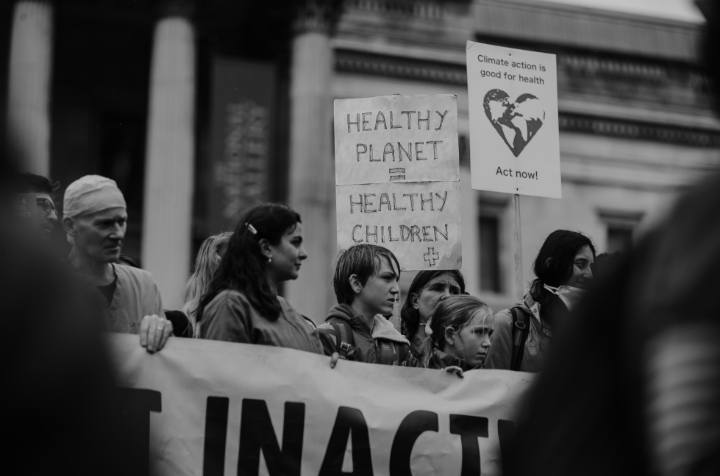
Moreover, advocacy plays a vital role in driving policy changes that protect environmental and public health. Engaging with local government and community organizations can amplify efforts to promote policies that address pollution, protect natural ecosystems, and enhance public health infrastructure.
Ultimately, every small action contributes to a larger narrative of health and sustainability. By participating in community clean-up efforts, supporting local initiatives focused on renewable energy, and educating others about environmental health issues, individuals can effect genuine change. Moving forward, it is imperative for us to prioritize both our health and our environment.In conclusion, let us commit to being conscientious stewards of our planet and advocates for health. Together, we can drive the necessary changes needed to protect our health and the health of future generations.