
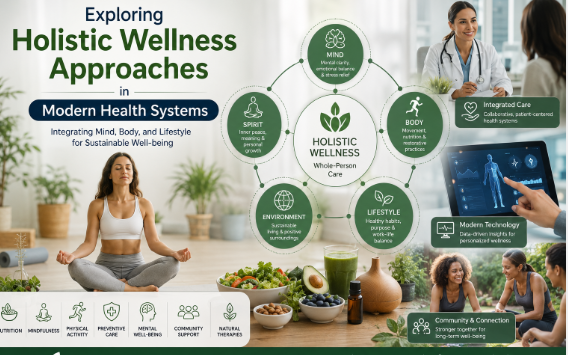


Introduction to Holistic Wellness
Holistic wellness is an integrative approach to health that emphasizes the importance of treating individuals as a whole rather than addressing isolated symptoms. This philosophy posits that true health encompasses not only physical well-being but also mental, emotional, and spiritual dimensions of a person’s life. In contemporary health systems, which often focus predominantly on physical ailments, the principles of holistic wellness serve as a crucial reminder of the interconnectedness of various aspects of human health.
At its core, holistic wellness advocates for a comprehensive view of health, where each component—be it physical fitness, emotional resilience, mental clarity, or spiritual fulfillment—plays an integral role in overall well-being. This perspective encourages healthcare providers to consider all factors affecting patient health, such as lifestyle choices, environmental influences, and psychological conditions. By recognizing and addressing the multifaceted nature of health, holistic approaches can lead to more effective and sustainable health outcomes.
The relevance of holistic wellness in modern health systems has grown increasingly paramount, as individuals seek care that aligns with their values and enhances their overall quality of life. With the rise of chronic diseases and mental health issues, a shift towards holistic practices can provide comprehensive solutions that meet the diverse needs of patients. Interventions may include a combination of conventional medicine, lifestyle modifications, alternative therapies, and emotional support, all working synergistically to foster wellness.
In conclusion, the principles of holistic wellness offer a valuable framework for understanding health in a broader context. By treating patients as whole beings and addressing various dimensions of their lives, healthcare providers can facilitate a more profound healing process, leading to improved outcomes in today’s complex health landscape.
The Shift Towards Holistic Approaches in Healthcare
In recent years, the healthcare landscape has undergone significant transformation, reflecting an increasing recognition of holistic methodologies in the treatment of patients. Traditionally, medical practices have tended to focus predominantly on the physical aspects of health, often neglecting the mental, emotional, and social dimensions. However, there is a growing acknowledgment that health is a multifaceted concept that requires a more comprehensive approach. This shift is largely driven by patient demand for care that not only addresses acute medical issues but also considers overall well-being.
The limitations of conventional medical practices have become more apparent with advancements in medical research and an evolving understanding of disease and health. For instance, patients frequently report dissatisfaction when their treatment plans do not take into account the psychological and emotional factors influencing their health. Consequently, many are seeking alternatives that incorporate holistic principles, leading to the integration of complementary therapies alongside standard medical interventions. This trend highlights a profound shift in patient expectations and a desire for a more personalized and empathetic healthcare experience.
Furthermore, the rise of chronic diseases in modern societies has also played a crucial role in this transition towards holistic care. As individuals grapple with long-term health issues, they are increasingly inclined to seek treatment strategies that address not just the symptoms of their conditions, but also the underlying causes. Holistic approaches promote wellness by encouraging lifestyle changes, preventive measures, and support for mental health, thereby aligning more closely with patients’ overall health goals. As healthcare systems adapt to these shifting dynamics, the integration of holistic methodologies shows promise in enhancing the efficacy and satisfaction of patient care.
Core Principles of Holistic Wellness
Holistic wellness is an integrative approach to health that emphasizes the interconnectedness of the body, mind, and spirit. The foundation of this philosophy is built upon several core principles, each playing a critical role in fostering a state of overall well-being.
The first principle is prevention, which underscores the necessity of proactively maintaining health rather than merely treating ailments as they arise. This forward-thinking approach involves regular health screenings, nutritious dietary habits, and active engagement in physical activities. By prioritizing prevention, individuals can enhance their resilience against illnesses and promote longevity.
Education stands as another key component. It empowers individuals by providing them with the knowledge to make informed health choices. Workshops, health seminars, and personal coaching sessions can foster a deeper understanding of one’s health, thus encouraging proactive measures. Increased awareness around holistic health options helps individuals understand how lifestyle choices affect their overall well-being.
Balance is crucial within the framework of holistic wellness. It encompasses the need for equilibrium in various life aspects, such as work, relationships, and personal time. Achieving balance helps individuals manage stress effectively and nurtures mental health. This principle reminds individuals to not only focus on physical health but also on emotional and spiritual fulfillment.
Lastly, self-care is a fundamental principle, stressing the importance of taking intentional time for oneself. This may include activities that promote relaxation, mindfulness, and personal enrichment which contribute to mental and emotional health. Self-care practices, ranging from meditation to recreational hobbies, are vital in maintaining a holistic view of wellness.
In aligning with these core principles, holistic wellness encourages a comprehensive path toward health, addressing multiple dimensions of individual well-being that ultimately lead to a balanced lifestyle.
Integrative vs. Complementary and Alternative Medicine
The terms integrative medicine and complementary and alternative medicine (CAM) are often used interchangeably, yet they represent distinct approaches within the realm of holistic wellness. Integrative medicine refers to a holistic approach that combines conventional medical treatments with evidence-based alternative therapies. This model aims to address not only the physical symptoms of a patient but also their emotional and spiritual well-being. Practitioners of integrative medicine may incorporate a variety of therapies such as acupuncture, yoga, and nutritional counseling alongside traditional pharmaceuticals and surgical interventions.
On the other hand, complementary and alternative medicine encompasses a broader range of therapies that are not typically part of standard medical education or practice. This can include practices such as herbal medicine, homeopathy, and energy healing. While some of these therapies may have shown promise in addressing specific health challenges, they often lack the rigorous scientific validation that integrative methods uphold. It is important to note that CAM can be used in conjunction with conventional treatments; however, it may not always be supported by empirical research, which can raise questions regarding efficacy and safety.
Examples of therapies falling within the holistic wellness spectrum include mindfulness meditation, which has been shown to reduce stress and improve mental health, and chiropractic adjustments for musculoskeletal issues. By integrating these therapies into traditional health systems, patients often experience enhanced treatment outcomes, as this multifaceted approach encourages a more comprehensive understanding of health. Ultimately, the ongoing dialogue surrounding integrative and complementary approaches emphasizes the importance of patient-centered care in modern health systems, laying a foundation for more adaptable and inclusive medical practices.
The Role of Mental and Emotional Health in Holistic Wellness
In contemporary health systems, mental and emotional health are increasingly recognized as pivotal components of holistic wellness. This integration is founded on the understanding that mental well-being significantly influences physical health and overall quality of life. When an individual experiences emotional distress, it can manifest physically, leading to various health issues, including chronic pain, cardiovascular problems, and weakened immune function. Conversely, maintaining mental resilience often promotes physical vitality, emphasizing the interconnectedness of these domains within holistic approaches.
Mindfulness therapies play a critical role in fostering mental and emotional health. By focusing on the present moment and cultivating awareness of one’s thoughts and feelings without judgment, mindfulness can reduce stress and anxiety. This practice not only enhances emotional regulation but also encourages individuals to develop a more compassionate relationship with themselves, thereby nurturing their mental health. Furthermore, various forms of counseling, such as cognitive behavioral therapy and person-centered therapy, offer invaluable resources for individuals seeking to understand and address their emotional challenges within a supportive framework.
Additionally, emotional support systems, encompassing friends, family, and community connections, are vital in bolstering mental health. These social support networks facilitate emotional resilience, provide encouragement, and alleviate feelings of isolation, promoting a healthier mental state. Recognizing the importance of interpersonal relationships in one’s wellness journey reinforces the idea that holistic health is not solely a solitary endeavor but often requires community engagement and connection.
Ultimately, the inclusion of mental and emotional health in holistic wellness frameworks enhances individual empowerment and personal growth. By adopting therapies such as mindfulness and fostering supportive relationships, individuals can achieve a more balanced and healthy lifestyle, illustrating the integral nature of these facets within the broader context of health.
Evidence-Based Practices in Holistic Wellness
The integration of holistic wellness approaches into modern health systems has gained traction, with various evidence-based practices accumulating scientific backing. In particular, modalities such as yoga, acupuncture, and nutritional interventions demonstrate a growing body of research evidencing their efficacy in promoting well-being and managing health conditions.
Yoga, for instance, has been the subject of numerous studies that highlight its benefits in managing chronic pain, reducing stress, and improving overall mental health. For example, a meta-analysis published in the Journal of Pain revealed that consistent yoga practice significantly alleviates pain symptoms in individuals suffering from conditions like arthritis and lower back pain. Similarly, a study conducted by researchers at Harvard University suggested that yoga can enhance emotional regulation and decrease symptoms of anxiety and depression.
Acupuncture, rooted in Traditional Chinese Medicine, has also garnered attention in the scientific community. Clinical trials have indicated its effectiveness in pain management and stress reduction. A comprehensive review published in The Cochrane Library found that acupuncture can be beneficial for patients with chronic migraines and tension-type headaches, showcasing its potential as a safe adjunct therapy in conventional pain alleviation strategies.
Nutritional interventions represent another critical facet of holistic wellness. Research emphasizes the significance of dietary patterns on chronic disease management. The Mediterranean diet, for example, has been linked to reduced risks of heart disease and improved cognitive function. A longitudinal study published in the American Journal of Clinical Nutrition highlighted that participants adhering to this diet showed significant improvements in cardiovascular health markers over time.
Overall, the amalgamation of these holistic practices is supported by a growing body of evidence suggesting that they are not only effective but can also enhance the overall quality of life for individuals. As research in this field continues to evolve, it is imperative for healthcare systems to consider these practices as integral components of comprehensive health management strategies.
Challenges in Implementing Holistic Approaches
Despite the growing recognition of holistic wellness approaches within modern healthcare systems, the path to their full integration is fraught with challenges. A primary barrier stems from institutional resistance. Many healthcare organizations have established frameworks that prioritize medical interventions over complementary therapies, resulting in a reluctance to adopt holistic methodologies. This resistance often hinders the willingness of healthcare providers to embrace a more comprehensive view of patient care, which includes psychological, social, and spiritual dimensions.
Another significant challenge is the education gap among healthcare professionals. Current medical training programs largely emphasize traditional biomedical models, leaving little room for alternative practices such as mindfulness, nutrition, or integrative therapies. As a result, many practitioners may feel ill-equipped to advocate for or implement holistic approaches, causing patients to miss out on potentially beneficial treatment options. Increasing awareness and understanding of holistic wellness principles through enhanced educational curricula is essential to bridge this gap.
Additionally, insurance coverage issues pose a formidable challenge. Most healthcare plans focus on conventional treatments, often excluding holistic services such as acupuncture, chiropractic care, or naturopathy. The lack of reimbursement for these services can deter healthcare practitioners from recommending them, as patients may be unable to afford out-of-pocket costs. This financial barrier not only limits access to holistic care but also perpetuates the perception that such treatments are secondary or less legitimate.
Furthermore, the challenge of establishing standardized practices for holistic approaches contributes to the difficulty of their acceptance within traditional healthcare settings. Without consistent guidelines and measurable outcomes, it is challenging for healthcare professionals to justify the integration of holistic therapies into patient care. Therefore, resolving these systemic issues is crucial for the successful adoption of holistic wellness approaches in modern health systems.
Future of Holistic Wellness in Health Systems
The future of holistic wellness within modern health systems appears promising as an increasing number of stakeholders recognize its value in addressing the multifaceted nature of human health. As societies aim to improve health outcomes, there is a growing shift towards integrated care models that encompass physical, mental, and emotional well-being. One significant trend is the increasing incorporation of technology in holistic wellness. Telehealth platforms facilitate easier access to wellness services by connecting patients with practitioners who specialize in aspects such as nutrition, mindfulness, and stress management. This digital transformation allows for more personalized care and remote monitoring, enhancing patient engagement.
Furthermore, advancements in artificial intelligence and data analytics are expected to provide health systems with the tools necessary to develop tailored wellness programs. By leveraging big data, healthcare providers can gain insights into population health trends, enabling them to create targeted interventions that promote holistic wellness. For example, predictive modeling can help identify at-risk individuals who may benefit from preventive holistic care strategies.
Policy changes will also play a critical role in promoting holistic wellness within health systems. Governments and regulatory bodies are increasingly recognizing the need for policies that support holistic care practices. This could involve integrating holistic approaches into existing healthcare frameworks, reimbursing alternative therapies, or developing new guidelines that prioritize mental and emotional health alongside physical health.
In conclusion, the future of holistic wellness in health systems is likely to be shaped by technological innovations, policy changes, and a growing recognition of the importance of comprehensive health approaches. The ongoing evolution will empower individuals to take charge of their health through holistic practices that prioritize overall well-being.
Conclusion: Embracing a Holistic Approach to Health
As healthcare continues to evolve, the importance of integrating holistic wellness approaches within modern health systems becomes increasingly evident. A holistic approach emphasizes not only the physical aspects of health but also considers the emotional, mental, social, and spiritual components contributing to an individual’s overall well-being. This comprehensive perspective aids in addressing the complexities of health issues that patients often face.
Throughout our exploration of holistic wellness strategies, it is clear that these approaches can significantly enhance patient care. Incorporating practices such as mindfulness, nutrition, and physical activity into traditional treatment protocols allows for a more individualized and patient-centered healthcare experience. Health practitioners are encouraged to cultivate strong relationships with their patients, fostering an environment of trust that promotes openness about their health challenges and preferences.
Moreover, a holistic approach can lead to improved health outcomes. Evidence suggests that addressing emotional and psychological needs can result in better adherence to treatment plans and a reduction in overall healthcare costs. By acknowledging these dimensions of health, practitioners can support their patients in achieving not only disease management but also optimal wellness—a goal that transcends mere absence of illness.
In essence, embracing a holistic approach to health can transform patient care within modern health systems. As we move forward, integrating holistic principles into healthcare delivery will not only enhance the quality of care but will also empower individuals to take charge of their health journeys. A commitment to holistic wellness is undeniably a vital step towards a more sustainable, effective, and compassionate health system for all.