


Introduction to Personalized Nutrition
Personalized nutrition is an emerging field that emphasizes the need for tailored dietary guidance based on individual characteristics. This approach recognizes that a one-size-fits-all diet is often ineffective due to the unique physiological, genetic, and lifestyle differences among individuals. At the core of personalized nutrition is the idea that understanding your body type can lead to more informed dietary choices, ultimately enhancing health and well-being.
Current dietary recommendations frequently overlook the variability in metabolism, digestion, and nutrient requirements that differ from person to person. By adopting a personalized nutrition strategy, individuals can improve their health outcomes. Factors such as age, gender, activity level, and, importantly, body type play a vital role in determining nutritional needs. For example, individuals with a mesomorph body type may approach nutrition differently than those with an ectomorph or endomorph body type.
This nuanced perspective encourages individuals to consider how their body processes food, how it stores fat, and how it responds to various macronutrient distributions. Consequently, dietary patterns can be modified to optimize nutritional intake based on the identified body type, leading to improved metabolic function and overall wellness. Consequently, personalized nutritional strategies have gained traction in both clinical settings and wellness programs, particularly as evidence mounts regarding their effectiveness.
In conclusion, as we delve deeper into the principles of personalized nutrition, understanding the connection between body types and dietary choices will be crucial. This foundational knowledge not only empowers individuals to make better food choices but also supports the pursuit of a healthier lifestyle tailored to their unique needs.
Understanding Body Types: The Basics
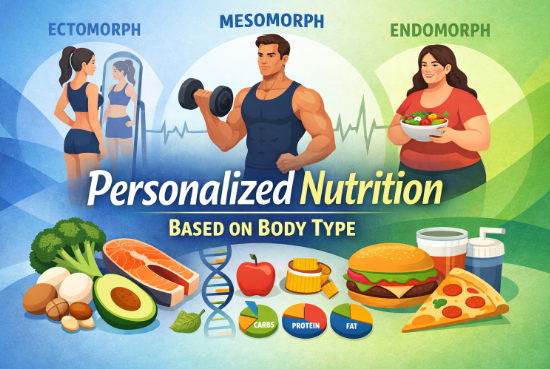
In the realm of personalized nutrition, understanding different body types is crucial. Generally, there are three primary classifications recognized—ectomorph, mesomorph, and endomorph. Each type presents distinct characteristics that influence metabolic rates, muscle composition, and overall dietary requirements.
Ectomorphs are typically characterized by a slender and elongated frame. Individuals with this body type often have narrow shoulders and hips, with minimal body fat and muscle mass. One of the defining features of ectomorphs is their generally fast metabolism, which can pose challenges when attempting to gain weight. For individuals classified as ectomorphs, nutrition strategies often focus on higher caloric intake, with an emphasis on complex carbohydrates and protein sources to promote muscle gain.
Mesomorphs possess a more athletic build, showing a natural propensity for muscle development. This body type is characterized by broad shoulders, a narrow waist, and typically higher muscle mass relative to body fat. Due to their favorable metabolism and body composition, mesomorphs can adapt easily to varied nutritional programs. A balanced diet that incorporates a combination of macronutrients—proteins, fats, and carbohydrates—suits mesomorphs well, catering to their ability to burn calories efficiently while gaining muscle.
Lastly, endomorphs tend to have rounder bodies, with wider hips and a higher percentage of body fat. This body type often faces challenges related to weight management, as endomorphs typically have slower metabolic rates. To support weight management and overall health, dietary plans for endomorphs often involve moderate carbohydrate intake, with a greater focus on protein and healthy fats to manage energy levels and body composition.
Understanding these body types and their implications can greatly assist individuals in tailoring their nutritional approach to meet their unique metabolic needs and health goals.
The Science Behind Personalized Nutrition
Personalized nutrition is fundamentally grounded in the understanding of how individual differences in body types, genetics, and metabolism can influence dietary needs and responses. Recent studies have illuminated the critical role that these factors play in how nutrients are absorbed and utilized within the body.
Metabolism, for instance, varies significantly from person to person, affecting how quickly calories are burned and how effectively nutrients are processed. Research indicates that individuals with different body compositions metabolize macronutrients—proteins, carbohydrates, and fats—differently, suggesting that a one-size-fits-all dietary approach may not be optimal. For example, individuals with a high muscle mass generally have a higher basal metabolic rate, requiring a different caloric intake than those with a higher percentage of body fat.
Additionally, nutrient absorption can vary based on genetic predispositions. Certain genetic markers have been linked to an individual’s ability to absorb key vitamins and minerals efficiently. For example, variations in the MTHFR gene can influence how well the body processes folate, which is essential for many bodily functions. This suggests that personalized nutrition can enhance nutrient intake and overall health by accommodating these genetic variations.
Moreover, tailored dietary strategies have been shown to lead to significant health improvements. A study published in a leading nutritional journal revealed that participants following personalized diets based on their genetic profile experienced greater weight loss and improved metabolic health compared to those on standard dietary regimens. This illustrates not only the efficacy of personalized approaches but also their potential to mitigate chronic diseases linked to poor dietary habits.
In conclusion, the scientific exploration of personalized nutrition underscores its importance in achieving optimal health outcomes. The interplay between metabolism, nutrient absorption, and individual differences reveals the necessity for tailored dietary choices that align with one’s unique physiological makeup.
Advantages of Tailoring Nutrition to Body Type
In recent years, the importance of personalized nutrition has gained significant attention, particularly when considering individual body types. Catering nutritional plans specifically to one’s body type can yield various advantages, which include enhanced weight management, improved physical performance, stabilized energy levels, and better mental clarity.
First and foremost, weight management becomes more effective when nutrition is tailored to body type. Different body compositions and metabolic rates influence how individuals lose or gain weight. For example, those categorized as ectomorphs may require higher calorie intake to gain weight, while endomorphs might benefit from a diet low in sugars and refined carbohydrates, facilitating fat loss and lean muscle retention. Understanding these distinctions allows individuals to develop sustainable eating habits that align with their body’s needs.
Additionally, personalized nutrition can significantly enhance physical performance. Athletes and fitness enthusiasts, in particular, can reap the benefits of a tailored diet that is attuned to their metabolism and energy utilization. Nutritional strategies tailored to specific body types help optimize recovery, increase endurance, and support overall physical health.
Furthermore, balanced energy levels are essential for daily productivity and can be achieved through customized eating plans. Different body types respond uniquely to various food groups, and choosing the right macronutrients can help maintain stable blood sugar levels, thus preventing energy crashes and sustaining focus throughout the day.
Lastly, tailored nutrition contributes to improved mental clarity. Research indicates that balanced diets rich in essential nutrients can enhance cognitive functions. By aligning dietary choices with body types, individuals can fuel their brains effectively, leading to better decision-making and overall cognitive performance.
How to Determine Your Body Type
To embark on the journey of personalized nutrition, one must first identify their body type. Understanding your body type can significantly enhance your nutritional approach, ensuring dietary choices align with physiological characteristics. There are several key methods through which individuals can accurately assess their body type.
Firstly, physical indicators play a crucial role in body type determination. Typically, there are three primary categories: ectomorph, mesomorph, and endomorph. Ectomorphs tend to have a slim build, with narrow shoulders and hips, often characterized by low body fat and difficulty gaining weight. Mesomorphs, on the other hand, naturally possess a muscular physique, having a medium build with broader shoulders and a more pronounced waist. Lastly, endomorphs usually showcase a rounder body shape, with a higher propensity for fat accumulation.
Measurements are another effective method for finding your body type. Taking careful measurements of key areas such as shoulder width, waist circumference, and hip measurements can provide deeper insight into physical characteristics. For instance, a larger waist compared to hips may indicate an endomorphic tendency, whereas a more balanced ratio might suggest mesomorphic traits.
Additionally, self-assessment questionnaires can greatly assist individuals in the identification process. These questionnaires often encompass lifestyle factors, such as activity level and exercise habits, along with physical characteristics. By answering these questions truthfully, one can receive a clearer understanding of their body type profile.
Combining these methods — physical indicators, measurements, and questionnaires — creates a comprehensive approach to determining your body type. This foundational knowledge is invaluable for tailoring personalized nutrition strategies that cater to your unique physiological makeup.
Creating a Personalized Nutrition Plan
Designing a personalized nutrition plan tailored to one’s body type requires an understanding of various factors, including macronutrient ratios, portion sizes, meal timing, and recommended food choices. Body types, commonly classified as ectomorph, mesomorph, or endomorph, greatly influence individual nutritional needs.
The first step in creating a personalized nutrition plan is to determine an appropriate macronutrient ratio. Ectomorphs, often characterized by a thin physique, typically require higher carbohydrate intake to support energy levels and muscle growth. Conversely, mesomorphs, who exhibit a muscular build, benefit from a balance of carbohydrates, proteins, and fats, possibly following a 40:30:30 ratio. Endomorphs, with a tendency to gain weight easily, may thrive on a lower carbohydrate intake, emphasizing protein and healthy fats for satiety and metabolic efficiency.
Portion sizes should also be calibrated according to body type and specific caloric needs. Ectomorphs might need to consume larger portions frequently to ensure adequate caloric intake, while endomorphs may find success with smaller, more frequent meals that keep their metabolism active without excess caloric load. Meal timing is crucial as well; strategically placing carbohydrate intake around workouts can optimize energy availability and recovery, which is particularly significant for active individuals.
Finally, recommended food choices play a vital role. Incorporating whole, nutrient-dense foods such as lean proteins, whole grains, healthy fats, and plenty of fruits and vegetables will provide the body with essential nutrients. Tailoring these choices to align with one’s body type can enhance both physical performance and overall health. By considering these elements, individuals can create a comprehensive and effective personalized nutrition plan that supports their unique physiological needs.
Common Myths about Body Types and Nutrition
In the realm of nutrition and health, various myths persist regarding body types and their influence on dietary needs. One prevalent misconception is that body types, such as ectomorphs, mesomorphs, and endomorphs, dictate specific nutritional requirements. While body composition can influence metabolic rates and how one processes nutrients, it is an oversimplification to classify dietary needs solely based on these categories. Individual differences in genetics, lifestyle, and personal health should take precedence over generalized body type classifications.
Another common myth is the belief that certain body types are inherently predisposed to specific health conditions. Although there may be trends associated with different body types, it is critical to recognize that health outcomes are influenced by a combination of factors including physical activity, dietary habits, and overall lifestyle. This perspective encourages a more holistic approach to nutrition, emphasizing the importance of personalized dietary plans over rigid adherence to body-type specific diets.
Additionally, some individuals may believe that their body type limits the types of foods they can consume. This mindset can lead to unnecessary restrictions and unhealthy eating behaviors. Instead, a balanced diet that incorporates a variety of nutrients is advisable for everyone, regardless of body type. Emphasizing moderation and nutrient diversity fosters a healthier relationship with food.
It is essential to dispel these myths to promote a more informed understanding of nutritional needs. By recognizing that body type is just one of many factors influencing health and nutrition, individuals can make better dietary choices tailored to their personal health goals and conditions. This clarity can ultimately empower individuals to navigate their nutrition with confidence.
Success Stories: Real-life Examples
Personalized nutrition has emerged as a key factor in achieving health and wellness goals for many individuals. People from diverse backgrounds have embraced tailored dietary plans designed specifically for their body types, leading to remarkable transformations. One such inspiring story is that of Sarah, a 35-year-old mother of two. After struggling with weight gain and fatigue, Sarah consulted a nutritionist who specialized in body type analysis. This professional recommended a nutrition plan that highlighted proteins and healthy fats, aligning with her individual metabolic needs. Within six months, Sarah lost 30 pounds and reported feeling more energetic and focused. Her success was greatly attributed to following a regimen that respected her body’s unique characteristics.
Similarly, John, a 42-year-old office worker, faced persistent issues like digestive problems and low energy levels. After undergoing an assessment that identified him as a category with a slower metabolism, he received a personalized nutrition plan emphasizing fiber-rich foods and complex carbohydrates. With commitment and consistency, John not only improved his digestion but also lost 15 pounds and gained muscle tone. His journey showcases how understanding one’s body type can lead to healthier living through meticulous dietary adjustments.
Another noteworthy example includes Mia, an athletic individual who was coached to enhance her performance through personalized nutrition. Recognizing her mesomorphic body type, her approach included a high-calorie diet composed of quality proteins and carbs. This targeted nutrition plan helped Mia improve her muscle recovery times and overall stamina, reflecting the effectiveness of a strategy tailored to specific body types. These real-life accounts verify the potential of personalized nutrition to empower individuals in their quest for improved health and wellness, demonstrating the profound benefits that can emerge when dietary plans resonate with one’s physical attributes.
Conclusion: The Future of Personalized Nutrition
As we move forward into an age increasingly focused on individualized health, the concept of personalized nutrition based on body type emerges as a pivotal element in dietary planning. Understanding that each individual’s body type influences their metabolic rate, nutrient requirements, and overall health leads to the necessity for tailored dietary approaches. This is not merely a trend; it signifies a shift towards recognizing the uniqueness of every human body.
Personalized nutrition allows individuals to embrace their distinct physiological characteristics and nutritional needs. By identifying their body type, individuals can make informed decisions regarding their diets, resulting in improved health outcomes. This personalized approach empowers individuals to optimize their dietary habits, enhancing not only physical well-being but also mental and emotional health. The integration of scientific advancements with personalized strategies promises a future where nutrition can be as unique as each individual.
Furthermore, the significance of personalized nutrition extends beyond mere weight management. Tailored dietary practices can lead to enhanced energy levels, better digestion, and an overall sense of vitality. As individuals adopt nutrition that aligns with their body types, they may find a renewed sense of agency over their health and lifestyle choices.
To harness the potential of personalized nutrition, it is imperative for individuals to embark on a journey of self-discovery. This includes exploring their body type, understanding their specific needs, and implementing a dietary framework that caters to those requirements. In doing so, readers are encouraged to take proactive steps towards a personalized nutrition plan that supports their long-term health goals. Embracing this tailored approach will not only foster better health but also contribute to a more profound understanding of the interconnectedness of individual biology and nutrition in contemporary life.