
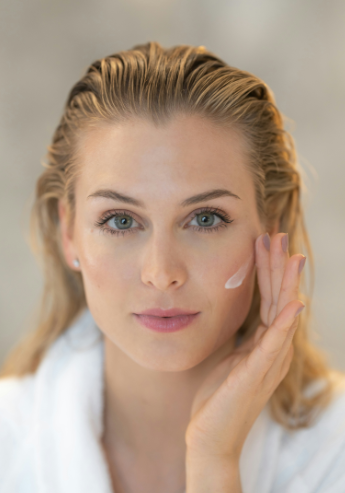


Understanding Skin Health
To comprehend the essence of skin health, it is vital to recognize the different components that contribute to its overall vitality and appearance. Healthy skin is characterized by a smooth texture, even tone, and a natural glow, indicative of its resilience and ability to function efficiently. Several factors influence skin health, and understanding these can aid in maintaining a radiant complexion.
First and foremost, genetics play a significant role in determining skin type and predisposition to certain conditions. Some individuals are genetically inclined to have dry, oily, or combination skin, which affects how they should care for their skin. Furthermore, hereditary factors can increase susceptibility to skin issues such as acne, eczema, or premature aging. Awareness of one’s genetic background is essential in tailoring a skincare regimen that addresses specific needs.
Environmental elements also have a profound impact on skin health. Exposure to pollutants, ultraviolet (UV) radiation from the sun, and extreme weather conditions can lead to various skin problems. UV rays, for instance, not only cause sunburn but also contribute to long-term damage such as wrinkles and skin cancers. Implementing protective measures such as the daily use of sunscreen and protective clothing can significantly enhance skin resilience against these adversities.
Another integral aspect of skin health is personal lifestyle habits, which encompass nutrition, hydration, and skincare routines. A diet rich in antioxidants, vitamins, and healthy fats can nourish the skin from within, while adequate hydration is crucial to maintaining skin elasticity and moisture. Additionally, a balanced skincare regimen that includes cleansing, moisturizing, and occasional treatments can prevent issues like dryness or breakouts.
Moreover, factors such as stress and hormonal changes can influence skin health. Therefore, incorporating stress reduction techniques and maintaining hormonal balance is critical to achieve and sustain healthy skin. By considering these elements—genetics, environmental exposure, and personal habits—individuals can better understand the intricacies of skin health and take proactive steps towards its enhancement.
The Connection Between Nutrition and Skin
The relationship between nutrition and skin health is profound, as what we consume directly affects our skin’s appearance and overall wellness. Essential vitamins, minerals, and other nutrients play pivotal roles in maintaining the skin’s structure, enhancing its resilience, and promoting a radiant complexion.
Vitamins such as A, C, and E are particularly significant. Vitamin A is crucial for skin cell production, helping to maintain skin integrity and prevent dryness and flakiness. This vitamin also has antioxidant properties, protecting the skin from free radical damage. Meanwhile, Vitamin C is vital for collagen synthesis, which provides structure and elasticity to the skin, thus minimizing the appearance of wrinkles and sagging. Furthermore, its antioxidant capabilities aid in combating the oxidative stress that can lead to premature aging.
Minerals such as zinc and selenium are also important for skin health. Zinc contributes to skin repair and inflammation reduction, making it essential for acne treatment and prevention. Selenium works as a powerful antioxidant that can protect the skin from sun damage and support its overall healing processes. Additionally, omega-3 fatty acids, present in foods like fish and flaxseeds, contribute to maintaining the skin’s lipid barrier, which retains moisture and keeps the skin hydrated.
Beyond vitamins and minerals, hydration plays a crucial role in skin health. Adequate water intake ensures that skin cells remain plump and elastic, reducing the likelihood of dryness and flakiness. Consuming a balanced diet rich in fruits and vegetables not only provides essential nutrients but also delivers hydration and enhances skin luminosity.
In essence, a well-rounded diet rich in essential nutrients lays the foundation for healthy, vibrant skin. By prioritizing nutrition, individuals can enhance their skin’s appearance and resilience, showcasing the undeniable connection between what we eat and how it reflects outwardly on our skin.
Hydration: The Key to Radiant Skin
Staying adequately hydrated is fundamental to maintaining healthy skin. Water plays a crucial role in skin elasticity, moisture retention, and overall appearance. When the body is well-hydrated, the skin appears plump and youthful, minimizing the visibility of fine lines and wrinkles. Conversely, dehydration can lead to dry, flaky, and dull skin, compromising its health and vibrancy.
The skin, being the body’s largest organ, requires a sufficient water supply to function optimally. Hydration facilitates various physiological processes, including the delivery of essential nutrients and the removal of toxins, both of which are vital for skin health. Additionally, water helps to maintain the natural barrier function of the skin, preventing moisture loss and external harm.
To ensure proper hydration throughout the day, consider adopting simple practices that can significantly increase your water intake. First, aim for a consistent daily fluid intake, which is typically around eight 8-ounce glasses or more, depending on individual factors such as activity level and climate. Carrying a reusable water bottle can serve as a handy reminder to drink water regularly.
Incorporating water-rich foods into your diet can also support your hydration goals. Fruits and vegetables such as cucumbers, oranges, and watermelon are excellent choices, as they contribute additional fluid to your diet while providing essential vitamins and antioxidants. Herbal teas and infused waters can also enhance your fluid intake, making hydration more enjoyable.
Moreover, it is essential to monitor hydration levels, especially during hot weather or physical activity, as these conditions can heighten fluid loss through sweat. Signs of dehydration include dryness, increased thirst, and less frequent urination. Making a conscious effort to hydrate can not only improve skin health but also enhance overall well-being.
Daily Habits for Healthy Skin
Maintaining healthy skin requires a commitment to daily habits that promote overall skin health. A consistent skincare routine is essential for achieving and retaining an optimal complexion. The fundamental aspects of this routine include cleansing, moisturizing, sun protection, and ensuring proper sleep.
Cleansing is the first crucial step in any skincare regimen. It involves removing dirt, oil, and impurities from the skin’s surface. Selecting a gentle cleanser that is suitable for your skin type is vital. For instance, those with oily skin may prefer foaming cleansers, while individuals with dry skin may benefit from cream-based options. Cleansing should be done twice a day—once in the morning and once before bedtime—to allow the skin to breathe and rejuvenate.
Following cleansing, moisturizing plays a significant role in maintaining skin hydration. A good moisturizer helps to lock in moisture and create a barrier against environmental stressors. It is essential to choose a moisturizer that fits your skin’s needs; lightweight formulas may work better for oily skin types, while thicker creams are beneficial for dry skin. Regular application can prevent dryness and flakiness, promoting a smooth appearance.
Sun protection is another critical habit for healthy skin. Exposure to UV rays can lead to premature aging and increase the risk of skin cancer. Daily application of a broad-spectrum sunscreen, even on cloudy days, is highly recommended. This protective measure should be applied generously and reapplied every two hours when outdoors, safeguarding the skin from harmful effects.
Lastly, adequate sleep is often overlooked when discussing skincare. During sleep, the body undergoes various repair processes, and the skin is no exception. Aim for seven to eight hours of quality sleep each night to allow your skin to recover and regenerate properly. Poor sleep can lead to an imbalance of hormones, which may contribute to skin issues such as acne and irritation.
In conclusion, adopting these daily habits—consistent cleansing, effective moisturizing, diligent sun protection, and sufficient sleep—can significantly enhance skin health. By integrating these practices into your routine, you foster an environment for your skin to thrive, leading to a radiant complexion over time.
Foods to Boost Your Skin’s Glow
Maintaining healthy, glowing skin is heavily influenced by our dietary choices. Certain foods are recognized for their skin-nourishing properties, which can ultimately enhance its appearance and overall health. Incorporating these foods into your diet may lead to significant benefits for your skin.
One category of foods that plays a crucial role in skin health is fruits and vegetables rich in antioxidants. Antioxidants help combat oxidative stress caused by free radicals, which can lead to skin aging and damage. Berries, such as blueberries and strawberries, are particularly packed with these beneficial compounds. These vibrant fruits not only provide essential vitamins but also support the skin’s luminosity.
In addition to fruits, leafy greens should be highlighted for their contributions to skin health. Vegetables like spinach and kale are loaded with vitamins A, C, and K, all of which are essential for maintaining skin elasticity and brightness. Vitamin C, for example, is vital for collagen production, a protein that helps keep skin firm and youthful.
Healthy fats are another vital component of a skin-friendly diet. Foods rich in omega-3 fatty acids, such as salmon, walnuts, and flaxseeds, can greatly enhance skin hydration and elasticity. These fatty acids help maintain the skin’s lipid barrier, preventing moisture loss and reducing inflammation.
Furthermore, incorporating superfoods like avocado can provide significant benefits. Avocado is not only rich in healthy fats but also in vitamins E and C, which contribute to skin repair and protection from UV damage. Similarly, nuts and seeds, especially almonds and sunflower seeds, are excellent sources of vitamin E and can promote skin health.
In summary, a balanced diet rich in fruits, vegetables, healthy fats, and superfoods can greatly improve your skin’s appearance. By consciously choosing foods high in antioxidants, vitamins, and beneficial fatty acids, one can foster a vibrant and youthful glow that reflects overall health and well-being.
The Role of Exercise in Skin Health
Exercise is an integral part of maintaining skin health, as it greatly influences various physiological processes that contribute to a radiant complexion. One of the primary benefits of regular physical activity is improved circulation. When we engage in exercises such as running, swimming, or even brisk walking, our heart rate increases, promoting better blood flow throughout the body. This enhanced circulation ensures that oxygen and essential nutrients are delivered more efficiently to skin cells, helping them to regenerate and repair.
Additionally, exercise aids in detoxification through the process of sweating. When we sweat, our bodies release toxins, impurities, and excess oils that can accumulate on the skin’s surface. This natural detoxification process can help to prevent clogged pores and reduce incidences of acne, ultimately leading to clearer skin. Furthermore, the act of sweating might promote hydration, as the moisture released can draw water back to the skin, aiding in a more supple appearance.
Another significant aspect of exercise is its positive effects on stress levels. Regular physical activity has been shown to reduce stress hormones such as cortisol, which, when elevated, can have detrimental effects on the skin, contributing to issues like breakouts and premature aging. In contrast, engaging in activities such as yoga, Pilates, or aerobic exercises can stimulate the production of endorphins, which are hormones that improve mood and promote a sense of well-being. This emotional stability is beneficial not only for overall health but also reflects positively on skin health.
Incorporating a routine that includes exercise can therefore be a holistic approach to nurturing the skin. By prioritizing physical activity, individuals can experience the combined benefits of improved circulation, enhanced detoxification, and decreased stress levels, all of which contribute to achieving healthier skin.
Managing Stress for Better Skin
The relationship between stress and skin health is a considerable area of research, particularly concerning skin conditions such as acne and eczema. Stress can trigger or exacerbate these conditions, leading to flare-ups that can affect not only the skin’s appearance but also an individual’s overall well-being. When the body is under stress, it releases hormones such as cortisol, which can lead to inflammation and increased oil production in the skin. This combination can consequently cause breakouts and worsen existing skin conditions.
To effectively manage stress and its impact on skin health, it is crucial to adopt strategies that foster relaxation and balance. Techniques for stress management can vary widely among individuals but may include practices such as meditation, yoga, deep-breathing exercises, and regular physical activity. These methods help lower cortisol levels, thereby reducing the likelihood of skin issues associated with heightened stress.
Another beneficial approach is to establish a consistent routine that incorporates self-care practices. This can include dedicating time to skincare rituals, such as cleansing and moisturizing, which not only contribute to healthier skin but also serve as a mindful practice that promotes relaxation. Furthermore, engaging in hobbies, spending time with loved ones, and ensuring adequate sleep can also play significant roles in mitigating stress.
The skin is often reflective of one’s internal health and emotional state. By focusing on reducing stress through these various techniques, individuals may notice an improvement in their skin’s appearance and overall health. Thus, managing stress is not merely about improving one’s state of mind; it serves as a holistic approach that can lead to clearer, healthier skin. Integrating stress management into daily life significantly contributes to the long-term maintenance of skin health, showcasing the intricate connection between mental well-being and the condition of the skin.
The Impact of Sleep on Skin Quality
Sleep is a critical component of overall health, playing a crucial role in the repair and rejuvenation of the skin. During sleep, the body enters its restorative phases, allowing for the regeneration of skin cells and the production of collagen. This process helps to maintain skin elasticity and reduces the appearance of fine lines and wrinkles. A lack of sleep can not only lead to fatigue but also results in various skin issues, including dullness, increased susceptibility to breakouts, and even exacerbated conditions such as eczema or psoriasis.
Improving sleep quality can have a significant positive effect on skin health. To foster better sleep, it’s essential to establish a consistent bedtime routine. Going to bed and waking up at the same time daily helps regulate the body’s internal clock, making it easier to fall asleep and stay asleep through the night. Creating a relaxing pre-sleep ritual, such as reading a book or practicing mindfulness, can further enhance the transition into sleep.
Additionally, the sleeping environment should be optimized for better rest. This includes maintaining a comfortable room temperature, ensuring the sleeping area is dark and quiet, and investing in quality bedding, such as pillows and mattresses that support good posture. Limiting exposure to screens before bedtime is also beneficial, as the blue light emitted by devices can interfere with the body’s natural sleep signals, leading to difficulties falling asleep.
Furthermore, dietary choices can play a role in sleep quality. Consuming sleep-promoting foods, such as those rich in magnesium, omega-3 fatty acids, and antioxidants, can help facilitate better sleep patterns. Staying hydrated is equally important, but it is advisable to limit fluid intake close to bedtime to minimize nighttime awakenings.
In conclusion, prioritizing sleep is essential not only for overall well-being but also for maintaining healthy, vibrant skin. Establishing a nightly routine and creating an environment conducive to sleep can significantly enhance skin quality over time. By adopting these practices, individuals can positively impact their skin health and achieve a more radiant complexion.
Building a Holistic Skin Care Plan
Creating a personalized skin care plan that takes into account both nutrition and lifestyle habits is essential for achieving long-term skin health. To begin with, it is crucial to assess your current habits related to diet, hydration, exercise, and overall skin care. Reflecting on your daily routines can provide valuable insights into areas that may require improvement.
Nutrition plays a pivotal role in skin health. Incorporating a variety of nutrient-rich foods can enhance your skin’s appearance and resilience. For instance, foods high in antioxidants, such as berries, leafy greens, and nuts, can help combat oxidative stress and promote a healthy complexion. Omega-3 fatty acids, found in fish and flaxseeds, can also support skin hydration and elasticity. Ensure that your diet includes these beneficial nutrients, as they contribute to the nourishment of your skin from the inside out.
Alongside nutrition, adopting healthy lifestyle habits is equally important. Regular exercise promotes blood circulation, which can enhance the delivery of oxygen and nutrients to the skin. It also helps in the elimination of toxins through sweat, thereby contributing to clearer skin. In addition, prioritizing sufficient sleep is vital, as it allows the body to repair and regenerate skin cells overnight. Aim to establish a balanced routine that incorporates physical activity and adequate rest.
Moreover, consider the impact of hydration on your skin. Drinking enough water throughout the day can help maintain skin moisture and elasticity. Evaluate your current fluid intake and aim to increase it if necessary. Gradual changes, such as integrating herbal teas or infusing water with fruits, can make staying hydrated more enjoyable.
Finally, as you devise your skin care plan, be patient and allow time for your skin to adjust to new habits. Implement changes gradually, whether it’s in your diet or lifestyle practices, to observe their effects on your skin health. Over time, these small adjustments can lead to significant improvements, fostering a radiant complexion and overall well-being.