
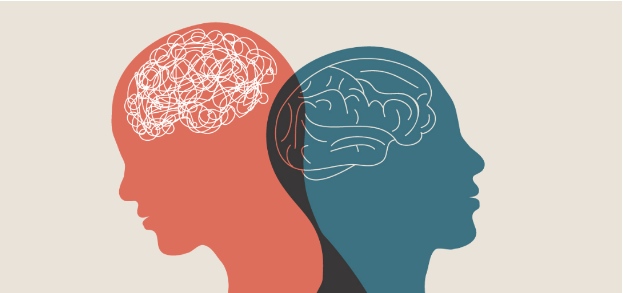


Journalism has always been one of the most demanding professions. Whether you’re covering breaking news, interviewing trauma victims, chasing sports stories across multiple time zones, or managing a constant stream of deadlines, the pressure can take a significant toll on your mental health.
The digital age has made the profession even more challenging. News cycles never stop, social media demands constant attention, and many journalists are expected to produce articles, videos, podcasts, newsletters, and social posts—all within the same workday.
While journalism can be incredibly rewarding, maintaining your mental well-being is essential if you want a long, successful, and sustainable career. Burnout doesn’t just affect your health; it also impacts your creativity, judgment, productivity, and ability to tell compelling stories.
In this guide, we’ll explore practical mental health tips that every journalist—from students to seasoned professionals—can use to stay healthy while continuing to produce quality work.
Recognize the Signs of Burnout
Many journalists don’t realize they’re burning out until it begins affecting their work.
Common warning signs include:
- Constant exhaustion
- Difficulty concentrating
- Irritability
- Lack of motivation
- Anxiety before assignments
- Trouble sleeping
- Feeling emotionally detached from stories
- Loss of enjoyment in writing or reporting
Ignoring these symptoms often makes them worse. Recognizing burnout early gives you the opportunity to make changes before it becomes overwhelming.
Set Boundaries With the News Cycle
One of the biggest challenges journalists face is feeling like they must always be connected.
Breaking news can happen at any hour, but that doesn’t mean you should spend every waking minute monitoring alerts.
Consider setting specific times to:
- Check emails
- Review social media
- Monitor breaking news
- Respond to editors
When you’re off the clock, allow yourself to disconnect whenever possible.
Your brain needs time away from constant information processing to recover.
Separate Work From Personal Life
Freelancers often work from home, making it difficult to create a distinction between work and personal time.
Simple habits can help:
- Create a dedicated workspace.
- Stop working at a consistent time each day.
- Avoid checking work messages before bed.
- Take weekends off whenever possible.
- Develop hobbies unrelated to journalism.
Maintaining separation helps prevent work from consuming every part of your life.
Take Regular Breaks
Many journalists work for hours without standing up.
Research consistently shows that short breaks improve focus and reduce stress.
Try techniques such as:
- Walking for five minutes every hour
- Stretching
- Drinking water regularly
- Looking away from your screen
- Eating lunch away from your desk
These small habits can significantly improve both productivity and mental health.
Don’t Cover Difficult Stories Alone
Crime, disasters, accidents, and human tragedy can leave lasting emotional effects.
If you’re covering emotionally difficult topics:
- Talk with editors afterward.
- Debrief with colleagues.
- Share concerns when assignments become overwhelming.
- Seek professional counseling if needed.
Many experienced journalists acknowledge that traumatic assignments stay with them for years.
Talking about those experiences is a sign of professionalism—not weakness.
Build a Support Network
Journalism can sometimes feel isolating, especially for freelancers.
Building relationships with other journalists creates opportunities to:
- Share advice
- Discuss difficult assignments
- Exchange career opportunities
- Learn new skills
- Gain emotional support
Professional organizations, online communities, and local media groups can all provide valuable connections.
Accept That You Can’t Cover Everything
Today’s news never stops.
Trying to stay informed about every story often creates unnecessary stress.
Instead:
- Focus on your beat.
- Prioritize major developments.
- Ignore unnecessary noise.
- Accept that it’s impossible to know everything.
Quality reporting matters far more than consuming every headline.
Exercise Regularly
Physical health and mental health are closely connected.
Even moderate exercise helps reduce:
- Stress
- Anxiety
- Depression
- Mental fatigue
You don’t need intense workouts.
Walking, cycling, swimming, yoga, or strength training a few times each week can improve both mood and energy levels.
Get Enough Sleep
Late-night editing sessions and early-morning interviews can quickly disrupt healthy sleep patterns.
Poor sleep affects:
- Memory
- Decision-making
- Creativity
- Interview performance
- Writing quality
Whenever possible:
- Keep a consistent bedtime.
- Limit caffeine late in the day.
- Reduce screen time before bed.
- Create a relaxing evening routine.
Good sleep is one of the most effective ways to improve resilience.
Limit Social Media Exposure
Social media is an essential reporting tool, but it can also become mentally exhausting.
Journalists frequently encounter:
- Online harassment
- Negative comments
- Graphic content
- Political arguments
- Misinformation
Consider:
- Muting toxic accounts
- Limiting scrolling sessions
- Turning off unnecessary notifications
- Using separate professional accounts
Managing your digital environment helps reduce unnecessary stress.
Keep Learning New Skills
Learning can actually reduce career-related anxiety.
Developing skills in areas like:
- AI tools
- Data journalism
- Video editing
- SEO
- Podcast production
- Photography
can increase confidence and open new career opportunities.
Continued growth also keeps work interesting and prevents stagnation.
Practice Realistic Perfectionism
Journalists often strive for perfection.
Accuracy is essential, but perfection isn’t always possible under deadline pressure.
Instead:
- Aim for accuracy first.
- Accept constructive feedback.
- Learn from mistakes.
- Continue improving.
Perfectionism can become a major source of unnecessary stress.
Remember Why You Became a Journalist
When deadlines pile up, it’s easy to lose sight of your purpose.
Take time to remember the reasons you entered journalism:
- Informing the public
- Telling meaningful stories
- Holding institutions accountable
- Covering sports you love
- Sharing inspiring human experiences
Connecting with your purpose can restore motivation during difficult periods.
Helpful Tools That Make a Journalist’s Job Easier
The right tools won’t eliminate stress entirely, but they can reduce repetitive tasks, improve organization, and free up more time for reporting.
1. Vecteezy
Finding high-quality visuals can consume hours, especially when covering breaking news, sports, entertainment, or current events.
Vecteezy offers an extensive library of licensed creative assets, including a growing collection of editorial images that can help journalists quickly locate visuals for news stories, sports games and events, public figures, landmarks, and other timely topics.
2. Grammarly
Grammarly helps identify grammar issues, awkward wording, spelling mistakes, and readability concerns before publication. It’s especially useful when working under tight deadlines.
3. Notion
Notion allows journalists to organize research, interview notes, editorial calendars, story ideas, and project workflows in one central workspace.
4. Otter.ai
Interview transcription can be time-consuming.
Otter.ai automatically transcribes interviews and meetings, making it much easier to review quotes and verify information.
5. Google Drive
Google Drive remains one of the best collaboration tools for journalists.
It allows writers and editors to share documents, archive research, and collaborate in real time from anywhere.
6. Canva
Canva enables journalists to quickly create simple graphics, charts, social media images, presentation slides, and promotional materials without advanced design experience.
Journalism will always involve pressure, deadlines, and unpredictable assignments. However, maintaining good mental health isn’t about eliminating stress entirely—it’s about building habits that help you recover, stay resilient, and continue producing meaningful work.
Taking breaks, setting boundaries, prioritizing sleep, exercising regularly, and seeking support when needed are investments in both your personal well-being and your professional future.
By pairing healthy routines with productivity tools that simplify everyday tasks—from organizing research to sourcing editorial images—you can reduce unnecessary stress and focus more of your energy on what matters most: telling accurate, impactful stories that inform and engage your audience.