
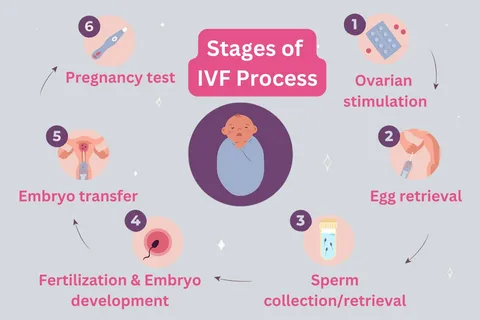


IVF works best when your body is ready for it. Most couples focus entirely on the procedure itself, the injections, the egg retrieval, and the transfer, and forget that the months leading up to it matter just as much. Egg quality, sperm health, hormone balance, and uterine readiness don’t change overnight. They improve gradually, over weeks of consistent effort. Couples who walk into their cycle with a well-prepared body often see better results, fewer complications, and sometimes fewer cycles overall. While many people first focus on IVF Cost when planning treatment, the smarter move is to invest those early weeks in getting your body into the best possible shape.
This guide covers exactly how to prepare for both partners in the months before an IVF cycle begins.
Why Preparation Matters
Eggs take about 90 days to mature before release. Sperm takes roughly 72 to 90 days to fully develop. That means the lifestyle choices you make over the three months before IVF directly influence the quality of the eggs and sperm used in your cycle. This 90-day window is your real opportunity.
Step 1: Get a Complete Health Check
A good IVF Centre always begins the process with a thorough health check for both partners, well before the first injection. For women, this usually means hormone panels, AMH testing, thyroid function, vitamin D, blood sugar, and a pelvic ultrasound. For men, a semen analysis is the key test. Catching a problem early, whether it’s an undiagnosed thyroid issue, low vitamin D, raised blood sugar, or a hidden infection, is far simpler than dealing with it mid-cycle. Sorting these out in advance gives the whole treatment a cleaner, stronger starting point.
Step 2: Fix Your Diet
Food is one of the most powerful tools you have. The goal is a fertility-friendly diet built around whole foods.
Focus on plenty of fresh vegetables and fruits, whole grains over refined carbs, lean protein, and healthy fats from nuts, seeds, and olive oil. Include folate-rich foods, iron sources, and antioxidant-heavy produce. For men, zinc, selenium, and antioxidants support sperm quality. Cut back sharply on processed food, sugar, trans fats, and excess caffeine. The Mediterranean-style diet has the strongest evidence behind it for fertility, and most couples find it easy to sustain.
Step 3: Reach a Healthy Weight
Weight has a direct effect on IVF outcomes. Being significantly overweight or underweight disturbs hormone balance and can lower success rates. The aim isn’t a dramatic transformation. Even a modest, steady change toward a healthier BMI in the months before treatment can improve egg quality, hormone response, and implantation chances. Crash diets, however, do more harm than good. Slow and steady wins here.
Step 4: Start the Right Supplements
Under medical guidance, certain supplements help prepare the body. Folic acid is essential and should start at least three months before conception. Vitamin D, CoQ10, and omega-3 fatty acids are commonly recommended to support egg and sperm quality. Men often benefit from antioxidant supplements. Never self-prescribe, though. Let your fertility doctor decide the right combination and doses for your specific situation.
Step 5: Cut Out the Harmful Habits
This step is non-negotiable. Smoking damages both egg and sperm quality and lowers IVF success significantly. Alcohol should be reduced sharply or stopped. Recreational drugs must be avoided entirely. Excess caffeine, more than one or two cups of coffee a day, is also worth trimming. Both partners need to commit here. Sperm health depends on it just as much as egg health.
Step 6: Manage Stress and Sleep
IVF is emotionally demanding, and chronic stress affects hormones that matter for fertility. You don’t need to eliminate stress completely, that’s unrealistic, but you do need ways to manage it. Regular moderate exercise, yoga, meditation, counselling, or simply protecting your sleep all help. Aim for seven to eight hours of quality sleep a night. Poor sleep disrupts the very hormones your cycle depends on.
Step 7: Exercise the Right Amount
Movement helps, but balance is key. Moderate activity like walking, swimming, light strength training, and yoga improves circulation, hormone balance, and stress levels. What you want to avoid is extreme, high-intensity exercise, which can actually interfere with ovulation and hormone function. Think consistently and moderately, not punishing.
Step 8: Prepare Emotionally and Practically
IVF is a journey, not a single event. Talk openly with your partner. Line up your support system. Understand the timeline, the costs, and the emotional ups and downs ahead. Couples who go in informed and aligned handle the process far better. Consider counselling if the emotional weight feels heavy. There is no shame in it, and it helps.
Conclusion
You can’t control everything about IVF, but you can control how prepared your body is when the cycle begins. The three months before treatment are a genuine opportunity to improve egg quality, sperm health, and overall readiness. Eat well. Move sensibly. Sleep properly. Drop the harmful habits. Get your health checked early. None of this guarantees success, but all of it tilts the odds in your favour.
FAQs
Q1. How long before IVF should I start preparing my body? At least three months. Eggs and sperm take roughly 90 days to mature, so that window directly affects your cycle.
Q2. Does weight really affect IVF success? Yes. Both excess weight and being underweight disturb hormones and can lower success rates. A healthier BMI improves outcomes.
Q3. Should my partner prepare too, or just me? Both partners must prepare. Sperm quality is just as important as egg quality and responds to the same lifestyle changes.
Q4. Which supplements are important before IVF? Folic acid, vitamin D, CoQ10, and omega-3 are commonly advised, but always take them under your fertility doctor’s guidance.
Q5. Can stress affect my IVF results? Chronic stress can disturb fertility hormones. Managing it through sleep, exercise, and relaxation supports a healthier cycle.