
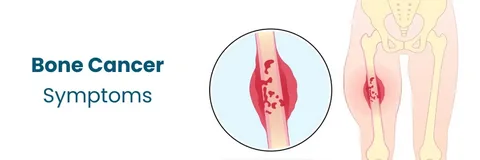


Bone pain is one of the easiest symptoms in the world to dismiss. You blame the gym. You blame your mattress. You blame age, or that long flight, or sitting wrong at your desk. Most of the time, you’re right. But occasionally, that nagging ache is the body’s first quiet signal of something far more serious. Bone cancer is rare, but when caught late, it becomes very hard to treat. Caught early, the outcomes are dramatically better. That’s why a persistent, unexplained bone symptom should prompt a visit to a Surgical Oncologist rather than another month of waiting it out.
This guide walks through the early signs of bone cancer and when it’s time to take that ache seriously.
What Is Bone Cancer
Bone cancer happens when cells in the bone start growing abnormally and form a tumour. It comes in two broad forms. Primary bone cancer starts in the bone itself, with types like osteosarcoma, Ewing’s sarcoma, and chondrosarcoma. Secondary, or metastatic, bone cancer is far more common and happens when cancer from another organ, such as the breast, lung, or prostate, spreads to the bones, which is why a specialist in Head and Neck surgery is often involved in identifying and treating certain complex tumours affecting nearby bone structures and tissues.
Primary bone cancers often affect children and young adults, while metastatic bone disease is more common in older patients. Either way, the symptoms overlap, and recognising them early changes everything.
Persistent Bone Pain
This is the most common early symptom, and the most ignored. Bone cancer pain has a particular character. It often starts as a dull ache deep in the bone. It tends to be worse at night or during rest, rather than only during activity. It doesn’t settle with ordinary painkillers the way a muscle strain would, and it slowly worsens over weeks or months instead of improving. Bone pain that’s persistent, progressive, and unexplained, especially night pain, deserves proper evaluation by a specialist.
Swelling or a Lump Over the Bone
As a bone tumour grows, it can cause visible or palpable swelling. You might notice a firm lump over a bone, often near a joint such as the knee, shoulder, or upper arm. The swelling may appear gradually and may or may not be painful to touch. Sometimes the area feels warm. Any new, persistent lump over a bone, particularly one that’s growing, should never be assumed harmless.
Unexplained Fractures
Healthy bones are strong. When cancer weakens a bone from the inside, it can break far more easily than it should. A fracture that happens after a minor fall, a small twist, or with no clear injury at all is called a pathological fracture. If a bone breaks under circumstances that shouldn’t have caused a fracture, doctors will often investigate what weakened it.
Reduced Movement and Stiffness
When a tumour develops near a joint, it can interfere with normal movement. You might notice stiffness, reduced range of motion, or difficulty using a limb the way you used to. A knee that won’t bend fully, a shoulder that feels restricted, or a limp without an obvious injury can all be worth checking when paired with pain or swelling.
General Symptoms to Watch
Bone cancer, like many cancers, can cause whole-body symptoms as it progresses. Unexplained tiredness that rest doesn’t fix. Unintended weight loss. A low-grade fever that comes and goes. Night sweats. These signs are vague on their own, but alongside persistent bone pain or swelling, they add weight to the picture.
Who Is at Higher Risk
While bone cancer can affect anyone, certain factors raise the risk. Children, teenagers, and young adults are more prone to primary bone cancers like osteosarcoma and Ewing’s sarcoma. A previous history of cancer or radiation therapy increases risk, as do genetic conditions such as hereditary retinoblastoma or Li-Fraumeni syndrome. Paget’s disease of bone in older adults is another known factor. Anyone with a prior cancer of the breast, lung, prostate, kidney, or thyroid should be alert to bone symptoms, since these cancers commonly spread to bone.
When to See a Doctor
Most bone pain is not cancer. That’s worth repeating. But certain patterns warrant prompt evaluation: bone pain lasting more than two to three weeks, pain that’s worse at night or at rest, a new lump or swelling over a bone, a fracture from a minor or absent injury, or bone symptoms in someone with a history of cancer. The usual first step is an X-ray, often followed by an MRI, CT, or bone scan, and a biopsy if needed. Catching bone cancer early often allows limb-saving surgery instead of more radical treatment.
Conclusion
Bone cancer is rare, and the vast majority of aches and pains are nothing to fear. But “rare” is not the same as “never,” and the people who do best are the ones who didn’t ignore the early signs. Pay attention to bone pain that lingers, worsens, or wakes you at night. Don’t dismiss a growing lump or an unexplained fracture. You just need to know when an ache has stopped being ordinary.
FAQs
Q1. Is all bone pain a sign of cancer? No. The vast majority of bone pain is due to injury, strain, or arthritis. Cancer-related pain is persistent, progressive, and often worse at night.
Q2. At what age is bone cancer most common? Primary bone cancers most often affect children and young adults. Metastatic bone disease is more common in older adults.
Q3. Can bone cancer be cured? Yes, especially when caught early. Many bone cancers respond well to surgery, chemotherapy, and radiation, and limb-saving surgery is often possible.
Q4. What test confirms bone cancer? Diagnosis usually begins with an X-ray, followed by an MRI, a CT, or a bone scan, and a biopsy to confirm the tumour type.
Q5. Does a fracture mean I have bone cancer? Not usually. But a fracture from a minor or no injury can indicate weakened bone, which doctors will investigate further.