


Understanding Balanced Nutrition
Balanced nutrition refers to the consumption of a variety of foods in the right proportions to provide the body with the essential nutrients it requires for optimal health. The cornerstone of balanced nutrition is the inclusion of all essential food groups: carbohydrates, proteins, fats, vitamins, and minerals. Each macronutrient and micronutrient plays a crucial role in maintaining bodily functions and overall well-being.
Carbohydrates serve as the body’s primary energy source. They are found in foods such as grains, fruits, and vegetables, and are essential for fueling physical activity and brain function. Proteins are vital for growth, repair, and maintenance of body tissues. Sources of protein include meat, dairy products, beans, and nuts. Dietary fats, which can be found in oils, fish, and avocados, are important for hormone production and cellular health. They provide concentrated energy and help absorb certain vitamins that are fat-soluble.
In addition to macronutrients, micronutrients, which encompass vitamins and minerals, are equally important for proper body function. Vitamins, such as Vitamin A, C, and D, support immunity, vision, and bone health, while minerals like calcium and iron play significant roles in bone formation and oxygen transport, respectively. A deficiency in these essential nutrients can lead to various health issues, emphasizing the need for a well-rounded diet.
Portion control is another critical component of balanced nutrition. Even nutritious foods can contribute to weight gain if consumed in excess. Therefore, it is important to be aware of portion sizes to maintain a healthy weight. Furthermore, variety in the diet helps ensure that each nutrient is adequately represented, thereby supporting ongoing health and vitality.
Benefits of Meal Planning
Meal planning offers numerous advantages that can contribute significantly to an individual’s overall health and lifestyle. One of the primary benefits is time savings. By dedicating a specific time to plan meals, individuals can reduce the daily stress of deciding what to eat. This proactive approach allows for efficient grocery shopping, resulting in less frequent trips to the store and a more focused shopping list, ultimately saving both time and money.
Another significant benefit of meal planning is its potential to reduce food waste. When meals are planned in advance, individuals can purchase only the necessary ingredients, thereby minimizing the chances of food spoilage. This not only benefits personal finances but also has a positive impact on the environment by lowering the amount of food that is discarded.
Meal planning also encourages dietary consistency, which is vital for maintaining balanced nutrition. By thoughtfully preparing meals for the week ahead, individuals are more likely to include a variety of fruits, vegetables, and whole grains in their diets, ensuring adequate nutrient intake. Additionally, pre-planned meals can help in controlling portion sizes and preventing overeating, which is often a consequence of impulsive dining decisions.
Furthermore, establishing a meal planning routine can lead to healthier eating habits over time. When individuals take charge of their meal choices, they are more inclined to make nutritious selections as opposed to reaching for convenience foods that are often less healthy. Embracing this strategy can significantly enhance not only physical health but also mental well-being, as individuals can feel more in control of their dietary choices.
In conclusion, the benefits of meal planning encompass significant time savings, financial efficiency, reduced food waste, and improved nutritional consistency, all of which contribute to healthier eating habits and ultimately better health outcomes.
Setting Realistic Nutrition Goals
Establishing achievable nutrition goals is a crucial first step in effective meal planning. It is essential to recognize that each individual has unique dietary needs that should be addressed to create a balanced approach to nutrition. Rather than setting vague or overly ambitious targets, focusing on specific, measurable, attainable, relevant, and time-bound (SMART) goals can lead to more sustainable dietary habits.
When setting these goals, consider your individual health conditions, dietary preferences, and lifestyle factors. For instance, someone with specific dietary restrictions might prioritize goals that accommodate those needs while ensuring sufficient nutrient intake. On the other hand, individuals with busy schedules may set goals that emphasize simple, quick meal options that still meet their nutritional requirements.
Incorporating flexibility into your nutrition goals is vital. Life can be unpredictable; thus, rigid goals may lead to frustration and discouragement. Instead, accommodating occasional indulgences or unexpected changes can enhance your overall adherence to the plan. Additionally, modifying goals as circumstances evolve is a practical approach to maintaining progress in the long term.
Tracking progress is another fundamental aspect of achieving nutrition goals. Regular monitoring helps identify what strategies are successful and which may need adjustment. Utilizing tools such as food journals, mobile applications, or even simple charts can facilitate the tracking process. By analyzing trends in your eating habits, you can either reinforce effective behaviors or recalibrate those that do not align with your goals.
Setting realistic nutrition goals, tailored to individual needs, ensures a balanced nutritional approach that can be maintained over time. With thoughtful planning and consistent tracking, individuals can make significant strides in achieving and sustaining their desired dietary outcomes.
Creating a Weekly Meal Plan
Developing an effective weekly meal plan is a crucial step towards maintaining balanced nutrition. The process begins with assessing your current food inventory. Take stock of the items in your pantry, refrigerator, and freezer to avoid waste and make informed decisions. Recognizing what ingredients you already have enables you to select recipes that incorporate these items, thus minimizing grocery expenses while also promoting sustainability.
Next, selecting appropriate recipes is essential for a nutritious meal plan. Aim to choose recipes that highlight a variety of food groups, including vegetables, fruits, whole grains, proteins, and healthy fats. This balanced approach not only ensures adequate nutrient intake but also keeps meals interesting and enjoyable. Websites, cookbooks, and meal planning apps can provide inspiration and collection ideas tailored to your dietary preferences and restrictions.
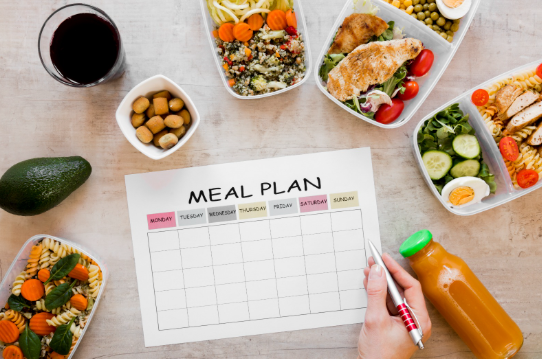
Scheduling meals is another important aspect of meal planning. Create a weekly template that specifies what you will eat each day, taking into consideration your schedule and any events that might affect mealtime. For instance, if you have a busy day ahead, you may want to plan for a quick and easy meal or leftovers. Additionally, planning for breakfast, lunch, and dinner as well as snacks can help ensure you stay on track with your nutrition goals.
To further simplify the meal planning process, consider incorporating food preparation (food prep). Dedicate a couple of hours each week to prepare ingredients or entire meals in advance. Chopping vegetables, cooking grains, or marinating proteins ahead of time can save significant cooking time during the week. This approach not only makes it easier to adhere to your meal plan but also encourages healthier eating by reducing the temptation of last-minute takeout or processed food options.
In summary, creating a structured weekly meal plan involves assessing your food inventory, selecting nutrient-rich recipes, scheduling meals thoughtfully, and utilizing food prep for efficiency. With these steps, you can maintain balanced nutrition effortlessly.
Incorporating Seasonal Ingredients
Utilizing seasonal fruits and vegetables in meal planning is a beneficial practice that enhances not only the flavor profiles of meals but also their nutritional value and affordability. Seasonal produce is typically harvested at its peak, which means that it is fresher, more flavorful, and more nutrient-dense compared to out-of-season alternatives. This results in meals that are not only delicious but also rich in vitamins and minerals essential for overall health.
One of the key strategies for incorporating seasonal ingredients into meal plans is to familiarize oneself with the local growing seasons. This can differ significantly depending on geographical location, and understanding what is in season can greatly enhance your meal planning efforts. For example, in the summer months, a variety of fruits such as berries, melons, and peaches, along with vegetables like tomatoes, cucumbers, and zucchini, are readily available. In contrast, fall and winter months provide a bounty of root vegetables, such as sweet potatoes, carrots, and squash, along with seasonal fruits like apples and citrus.
Shopping at local farmers’ markets is an excellent way to source seasonal ingredients directly from producers. Not only does this support local economies, but it also allows consumers to obtain the freshest produce available. Many farmers are eager to share information about their harvesting schedules, allowing shoppers to plan their meals around the most current offerings. Additionally, subscribing to a Community Supported Agriculture (CSA) program can provide a regular supply of seasonal produce throughout the year.
Adjusting meal plans to accommodate the availability of seasonal ingredients is another effective strategy. Creating a flexible meal plan that includes a variety of seasonal items ensures that dishes remain exciting and diverse. This could involve planning simplified recipes that highlight a few star ingredients or exploring new cooking methods that suit the seasonal produce. Incorporating these strategies not only emphasizes seasonal eating but also contributes to a sustainable approach to nutrition.
Using Leftovers Wisely
Utilizing leftovers is a practical and effective strategy in meal planning. By repurposing remnants from previous meals, individuals can save time and money while ensuring that they are still consuming a balanced diet. This approach not only minimizes food waste but also promotes creativity in the kitchen.
One of the simplest methods to incorporate leftovers is by transforming them into entirely new meals. For instance, roasted vegetables from dinner can be blended into a hearty soup or tossed into a grain bowl for lunch. Similarly, leftover proteins, such as grilled chicken or beef, can be added to salads, wraps, or even turned into stir-fry dishes. By doing this, individuals can maintain variety in their diets while still focusing on nutritional balance.
Another effective strategy is to plan meals around leftovers. When preparing a dish, consider cooking larger quantities with the intention of using the excess for meals later in the week. For example, if preparing a pasta dish, double the recipe and set aside half. The leftover pasta can be turned into a pasta salad or incorporated into a casserole. This forward-thinking approach helps ensure that no food is wasted and that every meal is nutrient-rich.
Additionally, utilizing containers designed for efficient storage can make a significant difference. Airtight containers not only help keep leftovers fresh but also promote visibility in the refrigerator, encouraging individuals to use them before they spoil. Labeling containers with the date and intended usage can further assist in meal planning, providing a clear idea of what is available and when it should be consumed.
In conclusion, leveraging leftovers in meal planning is a smart and sustainable practice. It fosters culinary creativity while ensuring balanced nutrition, all while contributing to less food waste. Individuals who embrace this strategy can enjoy diverse meals, save money, and cultivate healthier eating habits.
Mindful Eating Practices
Mindful eating is an essential practice that focuses on cultivating awareness and presence during meals. It emphasizes being fully engaged with the sensory experience of eating, which can significantly enhance overall nutrition. By practicing mindful eating, individuals can develop a healthier relationship with food, recognizing not just when to eat, but also how to eat.
One strategy to promote mindful eating is to eliminate distractions during mealtimes. This means turning off electronic devices, choosing a quiet environment, and paying attention to the food itself. By doing so, individuals can focus on the tastes, textures, and aromas of their meal, fostering a deeper appreciation and enjoyment of the food consumed. This focus helps in understanding one’s hunger and satiety signals more accurately, thus allowing individuals to respond appropriately to their body’s needs.
Another effective approach is to take time before meals to check in with hunger cues. This involves assessing one’s level of hunger on a scale and differentiating between physical hunger and emotional cravings. By identifying true hunger, individuals can make more informed choices about when to eat and how much food is necessary, ultimately enhancing satisfaction and nutritional balance.
Additionally, savoring each bite and eating slowly can promote mindfulness. Taking smaller bites, chewing thoroughly, and taking pauses between bites allows for reflection on the meal. This practice can help individuals recognize when they are comfortably full and reduce the likelihood of overeating. Furthermore, incorporating gratitude into meals—by reflecting on the origins of the food, the efforts involved in its preparation, and its nutritional value—can enhance the eating experience and appreciation for nourishment.
Overall, integrating mindful eating practices not only complements meal planning but also enriches the experience of nourishing the body. These strategies can lead to improved digestion, greater satisfaction, and a healthier approach to eating that aligns with maintaining balanced nutrition.
Healthy Snack Ideas for Meal Plans
Including nutritious snacks in meal planning is essential for maintaining energy levels and achieving a balanced diet throughout the day. Healthy snacks not only curb hunger but also play a vital role in providing the body with essential nutrients. Here, we will explore various healthy snack options that can seamlessly integrate into a meal plan.
One excellent choice is fresh fruits. They are rich in vitamins, minerals, and fiber, making them a perfect snack for both adults and children. Options like apple slices, berries, or bananas are easy to prepare and convenient for on-the-go consumption. Additionally, pairing fruits with a source of protein, such as yogurt or nut butter, can enhance satiety and nutritional value.
Nuts and seeds are another great option for healthy snacking. They are packed with healthy fats, protein, and fiber, contributing to sustained energy release. Almonds, walnuts, and pumpkin seeds can be enjoyed alone or mixed into trail mixes. However, portion control is crucial due to their calorie density.
Vegetable sticks, such as carrots, celery, and bell peppers, can provide a satisfying crunch and are low in calories. Pairing these vegetables with hummus or a yogurt-based dip not only amplifies flavor but also adds protein and healthy fats, making them a fulfilling snack choice.
Whole grain snacks, such as rice cakes or whole grain crackers, are also beneficial. They can be topped with various toppings like avocado, nut butter, or cottage cheese, creating a balanced treat that incorporates carbohydrates and proteins.
In conclusion, incorporating these healthy snack ideas into your meal planning strategies can greatly enhance your nutritional intake. By opting for nutrient-dense snacks, you ensure that your body receives adequate fuel and enjoyment throughout the day, all while supporting your overall wellness goals.
Adjusting Meal Plans for Special Diets
Meal planning is a powerful tool for maintaining balanced nutrition, yet it is imperative to consider individual dietary restrictions or preferences. Modifying meal plans to accommodate special diets ensures that everyone can enjoy healthy meals while respecting their unique needs.
For individuals following a vegetarian diet, incorporating a variety of plant-based proteins is essential. Options such as lentils, chickpeas, tofu, and tempeh not only provide necessary protein but also contribute essential vitamins and minerals. When planning meals, one can include whole grains, such as quinoa or brown rice, together with an array of colorful vegetables. This combination helps ensure a well-rounded nutritional profile.
For those adhering to a gluten-free diet, it is crucial to choose alternatives that do not compromise nutritional quality. Naturally gluten-free foods, including fruits, vegetables, nuts, seeds, and gluten-free grains like rice and buckwheat, should be prioritized. It is advisable to avoid processed gluten-free foods, as they might be low in nutrients or high in added sugars. Carefully crafted meal plans can maintain taste and variety while honoring gluten-free principles.
Individuals with food allergies must approach meal planning with heightened caution. Identifying potential allergens in each meal is paramount. By focusing on whole foods and preparing meals from scratch, one can control ingredients and avoid cross-contamination. For instance, using safe substitutes for common allergens—like coconut milk instead of dairy or almond flour instead of wheat flour—can enable those with allergies to enjoy delicious meals safely.
In developing a meal plan tailored to special diets, it is essential to be flexible and creative. Experimenting with new recipes and ingredients can create enjoyable culinary experiences while meeting dietary requirements. Therefore, keeping track of what works and what does not will help in refining the meal plan. Regularly updating the menu can accommodate changing tastes and nutritional needs, ensuring a balanced approach to healthy eating.