
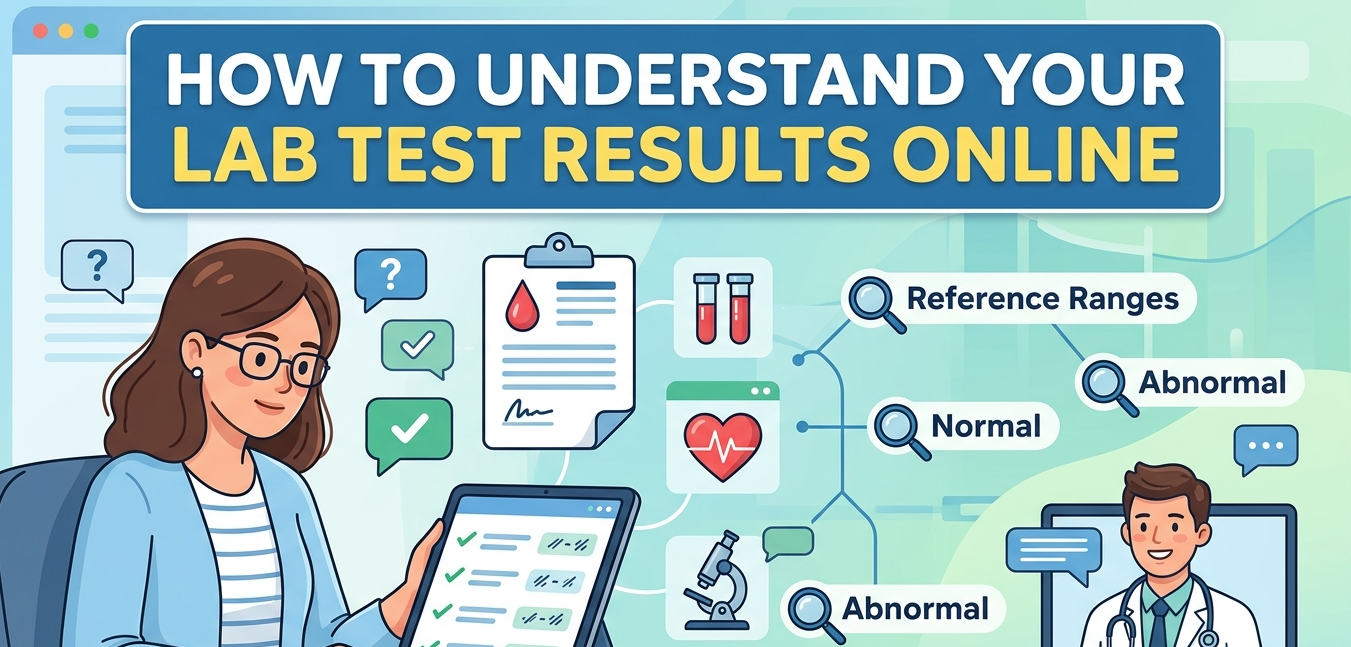


Understanding the Role of Lab Tests in Health Management
Lab tests are essential diagnostic tools that provide critical insights into the functioning of various bodily systems. They play a pivotal role in diagnosing medical conditions, monitoring disease progression, and evaluating the effectiveness of treatments. By analyzing biological samples such as blood, urine, or tissues, healthcare professionals can obtain valuable information that guides patient care.
There are several types of lab tests, each serving specific purposes. Common blood tests, for example, include complete blood counts (CBC), which assess overall health and detect disorders such as anemia or infection. Other standard tests, like metabolic panels, measure glucose and electrolyte levels, which are crucial for monitoring conditions like diabetes and kidney disease. Additionally, imaging tests such as X-rays or MRIs may complement laboratory results, providing a comprehensive view of a patient’s health status.
Urine tests are another category of lab assessments that can reveal information about dehydration, urinary tract infections, and kidney function. Pathology tests, on the other hand, analyze tissue samples to identify the presence of cancer cells or other abnormalities. Each of these tests provides unique insights that contribute to a holistic understanding of a patient’s health.
In contemporary healthcare, the ability to understand lab test results has become more accessible for patients. With the advent of online health management tools, individuals can now view their results through patient portals, empowering them to take an active role in their healthcare journey. This accessibility underscores the importance of being informed about what these results mean and how they contribute to the broader context of health management.
How Lab Tests Work
Lab tests play a crucial role in modern healthcare, serving as essential tools for diagnosis, treatment, and monitoring of various health conditions. The process typically begins with sample collection, which may involve obtaining blood, urine, or tissue from the patient. Trained healthcare professionals, such as phlebotomists, are responsible for this initial step. The quality of the sample is paramount, as it directly impacts the accuracy of the subsequent test results.
Once the samples are collected, they are transported to a laboratory, where they undergo initial processing. This phase may include various preparations such as centrifugation, which separates components of the sample, or dilution, depending on the test’s specific requirements. Technicians work diligently during this phase to ensure that samples are processed in line with established protocols, thereby minimizing the risk of contamination and error.
Following preparation, the samples are analyzed using advanced testing technologies. The role of laboratory technicians is vital at this stage, as they operate sophisticated instruments and equipment designed to perform a variety of tests, ranging from blood chemistry panels to genetic testing. Each test requires a specific methodology, which is closely monitored to maintain consistency and reliability in the results.
In many laboratories, pathologists play a key role in interpreting the test results. These medical doctors are trained to understand the complexities of laboratory findings and correlate them with clinical information. Their expertise not only aids in accurate diagnostics but also guides physicians in establishing an effective treatment plan. Overall, the seamless collaboration between technicians, pathologists, and healthcare providers is integral in ensuring that lab tests deliver precise and actionable results.
Understanding Lab Test Terminology
When navigating lab test results, familiarity with specific terms can significantly enhance one’s comprehension of the information presented. One crucial term is the “reference range,” which signifies the set of values that is considered normal for a healthy population. These ranges are established based on a multitude of factors such as age, gender, and specific population demographics. Consequently, a result falling outside this range may indicate a potential health issue, but it is essential to contextualize it with other diagnostic information.
Another important term is “sensitivity,” which refers to a test’s ability to correctly identify individuals who have a particular condition. A highly sensitive test minimizes the risk of false negatives, thereby ensuring that most affected individuals are detected. In contrast, “specificity” describes the test’s ability to correctly identify those who do not have the condition, which is crucial in minimizing false positives. Both sensitivity and specificity are vital parameters that can affect the interpretation of lab results and guide further clinical decisions.
Additionally, “false positives” and “false negatives” are terms used to describe incorrect test results—where a test indicates a person has a condition when they do not, or vice versa. Understanding these concepts is fundamental to interpreting lab results accurately. Another term often encountered is “biomarkers,” which are measurable indicators of biological states or conditions. They play a pivotal role in diagnosing diseases and monitoring treatment effectiveness.
Lastly, individuals may come across expressions like “analytes” or “test panels,” which refer to the specific substances measured in laboratory tests and groups of tests analyzed together, respectively. Grasping these terms equips individuals with the tools needed to decipher their lab reports and engage in informed discussions with healthcare providers regarding their health status.
Reading Your Lab Test Report
Understanding your lab test report is crucial for interpreting health information and making informed decisions about your healthcare. These reports typically comprise various sections that present information such as test names, results, reference ranges, and units of measurement. Familiarizing yourself with these components will help clarify what your results mean.
The first section you will encounter is generally the test identifiers. Here, specific tests like Complete Blood Count (CBC) or Comprehensive Metabolic Panel (CMP) will be listed. Each test may present a set of values pertaining to various indicators, such as blood cell counts or electrolyte levels.
Following the test identifiers, you will find the results section, where your specific values are recorded. These values are usually accompanied by reference ranges, which indicate the normal range for each measurement based on age and sex. For instance, a normal white blood cell count might be listed as 4,500 to 11,000 cells per microliter. If your result falls outside of this range, it may warrant further discussion with your healthcare provider.
Each entry in the lab report may also include various abbreviations related to the units of measurement or types of tests performed. Common abbreviations include WBC (white blood cells), RBC (red blood cells), and PLT (platelets). Being aware of these abbreviations can significantly expedite your understanding of the report.
For example, if your report shows a WBC count of 12,500 cells per microliter and the normal range is 4,500 to 11,000, this might suggest a potential infection or another underlying condition. Conversely, a low RBC count could indicate anemia. By recognizing these patterns, you allow yourself to glean insights into your health prior to your next doctor’s appointment.
Common Lab Tests and What They Measure
Understanding the results of lab tests is essential for maintaining health and managing medical conditions. Various tests provide valuable insights into various bodily functions. Among the most commonly conducted tests are the Complete Blood Count (CBC), metabolic panels, and lipid profiles.
The Complete Blood Count (CBC) measures the levels of different components in the blood. This includes red blood cells, white blood cells, hemoglobin, hematocrit, and platelets. Each of these components plays a vital role in the body’s physiology. For instance, red blood cells are responsible for oxygen transportation, while white blood cells are crucial for immune defense. Abnormalities in these counts can indicate a range of conditions, from anemia to infections or blood disorders.
Metabolic panels, which may be basic or comprehensive, assess the chemical balance and metabolism of the body. A basic metabolic panel typically measures glucose levels, calcium, sodium, potassium, carbon dioxide, and creatinine. In contrast, a comprehensive metabolic panel adds measurements related to liver function and protein levels. These tests are instrumental in evaluating kidney function, blood sugar levels, and electrolyte balance, which are essential for overall health.
Lipid profiles provide crucial information about cholesterol levels and lipid metabolism, which are significant indicators of cardiovascular health. These profiles typically measure total cholesterol, low-density lipoprotein (LDL), high-density lipoprotein (HDL), and triglycerides. Elevated levels of LDL cholesterol are often associated with an increased risk of heart disease, making this test vital for assessing heart health.
Each of these commonly conducted lab tests holds significant importance in health assessments. By interpreting the results of these tests correctly, individuals can gain valuable insights into their health and work with healthcare providers to manage any potential concerns effectively.
Interpreting Abnormal Results
Interpreting lab test results is a critical aspect of understanding one’s health status. When a test result falls outside the established normal range, it is classified as abnormal. Abnormal lab values can arise from various factors, including underlying health conditions, lifestyle choices, medications, or even lab errors. It is essential to remember that an abnormal result does not automatically imply a health crisis; the context surrounding each individual’s health profile must be considered.
For instance, a high blood glucose level might suggest diabetes; however, it could also indicate temporary fluctuations caused by stress or recent food intake. Similarly, elevated liver enzymes may point to liver disease yet could also result from medications. Therefore, interpreting abnormal test results should incorporate an understanding of these variables.
Once identified, the next steps involve consulting with a healthcare professional to assess the significance of these readings. Health providers often recommend follow-up tests or further evaluations to gather more information about the abnormal values. This additional information is pivotal for making informed decisions about possible interventions or treatments.
Moreover, patients should be proactive in their health management by asking questions to clarify any uncertainties. Understanding the implications of abnormal results—such as additional tests, ongoing monitoring, or lifestyle modifications—can empower individuals to take control of their health.
Ultimately, while abnormal lab results can be concerning, they serve as vital indicators enlightening one’s health journey. Careful interpretation in tandem with professional guidance ensures that individuals address health issues comprehensively, safeguarding their well-being.
The Role of Your Healthcare Provider
Understanding lab test results is a critical aspect of managing one’s health, and the role of healthcare providers in this process should not be underestimated. Doctors and healthcare professionals are trained to interpret medical data and evaluate lab test outcomes in the context of an individual’s unique health profile. They possess the expertise to not only explain what the numbers mean but also to consider them within the broader picture of overall health.
When patients receive lab results online, it may be easy to misinterpret findings without the necessary knowledge or context. Healthcare providers are equipped to provide clarity regarding what various indicators signify, how they relate to medical history, and what potential next steps should be taken. For example, a slight variation in cholesterol levels might indicate a need for lifestyle changes, while more significant deviations could necessitate further testing or intervention. This nuanced understanding is vital and highlights the importance of professional guidance.
Additionally, healthcare professionals can help patients navigate the emotional impact that lab results may elicit. Anxiety or confusion surrounding test outcomes is common, but qualified providers can offer reassurance and support, framing the results in terms of health optimization rather than merely numbers. Engaging with one’s doctor fosters a collaborative approach to health, encouraging questions and discussions that can lead to better health decisions.
Moreover, many healthcare providers leverage technology by providing secure online portals where lab results can be accessed. These platforms often include resources and explanations designed to assist patients in understanding their results before discussions with their provider take place. However, it is crucial to remember that this should supplement, not replace, direct consultation with healthcare professionals.
Using Online Resources to Understand Lab Tests
In today’s digital age, patients have unprecedented access to a wealth of information, particularly concerning their health and lab test results. When seeking to understand lab results, it is vital to utilize reputable online resources. Trustworthy medical websites can provide reliable explanations, educational materials, and insightful interpretations to help demystify lab tests.
One prominent resource is the U.S. National Library of Medicine, which hosts a comprehensive database called MedlinePlus. This platform offers detailed explanations about various lab tests, their purposes, and the significance of different result values. Additionally, the American Association for Clinical Chemistry (AACC) provides a resource known as Lab Tests Online, which assists patients and their families in understanding the medical tests that are crucial in diagnosing and monitoring health conditions.
Moreover, many healthcare institutions now offer patient portals where individuals can access their test results alongside explanations from licensed professionals. These portals often come equipped with educational materials or links to external resources that further clarify the medical jargon associated with lab results.
Mobile applications have also emerged as an innovative way to assist patients in understanding their lab results. Apps such as Healthline and Lab Tests Online app provide easy access to information, allowing users to scan or search for specific tests and understand the context behind their results. This enhances patient participation in their healthcare journey.
While online resources serve as a valuable aid in deciphering lab tests, it is essential to be cautious. Utilizing reputable sources minimizes the risk of misunderstanding or misinterpretation of health information. Cross-checking facts against multiple credible sites further bolsters confidence in understanding test results, thus empowering individuals in their healthcare decisions.
Conclusion and Next Steps
Understanding lab test results can often be a daunting task. However, by familiarizing oneself with the basics of lab testing and the common terminology used, individuals can begin to make sense of their health data. Key takeaways for interpreting your lab results include recognizing the significance of reference ranges, understanding the meaning of various markers, and being aware of factors that might influence test outcomes.
It is essential for individuals to take an active role in their health management. By reviewing lab results, patients can identify potential areas of concern, which can then be discussed with their healthcare providers. Encouraging open communication between patients and providers not only enhances the understanding of medical data but also fosters a more proactive approach to healthcare. If something in your results is unclear, do not hesitate to reach out to your healthcare professional for clarification. Asking questions and seeking a deeper understanding of your results can lead to better health outcomes.
The next steps should include scheduling follow-up appointments to discuss the implications of your test results, implementing any suggested lifestyle changes, and possibly preparing for further testing if necessary. Utilizing online resources for education and support can also be valuable in comprehending your health data. By taking these steps, individuals not only empower themselves but also contribute significantly to their overall wellness journey.