
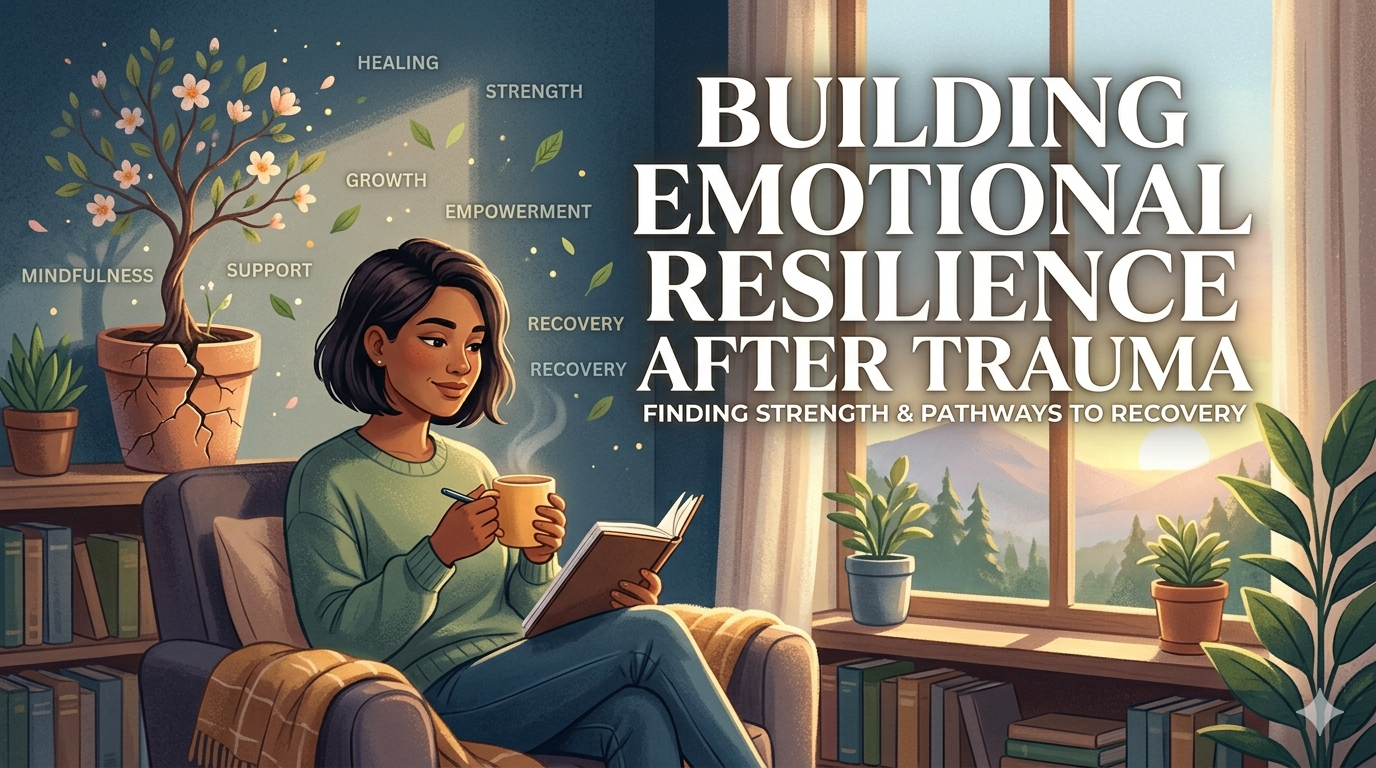


Understanding Emotional Resilience
Emotional resilience is the capacity to recover quickly from difficulties, adapting effectively to challenges and adversities. This psychological strength allows individuals to manage stress, overcome setbacks, and maintain mental well-being in the face of life’s unpredictable nature. It plays a crucial role in how one copes with trauma, helping individuals to face their experiences with a sense of control and perspective.
The importance of emotional resilience cannot be overstated. Trauma can create profound psychological impacts, leading to issues such as anxiety, depression, and PTSD. However, individuals with heightened emotional resilience may process these experiences differently, allowing them to navigate their emotional responses more effectively. Resilience does not imply an absence of emotional pain; rather, it encourages individuals to confront their feelings, seek support, and utilize coping strategies to promote recovery.
An essential aspect of emotional resilience is the ability to bounce back after facing adversities. People exhibiting high levels of resilience can often see challenges as opportunities for growth. They possess a positive outlook, which not only aids in overcoming current difficulties but also fortifies them for future challenges. Building emotional resilience often involves cultivating self-awareness, fostering social connections, and developing problem-solving skills.
Moreover, research indicates that emotional resilience is linked to various positive mental health outcomes. Individuals who effectively handle stress and trauma tend to experience lower instances of psychological disorders and are better equipped to engage in healthy relationships. Therefore, fostering emotional resilience is not only beneficial for individual well-being but also contributes to a healthier society as a whole.
The Impact of Trauma on Emotional Well-Being
Trauma can significantly affect an individual’s emotional health, leading to various mental health issues such as post-traumatic stress disorder (PTSD), anxiety disorders, and depression. Each of these conditions can stem from experiences that overwhelm one’s ability to cope, leaving lasting changes in emotional regulation and perception.
PTSD is one of the most commonly discussed consequences of trauma. Individuals may experience flashbacks, nightmares, and severe anxiety that impact their daily lives. Symptoms can create a sense of impending doom that alters one’s outlook on life. These emotional disturbances can result in avoidance behaviors, where individuals withdraw from social interactions and places that remind them of their trauma. This withdrawal may contribute to feelings of loneliness and isolation, further exacerbating their emotional distress.
Anxiety, often a result of unresolved trauma, is characterized by persistent worry, restlessness, and irritability. Those affected may find it challenging to manage their emotions, leading to difficulties in both personal and professional relationships. Their perception of safety may become distorted, viewing the world as threatening instead of nurturing.
Similarly, trauma can lead to depressive symptoms such as persistent sadness, lack of motivation, and feelings of worthlessness. This emotional impairment can hinder a person’s ability to engage with life fully. Individuals may begin to view themselves through a lens of shame or guilt, blaming themselves for events beyond their control. Their self-worth can significantly diminish, affecting how they interact with others and perceive their place in the world.
In conclusion, understanding the intricate impacts of trauma on emotional well-being is crucial for effective recovery. By recognizing the symptoms and manifestations of conditions like PTSD, anxiety, and depression, individuals and their support systems can better navigate the path towards healing and emotional resilience.
Recognizing Your Emotions
Emotional awareness is a foundational element in the journey of healing after experiencing trauma. Acknowledging one’s feelings is not merely an exercise in self-reflection; it is a crucial step towards rebuilding a sense of safety and stability within oneself. After a traumatic event, individuals often find themselves overwhelmed by a myriad of emotions such as sadness, anger, confusion, or even numbness. Recognizing these emotions allows one to better understand how trauma impacts mental well-being.
One effective way to begin this process is through journaling. By writing down thoughts and emotions, individuals can create a tangible record of their feelings, which can provide insights into emotional triggers and patterns. This method also offers an opportunity to articulate feelings that may be difficult to express verbally. Another practical step involves mindfulness practices. Mindfulness allows a person to observe their thoughts and emotions without judgment, facilitating a greater awareness of the present moment. This practice encourages individuals to notice their emotional responses as they arise, thereby reducing the tendency to suppress difficult feelings.
Engaging in conversations with trusted friends or therapists can further enhance emotional recognition. These dialogues can help individuals articulate their feelings, providing clarity and understanding. Constructive feedback from others can also help validate one’s emotional state, fostering a sense of connection and support. Additionally, utilizing emotion charts or lists can aid in identifying subtle feelings that may be harder to articulate.
Overall, recognizing and validating one’s emotions is crucial for emotional resilience. Understanding these feelings provides a clearer pathway towards healing, allowing individuals to process their trauma in a constructive manner. As individuals learn to acknowledge their emotional experiences, they deepen their understanding of themselves, laying the groundwork for recovery.
Developing Healthy Coping Strategies
Building emotional resilience after experiencing trauma is a vital process that involves the adoption of effective coping strategies. These strategies can significantly aid individuals in navigating their emotional landscape and promoting overall well-being. One of the most recognized methods for fostering emotional strength is through mindfulness practices. Mindfulness encourages individuals to remain present and fully engaged in the moment, facilitating an understanding of their thoughts and feelings without judgment. Activities such as meditation, deep-breathing exercises, or yoga can enhance this practice, enabling individuals to cultivate a sense of calm and reduce stress.
Another essential aspect of developing healthy coping strategies is improving communication skills. Engaging in open and honest conversations with trusted friends or family members allows individuals to express their feelings and share experiences in a supportive environment. This process not only reinforces connections with others but also validates the emotions associated with trauma. Establishing boundaries during these discussions is equally crucial to help maintain emotional safety.
Physical activity also plays a significant role in enhancing emotional resilience. Regular exercise promotes the release of endorphins, which contribute to a more positive mood and decreased anxiety. Whether through walking, running, dancing, or engaging in sports, incorporating movement into daily routines can lead to improved mental health. In addition, spending time in nature has been shown to have beneficial effects on emotional well-being, making it another practical approach to coping.
Finally, seeking support from mental health professionals can greatly facilitate the journey toward emotional resilience. Therapists can provide valuable insights and coping techniques specifically tailored to an individual’s needs, making the recovery process more manageable. Overall, integrating mindfulness, effective communication, physical activity, and professional support can empower individuals to build emotional resilience and navigate their post-trauma experiences more effectively.
The Role of Social Support in Recovery
Social support plays a crucial role in enhancing emotional resilience after experiencing trauma. Individuals who maintain strong social connections with friends and family can significantly improve their ability to recover from distressing events. These relationships provide not only emotional comfort but also practical assistance that can make a considerable difference in one’s healing journey.
The presence of supportive friends and family members can foster a safe environment where individuals feel comfortable expressing their feelings and thoughts. This expression is critical in the context of trauma recovery, as it allows individuals to process their experiences. Empathy and understanding offered by loved ones can help individuals to feel less isolated and more connected, which is vital for emotional healing. Furthermore, social interactions can serve as a distraction, providing moments of joy and normalcy during a challenging period.
To build an effective support network, individuals should actively seek out relationships that are characterized by mutual respect, understanding, and reliability. Participating in community groups, support groups for trauma survivors, or engaging in activities that foster social connections can be beneficial. Additionally, nurturing existing relationships by reaching out to friends or family members regularly can help strengthen the bond and ensure support is readily available when needed.
It is also essential to recognize that social support is not limited to close relationships but extends to acquaintances and broader community connections. Volunteer work or joining local clubs can provide an expanded network of support. Ultimately, fostering strong social ties is a critical aspect of building emotional resilience, as it encourages individuals to share their experiences, develop coping strategies, and find healing through shared journeys.
Seeking Professional Help
After experiencing trauma, many individuals find themselves struggling to process their emotions and cope effectively with their circumstances. Seeking professional help, such as therapy or counseling, can be an instrumental step toward recovery. A mental health professional provides a supportive environment where individuals can express their feelings and thoughts without judgment, thereby facilitating emotional healing.
There are various types of therapeutic approaches available to cater to different needs. Cognitive-behavioral therapy (CBT) is a widely recognized method that helps individuals identify and alter negative thought patterns and behaviors associated with trauma. This process empowers clients by equipping them with practical tools for managing distressing emotions and developing healthier coping strategies.
Another effective option is Eye Movement Desensitization and Reprocessing (EMDR), which is specifically designed to assist individuals in processing traumatic memories. EMDR allows clients to reprocess these memories through bilateral stimulation, promoting a sense of resolution and reduction of distressing emotions associated with trauma.
Furthermore, group therapy provides the opportunity for individuals to connect with others who share similar experiences. This shared connection can foster a sense of belonging and understanding, which is often crucial for recovery. Additionally, therapists may also consider family therapy to address the impact of trauma on familial relationships and enhance communication among family members.
Professional guidance plays a vital role in facilitating healing and building resilience after trauma. Trained therapists possess the expertise to tailor treatment plans that suit individual needs, enabling clients to navigate their emotional landscapes effectively. By seeking help, individuals can develop the emotional tools necessary to foster resilience, ultimately leading to a more fulfilling life post-trauma.
Practicing Self-Compassion and Self-Care
Healing from trauma often necessitates a gentle and supportive approach towards oneself. Self-compassion plays a pivotal role in this process, acting as an essential pillar that can lead to emotional resilience. It involves treating oneself with the same kindness and understanding that one would offer to a friend in a similar situation. Acknowledging one’s suffering without harsh judgment fosters a safe internal environment, conducive to healing.
To cultivate self-compassion, individuals can start by engaging in self-reflection. Journaling about feelings and experiences can clarify emotions, creating a pathway for understanding and acceptance. Mindfulness practices also contribute significantly; being present in the moment helps individuals recognize their thoughts without being overwhelmed. Techniques such as deep breathing, meditation, and yoga can enhance self-awareness and promote emotional balance.
In addition to self-compassion, the implementation of self-care strategies is vital for fostering emotional well-being. Prioritizing physical health through adequate nutrition, regular exercise, and sufficient sleep establishes a foundation for resilience. Furthermore, engaging in enjoyable activities and hobbies can help divert attention from distressing thoughts and foster a sense of joy.
Social connections are equally important. Building and maintaining supportive relationships can provide a necessary buffer against the emotional effects of trauma. Whether it’s talking with friends, participating in support groups, or seeking professional help, sharing one’s experiences often alleviates feelings of isolation.
Ultimately, integrating self-compassion and self-care practices into daily routines can significantly enhance emotional resilience. Through these methods, individuals can develop a stronger sense of self-worth and foster the capacity to cope with adversity more effectively.
Setting Realistic Goals for Recovery
Recovery from trauma is a multifaceted journey that often necessitates the establishment of realistic and achievable goals. Setting appropriate objectives is crucial, as it can help individuals navigate the complexities of their emotional healing process. By defining clear, measurable, and time-bound goals, a person is more likely to experience a sense of progress, fostering motivation and resilience.
One fundamental aspect of goal-setting in the context of emotional recovery is understanding that progress may be gradual. In the aftermath of trauma, the emotions and challenges faced can be overwhelming. Therefore, it is imperative to break down larger recovery goals into smaller, attainable milestones. For example, instead of aiming to fully overcome emotional distress overnight, an individual might focus on developing coping strategies to manage anxiety for a specific timeframe, such as daily practice for one month. Such an approach enables individuals to experience small victories, which can collectively contribute to a more substantial sense of achievement and hope.
Moreover, celebrating these small victories plays a crucial role in maintaining motivation throughout the recovery process. Recognizing the completion of each step can reinforce positive behavior and encourage further progress, thereby enhancing emotional resilience. Whether it involves journaling about feelings, successfully engaging in a social activity, or practicing mindfulness, acknowledging these accomplishments cultivates a positive mindset and a greater sense of control over one’s healing journey.
In conclusion, the act of setting realistic goals for recovery from trauma is essential. By focusing on gradual progress and celebrating small victories, individuals can develop a more robust emotional foundation, ultimately leading to healthier coping mechanisms and emotional resilience. This structured approach to goal-setting empowers individuals to take charge of their recovery process, transforming challenges into opportunities for personal growth.
Building a Resilient Mindset for the Future
Developing a resilient mindset is crucial for navigating the aftermath of trauma. It requires a conscious and sustained effort to foster a positive outlook, learn from past experiences, and implement strategies that enhance emotional strength. A resilient mindset acts as a protective buffer against future adversities, enabling individuals to cope effectively with stressors that life may present.
Maintaining a positive outlook is fundamental in building emotional resilience. This can be achieved through practicing gratitude, which has been shown to improve well-being. Reflecting on positive aspects of one’s life, even amidst trauma, helps to shift focus from negative experiences to constructive thoughts. Engaging in affirmations and visualizations can further reinforce a hopeful perspective and bolster confidence in facing challenges.
Learning from past experiences is another key component in cultivating resilience. Individuals should take time to reflect on their trauma, identifying lessons and insights that can be drawn from their experiences. This practice not only aids in personal growth but also reduces the likelihood of repeated patterns of distress. Journaling can serve as an effective tool for processing thoughts and emotions related to past events, allowing individuals to make sense of their experiences.
Moreover, implementing strategies to continue building emotional resilience is vital. Establishing strong social connections can provide essential support. Engaging with a community or seeking professional guidance can enhance coping mechanisms. Incorporating mindfulness practices such as meditation and deep-breathing exercises can also assist in managing anxiety and promoting peace of mind. Additionally, setting realistic goals and gradually stepping outside of one’s comfort zone fosters a sense of achievement, further reinforcing a resilient mindset.
Ultimately, building emotional resilience is an ongoing journey. With dedication and the right strategies, individuals can not only recover from trauma but also emerge stronger and more adept at handling life’s future challenges.