
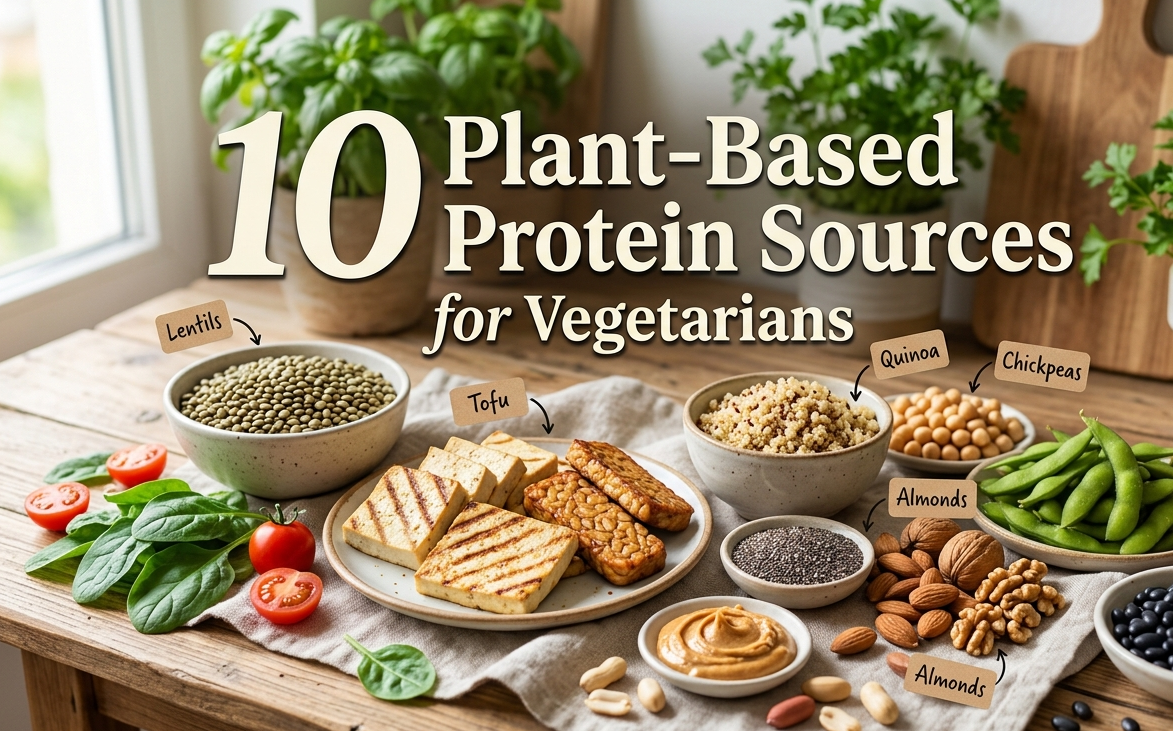


Introduction to Plant-Based Proteins
Plant-based proteins are essential nutrients derived from various plants, including legumes, grains, nuts, and seeds. These proteins are vital for vegetarians, as they serve as an alternative to traditional animal-derived sources such as meat, poultry, and dairy. With increasing numbers of individuals adopting vegetarian or vegan lifestyles, understanding plant-based proteins’ significance is now more relevant than ever.
Protein plays a crucial role in an individual’s overall health. It is a macronutrient that is necessary for the body’s growth, repair, and maintenance of tissues. Furthermore, proteins contribute to the production of enzymes and hormones and support immune function. For vegetarians, incorporating the right balance of plant-based proteins is essential to ensure that all amino acids needed for bodily functions are adequately acquired.
Choosing plant-based protein sources over animal-based ones can also present several health benefits. Plant proteins, such as those found in beans, lentils, and quinoa, often come packed with additional nutrients, including fiber, vitamins, and minerals. This can contribute to a more balanced diet and promote better digestive health. Additionally, plant-based proteins tend to be lower in saturated fats and cholesterol, potentially reducing the risk of heart disease and other health issues associated with a diet high in animal products.
Sustainability is another factor that enhances the appeal of plant-based proteins. The production of plant-based foods generally has a lower environmental impact compared to animal farming, making it a preferred option for those concerned about climate change and resource depletion. By prioritizing plant-based protein sources, vegetarians can contribute positively to both their health and the well-being of the planet.
The Nutritional Value of Plant-Based Proteins
Plant-based proteins are increasingly recognized for their significant nutritional benefits. Unlike animal proteins, which can often be high in saturated fats, plant proteins present a healthier alternative, providing essential nutrients while promoting heart health. Various plant-based sources such as legumes, nuts, seeds, and whole grains are rich in protein while also supplying beneficial vitamins and minerals.
A standout characteristic of many plant-based protein sources is their amino acid profile. While some plant proteins are classified as incomplete, meaning they lack one or more essential amino acids, combining different sources can create a complete protein profile. For example, rice and beans together provide all essential amino acids needed for bodily functions. This practice of combining proteins can be particularly valuable for vegetarians striving to meet their protein needs.
Additionally, a diet rich in plant-based proteins typically includes various vitamins and minerals that are crucial for overall health. For instance, legumes not only offer a good amount of protein but are also packed with dietary fiber, iron, magnesium, and potassium. Nuts and seeds, such as almonds and chia seeds, are excellent sources of protein while also supplying healthy fats, vitamin E, and essential fatty acids.
Furthermore, whole grains like quinoa and amaranth provide unique nutritional benefits. They contain higher protein concentrations compared to traditional grains and are also rich in antioxidants and B vitamins. Incorporating a variety of these plant-based protein sources into one’s diet can ensure not only adequate protein intake but also the necessary micronutrients essential for maintaining optimal health.
Incorporating a diverse range of plant-based proteins into daily meals allows individuals, especially vegetarians, to meet their protein needs effectively while enjoying the added health benefits provided by the vitamins and minerals contained in these foods.
Top Plant-Based Protein Sources
Vegetarians can easily fulfill their protein needs with a variety of plant-based sources. Here are some of the top options, along with their protein content and ways to incorporate them into a balanced vegetarian diet.
Lentils: Lentils are a powerhouse of protein, containing approximately 18 grams of protein per cooked cup. They are also rich in fiber and essential minerals like iron and folate. Lentils can be used in soups, stews, and salads, offering versatility and a hearty texture to various dishes.
Chickpeas: With about 15 grams of protein per cooked cup, chickpeas are a staple in many vegetarian cuisines. They can be roasted for a crunchy snack, added to salads, or blended into hummus spread. Their nutty flavor and creamy texture make them a favorite among both vegetarians and non-vegetarians alike.
Quinoa: Quinoa is a complete protein, providing all nine essential amino acids. It contains around 8 grams of protein per cooked cup. This ancient grain can be prepared as a side dish or incorporated into salad bowls, providing a nutritious base rich in vitamins and minerals.
Tofu: Tofu is made from soybeans and offers about 20 grams of protein per cup. Its ability to soak up flavors makes it a highly adaptable ingredient in stir-fries, soups, and curries. Whether firm, silken, or extra-firm, tofu can be grilled, sautéed, or blended depending on the dish being prepared.
Incorporating these plant-based protein sources not only provides essential nutrition but also enhances the diversity of meals within a vegetarian diet. Their flavors and textures can complement a wide range of culinary styles, making it easy to maintain a balanced and satisfying diet.
Legumes: The Protein Powerhouses
Legumes are an essential part of a vegetarian diet, providing a significant source of protein. This category includes beans, lentils, and peas, each contributing unique nutritional benefits. Legumes are not only rich in protein but also offer dietary fiber, vitamins, and minerals.
Beans are among the most popular legumes, with varieties such as black beans, kidney beans, and pinto beans. They are high in protein, containing approximately 15 grams of protein per cooked cup. Furthermore, beans offer essential nutrients like iron, magnesium, and potassium, making them a nutritious choice for vegetarians.
Lentils, another critical member of the legume family, are particularly beneficial due to their high protein content, with about 18 grams per cooked cup. Lentils are also low in fat and rich in folate and iron, supporting heart health and energy production. They can be easily prepared by boiling them in water or broth, and they are commonly used in soups, stews, and salads.
Peas, such as green peas and split peas, are also excellent sources of protein. One cup of cooked split peas contains roughly 16 grams of protein along with a significant amount of dietary fiber. Incorporating peas into your meals can enhance the texture and flavor of dishes, ranging from pastas to curries.
To include legumes in your diet, consider the following preparation tips: rinse canned beans to reduce sodium content, add lentils to salads for an extra protein boost, and incorporate beans into tacos or wraps for a satisfying meal. By experimenting with different types of legumes, you can create diverse and nutritious vegetarian meals that highlight the versatility and protein-rich nature of these powerhouses.
Grains as Protein Sources
Grains are an essential component of a vegetarian diet, offering a diverse range of nutrients, including proteins. Whole grains, in particular, are notable for their higher protein content compared to refined grains. Among these, quinoa stands out due to its unique amino acid profile, containing all nine essential amino acids, making it a complete protein source. Quinoa is not only versatile in cooking but also excellent as a base for salads, side dishes, or porridge.
Another grain recognized for its nutritional value is brown rice. Although slightly lower in protein than quinoa, brown rice still provides a substantial amount, along with fiber and various vitamins. This whole grain can be incorporated into numerous meals, from stir-fries to grain bowls, contributing to a balanced protein intake.
Barley is also worth mentioning as an excellent protein-rich grain. With a nutty flavor and chewy texture, barley can enhance soups and stews, while also serving as a hearty base for salads. Its high fiber content further contributes to digestive health, making it a recommendable choice for those following a vegetarian lifestyle.
These grains can be complemented with legumes and vegetables to create nutritious, protein-enriched meals. For instance, combining quinoa with black beans or brown rice with lentils can significantly enhance the overall protein quality of a vegetarian dish. Additionally, incorporating these grains into your diet is simple; they can easily be substituted in many recipes that call for refined grains, enhancing both flavor and nutritional quality.
In summary, the inclusion of whole grains like quinoa, brown rice, and barley in a vegetarian diet not only contributes to daily protein requirements but also supports overall health through their rich nutrient profiles. As such, they should represent a staple in vegetarian meal planning.
Nuts and Seeds: Small but Mighty
Nuts and seeds are small yet powerful components of a vegetarian diet, providing a concentrated source of plant-based protein. These nutrient-dense foods not only deliver essential amino acids but also come packed with healthy fats, vitamins, and minerals. Almonds, walnuts, chia seeds, flaxseeds, and pumpkin seeds are particularly notable for their protein content, offering a hearty boost to any meal or snack.
Almonds, for example, contain about 6 grams of protein per ounce, along with vitamin E, magnesium, and a significant amount of fiber. Walnuts, on the other hand, provide approximately 4 grams of protein per ounce and are known for their high omega-3 fatty acid content, contributing to cardiovascular health. Similarly, chia seeds and flaxseeds serve more than just a protein source; they are rich in omega-3s and fiber, thereby promoting digestive health and reducing inflammation.
Incorporating nuts and seeds into your diet can be both simple and versatile. One way is to add a handful of mixed nuts to your breakfast oatmeal or yogurt for added crunch and nutrition. Alternatively, you can sprinkle chia or flaxseeds on top of salads and smoothies to enhance their protein profile while also enriching them with additional beneficial nutrients.
They can be blended into nut butters, used in homemade energy bars, or even incorporated into baked goods, thus providing myriad ways to enjoy their health benefits.
In summary, nuts and seeds serve as excellent plant-based protein sources for vegetarians. Their health benefits, combined with their versatility in cooking and snacking, make them an invaluable addition to any vegetarian diet.
Dairy and Eggs: Protein Sources for Lacto-Ovo Vegetarians
Dairy products and eggs are essential sources of protein for lacto-ovo vegetarians, who incorporate these items into their diet while abstaining from meat and fish. High in protein content, dairy products such as milk, yogurt, and cheese provide not only amino acids necessary for muscle repair and growth but also other vital nutrients including calcium, vitamin D, and various B vitamins.
Milk, a staple in many diets, contains around 8 grams of protein per 8-ounce serving. The protein found in milk is of high biological value, meaning it provides all the essential amino acids required by the body. Yogurt is another excellent option, particularly Greek yogurt, which can pack in approximately 15-20 grams of protein per serving. Besides protein, yogurt also promotes gut health due to its probiotic content, making it a nutritious choice for vegetarians.
Certain cheeses can also be rich in protein—for example, cottage cheese offers about 25 grams of protein per cup. While cheese can be higher in fat and calories, choosing low-fat varieties can help maintain a balanced diet. Moreover, cheese contributes calcium, crucial for maintaining bone health.
Eggs are often regarded as one of the most complete sources of protein in the vegetarian diet, providing about 6 grams of protein each. They are not only a source of protein but also contain significant amounts of choline, an essential nutrient for brain health, along with other vitamins and minerals. The versatility of eggs allows them to be incorporated into a variety of dishes, making them a convenient and nutritious option for lacto-ovo vegetarians.
Protein Alternatives: Beyond Traditional Sources
As the demand for plant-based eating increases, alternative protein sources have gained popularity among vegetarians and consumers alike. These alternatives often include plant-based meat substitutes and protein powders, which serve as convenient options for those seeking to maintain adequate protein intake while following a vegetarian diet.
Plant-based meat substitutes, such as those made from soy, pea protein, or wheat gluten, are designed to mimic the taste and texture of animal meat. Products like tofu, tempeh, and seitan are nutrient-dense and provide a rich source of protein, often containing 15 to 25 grams of protein per serving. However, it is crucial to consider the ingredients in these products; many are processed and may contain additives or high sodium levels. Therefore, it is advisable to choose varieties that prioritize whole food ingredients and offer minimal processing.
Protein powders are another alternative available to vegetarians, made from sources such as pea, hemp, and brown rice. They can be an efficient way to boost protein intake, especially for athletes or individuals with higher protein requirements. A single serving of protein powder can offer anywhere from 15 to 30 grams of protein, making them an attractive option for enhancing smoothies, baked goods, or even savory dishes. However, when selecting protein powders, one should pay attention to the overall nutritional profile and avoid those with added sugars or fillers.
Incorporating these protein alternatives into a balanced vegetarian diet can enhance dietary variety and contribute to meeting daily protein needs. While plant-based alternatives provide flexibility and convenience, they should complement a diet rich in whole food sources of protein from legumes, nuts, and seeds, ensuring a well-rounded approach to nutrition.
Tips for Balancing Your Protein Intake
For vegetarians seeking to enhance their protein consumption, understanding how to balance meals is vital. Achieving a sufficient protein intake is possible with careful meal planning and awareness of the food combinations that can lead to optimal absorption.
First, it is advantageous to include a variety of protein sources in your diet. While lentils, beans, and tofu are excellent staples, incorporating nuts, seeds, and whole grains provides a broader spectrum of amino acids. This variety helps ensure that vegetarians receive all essential amino acids, particularly those that are limited in certain plant foods.
Pairing foods can significantly improve protein uptake. For instance, combining legumes with grains, such as beans with rice or quinoa with lentils, ensures complementary amino acid profiles. This strategic pairing not only enhances the protein quality of a meal but also increases the overall nutrient density, supporting a well-rounded diet.
When planning meals, aim to distribute protein consumption evenly throughout the day. This can be achieved by incorporating protein-rich foods at each meal and even snacks. For example, start the day with oatmeal topped with nuts and seeds, enjoy a chickpea salad for lunch, and include a stir-fry with tofu for dinner. Such diversification across meals enhances both nutrient intake and satiety.
Additionally, consider the role of protein shakes or protein bars as supplementary sources, particularly after workouts or during busy periods. These products can help bridge any gaps in protein intake without compromising dietary preferences.
Finally, staying mindful of hydration is essential since proper fluid intake supports digestion and nutrient absorption. Therefore, along with ensuring a diverse and balanced diet, maintaining adequate hydration will empower vegetarians to optimize their protein intake and achieve overall health goals.