


Homeopathy has always been a discipline that demands precision. Matching a remedy to a patient’s full constellation of symptoms — physical, emotional, and constitutional — requires navigating thousands of rubrics across multiple repertories. For generations, this process relied on printed books, manual cross-referencing, and years of accumulated clinical experience.
That is still true today. But the tools available to support that process have changed dramatically.
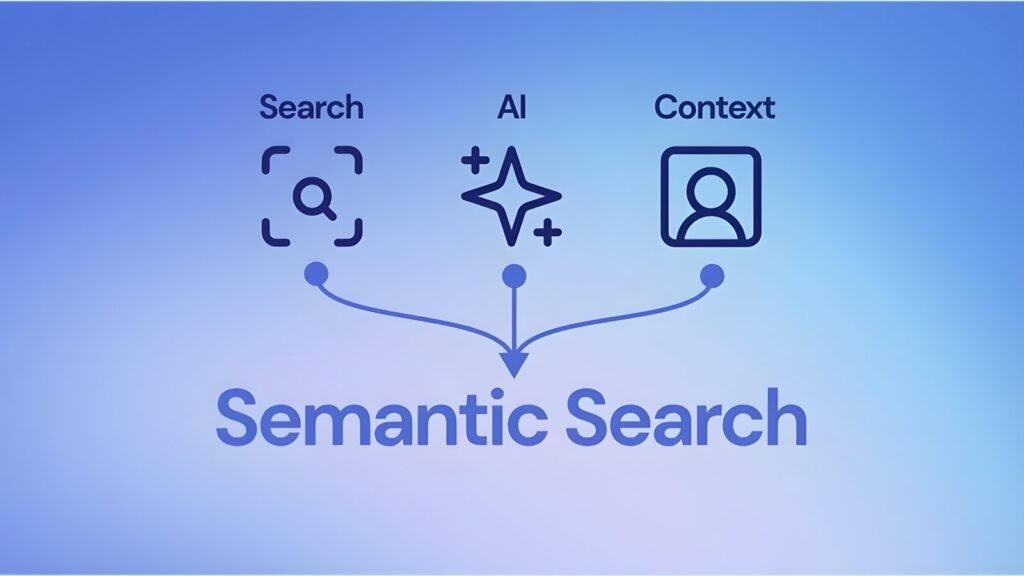
Modern homeopathy software is bringing a new level of speed and clarity to the repertorisation process. And at the centre of that shift is a technology borrowed from the world of AI: semantic search.
What Is Semantic Search, and Why Does It Matter in Homeopathy?
Traditional keyword search is literal. Type “burning pain worse at night” and you will only find results containing those exact words. Miss a synonym, use slightly different phrasing, or search across multiple repertories — and you can easily miss the rubric you are looking for.
Semantic search works differently. It understands the meaning behind your query, not just the words. So when you describe a patient’s sensation in plain clinical language — the way you might dictate a note or speak to a colleague — the software finds the most relevant rubrics across all available repertories, even when the wording does not match exactly.
In a discipline as nuanced as homeopathy, where the same symptom can be expressed in dozens of ways across different materia medica and repertory traditions, this matters enormously. It reduces the time spent searching and increases the likelihood of surfacing the rubric that truly fits.
The Problem with Legacy Homeopathy Software
Many practitioners still rely on desktop software built in the 1990s or early 2000s. These tools digitised the repertories, which was a major step forward at the time. But they largely replicated the limitations of the printed book: search was keyword-based, interfaces were dated, and using multiple repertories simultaneously meant switching between different windows or different programs entirely.
For students and newer practitioners, the learning curve was steep. For experienced homeopaths working through complex cases, the cognitive load of cross-referencing across Kent, Boenninghausen, Murphy, and the Complete Repertory — all at once — was significant.
The tools did not keep pace with how practitioners actually think and work.
What Modern AI Homeopathy Software Can Do
A new generation of platforms is addressing these gaps directly. The most capable tools now combine several features that were simply not possible with earlier software:
Semantic search across multiple repertories simultaneously. Rather than searching one repertory at a time, practitioners can query 14 or more repertories at once — from Kent and Boenninghausen through to Murphy and the Complete Repertory — and receive ranked, relevant results in seconds.
Natural language input. Describe symptoms the way you would speak them. The system maps your description to the appropriate rubrics without requiring you to know the exact canonical phrasing used in each repertory.
Live consultation transcription and symptom extraction. AI tools can transcribe your consultation in real time and automatically extract and map symptoms to rubrics. This keeps your attention on the patient rather than on note-taking.
Integrated materia medica access. Moving from a repertory finding to the full materia medica picture of a remedy — across multiple authoritative sources — within the same platform removes the need to consult separate references.
Patient and case management. Keeping structured records of consultations, symptom histories, and prescribed remedies within the same environment that handles your repertorisation creates a more coherent clinical workflow.
Platforms like Similia have been built from the ground up around these principles — designing for the way modern practitioners actually work, rather than simply digitising older formats.
A Tool That Supports Clinical Judgement, Not a Replacement for It
It is worth being direct about something that comes up frequently in discussions about AI and healthcare: these tools are designed to support the practitioner, not to replace clinical reasoning.
The art of homeopathy — taking a full case, weighing the totality of symptoms, understanding the patient as an individual — remains entirely in the hands of the homeopath. What AI-powered software does is reduce the friction in the research and reference process, so that more of your mental energy can go toward that clinical work.
Faster repertorisation does not mean shallower practice. It means spending less time in search and more time in case analysis.
Accessibility for Students and Newer Practitioners
One underappreciated benefit of modern homeopathy software is what it means for students and practitioners who are earlier in their training.
Working with multiple repertories has traditionally required years of familiarity — knowing which repertory is stronger for certain symptom categories, understanding the structural differences between them, recognising which rubrics are well-proven versus speculative. This is knowledge that accumulates slowly through clinical experience.
Semantic search tools surface relevant rubrics across all of these traditions simultaneously, with the ability to see at a glance which repertories support a given finding. For students, this provides a working context that would previously have taken years to develop. It does not replace the learning — but it makes the learning environment richer.
The Direction of Travel
Homeopathy is not alone in seeing this shift. Across medicine, legal research, academic literature, and professional reference work, semantic AI search has become the standard for how practitioners navigate large bodies of complex, structured knowledge.
The question for homeopaths is not whether these tools will become the norm — they already are, for practitioners who have adopted them. The question is how quickly the broader community recognises the clinical and practical advantages, and begins to build these tools into standard practice.
For those who have not yet explored what modern homeopathy software can do, it is worth taking the time to look. The gap between the tools that are now available and the legacy software still in widespread use is significant.
Platforms like Similia offer a free starting point for practitioners who want to explore what semantic search and AI tools can bring to their daily clinical workflow — without any commitment required.