


Understanding Cholesterol: The Basics
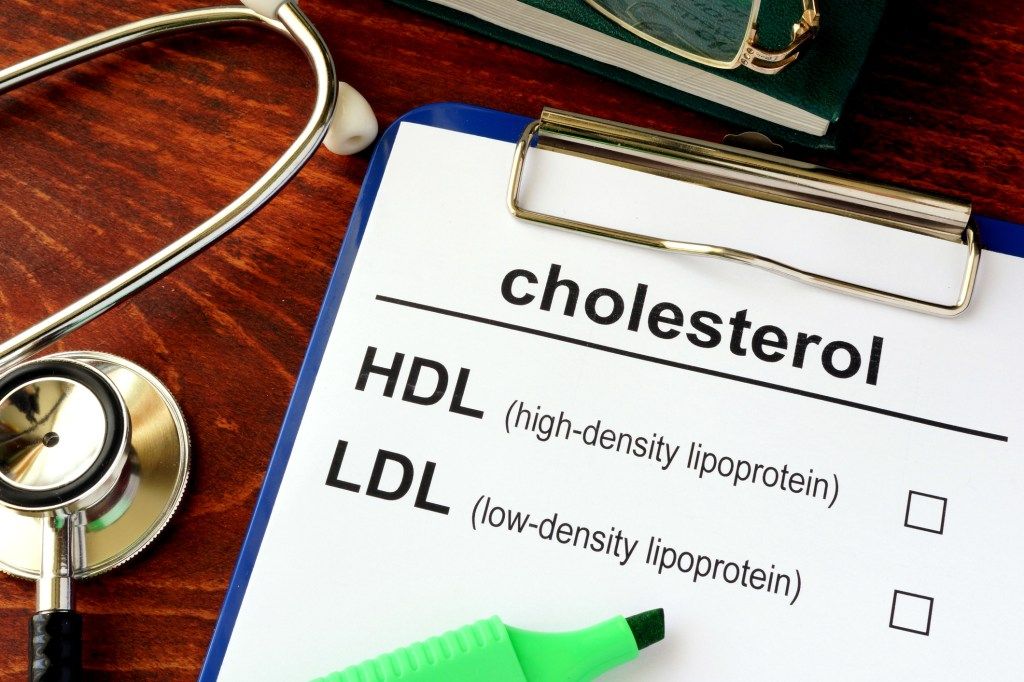
Cholesterol is a waxy, fat-like substance that is essential for the body. It plays a crucial role in the formation of cell membranes, certain hormones, and vitamin D. The liver produces approximately 80% of the cholesterol in the body, while the remainder is derived from dietary sources. Cholesterol is transported in the bloodstream by lipoproteins, which fall into several categories, notably low-density lipoprotein (LDL) and high-density lipoprotein (HDL).
LDL cholesterol is often referred to as “bad” cholesterol because high levels can lead to plaque buildup in the arteries, increasing the risk of heart disease and stroke. Conversely, HDL cholesterol is deemed “good” cholesterol because it helps carry cholesterol away from the arteries and back to the liver, where it can be recycled or excreted. Additionally, triglycerides, another type of fat found in the blood, can also impact heart health when present in elevated levels.
Understanding these types of cholesterol is vital for maintaining cardiovascular health. A balance between LDL and HDL levels is essential; an ideal low LDL and high HDL cholesterol level can significantly reduce the risk of cardiovascular disease. Thus, monitoring cholesterol levels is recommended, particularly for individuals with risk factors such as obesity, diabetes, or a family history of heart disease.
Various dietary and lifestyle factors contribute substantially to cholesterol levels. A diet high in saturated fats, trans fats, and cholesterol can elevate LDL levels, whereas a diet rich in fruits, vegetables, whole grains, and healthy fats can improve HDL levels. Incorporating regular physical activity, maintaining a healthy weight, and avoiding tobacco use are also effective strategies to control cholesterol levels and enhance overall cardiovascular well-being.
The Role of Diet in Cholesterol Management
Diet plays a crucial role in managing cholesterol levels and overall heart health. The foods you choose can either improve your cholesterol profile or exacerbate existing issues. Incorporating a variety of foods into your diet, particularly those high in dietary fiber, can significantly influence cholesterol levels. Fruits, vegetables, and whole grains are excellent sources of fiber, which can help reduce levels of low-density lipoprotein (LDL) or “bad” cholesterol. By increasing fiber intake, one may also support overall digestive health and maintain a feeling of fullness, contributing to weight management.
Healthy fats are another important aspect of a cholesterol-friendly diet. Foods rich in omega-3 fatty acids, such as fatty fish—like salmon, sardines, and mackerel—can have a positive effect on cholesterol levels by reducing triglycerides and increasing high-density lipoprotein (HDL) or “good” cholesterol. Nuts and seeds are also beneficial; walnuts, flaxseeds, and chia seeds provide essential fatty acids and other important nutrients that can aid in cholesterol reduction.
In addition to including fiber and healthy fats, it is equally important to limit saturated and trans fats. Saturated fats, typically found in red meat, full-fat dairy products, and certain oils, can raise cholesterol levels, especially LDL cholesterol. Trans fats, commonly found in processed foods, snacks, and margarine, not only raise bad cholesterol but also lower good cholesterol. Eliminating or significantly reducing these fats from one’s diet can lead to substantial improvements in heart health.
Ultimately, making informed dietary choices is essential for anyone looking to control cholesterol levels effectively. A balanced diet that emphasizes fiber-rich foods and healthy fats while minimizing saturated and trans fats can lead to better management of cholesterol, promoting long-term health benefits.
Superfoods for Lowering Cholesterol
Managing cholesterol levels through diet is often achievable by incorporating specific superfoods into daily meals. Foods rich in soluble fiber, healthy fats, and omega-3 fatty acids are particularly effective in promoting heart health and lowering cholesterol levels.
Oats are one of the most well-known superfoods when it comes to cholesterol control. They contain beta-glucan, a type of soluble fiber that can lower LDL cholesterol, often referred to as the “bad” cholesterol. Consuming a bowl of oatmeal for breakfast or adding oats to smoothies and baked goods can easily integrate them into your diet.
Beans, including black beans, kidney beans, and lentils, are another excellent choice. They not only provide protein but are also rich in fiber, which binds to cholesterol in the digestive system and aids in its elimination. Including beans in salads, soups, or as a side dish can significantly enhance your meals.
Nuts such as almonds, walnuts, and pistachios are rich in healthy fats and have been shown to improve cholesterol levels. Regular consumption of a small handful can be beneficial. They can be added to yogurt, salads, or enjoyed as a snack on their own.
Fatty fish, such as salmon, mackerel, and sardines, are rich in omega-3 fatty acids, which help lower triglyceride levels and improve heart health. Incorporating fish into meals at least twice a week is recommended; grilling or baking are healthier preparation methods.
Avocados are packed with monounsaturated fats and fiber, making them a top contender in cholesterol-friendly foods. They can be used in various dishes, from salads to sandwiches or smoothies, providing a creamy texture while supporting cardiovascular health.
The Impact of Physical Activity
Regular physical activity plays a crucial role in managing cholesterol levels, significantly affecting both high-density lipoprotein (HDL) and low-density lipoprotein (LDL) cholesterol. Engaging in consistent aerobic exercises, such as walking, jogging, cycling, or swimming, has demonstrated an ability to raise HDL cholesterol, often referred to as the “good” cholesterol. HDL is vital as it helps remove cholesterol from the bloodstream, thus reducing the risk of cardiovascular diseases.
Conversely, physical activity is also instrumental in lowering LDL cholesterol, known as the “bad” cholesterol. Elevated levels of LDL can lead to plaque buildup in arteries, increasing the risk of heart-related illnesses. By incorporating regular exercise into one’s routine, individuals can enhance their lipid profile, achieving a healthier balance between HDL and LDL cholesterol.
To effectively integrate physical activity into daily life, individuals can start by setting realistic exercise goals. Aim for at least 150 minutes of moderate aerobic exercise or 75 minutes of vigorous exercise each week, as recommended by health professionals. Simple strategies can be employed to include more physical activity, such as taking stairs instead of elevators, engaging in brisk walking during breaks, or participating in sports or group fitness classes. Additionally, setting up a routine with family or friends can provide motivation and accountability, further establishing a consistent regimen.
Moreover, it is essential to remember that consistency is key. Regularity in physical activity not only aids in cholesterol management but also contributes to overall well-being, including weight management and improved mental health. By dedicating time to exercise, individuals not only work towards achieving better cholesterol levels but also foster a healthier lifestyle.
Maintaining a Healthy Weight
Maintaining a healthy weight is a crucial aspect of cholesterol control, as obesity is a significant contributor to elevated cholesterol levels. When an individual is overweight or classified as obese, they are more likely to have an unfavorable lipid profile, which can include high levels of low-density lipoprotein (LDL) cholesterol, often referred to as “bad” cholesterol, and low levels of high-density lipoprotein (HDL) cholesterol, known as “good” cholesterol.
To achieve and maintain a healthy weight, individuals should focus on adopting a balanced diet and incorporating regular exercise into their daily routine. A balanced diet rich in fruits, vegetables, whole grains, lean proteins, and healthy fats can help in reducing overall caloric intake without compromising nutrition. Foods high in fiber, such as oats, beans, and legumes, can positively impact cholesterol levels and assist in weight management.
Regular physical activity is also vital for weight management. Engaging in at least 150 minutes of moderate-intensity aerobic exercise each week can contribute to weight loss and improve cholesterol levels. This can include activities such as brisk walking, cycling, swimming, or any form of cardiovascular exercise that elevates heart rate. Strength training exercises are also beneficial, as they help build muscle mass, which in turn can increase metabolism and aid in weight reduction.
Furthermore, it is essential to set realistic and achievable weight loss goals. Gradually reducing weight by 1-2 pounds per week is considered a healthy and sustainable approach. Keeping track of dietary intake and physical activity can also provide motivation and accountability. Consulting with healthcare professionals, such as dietitians or nutritionists, can offer personalized guidance tailored to individual health needs and lifestyle, enhancing the effectiveness of weight management efforts.
Stress Management Techniques
Chronic stress has been recognized as a significant contributor to elevated cholesterol levels and overall heart health deterioration. When a person experiences stress, the body releases hormones such as cortisol and adrenaline, which can lead to an increase in appetite and cravings for high-fat, high-sugar foods. This cascade of physiological changes ultimately results in the elevation of cholesterol levels, posing risks to cardiovascular health.
To combat the adverse effects of stress on cholesterol levels, adopting effective stress management techniques is essential. Mindfulness is one avenue that has gained traction in recent years. This practice involves focusing on the present moment, allowing individuals to acknowledge their thoughts and feelings without judgment. Engaging in mindfulness can reduce anxiety and improve emotional regulation, potentially leading to better dietary choices and lower cholesterol levels.
Yoga is another natural technique that promotes stress relief and supports heart health. This ancient practice combines physical postures, breathing exercises, and meditation. Research indicates that regular yoga practice can lower stress hormones, help maintain a healthier weight, and improve cardiovascular function, hence benefiting cholesterol levels. Incorporating yoga into one’s routine serves as both a physical and mental exercise, fostering relaxation and emotional well-being.
Deep breathing exercises also contribute significantly to stress management. Simple practices such as inhaling deeply through the nose and exhaling slowly through the mouth can activate the body’s relaxation response, which reduces stress. This calming effect allows individuals to decrease anxiety levels, potentially regulating cholesterol levels as a result. Regularly engaging in deep breathing can promote a sense of control and serenity, essential for maintaining heart health.
Through the application of these natural techniques—mindfulness, yoga, and deep breathing—individuals may not only manage stress more effectively but also contribute positively to their cholesterol management, thus enhancing overall cardiovascular health. Incorporating these strategies into everyday life can help cultivate a healthier lifestyle that empowers individuals to take charge of their heart health.
Avoiding Tobacco and Limiting Alcohol
Maintaining healthy cholesterol levels is crucial for heart health, and certain lifestyle choices can significantly impact these levels. Two of the most detrimental habits are smoking and excessive alcohol consumption. Smoking is known to lower high-density lipoprotein (HDL), often referred to as “good cholesterol,” which plays a critical role in removing low-density lipoprotein (LDL) or “bad cholesterol” from the bloodstream. This imbalance can lead to an increased risk of cardiovascular diseases. In addition, smoking contributes to arterial damage, raising the chances of heart attacks and strokes.
Excessive alcohol intake poses its own set of risks. While moderate consumption of alcohol has been shown to potentially raise HDL cholesterol levels, more than moderate drinking can have the opposite effect. Heavy drinking is associated with severe complications, including hypertension and liver damage, which can adversely affect overall health. As such, limiting alcohol consumption to moderate levels—generally defined as one drink per day for women and two for men—is advised.
For those looking to quit smoking, various strategies are available. Engaging in behavioral therapy, utilizing nicotine replacement products, and seeking support groups can significantly enhance the chances of successfully quitting. It is essential to create a plan that includes setting a quit date, identifying triggers, and finding ways to cope with cravings. Furthermore, individuals who find temptation challenging may benefit from adopting healthier habits such as regular exercise or pursuing new hobbies.
To responsibly manage alcohol intake, individuals are encouraged to keep track of their drinking patterns and recognize when they may be consuming more than recommended. Opting for alcohol-free days, choosing smaller servings, and incorporating non-alcoholic beverages during social gatherings are effective moderation techniques. By making these lifestyle adjustments, individuals can enhance their cholesterol levels and promote long-term heart health.
Importance of Regular Health Screenings
Regular health screenings play a crucial role in managing cholesterol levels and promoting heart health. These screenings allow individuals to monitor their cholesterol levels and identify any potential issues early, which can lead to more effective management and treatment options. It is generally recommended that adults undergo cholesterol screenings at least once every four to six years, but individuals with risk factors such as a family history of heart disease or obesity may require more frequent assessments.
Understanding one’s cholesterol levels—total cholesterol, low-density lipoprotein (LDL), high-density lipoprotein (HDL), and triglycerides—enables individuals to gauge their risk of cardiovascular diseases. By interpreting these values, healthcare providers can determine whether intervention is necessary. High levels of LDL cholesterol and triglycerides are linked to an increased risk of atherosclerosis, which can lead to heart attacks and strokes. Conversely, higher levels of HDL cholesterol are protective and help remove excess cholesterol from the bloodstream.
Awareness gained from regular check-ups encourages individuals to adopt healthier lifestyle choices. Knowledge of one’s cholesterol profile can motivate changes in diet, increased physical activity, and, if needed, medication adherence. Furthermore, regular interactions with healthcare professionals provide opportunities for individualized advice based on a person’s specific health needs.
In addition, regular cholesterol screenings can aid in secondary prevention strategies for those who have already been diagnosed with elevated cholesterol levels or heart disease. By continually monitoring their status, individuals can work with their healthcare provider to make timely adjustments to their treatment plans and ensure optimal heart health.
Creating a Sustainable Plan for Cholesterol Management
Managing cholesterol levels effectively requires a comprehensive and realistic approach that encompasses diet, exercise, and overall lifestyle changes. Creating a sustainable plan begins with understanding one’s current health status, particularly cholesterol levels. It is advisable to consult with a healthcare professional to assess personal risk factors and establish a specific target cholesterol level.
When it comes to diet, incorporating foods that can help manage cholesterol is critical. This includes adding more whole grains, fruits, vegetables, and healthy fats such as those found in nuts and avocados. At the same time, it is vital to reduce intake of saturated fats commonly found in red meat and full-fat dairy products, as well as trans fats found in many processed foods. Keeping a food diary can help track eating habits and identify areas for improvement.
Alongside dietary considerations, regular physical activity plays a pivotal role in maintaining healthy cholesterol levels. Aiming for at least 150 minutes of moderate-intensity exercise each week can significantly benefit heart health. Elements of physical activity could be as simple as brisk walking or cycling, which can be sustained over time and adjusted according to an individual’s fitness level.
Furthermore, setting achievable goals is essential in the journey of cholesterol management. Small, measurable objectives, such as making one healthier meal choice daily or incorporating a short walk into the daily routine, build a foundation for long-term success. Seeking support from friends, family, or even a registered dietitian can keep individuals motivated and accountable.
In conclusion, developing a sustainable plan for cholesterol management requires commitment and perseverance. By taking gradual steps towards healthier lifestyle choices, individuals can significantly improve their cholesterol levels and overall well-being.